


1. Trilogie au trianon / mdk
This French industrial artifact, a true relic of the early 80s, offered a stark, uncompromising vision. Its mechanized rhythms and cold, pulsating synths were not about melody, but about atmosphere and tension. The raw, pre-MIDI sound design and relentless, almost primal sequencing demonstrated a nascent understanding of electronic music's capacity for discomfort and hypnotic repetition, laying groundwork for colder wave forms to come.
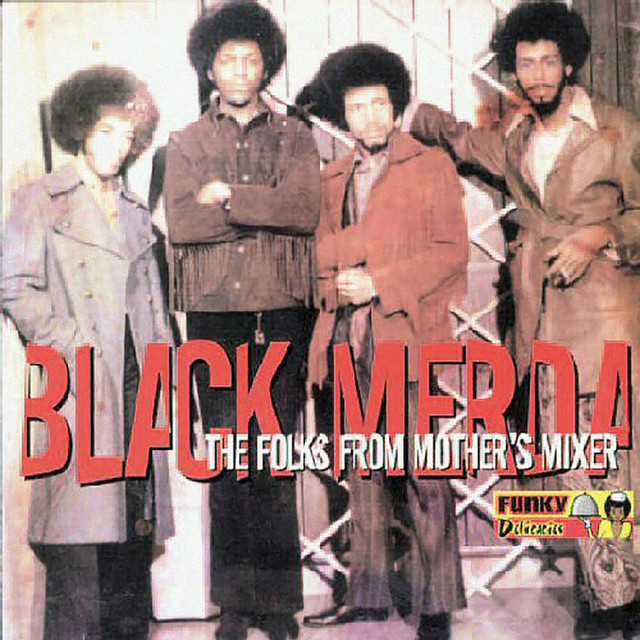
2. The Folks From Mother's Mixer
Mother's Finest, truly ahead of their time, forged a blistering fusion of hard rock aggression and undeniable funk groove here. Their rhythm section was an absolute powerhouse, locking into breaks that were as heavy as they were danceable. This wasn't merely disco-rock; it possessed a raw, visceral energy and vocal prowess that few could match, defining a muscular, soulful sound that anticipated much of the 80s' funk-metal crossover.

3. Sextant
Hancock's dive into electronic abstraction on *Sextant* (1973) remains profoundly influential. This wasn't just fusion; it was a cosmic voyage through ARP and Moog synthesizers, tape loops, and experimental percussion. The sonic textures were alien, yet deeply organic, crafting dense, immersive soundscapes that challenged the very definition of jazz. It laid crucial groundwork for ambient music, early techno's atmospheric bent, and psychedelic electronic exploration.
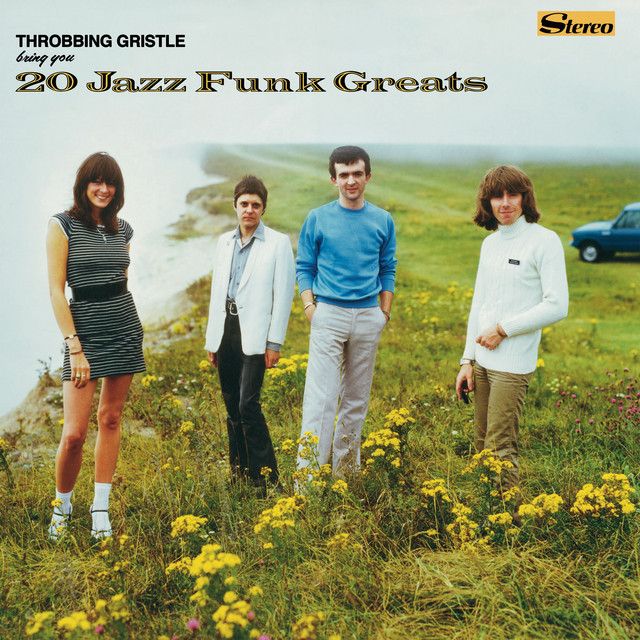
4. 20 Jazz Funk Greats (Remastered)
The title was a cruel joke; the music anything but. Throbbing Gristle's 1979 masterwork was a confrontational assault of primitive electronics, unsettling loops, and industrial clangor. It codified the very essence of industrial music: a bleak, mechanical soundscape designed to provoke and disorient. This wasn't for dancing; it was for contemplating the decaying machinery of existence, its influence echoing through darkwave and noise.
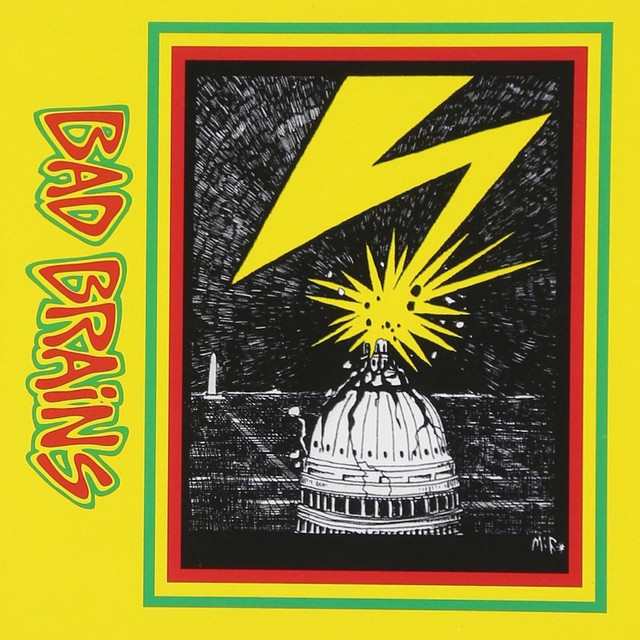
5. Bad Brains
The debut from Bad Brains (1982) was a seismic event. Blistering hardcore punk at speeds few thought possible, tempered by unexpected, yet equally ferocious, reggae breaks. Their technical musicianship was astonishing, combining precision with raw, unadulterated fury. This record wasn't just fast; it was a revelation, demonstrating punk's capacity for complex articulation and influencing countless metal and post-hardcore acts for decades.
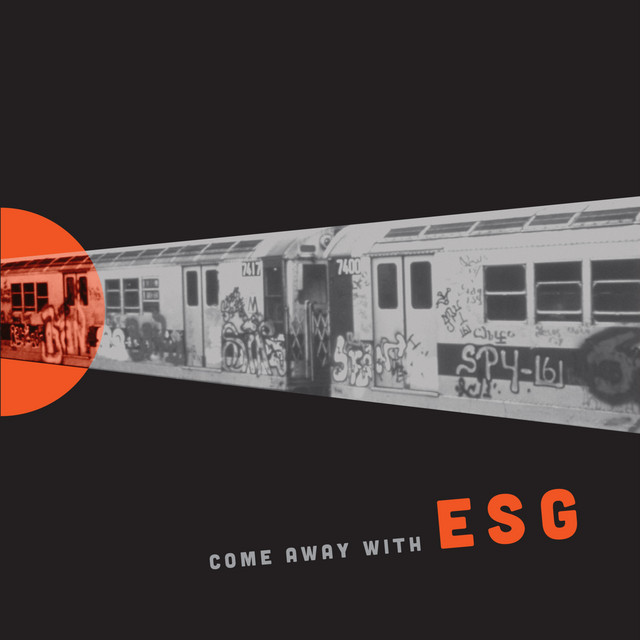
6. Come Away with ESG
ESG's sparse, skeletal funk grooves (1983) were utterly captivating. With just bass, drums, percussion, and vocals, they created an irresistible, hypnotic rhythmic tapestry. The sheer economy of their sound was its genius; every element served the beat, driving forward with an unpretentious, raw energy. This was a direct blueprint for early hip-hop's sampling aesthetic and the nascent house scene, proving less truly was more.
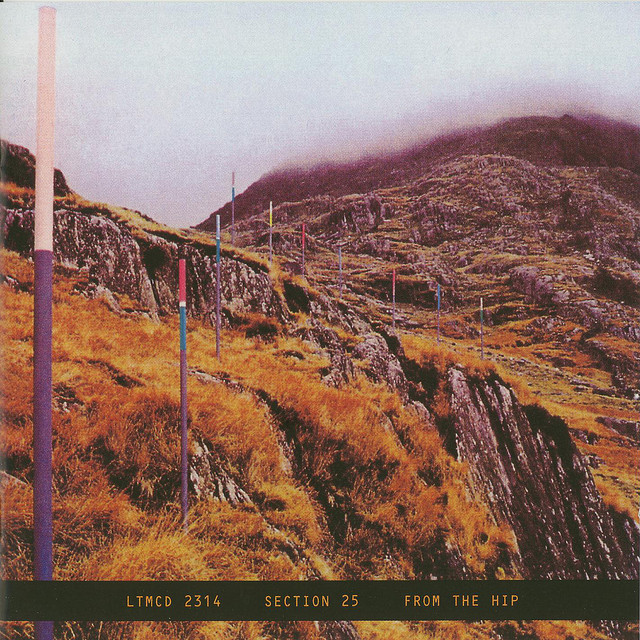
7. From The Hip
Section 25’s 1984 output was a crucial entry into the burgeoning synth-pop and coldwave canon. Its melancholic electronic textures, driven by precise drum machine patterns and shimmering synthesizers, evoked a sense of wistful detachment. The production, courtesy of Bernard Sumner and Donald Johnson, was impeccable for the era, crafting an atmospheric, emotionally resonant sound that transcended mere pop, influencing darker synth-driven forms.

8. The Album
Before this, rap was largely a live phenomenon. The Sugarhill Gang's debut (1980), featuring "Rapper's Delight," captured the nascent art form for a global audience. While often maligned for its studio-band origins, it undeniably laid the commercial groundwork. The call-and-response vocals over repurposed disco breaks, raw and unpolished, documented the first rhythmic patterns of early rap, launching a cultural revolution from the Bronx.
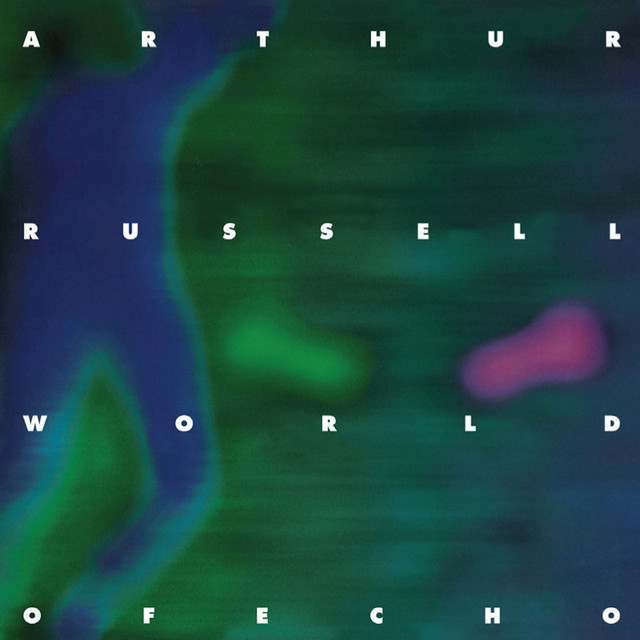
9. World Of Echo
Arthur Russell's 1986 masterpiece is an exercise in profound minimalism and spatial acoustics. His cello and voice, treated extensively with echo and reverb, create a deeply personal, almost meditative soundscape. This wasn't merely art-rock; it was a genre unto itself, blurring lines between ambient, experimental, and folk. The pre-digital processing shaped a uniquely intimate, ethereal experience that still resonates with quiet power.