
1. The Larry Sanders Show
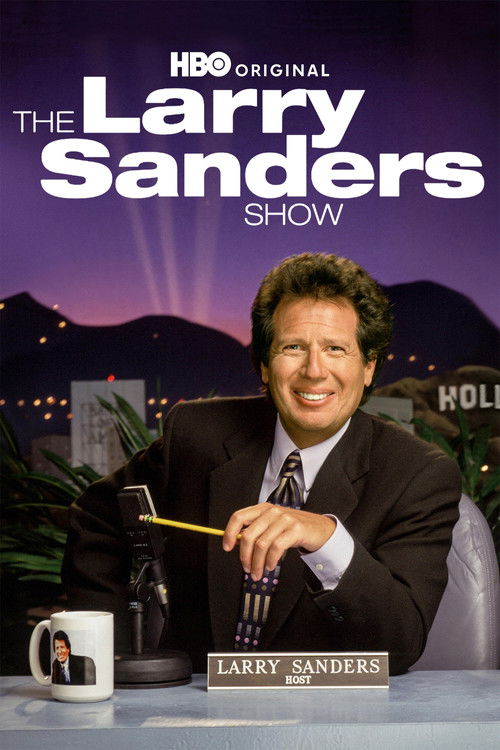
Before *The Office*, there was Larry. This HBO gem basically invented the mockumentary style for television comedy, pulling back the curtain on late-night TV with brutal honesty. It was sharp, character-driven, and unflinchingly awkward, proving that comedy could be just as serialized and dramatic as any prestige drama. Garry Shandling's performance was a masterclass in self-loathing celebrity, setting a new bar for meta-humor and showcasing the rise of cable-era risk.
2. Oz
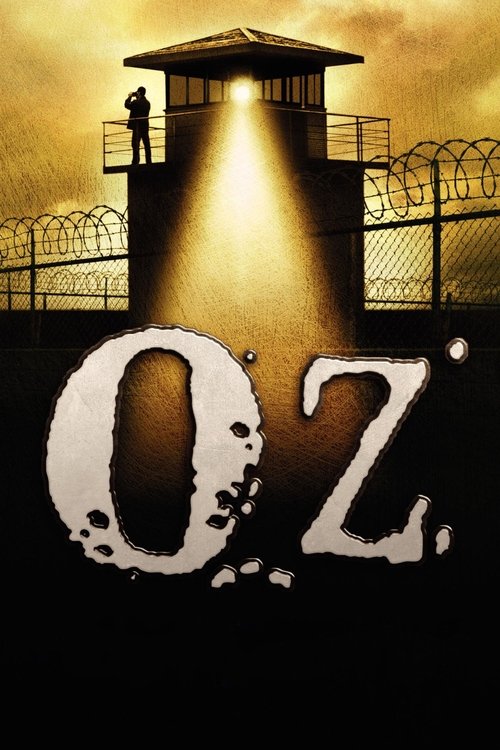
HBO truly kicked down the door with *Oz*. This wasn't your father's prison drama; it was a raw, unflinching look at institutional decay and human brutality, packed into a stark ensemble structure. Tom Fontana crafted a serialized narrative that refused easy answers, forcing viewers into a grim world where no one was safe. It legitimized HBO as a powerhouse for dark, challenging drama, paving the way for everything that followed on premium cable.
3. Millennium
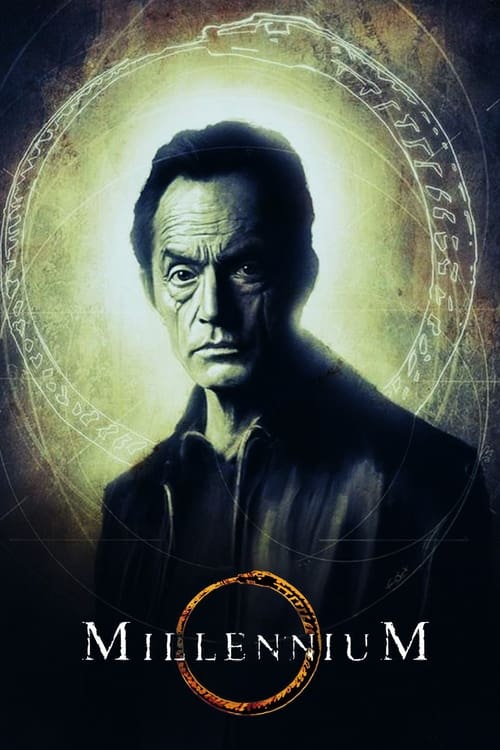
Chris Carter’s post-*X-Files* venture dove headfirst into the darkness. *Millennium* wasn't just a monster-of-the-week; it was a deeply unsettling, atmospheric exploration of evil through the eyes of Frank Black. Its serial nature, psychological depth, and pervasive sense of dread pushed the boundaries of network television. It often felt like a horror film stretched across a season, a true precursor to the brooding, character-focused thrillers we'd see on cable.
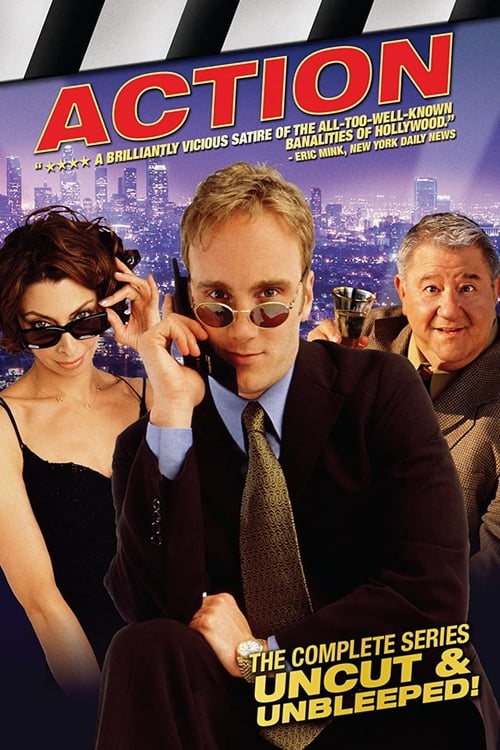
4. Action
This Fox series was a brutally cynical, hilarious, and utterly fearless take on Hollywood, starring the always-great Jay Mohr. *Action* felt like a cable show trapped on network television, pushing profanity and moral depravity further than anything else at the time. It was a mockumentary-lite, a vicious satire of the film industry's underbelly that was too smart and too dark for its own good, getting cut down far too soon.
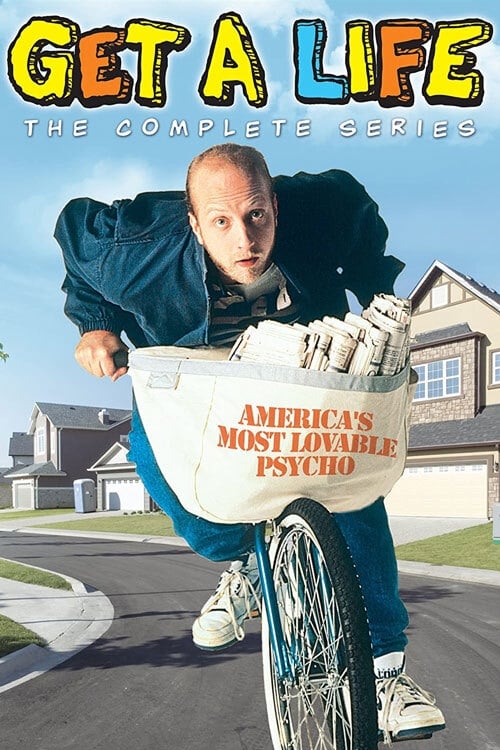
5. Get a Life
Chris Elliott’s *Get a Life* was a glorious, bizarre anti-sitcom. It defied every convention, embracing surrealism and a complete lack of logic. Chris Peterson, an adult paperboy living with his parents, was a character so oblivious he'd die weekly, only to return in the next episode. This show was a chaotic, brilliant experiment in absurdist comedy, proving that sitcoms didn't need a laugh track or a coherent plot to be groundbreaking.
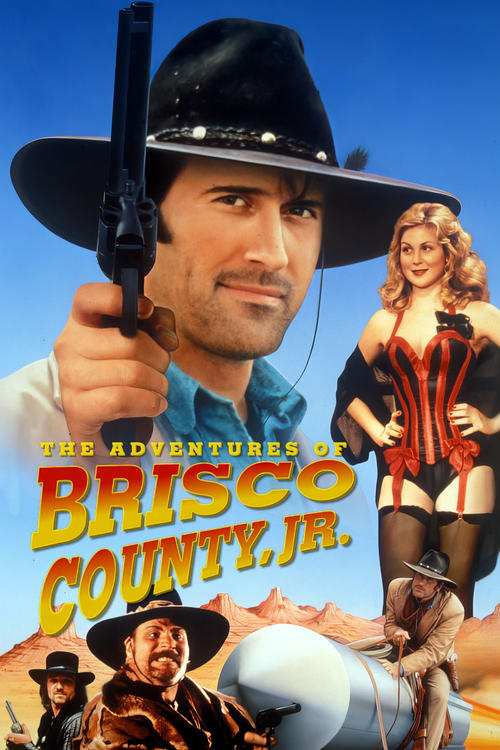
6. The Adventures of Brisco County, Jr.
This one-season wonder was ahead of its time. A sci-fi western with Bruce Campbell? Fox took a huge swing, blending serialized adventure, comedic banter, and a surprisingly deep mythology. It had a cinematic scope often reserved for features, but delivered weekly. It paved the way for ambitious, genre-bending network shows, even if audiences weren't quite ready for its unique blend of pulp and prophecy.
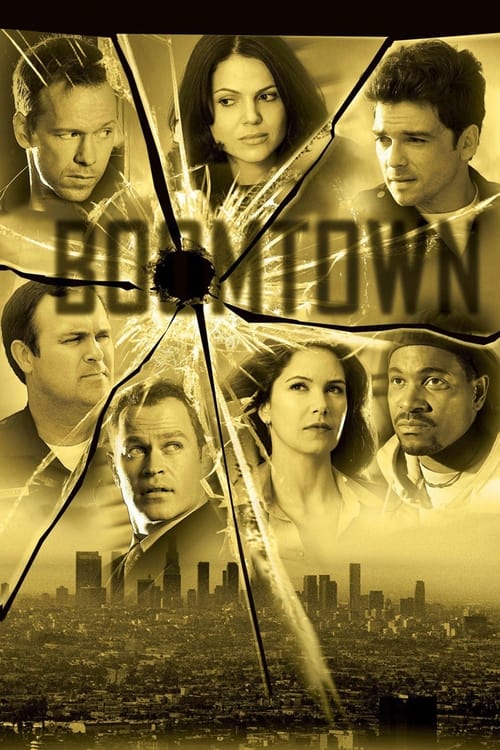
7. Boomtown
*Boomtown* was a masterclass in narrative complexity. Each episode revisited a single crime from multiple perspectives – the cops, the perp, the victim – creating a Rashomon-style mosaic of events. This ensemble procedural was groundbreaking in its non-linear storytelling and character development, demanding attention from its viewers. It was too smart, too ambitious for network TV, hinting at the sophisticated storytelling cable would soon perfect.
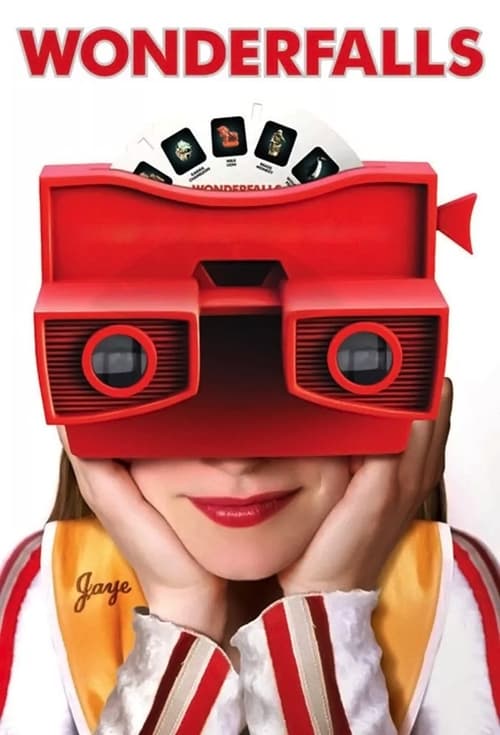
8. Wonderfalls
Bryan Fuller's early work, *Wonderfalls*, was a quirky, whimsical delight that deserved so much more. It followed a cynical, underachieving gift shop employee whose life changes when inanimate objects start talking to her. This show blended fantasy, comedy, and drama with a unique visual style and sharp dialogue. It was a cult classic in the making, showcasing the kind of singular creative vision that would thrive in the later cable landscape.
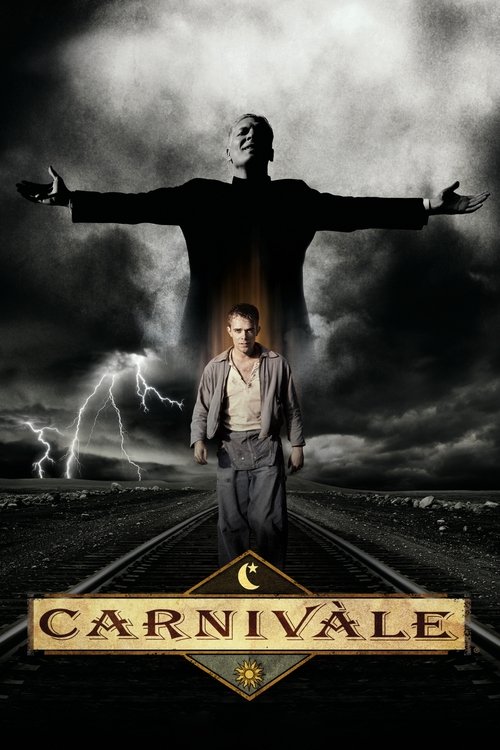
9. Carnivàle
HBO's *Carnivàle* was an absolute beast. A dark, sprawling epic set during the Dust Bowl, it was visually stunning and narratively dense, ripe for the kind of deep dive that early on-demand platforms would encourage. Its serialized mythology, blending good versus evil with biblical undertones, created an incredibly atmospheric, almost Lynchian world. It proved television could be as cinematic and ambitious as any feature film.