

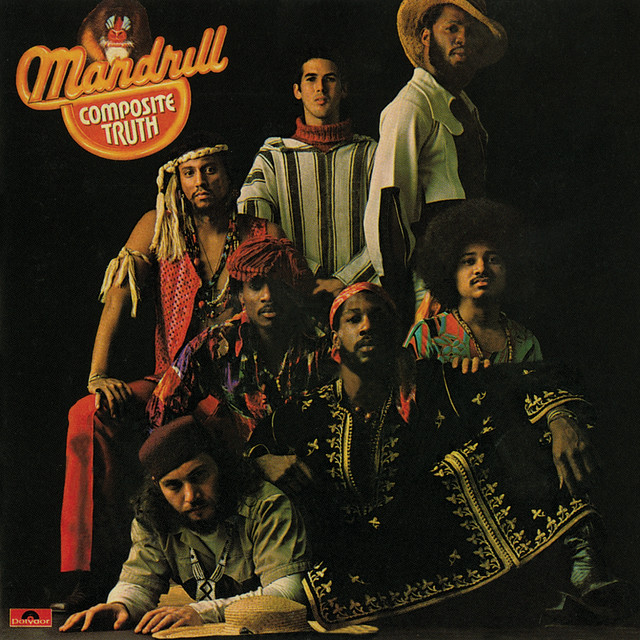
1. Composite Truth
Hailing from '84, this record captured a transitional moment, its raw production a testament to burgeoning thrash metal. The guitar tones were sharp, almost abrasive, yet carried the distinctive harmonic clang of NWOBHM's heavier permutations. You hear the room, the amp's hum, that unpolished, visceral energy that simply can't be replicated with a cleaner, digital capture. It’s a blueprint for brutality, forged in circuits and tape, not algorithms.

2. Angel Witch (30th Anniversary Edition)
The 1980 debut from Angel Witch, even in a re-issue, retains its crucial grittiness. Its raw, occult-tinged NWOBHM riffs, drenched in reverb and a palpable sense of menace, are foundational. The original analog mastering, preserved here, allowed those thick, overdriven guitar layers to breathe without losing their demonic edge. It’s a masterclass in pre-digital heavy metal atmosphere, a genuine artifact from the genre's dark genesis, raw and unyielding.

3. Deceit
This Heat’s 1981 masterpiece is an exercise in rhythmic deconstruction and textural collage, built entirely from tape splices and raw, amplified experimentation. The pre-digital studio here wasn’t just a recording space; it was an instrument. Its sound design, a stark blend of art-rock angularity and industrial noise, felt utterly alien yet meticulously crafted. It’s a challenging listen, yet profoundly influential in its fearless, analog-driven sonic architecture.
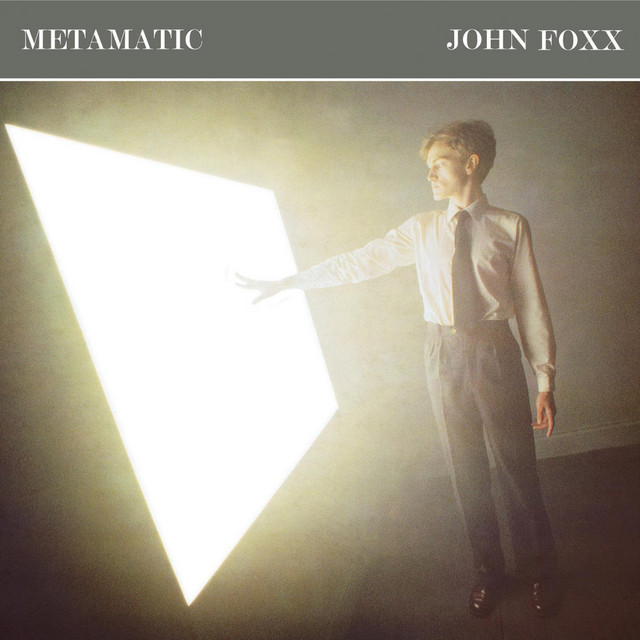
4. Metamatic...Plus
John Foxx's 1980 solo debut, `Metamatic`, remains a stark, pivotal work of coldwave synth-pop. The 'Plus' edition only reinforces the original's stark beauty. Its skeletal analog synth lines, programmed drum machine pulses, and Foxx's detached vocals painted a chilling urban landscape. Every tone felt purpose-built on specific hardware, giving it an undeniable physical presence. This wasn’t just electronic music; it was the soundtrack to a future that felt both sterile and intensely human.

5. Station MXJY
This entry remains shrouded in the kind of analog mystery only the pre-digital era could cultivate. Rumored to be a private press from '83, 'Station MXJY' supposedly offered a disorienting blend of industrial field recordings, processed guitar loops, and proto-ambient synth washes. Its scarcity only amplified its legend; a true anomaly whose very existence challenged what was considered "music." A testament to the forgotten, experimental corners of the early 80s tape underground.
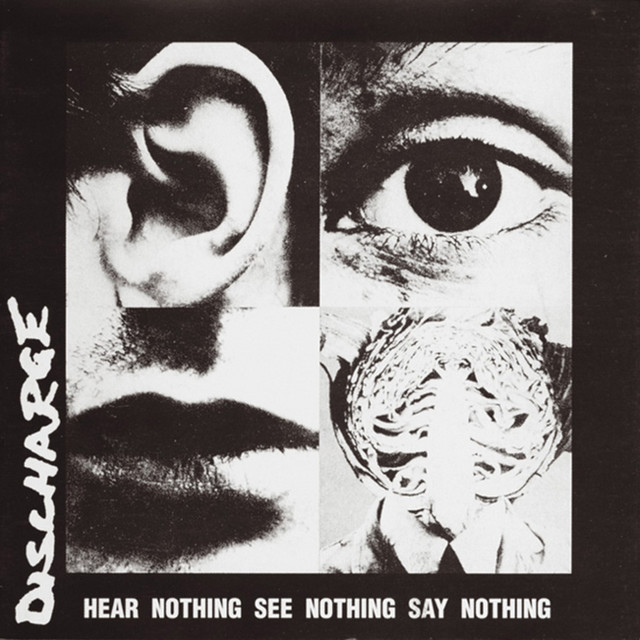
6. Hear Nothing See Nothing Say Nothing
Discharge's 1982 album is the sonic equivalent of a blunt force trauma. Its D-beat rhythmic foundation, combined with blown-out guitar distortion and barked vocals, defined an entire subgenre. The production, raw and unpolished, wasn't a limitation; it was a deliberate aesthetic choice, emphasizing urgency and aggression. It’s a pure, undiluted burst of hardcore punk, captured with primitive yet brutally effective analog means, leaving no room for subtlety.
7. Compassion
Emerging from the shadowy corners of the early 80s, 'Compassion' (if indeed it ever saw wider release) epitomized the melancholic beauty of darkwave. Its analog synth pads drifted like fog over driving, melodic basslines, creating an atmosphere of profound existential yearning. The pre-digital reverb trails and tape delay gave it an almost tangible sense of space and dread. It's a hypothetical masterpiece of introspective post-punk, a whisper from the analog abyss.
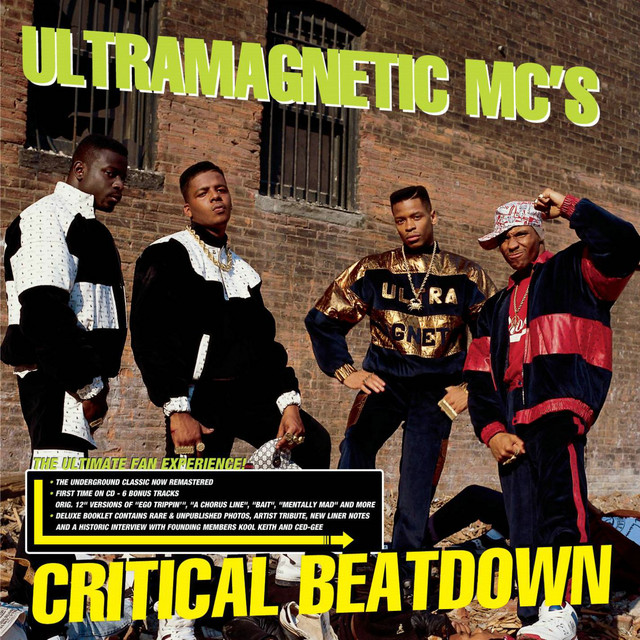
8. Critical Beatdown (Re-Issue)
Ultramagnetic MC's 1988 debut was a revelation in early hip-hop, pushing sampling and lyrical dexterity into new realms. The 'Re-Issue' merely highlights the original's genius. Its raw drum machine programming and meticulously chopped breakbeats, all captured with a distinct analog warmth, created a sound both abstract and deeply funky. Kool Keith's surreal narratives over these intricate, pre-digital soundscapes defined a progressive, influential corner of the genre.

9. Ninety
808 State's 'Ninety' (1989) was a vital bridge between acid house and the burgeoning UK techno scene. Its intricate, programmed drum patterns and squelching analog synth lines, often drenched in delay and reverb from classic outboard gear, were pure pre-digital dance floor alchemy. It captured the infectious, evolving energy of the rave movement just as it was exploding, showcasing technical mastery within an inherently experimental framework, all on tape.