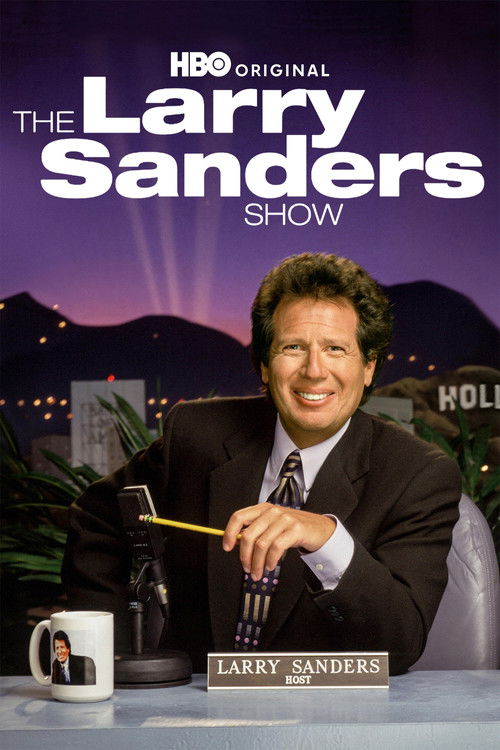
1. The Larry Sanders Show
Before everyone thought they invented the 'mockumentary,' Garry Shandling was already dissecting the late-night talk show machine with surgical, uncomfortable precision. This wasn't just a sitcom; it was a cynical, hilarious peek behind the velvet rope, showing the fragile egos and cutthroat politics that churned out nightly entertainment. It proved cable could be smarter, sharper, and far more honest than network TV dared to be, setting a new bar for workplace comedy and serialized character arcs. Groundbreaking stuff.
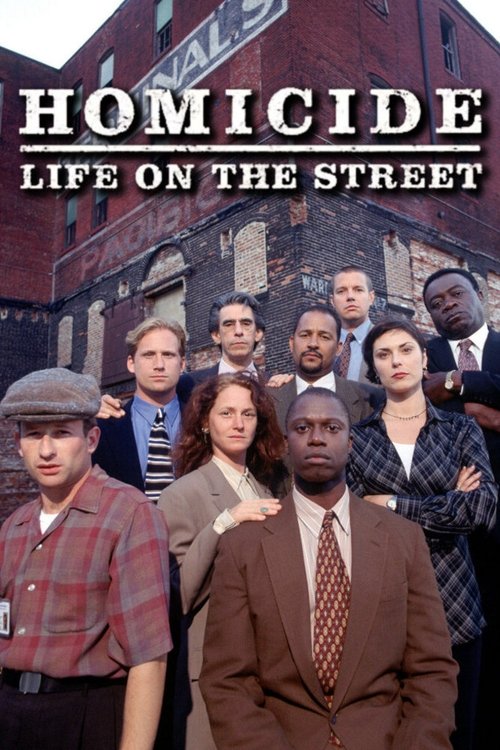
2. Homicide: Life on the Street
Barry Levinson and David Simon took the procedural and shot it full of realism, dirt, and moral ambiguity. This wasn't your clean-cut network cop show; it was gritty, ensemble-driven, and felt more like a documentary than drama, especially with those jump cuts and overlapping dialogue. They weren't afraid to let cases go unsolved or show the toll the job took. It was an early masterclass in serialized character development within a genre that usually reset every week, influencing everything that came after.
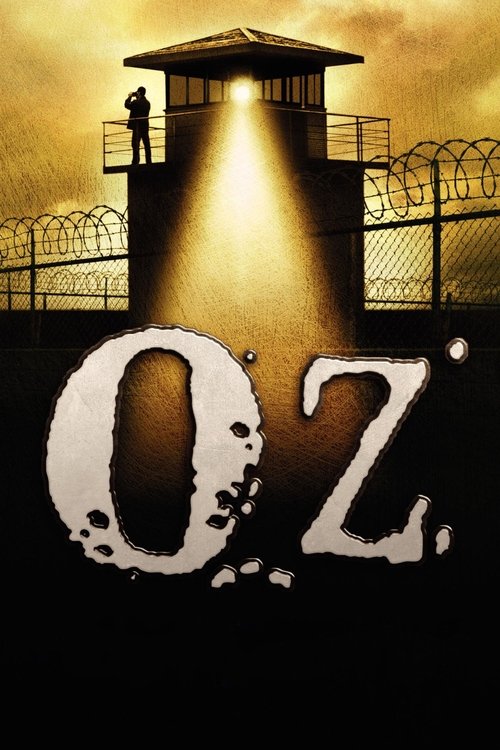
3. Oz
HBO, man. They just went for it. *Oz* wasn't just pushing boundaries; it was bulldozing them. A brutal, unflinching look inside a maximum-security prison, it was pure, unadulterated serialized drama where no character was safe and no topic was off-limits. The ensemble cast was phenomenal, each inmate and guard a complex, often terrifying, individual. It showed the world what premium cable could truly deliver: raw, adult storytelling that network TV wouldn't even whisper about. A game-changer.
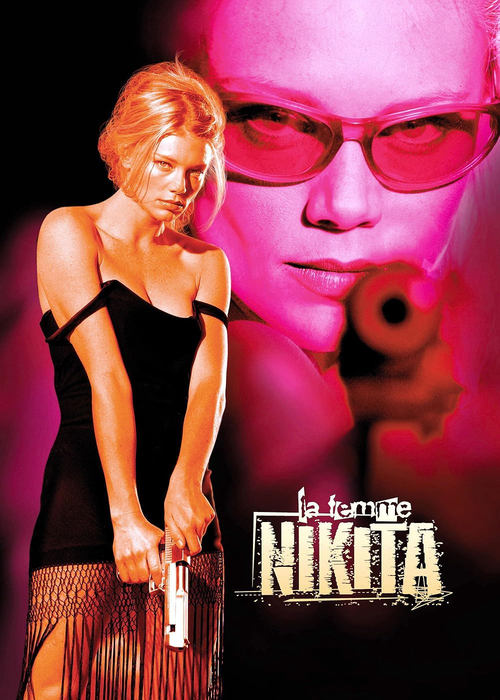
4. La Femme Nikita
While American networks were still figuring out how to do a serialized spy thriller, Canada's *La Femme Nikita* on USA Network was already doing it with style. This show had a dark, moody atmosphere, a compelling lead, and a genuine sense of high stakes. It proved that a cable series could build a complex mythology and sustain character development over multiple seasons, drawing in a dedicated fanbase hungry for more than episodic resolutions. A quiet pioneer of the serialized action drama.
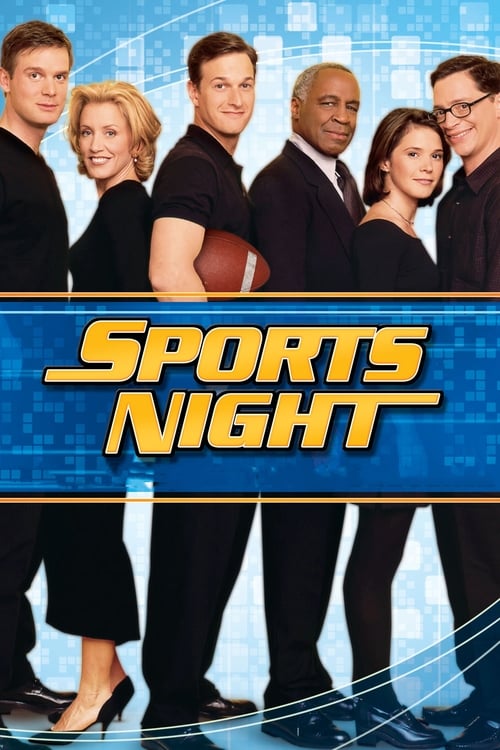
5. Sports Night
Aaron Sorkin's debut, and you could feel it. The rapid-fire dialogue, the walk-and-talks, the idealism clashing with reality – it was all there. A 'sitcom' that quickly became a drama, it dealt with complex relationships and the moral compromises of network television, all while trying to put on a good sports show. The blend of comedy, drama, and that distinctive Sorkin rhythm was new for television, especially for a half-hour format. It laid groundwork for his later, bigger swings.
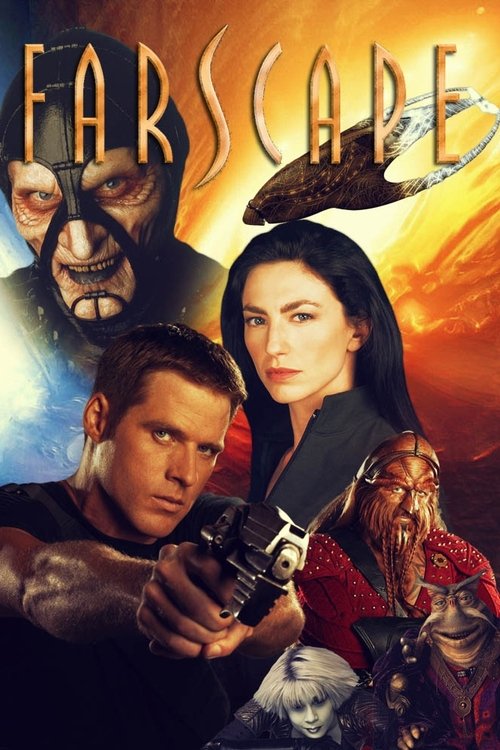
6. Farscape
*Farscape* was the sci-fi that bucked the trend, leaning hard into puppetry from Jim Henson's Creature Shop and genuinely alien designs, making it look unlike anything else on TV. It wasn't just flashy effects; it had deep, serialized storytelling, morally gray characters, and a wild sense of humor. It proved that you didn't need a huge network budget to create a rich, imaginative universe with complex arcs and real emotional stakes. A cult classic that deserved more mainstream recognition.
7. Six Feet Under
HBO again, proving it wasn't a fluke. *Six Feet Under* started every episode with a death, then explored how the living dealt with it. It was a profoundly intimate, character-driven drama about family, grief, and the messy business of life and death, all wrapped up in a dark, quirky sensibility. The show’s willingness to delve into the psychological and emotional depths of its ensemble, with no easy answers, cemented HBO's reputation for challenging, serialized narrative excellence.
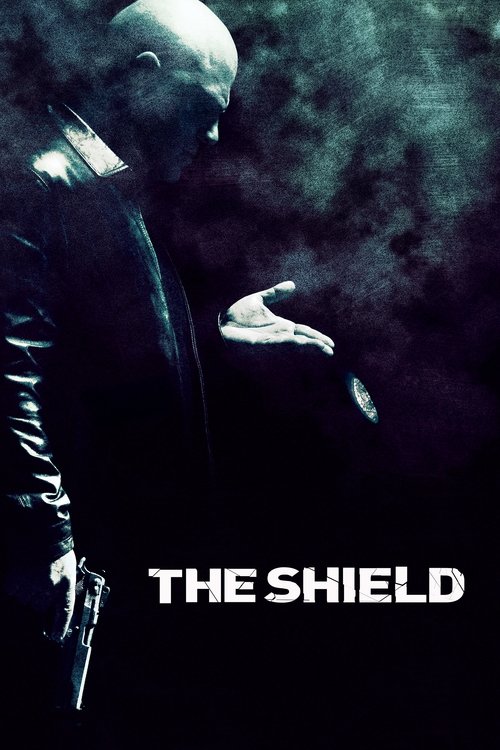
8. The Shield
FX went all-in with *The Shield*, and it paid off. Vic Mackey and his strike team were the kind of anti-heroes that rewrote the rulebook for TV protagonists. It was brutal, morally compromising, and incredibly intense, pushing the envelope for what you could do on basic cable. The show’s serialized narrative built tension relentlessly, forcing viewers to confront uncomfortable questions about justice and corruption. It was a foundational piece for the 'anti-hero' era of prestige TV.
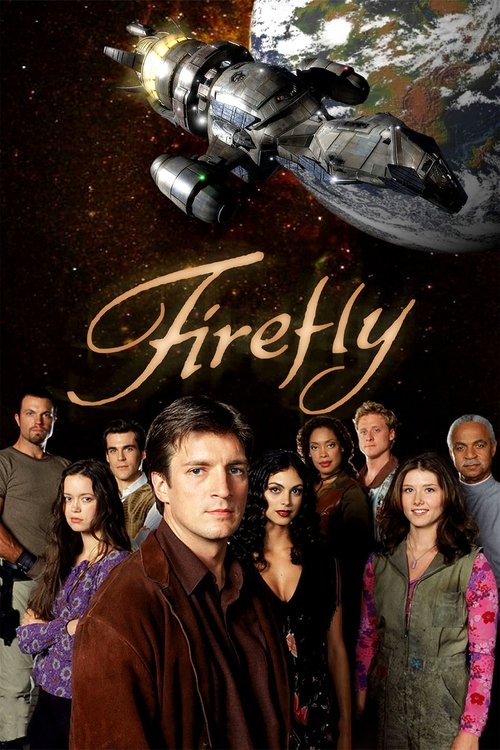
9. Firefly
Joss Whedon's space western was too good for this world, or at least for network TV at the time. A perfect blend of sci-fi adventure, quirky humor, and deeply human characters, it felt like a big-screen movie every week. The serialized plot hinted at a vast, rich universe and intricate backstories, but Fox famously fumbled it. Even with its short run, *Firefly* demonstrated the hunger for cinematic-quality storytelling and complex world-building on the small screen.
10. Carnivàle
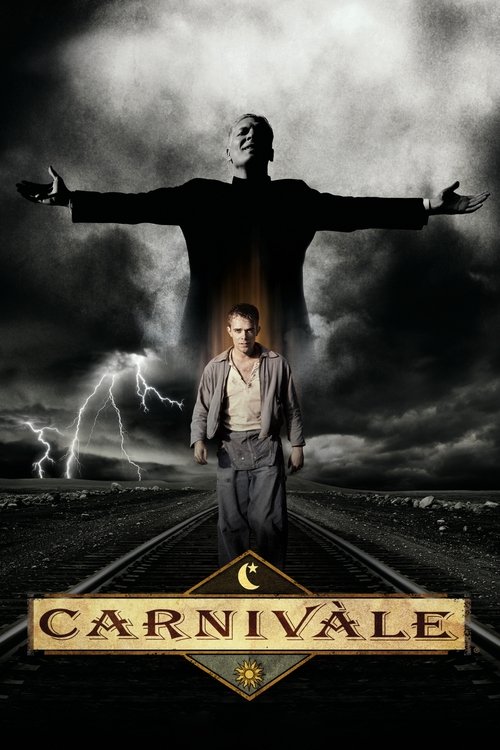
If you wanted atmospheric, surreal, and deeply weird, HBO's *Carnivàle* delivered. Set during the Great Depression, this show was dense with allegory, mythology, and a sense of impending doom. It was a slow burn, highly serialized, and visually stunning, proving that television could be as artful and ambitious as any film. While its mysteries were ultimately cut short, it was an early example of TV attempting a grand, epic narrative that demanded viewer investment and patience.
11. Arrested Development
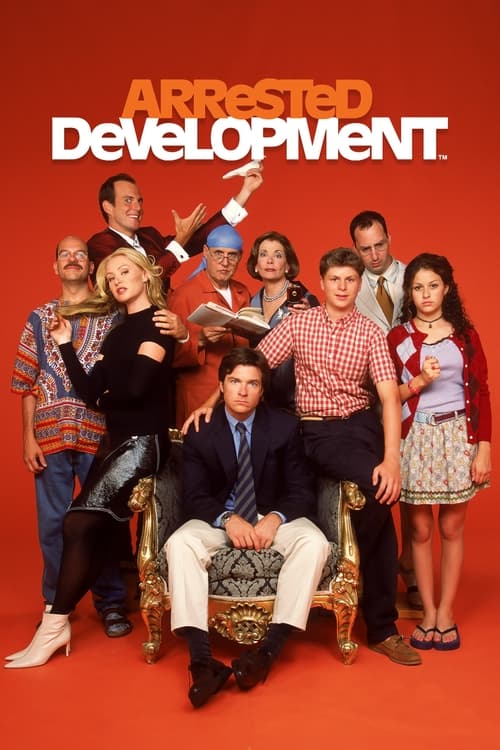
Fox, bless their hearts, greenlit this, and then promptly didn't know what to do with it. *Arrested Development* redefined the sitcom with its dense, rapid-fire jokes, meta-commentary, and incredibly intricate callbacks. It demanded repeat viewings and rewarded attention like no comedy before it. The mockumentary style, the ensemble's dysfunctional brilliance, and the serialized gags laid the blueprint for smarter, more ambitious network comedies, even if its audience was too niche at the time.
12. Veronica Mars
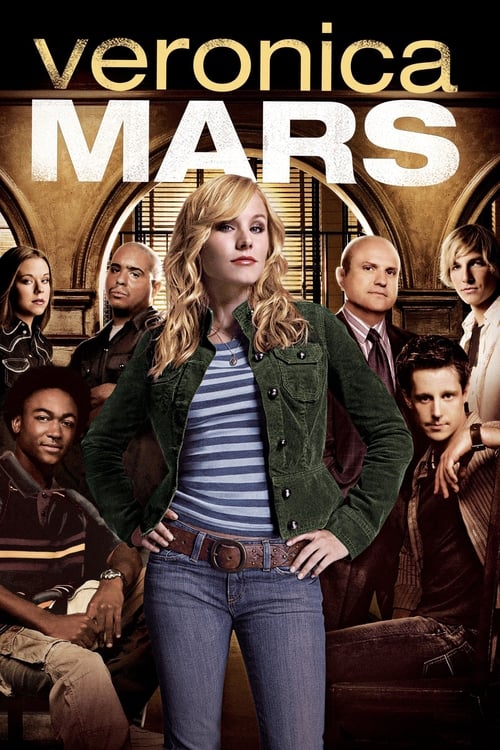
This show was a revelation: a teen noir mystery that was far smarter and darker than its high school setting suggested. Kristen Bell's sardonic narration and the intricate, season-long mysteries proved that serialized storytelling wasn't just for adults on premium cable. It blended genre elements – mystery, drama, coming-of-age – with sharp writing and a compelling lead. It showed that even on a network like UPN, you could build a loyal, passionate fanbase for intelligent, cinematic TV.