
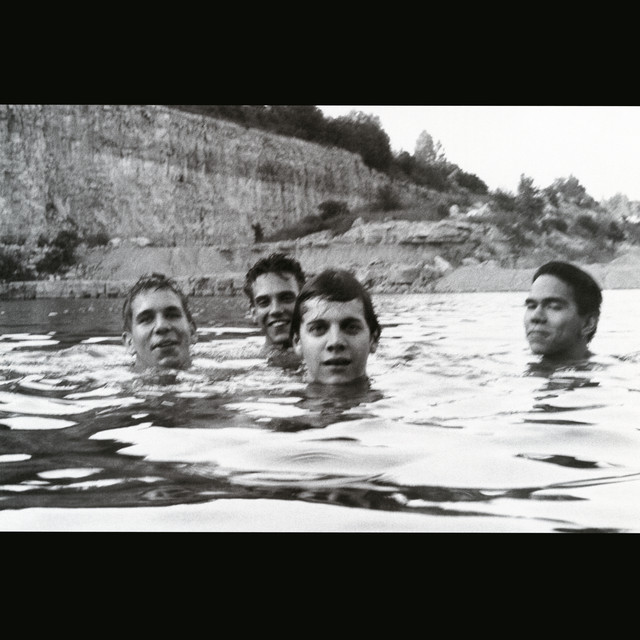
1. Spiderland
Slint’s 1991 magnum opus felt less like an album and more like an archaeological dig into sound itself. Its hushed, intricate guitar work and spoken-word narratives were utterly unlike anything else, building an almost unbearable tension that defined post-rock before anyone knew what to call it. This wasn't for the masses, but for those who found it, the world shifted. It still feels like a secret handshake.
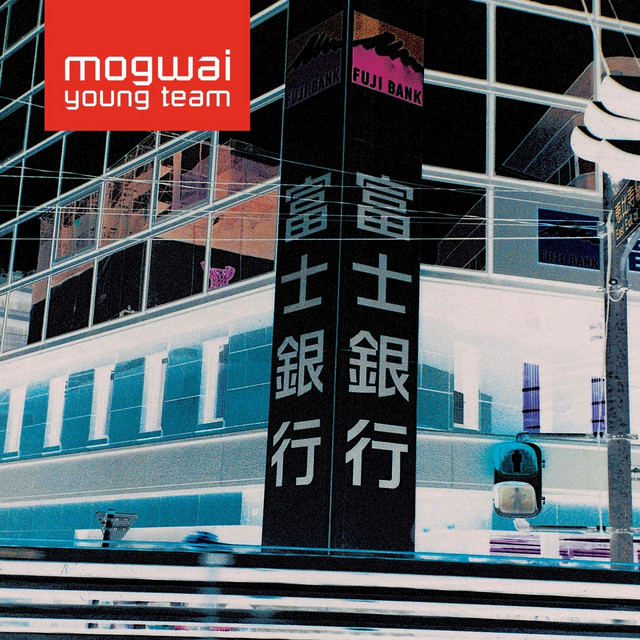
2. Young Team
Mogwai, with their 1997 debut, showed us that instrumental rock could be as devastatingly emotional as any vocal-led anthem. From the quietest whisper to the most earth-shattering crescendo, 'Young Team' was a masterclass in dynamic storytelling. It felt like the soundtrack to late-night drives through rain-soaked cityscapes, a blueprint for a generation of bands who understood the power of silence and sound.
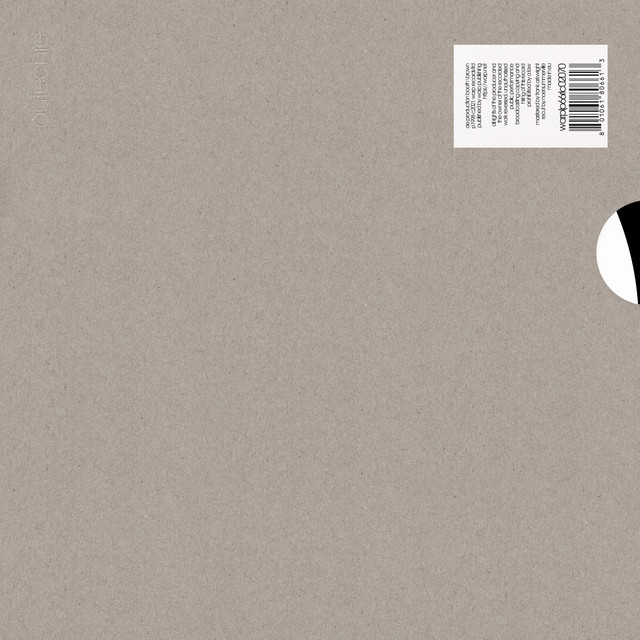
3. LP5
Autechre’s 1998 offering was less music and more a deconstruction of what music could be. Cold, clinical, yet undeniably hypnotic, 'LP5' was a glitchy, abstract masterpiece that felt like data streams forming consciousness. It wasn't about melodies; it was about textures, rhythms, and alien soundscapes that pulled you into their complex logic. This was the sound of the internet's darker, more cerebral corners.
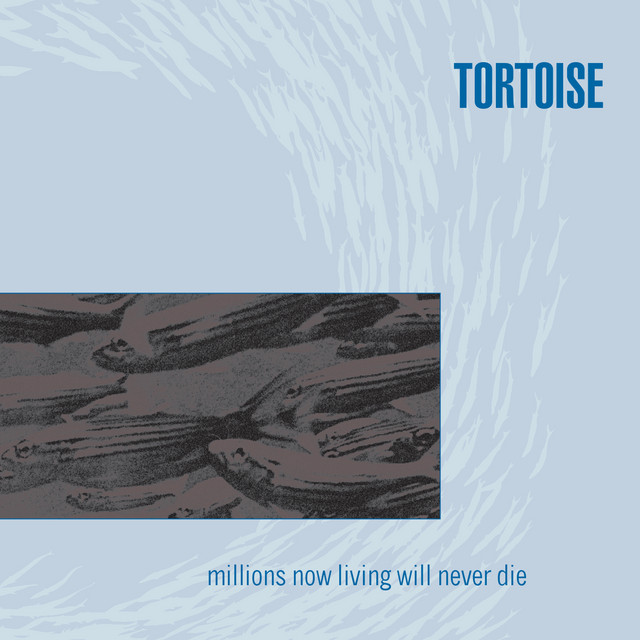
4. Millions Now Living Will Never Die
Tortoise’s 1996 record was a revelation, blending jazz, dub, krautrock, and post-rock into something entirely new. It moved with a serene, almost academic precision, yet never felt sterile. This was instrumental music as intelligent conversation, a record that demanded active listening and rewarded it with layers of rhythmic complexity and unexpected warmth. It still sounds impossibly fresh.
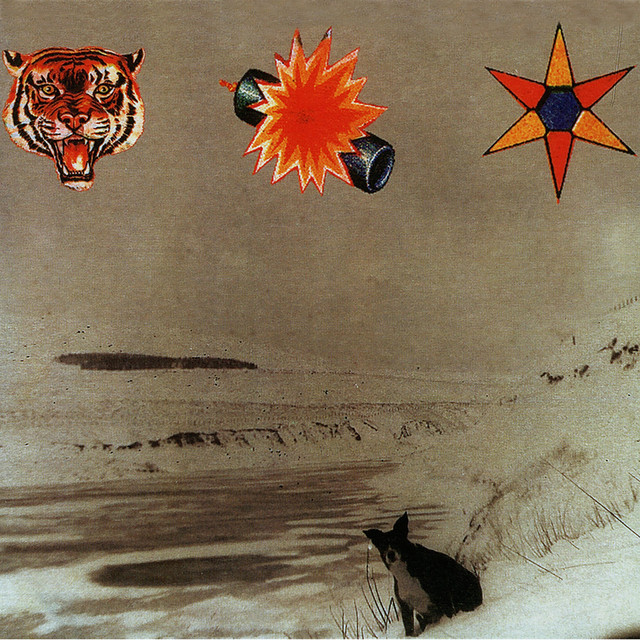
5. The Three E.P.'s
The Beta Band’s 1998 collection felt like stumbling upon a lost tribe’s psychedelic folk-tronica ritual. Quirky, shambolic, and utterly charming, these EPs defied easy categorization, weaving together acoustic warmth with electronic textures and unexpected samples. It was an invitation into a world where anything was possible, a beautiful mess that proved brilliance didn't need polish to shine brightly.
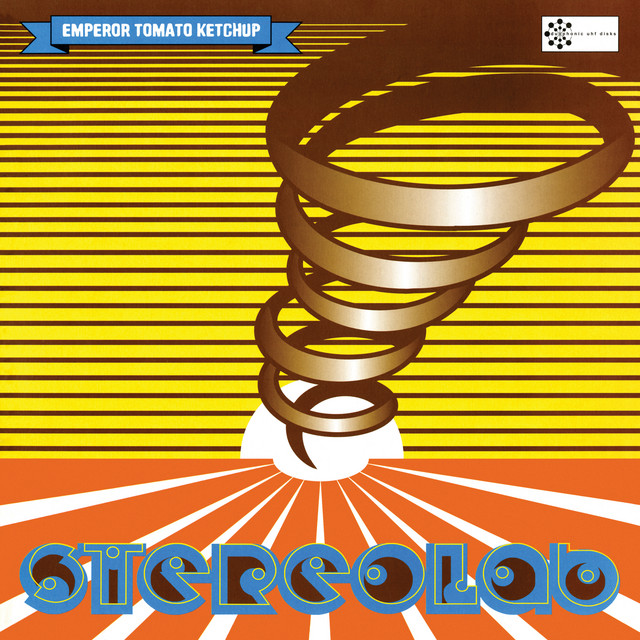
6. Emperor Tomato Ketchup (Expanded Edition)
Stereolab’s 1996 album was a sophisticated collision of motorik rhythms, French pop melodies, and avant-garde sensibilities. It sounded simultaneously futuristic and deeply nostalgic, a chic, cerebral take on indie rock that was both intellectually stimulating and undeniably cool. The expanded edition just deepened the dive into their meticulously crafted, analogue-warm universe, cementing its cult status.
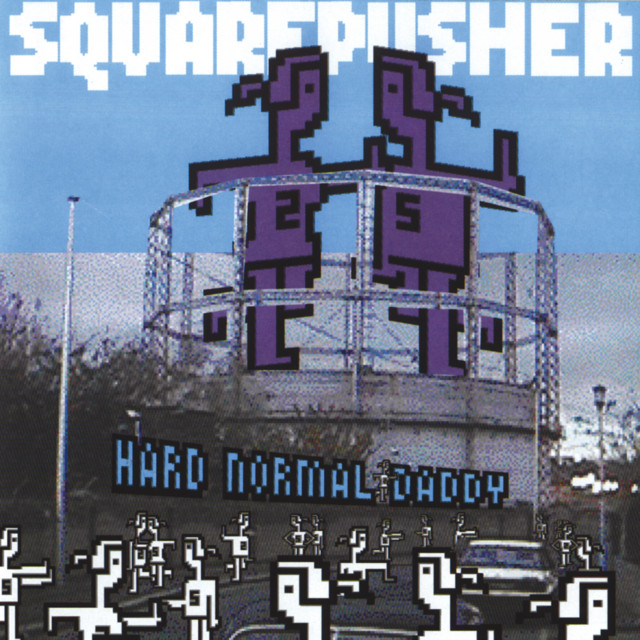
7. Hard Normal Daddy
Squarepusher’s 1997 full-length was a mind-bending assault of breakneck drum and bass infused with jazz fusion virtuosity. It was chaotic, exhilarating, and utterly unique, pushing the boundaries of electronic music into territories few dared to explore. This wasn't background noise; it was an intense, demanding listen that proved IDM could be both insanely complex and viscerally thrilling, a true digital adrenaline shot.
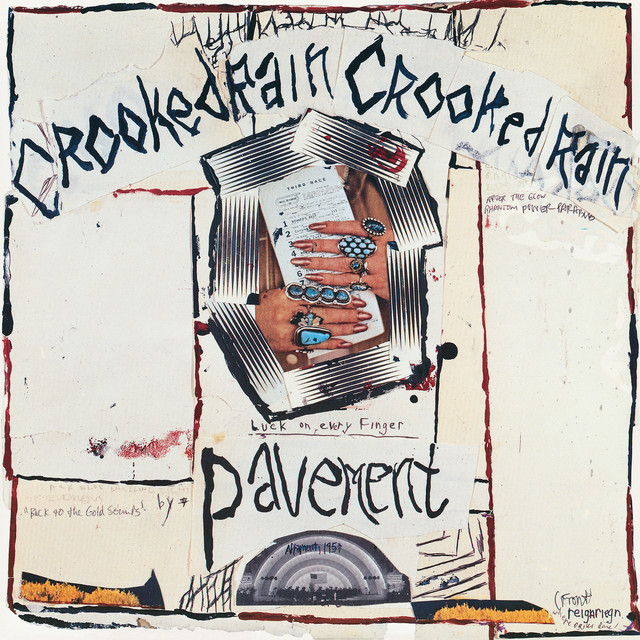
8. Crooked Rain, Crooked Rain
Pavement’s 1994 album was the ultimate antidote to grunge's earnestness. It championed slacker charm, witty lyricism, and perfectly imperfect guitar melodies that felt both casual and profoundly intelligent. This wasn't about polished production; it was about attitude and clever songwriting, defining a particular strain of indie rock that valued quirks and smarts over mainstream appeal. A timeless classic.
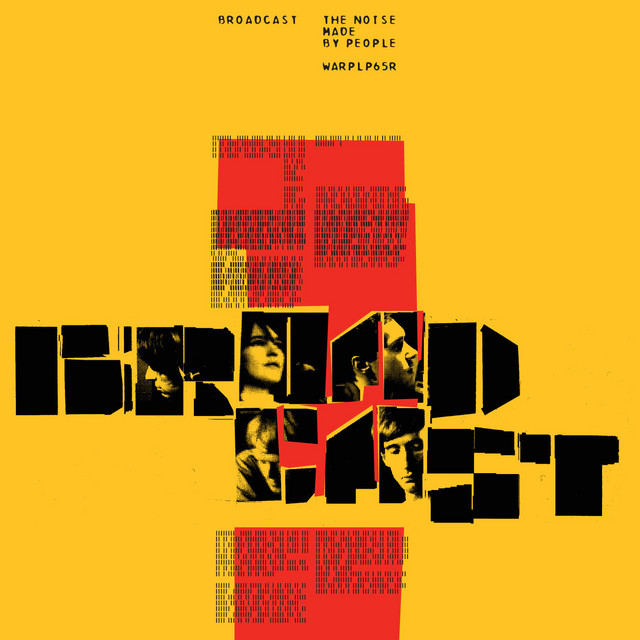
9. The Noise Made By People
Broadcast’s 2000 debut felt like a transmission from a parallel universe, where 60s psych-pop met analogue electronics. Trish Keenan’s ethereal vocals drifted over meticulously crafted, retro-futuristic soundscapes, creating something both melancholic and utterly captivating. It was a masterclass in atmosphere and understated brilliance, a record that felt old and new at the same time, defining the sound of a new millennium.