

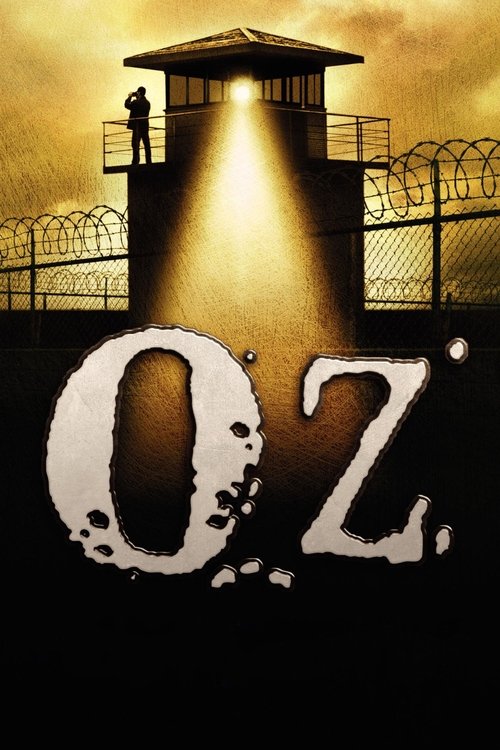
1. Oz
Before 'prestige TV' was even a buzzword, Oz hit HBO like a brick. This wasn't your network procedural; it was raw, unapologetically brutal, and fully serialized. Every character, from the correctional officers to the inmates, was part of a sprawling, morally ambiguous tapestry. It proved that audiences could handle complex, long-form storytelling, pushing boundaries for what cable drama could be. Essential viewing for understanding where TV was headed.
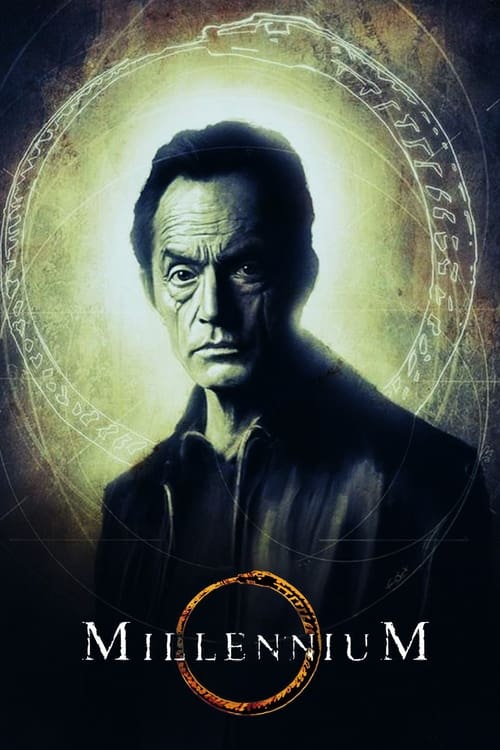
2. Millennium
Chris Carter's follow-up to The X-Files went to some seriously dark places. Frank Black wasn't chasing aliens, but the absolute worst of humanity. This show leaned into a heavy, atmospheric dread, making every case feel like a descent into the psychological abyss. It pushed cinematic visuals and serialized character arcs, proving that network TV could still deliver intense, thought-provoking drama, even if it was a bit too much for mainstream audiences at the time.
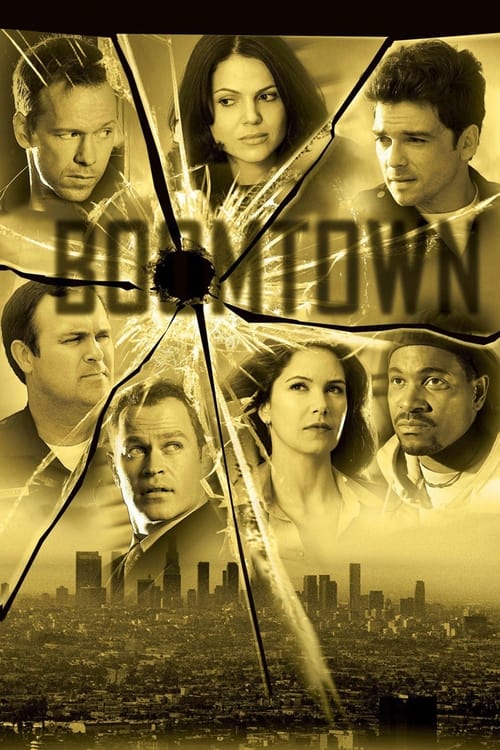
3. Boomtown
Boomtown was a masterclass in narrative structure, telling a single crime story from multiple perspectives in every episode. Each character – cop, prosecutor, victim, perp – got their piece, often overlapping and correcting previous accounts. It was ambitious, smart, and a little ahead of its time, really showing what an ensemble drama could do with non-linear storytelling. A critical darling that deserved a longer run, it showed a bold vision for procedural drama.
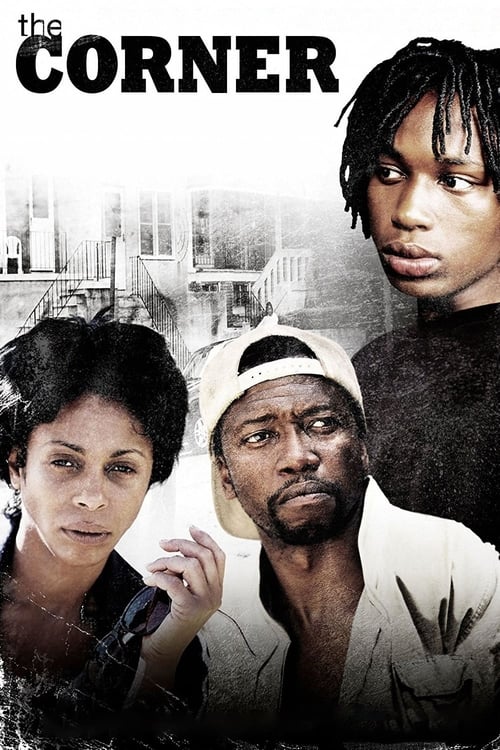
4. The Corner
David Simon and Ed Burns laid the groundwork for The Wire with this searing HBO miniseries. Based on their non-fiction book, it meticulously detailed the lives of a family struggling with addiction and poverty in West Baltimore. This was raw, unflinching, observational storytelling, blurring the lines between documentary and drama. It solidified HBO's commitment to gritty, socially conscious narratives, proving that television could explore America's ignored corners with profound impact.
5. Carnivàle
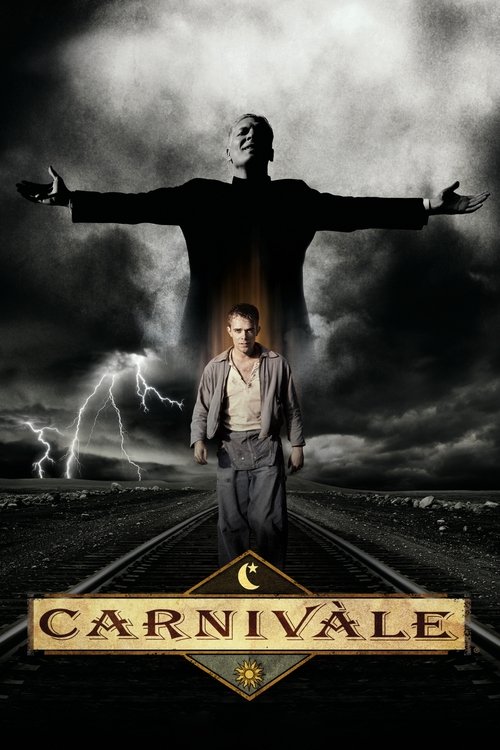
Carnivàle was HBO swinging for the fences, delivering an epic, surreal tale set during the Dust Bowl. It was a dense, mythic drama, visually stunning and steeped in esoteric lore and prophecy. This show demanded commitment from its audience, unfolding its mysteries slowly across a sprawling ensemble. It was the kind of big, bold, serialized storytelling that only premium cable could afford to take a risk on, pushing the boundaries of television as art.

6. Tanner '88
Robert Altman and Garry Trudeau's groundbreaking political satire was a mockumentary before most people even knew what that was. Chronicling a fictional presidential candidate during a real election year, it blurred the lines between scripted drama and reality, featuring actual political figures. This series was incredibly prescient, showing how media could shape perception and influence politics, laying the intellectual groundwork for shows like Veep and the very idea of 'reality' TV.
7. The Riches
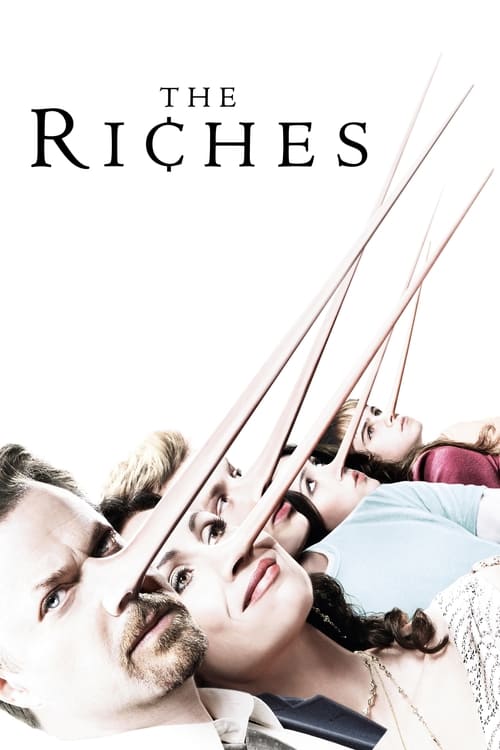
FX was really finding its voice in the late 2000s, and The Riches was a prime example of their risk-taking. Starring Eddie Izzard and Minnie Driver as con artists who assume the identity of a wealthy suburban family, it was dark, funny, and surprisingly poignant. This show played with anti-hero tropes and class commentary, proving that character-driven serialized drama could thrive on basic cable, pushing audiences to root for morally complex protagonists.
8. K Street
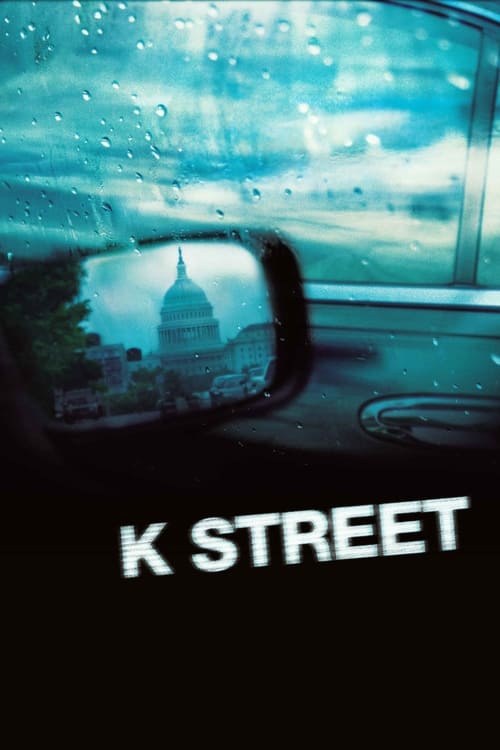
Steven Soderbergh and George Clooney's experimental HBO series was a wild ride. Shot just weeks before airing, it blended fictional characters with real-life D.C. operatives and actual political events, often improvised. It felt like watching a live feed of political machinations, messy and immediate. This was an early, bold attempt at hyper-realistic, flexible storytelling, almost like a precursor to the fluidity of on-demand content, challenging traditional production models.
9. Rubicon
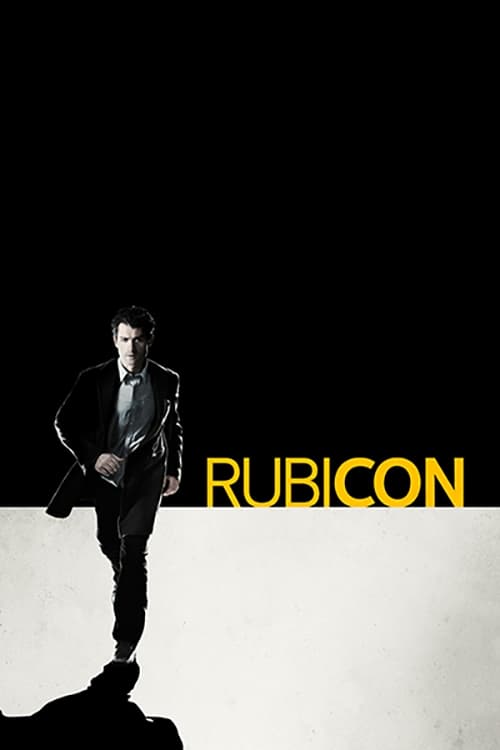
AMC, fresh off Mad Men and Breaking Bad, delivered this taut, cerebral conspiracy thriller. Rubicon was a slow burn, meticulously crafted and demanding attention to detail, focusing on a quiet intelligence analyst who uncovers a vast plot. It perfected the art of atmospheric tension and intellectual mystery, demonstrating that serialized drama could be utterly compelling without relying on explosions or car chases. A benchmark for sophisticated, nuanced storytelling.