

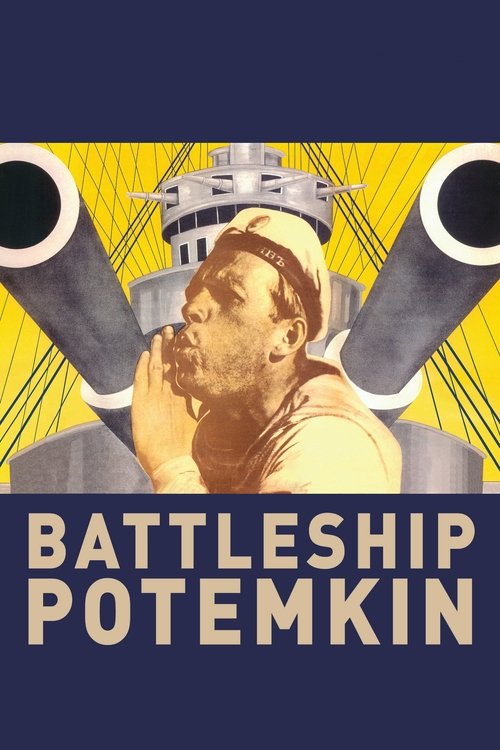
1. Battleship Potemkin
Eisenstein's 1925 masterpiece redefined cinematic language, employing montage as a revolutionary tool not just for narrative, but for ideological persuasion. Its Odessa Steps sequence remains an iconic lesson in editing, designed to incite visceral emotion and political fervor. Yet, its potent message and innovative form led to widespread censorship across nations, a testament to cinema’s early, recognized power to challenge established orders and ignite dissent, often deemed too dangerous for public consumption.
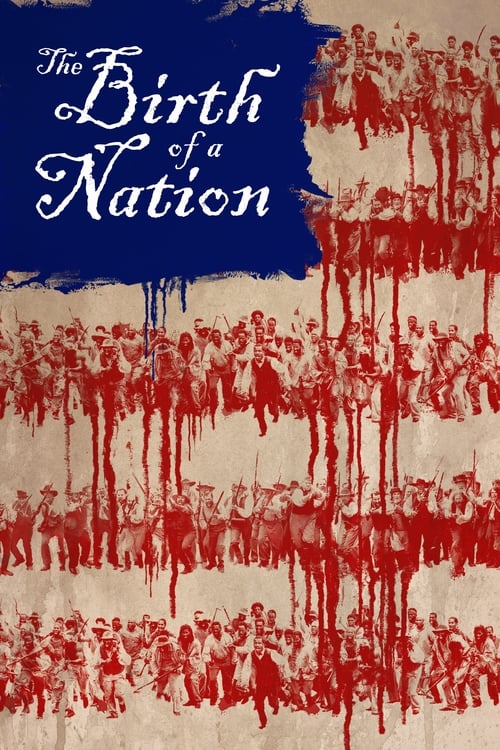
2. The Birth of a Nation
Griffith's 1915 epic, while technically groundbreaking for its narrative scale and dramatic sophistication, is inextricably linked to its virulent racism and glorification of the KKK. Its historical significance is overshadowed by its abhorrent content, which fueled racial hatred and provoked protests from its inception. This film stands as a stark reminder of how artistic innovation can be harnessed for destructive ends, forcing a confrontation with cinema’s capacity for both profound influence and deep moral failing.
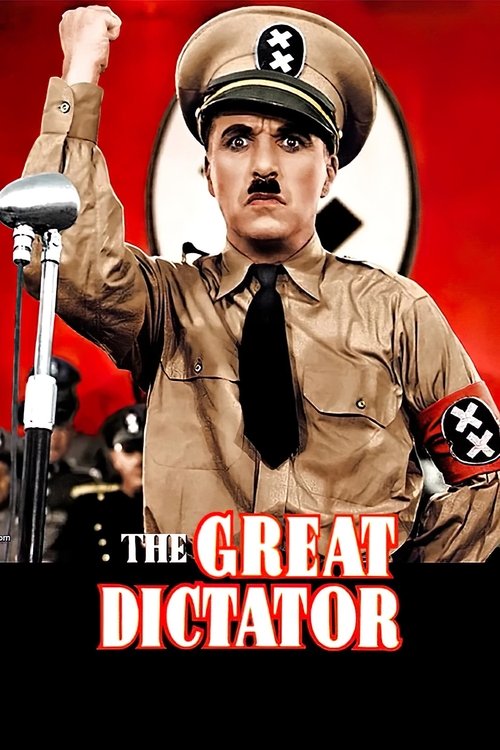
3. The Great Dictator
Charlie Chaplin’s daring 1940 satire saw the Tramp shed his silent persona to directly confront Hitler and fascism. Filmed while the US was still officially neutral, it was a profound personal and artistic risk, a comedic yet deeply humanist plea against tyranny. Chaplin, the auteur, leveraged his global fame to deliver an impassioned speech for democracy, proving that even in the darkest hours, cinema could be a powerful, unequivocal voice for conscience.
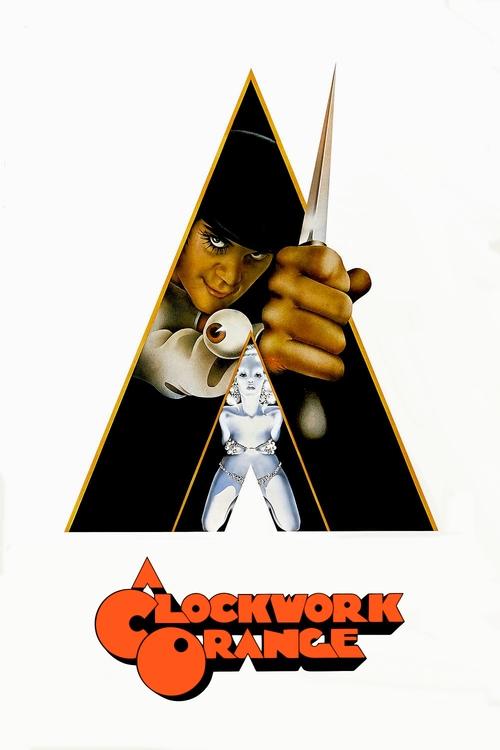
4. A Clockwork Orange
Kubrick’s 1971 dystopian vision, a chilling exploration of free will versus state control, provoked moral panic and calls for censorship upon its release. Its depiction of extreme violence and its ambiguous stance on rehabilitation versus individual liberty challenged audiences and authorities alike. Kubrick himself famously withdrew the film from British distribution due to threats against his family, a rare act underscoring the intense societal reflection and controversy his uncompromising auteurial vision often ignited.
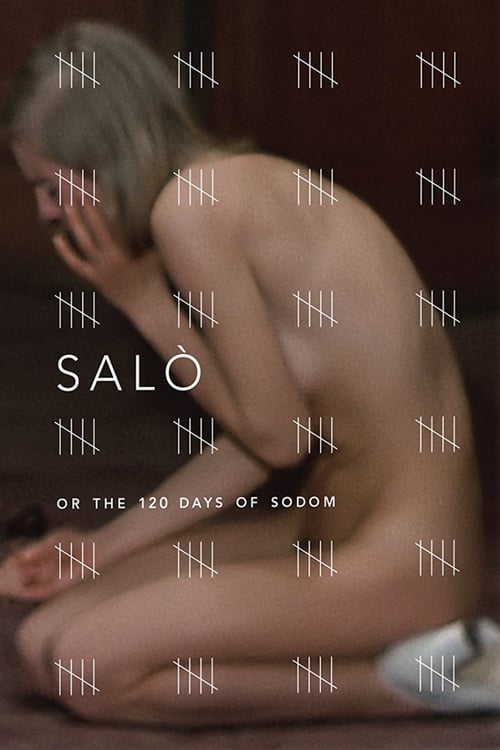
5. Salò, or the 120 Days of Sodom
Pasolini’s final, profoundly disturbing 1975 film is a brutal allegory of power and corruption, translating Sade’s novel into a critique of fascist Italy. Its unflinching depiction of extreme degradation pushed the boundaries of cinematic representation, resulting in bans and seizures worldwide. Pasolini, ever the provocateur, crafted a work intended to shock and disgust, forcing viewers to confront the darkest aspects of humanity and political oppression through visceral, unforgettable imagery.
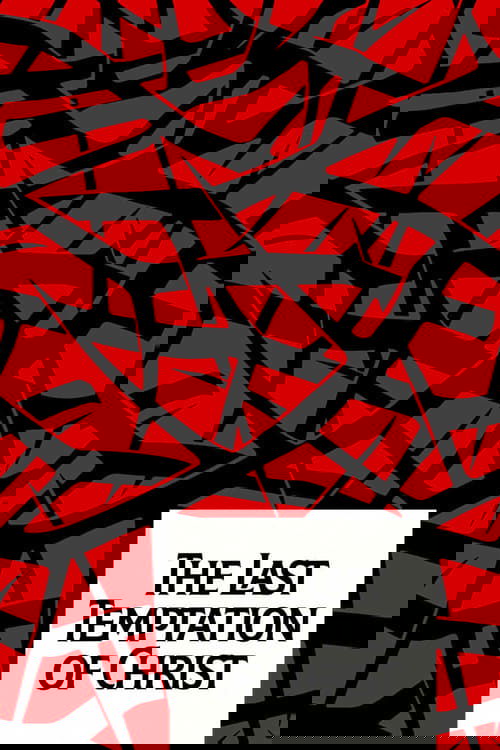
6. The Last Temptation of Christ
Scorsese’s 1988 adaptation, portraying Jesus as a man grappling with human doubts and temptations, ignited a firestorm of religious protest and accusations of blasphemy. Despite its thoughtful theological exploration, conservative groups condemned it, leading to boycotts, bomb threats, and even theatrical attacks. This controversy highlighted the enduring tension between artistic interpretation of sacred texts and deeply held societal beliefs, challenging the limits of creative license within a pluralistic society.
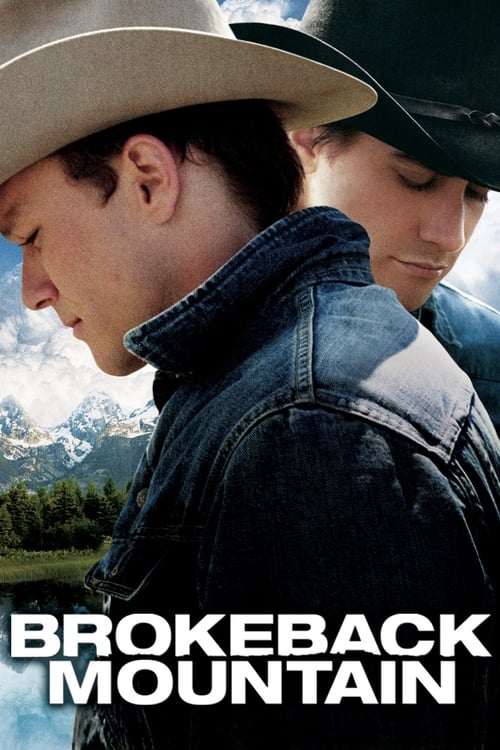
7. Brokeback Mountain
Ang Lee's 2005 poignant drama, chronicling a decades-long secret romance between two cowboys, broke significant ground for LGBTQ+ representation in mainstream cinema. Its sensitive, yet unflinching, portrayal of love against societal prejudice challenged entrenched norms and sparked both acclaim and heated debate. The film’s success demonstrated cinema’s capacity to humanize marginalized experiences, fostering empathy and pushing cultural conversations forward, despite initial resistance in some conservative circles.
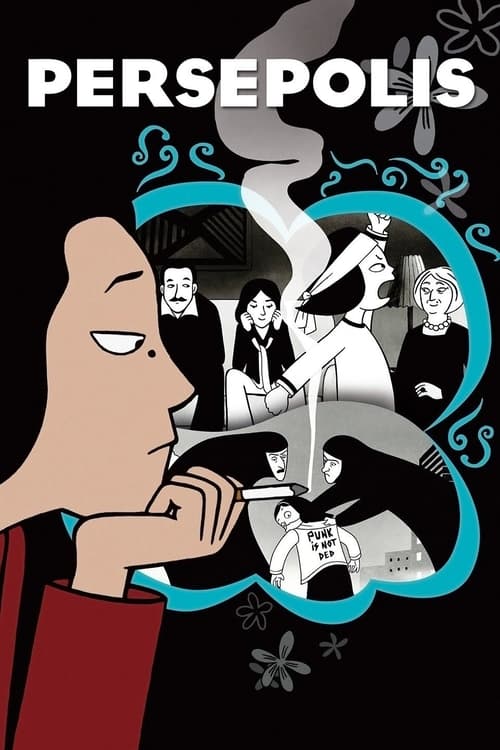
8. Persepolis
Marjane Satrapi’s 2007 animated adaptation of her graphic memoir offered a uniquely personal perspective on the Iranian Revolution and its aftermath. Its distinctive black-and-white animation style lends a stark intimacy to themes of political oppression, cultural identity, and coming-of-age amidst turmoil. While widely acclaimed, the film faced challenges in some regions, including bans and protests, reflecting the power of individual narratives to confront sensitive historical and political realities on a global stage.