
1 / 10

1. Pong (1972)
Pong wasn't just a game; it was a societal experiment. Before its arrival, interacting with a screen meant watching television. Then, suddenly, you were *playing* with it. This minimalist table tennis simulation, with its bleeps and bloops, introduced the very concept of digital interaction to the masses, laying the groundwork for entire industries. And so, it fundamentally shifted our understanding of what a screen could *do*.
2 / 10
2. Space Invaders (1978)
Space Invaders propelled video games from novelty to obsession. This wasn't merely about winning; it was about survival, about pushing your high score just a little higher than the last person. Arcades became social hubs, and its relentless, descending aliens fostered a shared sense of urgency and competition. It also introduced the concept of digital addiction, transforming leisure time and public spaces forever.
3 / 10
3. Pac-Man
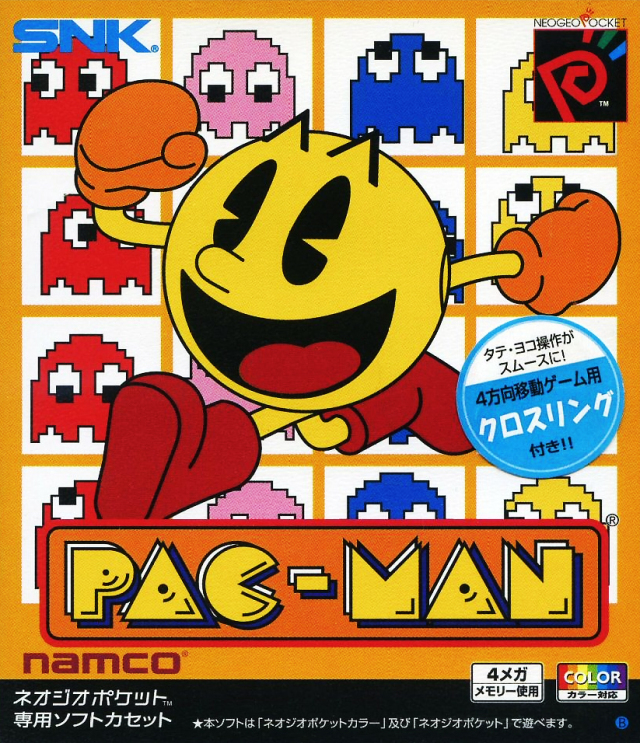
Pac-Man showed that games didn't need to be about shooting. Its iconic, hungry hero became one of the first digital mascots, transcending the arcade to become a pop culture sensation. The game's intuitive maze-chasing, coupled with its charming ghosts, broadened gaming's appeal beyond a niche audience. Moreover, it proved that intellectual property from a video game could drive massive merchandising, pioneering a new revenue stream.
4 / 10
4. Super Mario Bros.
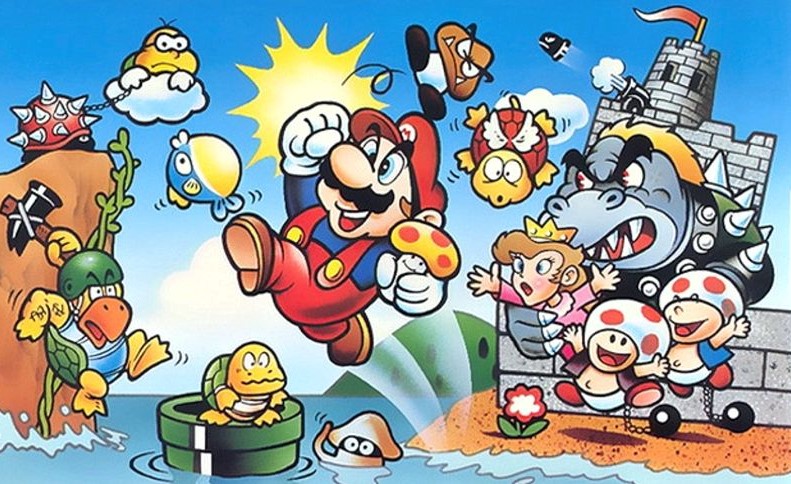
Super Mario Bros. didn't just save the flagging video game industry; it redefined home entertainment. Its ingenious level design and precise controls established the blueprint for platformers, demanding skill and exploration. Mario himself became a global icon, solidifying Nintendo's place and proving that intricate, character-driven adventures could thrive on consoles. It convinced millions that a video game system belonged in every living room.
5 / 10
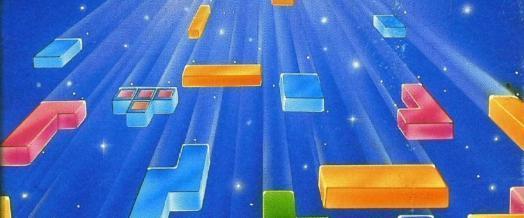
5. Tetris (1984)
Tetris, a deceptively simple puzzle game from the Soviet Union, became a global phenomenon, primarily thanks to its inclusion with the Game Boy. Its endlessly falling blocks and immediate gratification proved that games didn't need elaborate narratives or graphics to be profoundly addictive. It championed abstract design, demonstrating universal appeal and pioneering mobile gaming's potential long before smartphones existed.
6 / 10
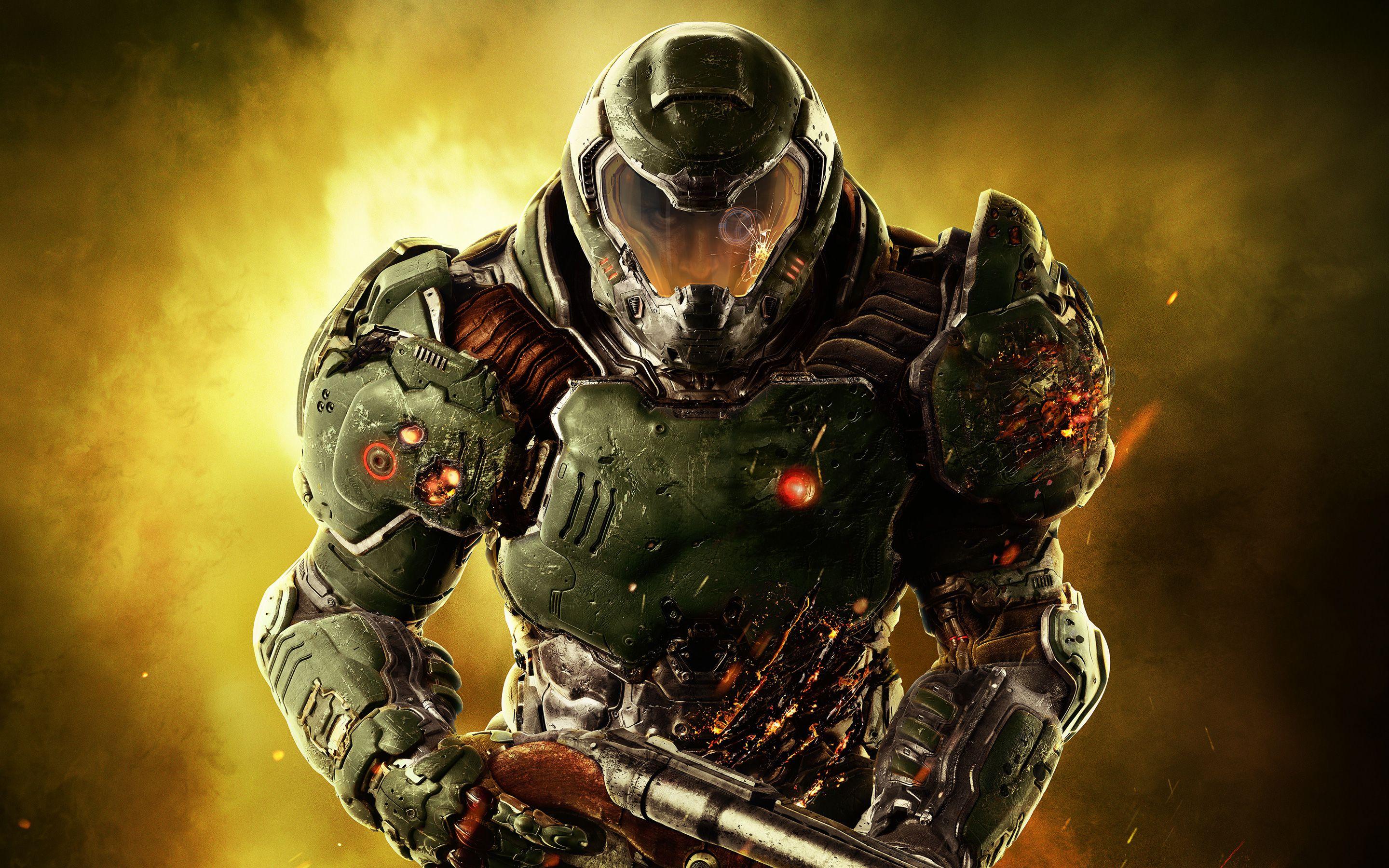
6. DOOM (2016)
While the original DOOM defined the FPS, its 2016 revival demonstrated how to expertly modernize a classic for a new generation. It championed aggressive, fast-paced combat over cover-based shooting, influencing subsequent action titles. Furthermore, its unapologetic embrace of heavy metal aesthetics and visceral gameplay proved that single-player, linear experiences could still captivate in an open-world, multiplayer-dominated landscape.
7 / 10
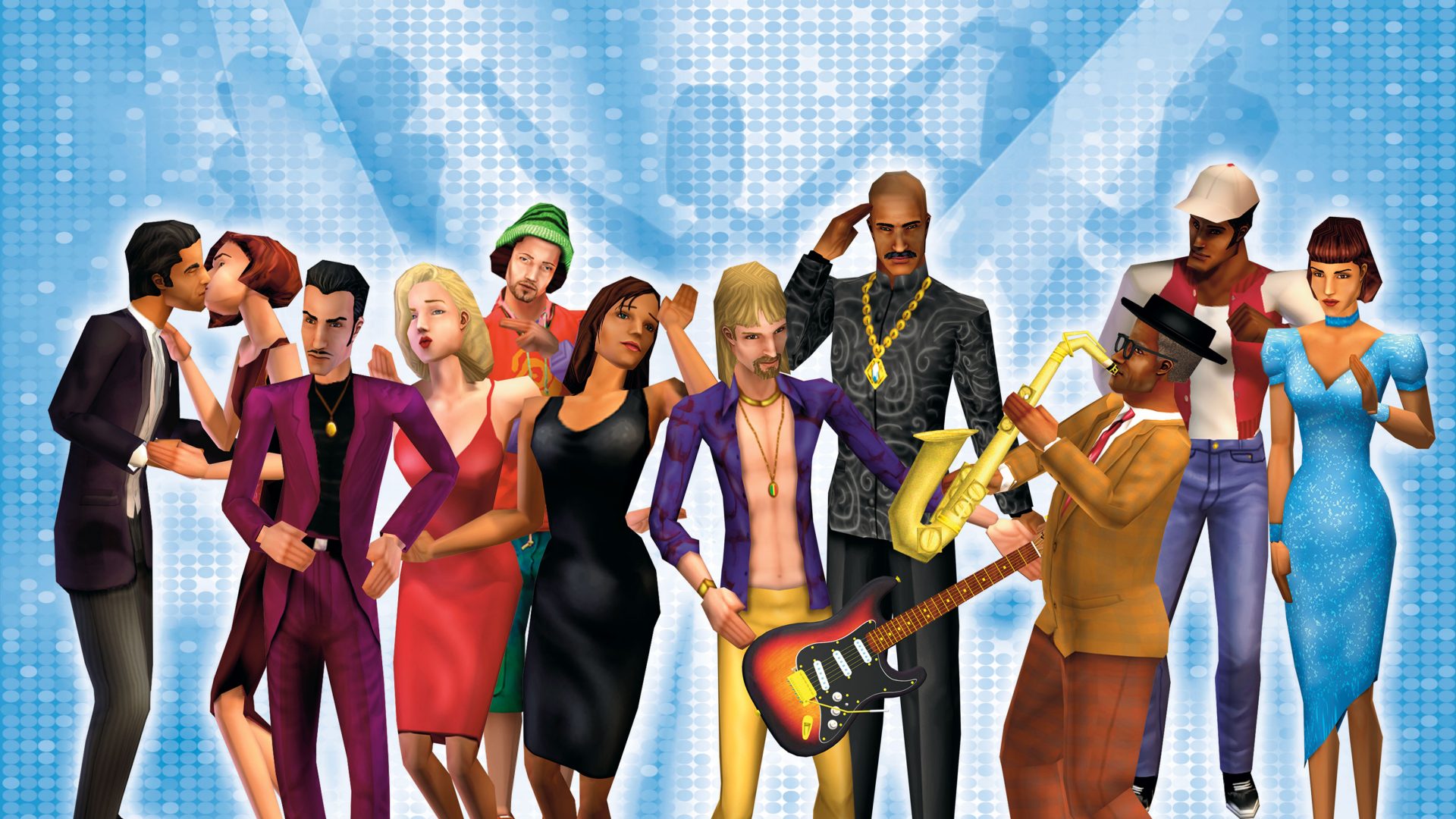
7. The Sims
The Sims offered a digital dollhouse, but it became a canvas for creativity and social commentary. Players weren't just following rules; they were building lives, telling stories, and exploring identity in a virtual space. It validated simulation as a dominant genre and pioneered user-generated content long before "modding" was commonplace, fostering communities around shared digital narratives and architectural ambitions.
8 / 10
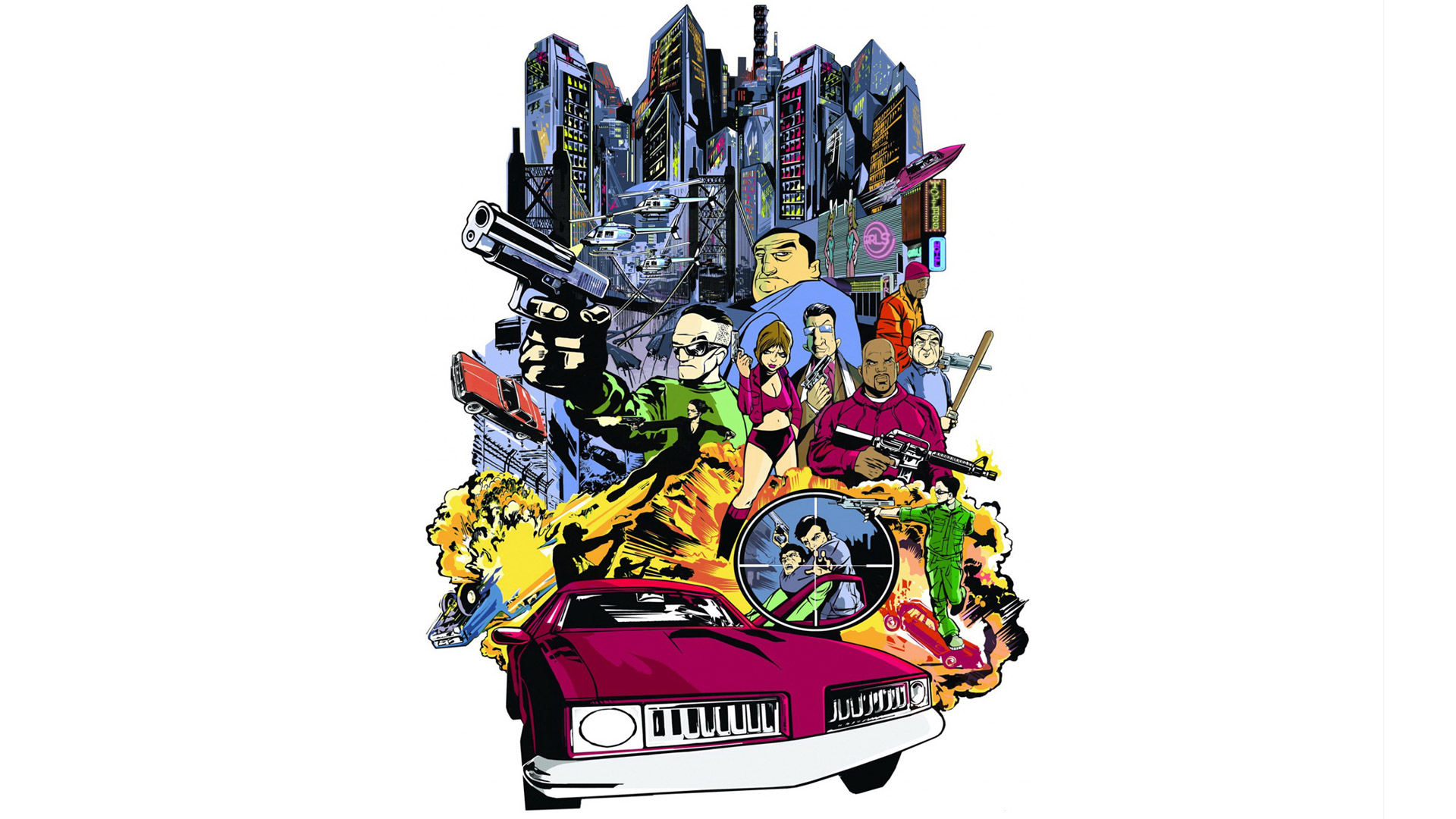
8. Grand Theft Auto III
Grand Theft Auto III blew the doors off what an open-world game could be. Its fully realized 3D city, emergent gameplay, and mature, often controversial themes pushed boundaries. It offered unparalleled freedom, letting players shape their own criminal narratives within a dynamic, living world. This title profoundly influenced game design, proving that player agency and sandbox exploration could drive massive commercial success.
9 / 10
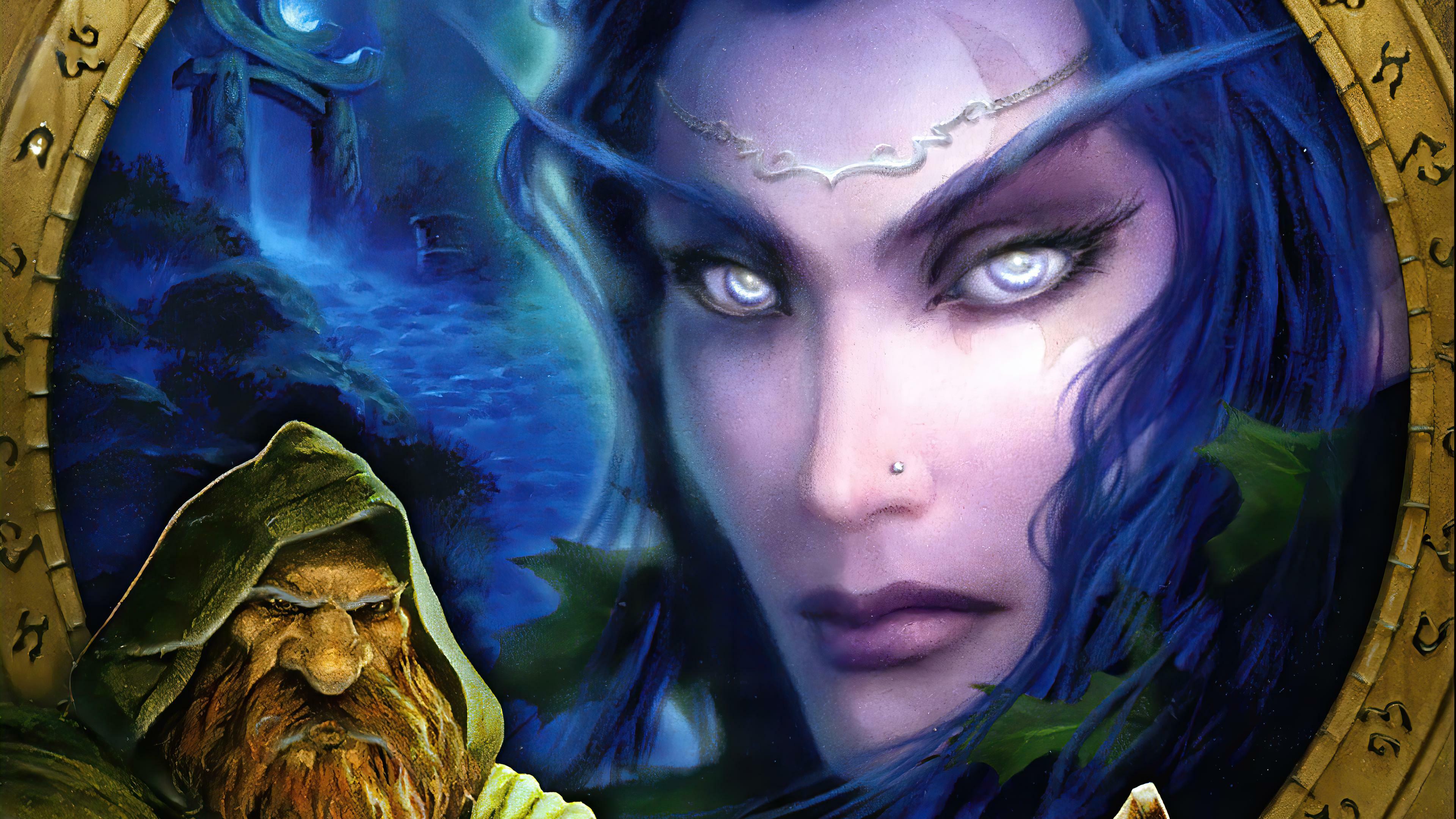
9. World of Warcraft
World of Warcraft wasn't just a game; it was a second life for millions. It perfected the MMORPG formula, creating persistent virtual societies with their own economies, politics, and social structures. The game proved the viability of subscription models and fostered unprecedented levels of online community, blurring the lines between real and digital relationships. It redefined what "online social interaction" truly meant.
10 / 10
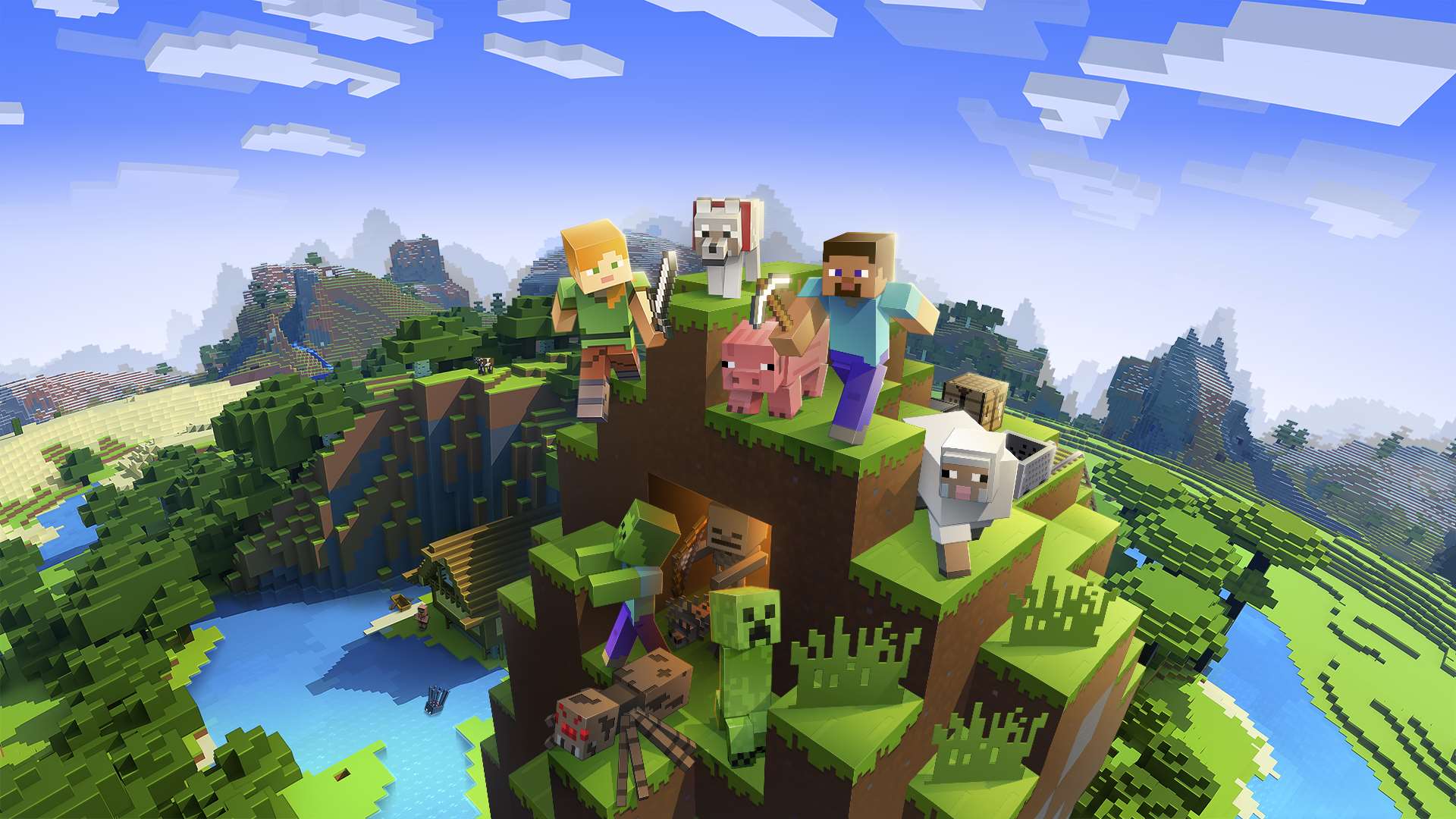
10. Minecraft
Minecraft democratized game creation, turning every player into a digital architect. Its block-based, open-ended sandbox allowed for unparalleled creativity, from simple shelters to elaborate virtual worlds. It demonstrated the power of emergent gameplay and user-driven content, becoming a cultural touchstone that spanned generations. And so, it fundamentally reshaped our understanding of digital play, learning, and collaborative building.