
1. Northern Exposure
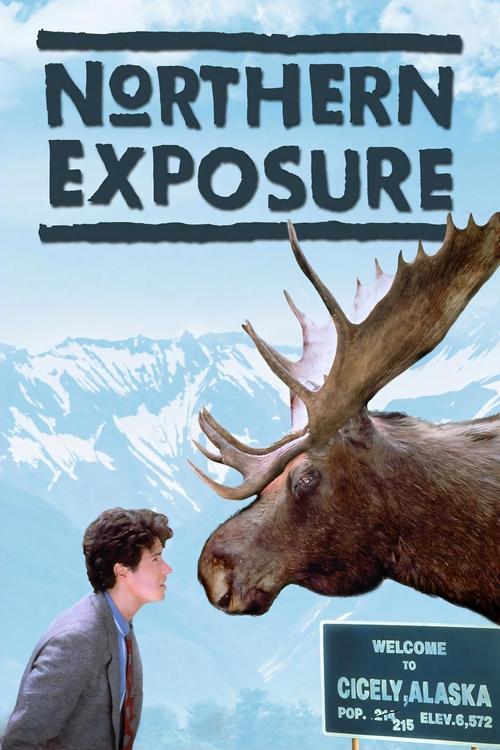
Before everyone started talking about "character studies," there was Cicely, Alaska. This show, right from 1990, proved you could take a small-town premise, fill it with offbeat characters, and trust the audience to follow deep, often philosophical, conversations. It was smart, funny, and cinematic, paving the way for network shows to aim higher than just procedural beats. A true pioneer in smart, ensemble drama.
2. Profit
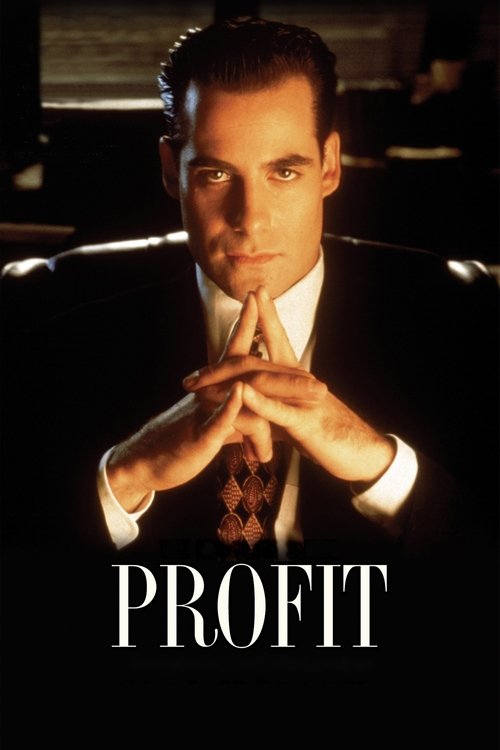
FOX took a swing in '96 with *Profit*, and man, did it connect. This was a proto-anti-hero story, years before anyone uttered "Don Draper." Jim Profit was a ruthless corporate climber, and the show didn't flinch from his amorality. It was stark, cynical, and utterly compelling, pushing boundaries for network TV in its bleak, serialized portrayal of corporate evil. Too dark for its time, maybe, but a true trailblazer.
3. Millennium
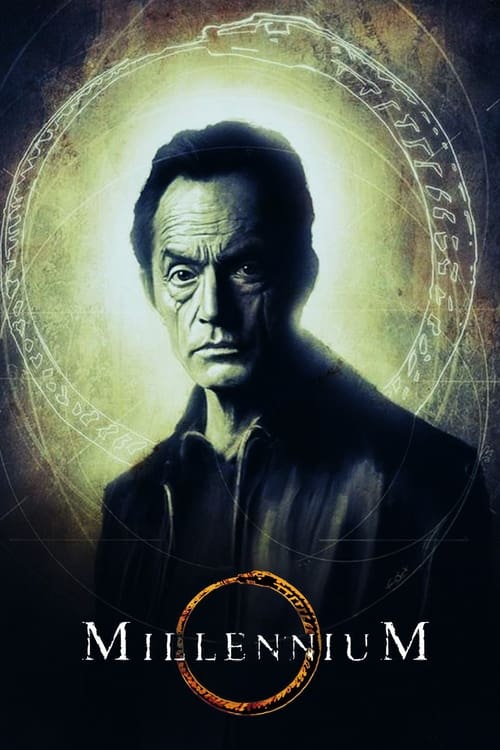
Coming off *The X-Files*, Chris Carter went even darker with *Millennium* in '96. This wasn't just monsters of the week; it was a deep dive into the psychology of evil, wrapping its serialized mysteries in a thick layer of existential dread. It felt like cable, even though it was on Fox, pushing the envelope for network drama with its unflinching look at human darkness and complex, often unsettling, themes.

4. From the Earth to the Moon
HBO really cemented its "it's not TV, it's HBO" mantra with *From the Earth to the Moon* in '98. This wasn't just a docudrama; it was a sprawling, cinematic event, telling the Apollo story with incredible detail and a massive ensemble cast. It showed what a premium cable channel could achieve with a big budget and serious intent, blending historical accuracy with compelling character arcs across its limited run.

5. Get Real
Before *The Office* or *Modern Family*, there was *Get Real* in '99, quietly experimenting with the mockumentary style for a family drama. It followed the Green family, directly addressing the camera, offering a surprisingly intimate and often uncomfortable look at teenage angst and parental struggles. It wasn't perfect, but it dared to break the fourth wall on network TV in a dramatic context, a real stylistic risk for its era.
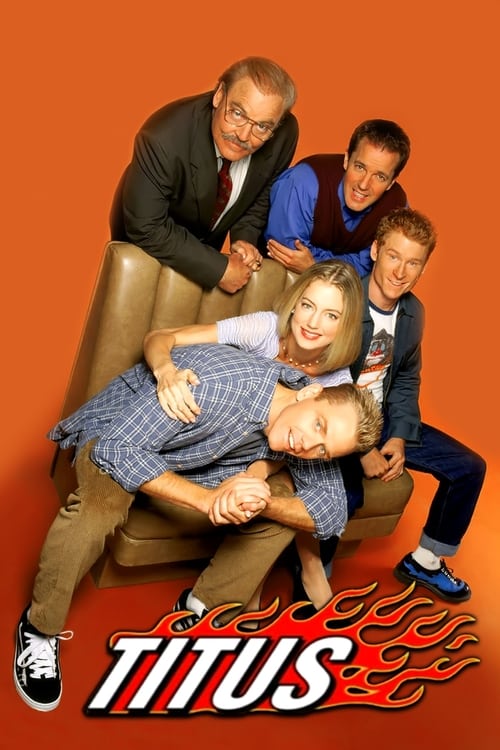
6. Titus
*Titus* in 2000 was a shock to the system for network sitcoms. Chris Titus took his stand-up, his dysfunctional family, and his dark, self-deprecating humor and put it all on screen. This wasn't your typical laugh-track comedy; it dealt with abuse, mental illness, and grim realities with a raw honesty that felt revolutionary. It showed that "comedy" could be deeply uncomfortable, personal, and still resonate.
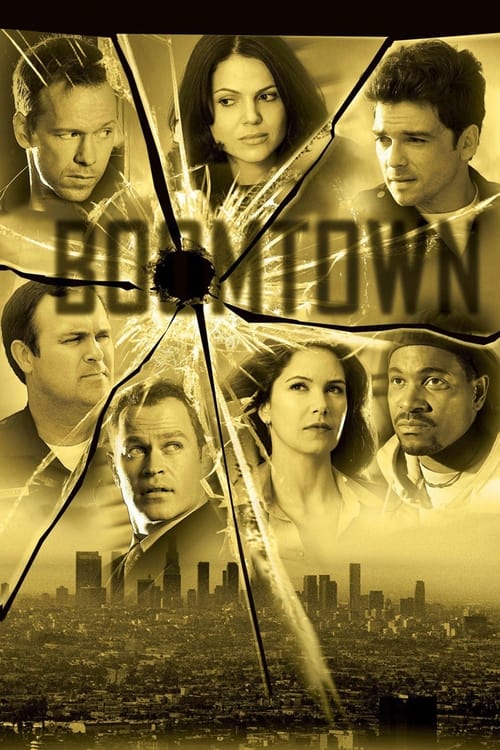
7. Boomtown
*Boomtown* in 2002 was a masterclass in non-linear storytelling for network TV. Each episode showed a crime from multiple perspectives – cops, victims, perpetrators – scrambling the timeline and revealing layers of truth. It was a procedural, sure, but with a serialized depth and a cinematic ambition that felt far beyond its time, pushing viewers to actively participate in piecing together the narrative puzzle.

8. Treme
David Simon's *Treme* (2010) was a slow-burn marvel, picking up where *The Wire* left off in terms of intricate world-building. Set in post-Katrina New Orleans, it was a sprawling ensemble piece, less about plot and more about atmosphere, culture, and the resilience of a community. It demanded patience, rewarding viewers with a deeply authentic, serialized experience that felt more like a novel than typical television.