
1. Blood Simple
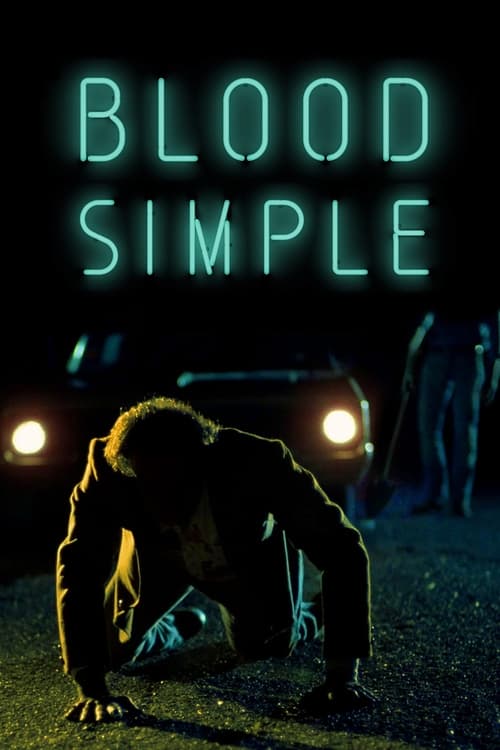
The Coen Brothers burst onto the scene with *Blood Simple (1985)*, a masterclass in neo-noir tension. This film is a relentless spiral of miscommunication and betrayal, drenched in Texas humidity and a palpable sense of dread. It’s a debut that perfectly encapsulates their signature style: darkly funny, meticulously crafted, and utterly ruthless. You see the raw genius that would define their careers, even in its earliest, grittiest form. It’s a vital piece of cinematic history, often overshadowed by their later blockbusters.
2. The Friends of Eddie Coyle
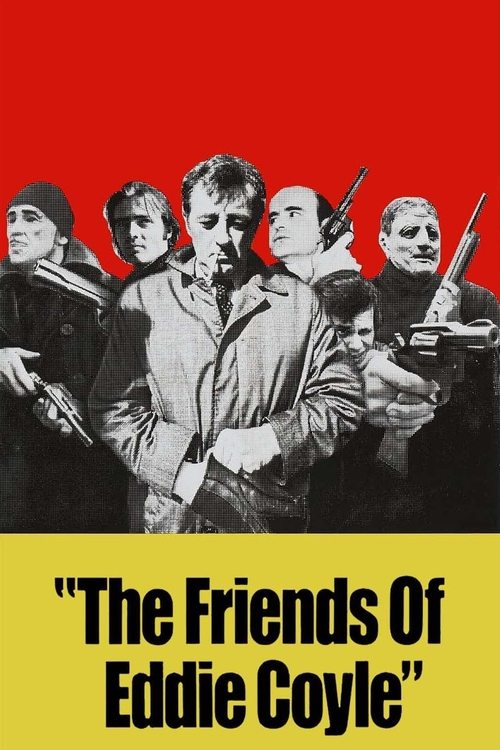
*The Friends of Eddie Coyle (1973)* offers a bleak, unvarnished look at the small-time criminal underworld of Boston. Robert Mitchum delivers a career-defining performance as Eddie, a weary, aging gunrunner facing an impossible choice. There's no glamour here, just the cold, hard reality of loyalty and betrayal in a system that chews people up. It’s a masterclass in understated tension and character study, a true gem of 70s American cinema that feels remarkably authentic and chillingly relevant.
3. Seconds
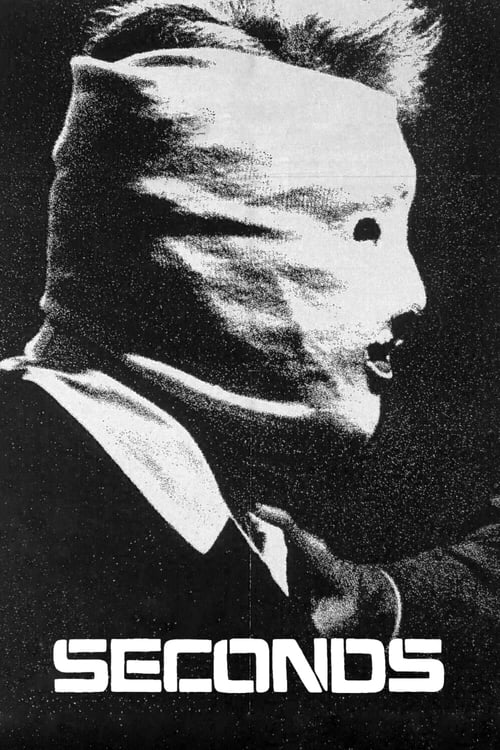
John Frankenheimer's *Seconds (1966)* is a truly unsettling, existential nightmare wrapped in a sci-fi thriller. Rock Hudson, in a brave departure from his usual roles, plays a man who fakes his death to undergo a radical procedure for a new life. But the promise of reinvention quickly curdles into a claustrophobic, paranoid descent. Its stark black and white cinematography and disorienting camera work create an atmosphere of profound unease, challenging notions of identity, freedom, and the price of escape.
4. Bring Me the Head of Alfredo Garcia
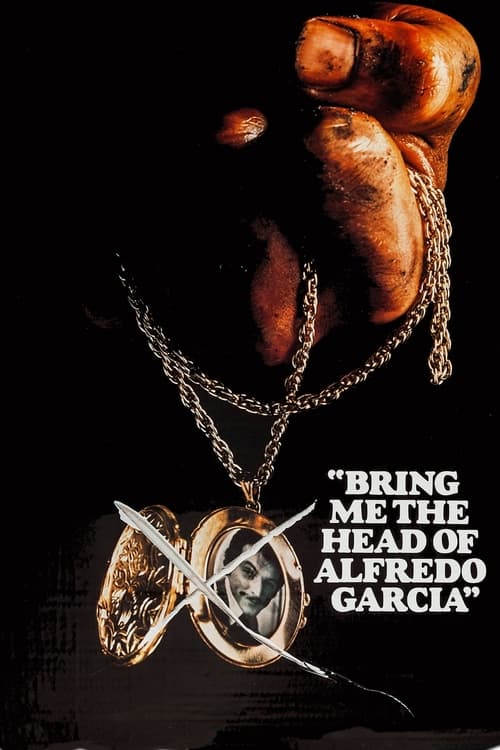
Sam Peckinpah's *Bring Me the Head of Alfredo Garcia (1974)* is a brutal, sun-baked journey into the heart of nihilism. Warren Oates' Bennie is a piano player driven by desperation and a twisted sense of loyalty, embarking on a grim quest for a severed head. This film is pure Peckinpah: visceral, uncompromising violence, morally ambiguous characters, and a landscape as unforgiving as the human soul. It's a raw, ugly masterpiece that pulls no punches, leaving a lasting, unsettling impression.
5. After Hours
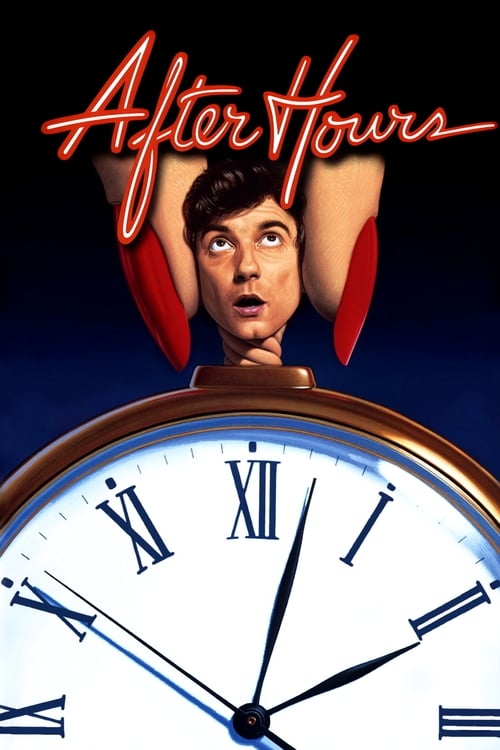
Martin Scorsese’s *After Hours (1985)* is a wonderfully bizarre, anxiety-inducing dark comedy that traps its protagonist, Paul Hackett, in a single nightmarish odyssey through downtown SoHo. What starts as a simple date turns into a surreal, escalating series of unfortunate events and increasingly eccentric characters. It’s a hilarious, yet deeply unsettling, examination of urban paranoia and feeling completely out of your depth. Scorsese proves his versatility, crafting a cult classic that stands apart from his gangster epics.
6. Klute
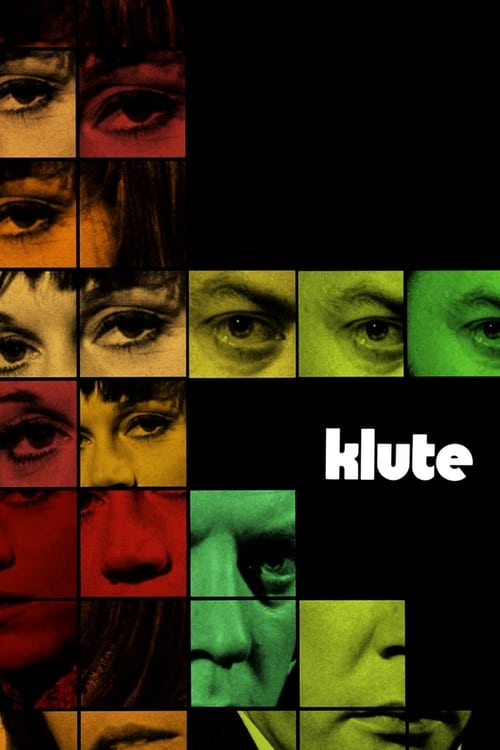
Alan J. Pakula's *Klute (1971)* is a taut, atmospheric neo-noir that earned Jane Fonda a well-deserved Oscar. She plays Bree Daniels, a call girl caught in a web of murder and surveillance, bringing incredible depth to a character often reduced to a stereotype. Donald Sutherland is perfectly understated as the detective trying to protect her. The film masterfully builds suspense, exploring themes of identity, voyeurism, and the predatory nature of urban life, cementing its place as a classic of the paranoia thrillers.
7. Thieves' Highway
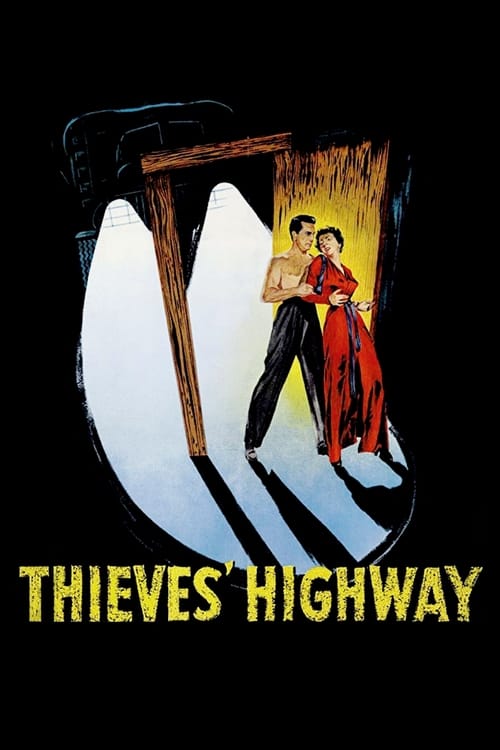
Jules Dassin's *Thieves' Highway (1949)* is a lean, mean slice of film noir focusing on the cutthroat world of independent truckers. Richard Conte plays a war veteran who returns home to find his father crippled by a ruthless produce distributor. The film plunges into the gritty realities of post-war capitalism, corruption, and the desperation of men trying to make an honest living. Its raw energy and uncompromising portrayal of injustice make it a standout example of social realism within the noir genre.
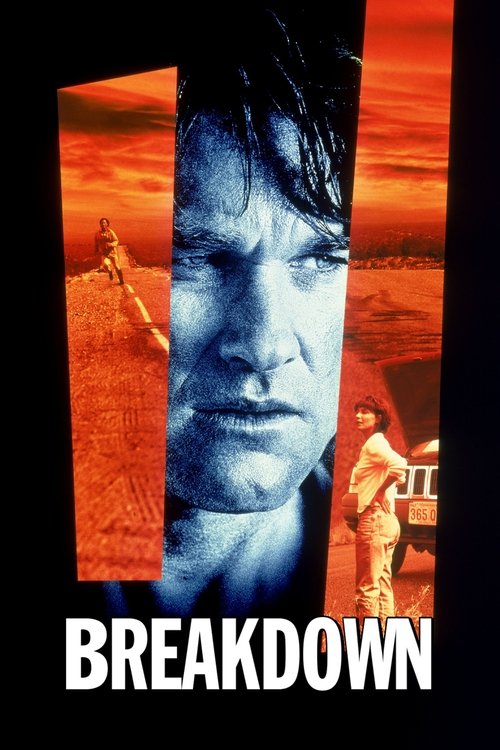
8. Breakdown
*Breakdown (1997)* is a relentless, pulse-pounding thriller that capitalizes brilliantly on a simple, terrifying premise: what if your car breaks down in the middle of nowhere and your wife vanishes? Kurt Russell delivers a fantastic performance as a man increasingly desperate and isolated, caught in a terrifying game of cat and mouse with sinister strangers. It’s a masterclass in escalating tension, expertly directed by Jonathan Mostow, proving that a well-executed B-movie can be far more effective than many big-budget blockbusters.
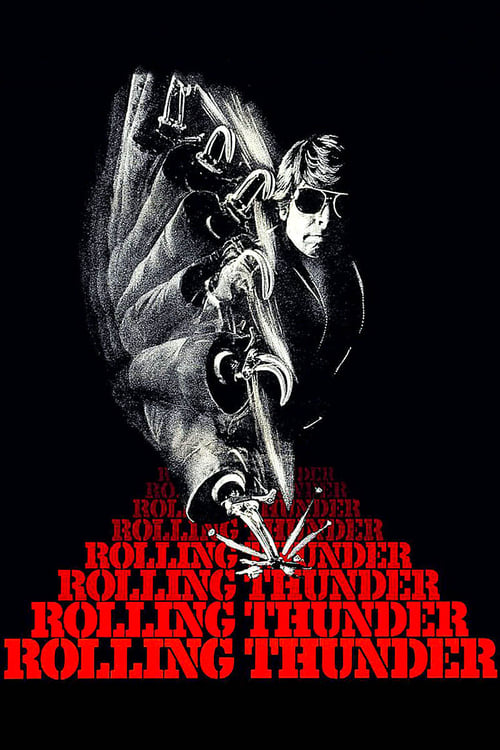
9. Rolling Thunder
*Rolling Thunder (1977)* is a brutal, unflinching revenge tale starring William Devane as Major Charles Rane, a Vietnam POW returning home to a hero's welcome that quickly sours. When tragedy strikes, Rane embarks on a cold, methodical quest for vengeance, stripped of any illusions. Co-written by Paul Schrader, the film shares a thematic kinship with *Taxi Driver*, exploring the psychological scars of war and the explosive potential of alienated masculinity. It's an intense, cult classic that resonates deeply.
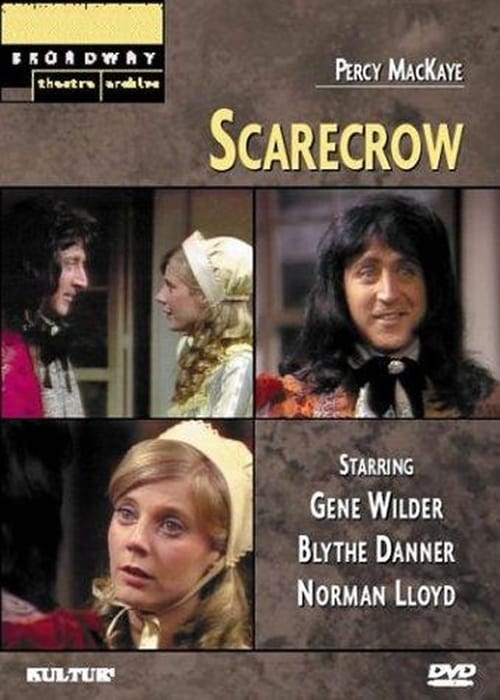
10. Scarecrow
Jerry Schatzberg's *Scarecrow (1972)* is a poignant, character-driven road movie showcasing magnificent performances from Gene Hackman and Al Pacino. They play two drifters, Max and Lion, who form an unlikely bond while hitchhiking across America, dreaming of opening a car wash. It’s a beautiful, melancholic exploration of male friendship, freedom, and the crushing weight of aspirations. The film captures a specific moment in American cinema, offering a gritty, tender, and often heartbreaking look at two men searching for purpose.
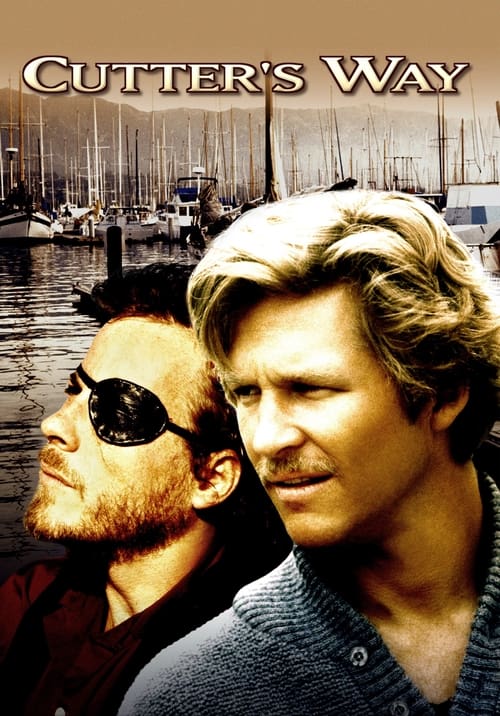
11. Cutter's Way
*Cutter's Way (1981)* is a haunting, atmospheric neo-noir that captures the disillusionment of post-Vietnam America. Jeff Bridges plays a charming but aimless yacht broker, while John Heard delivers an unforgettable performance as Cutter, a one-eyed, one-armed, perpetually drunk veteran consumed by conspiracy theories. When they stumble upon a murder, Cutter’s paranoia ignites a dangerous, obsessive quest for justice. It’s a bleak, beautifully acted film about damaged people in a damaged world, a true cult classic.