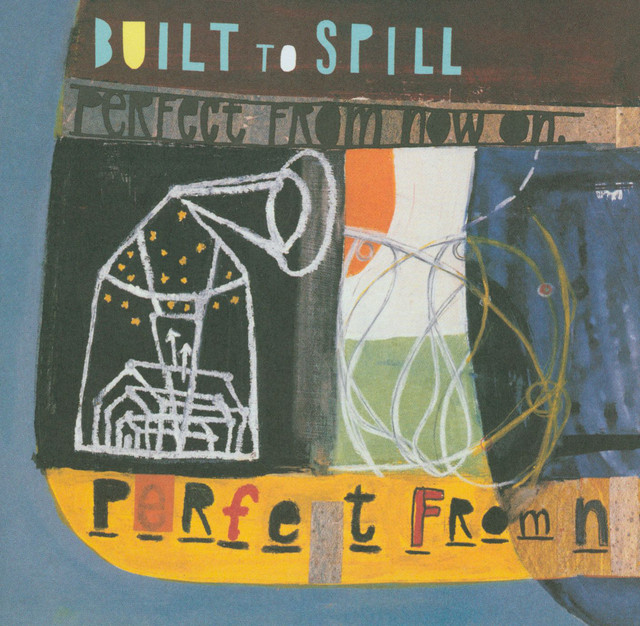
1. Perfect from Now On
This 1997 record was Built to Spill stretching out, really leaning into those sprawling guitar epics that felt tailor-made for late-night AIM chats. Doug Martsch’s voice, a kind of weary, earnest prophet, just glides over these intricate, yet somehow effortless, guitar tapestries. It’s got this incredible sense of space, like each note is given room to breathe in the nascent digital soundscapes of the era, creating an almost cinematic emotional journey.
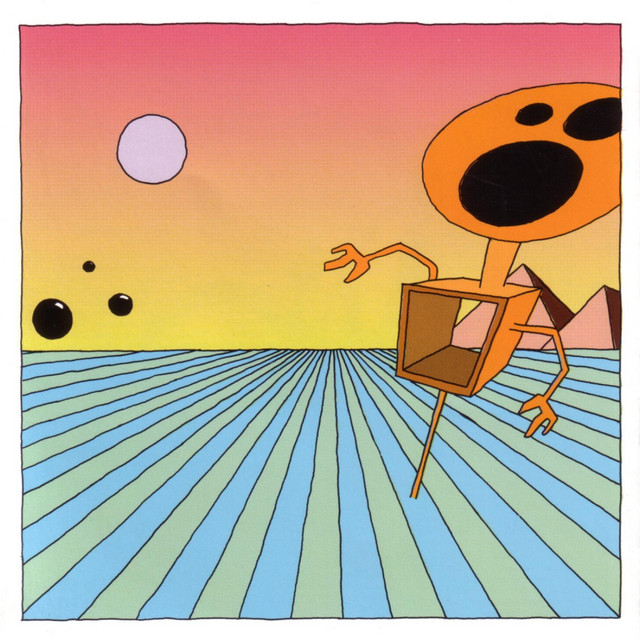
2. Emergency & I
Man, *Emergency & I* felt like the soundtrack to our collective Y2K anxiety, but in the best way. The Dismemberment Plan crafted this incredibly precise, angular indie rock that still throbbed with raw emotion. Travis Morrison’s lyrics were sharp, funny, and deeply human, exploring disconnect in an increasingly wired world. It’s got a danceable quirkiness that hides a sophisticated rhythmic backbone, a true gem of late-90s digital-age angst.

3. Leaves Turn Inside You
Unwound’s double album closer, *Leaves Turn Inside You*, felt like a raw nerve exposed. This wasn’t just post-hardcore; it was a sprawling, melancholic exploration of texture and tension. The guitars were often bleak, but those moments of delicate beauty felt earned. It arrived right as the internet was becoming *the* thing, yet it still felt intensely physical, a powerful, almost confrontational sonic experience that demands your full attention. Pure, unadulterated angst and artistry.
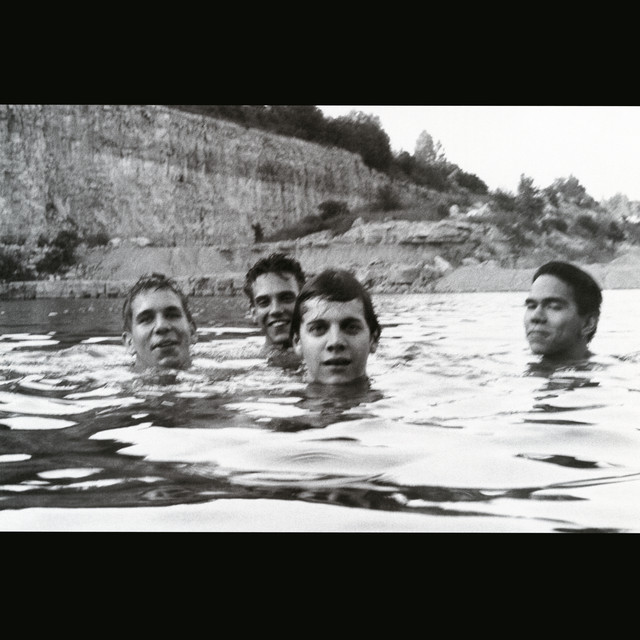
4. Spiderland
Even in '91, *Spiderland* felt like it emerged from a different dimension. Slint basically laid the groundwork for an entire subgenre with this one, proving that rock music could be cerebral, architectural, and still profoundly unsettling. The quiet-loud dynamics and spoken-word vocals were revolutionary, carving out spaces of tension and release. It was a whispered secret passed around on early internet forums, a definitive statement of calculated, minimalist power.

5. In the Aeroplane Over the Sea
*In the Aeroplane Over the Sea* hit differently in '98. Jeff Mangum’s voice, raw and unpolished, cut through everything, backed by this wonderfully ramshackle, almost circus-like orchestration. The lyrics were a strange, beautiful collage of history, love, and surreal imagery that just stuck with you. It became this cult phenomenon, spreading virally through early file-sharing and message boards, a beacon of heartfelt, lo-fi magic in a world increasingly going digital.
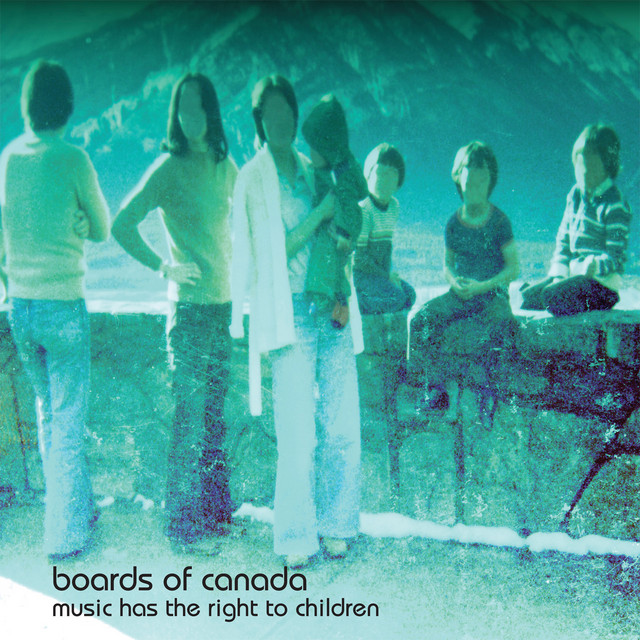
6. Music Has The Right To Children
Boards of Canada's 1998 masterpiece, *Music Has The Right To Children*, felt like finding a forgotten VHS tape from your childhood, but encoded with alien signals. Their blend of analog synth warmth, dusty samples, and fractured beats created this intensely nostalgic, almost melancholic, electronic sound. It was IDM that felt less about technical prowess and more about mood and memory, a hazy, dreamlike journey through a digital landscape just blooming into existence.
7. Tri Repetae
*Tri Repetae* in '95 was Autechre pushing the boundaries of what electronic music could even be. This wasn't about dancefloors; it was about intricate, often brutalist, rhythmic architecture. The tracks felt like they were sculpted from pure data, cold and precise, yet undeniably compelling. It was a challenging listen then, and still is, a masterclass in abstract sound design that still resonates with anyone trying to understand the deeper, more experimental corners of IDM.
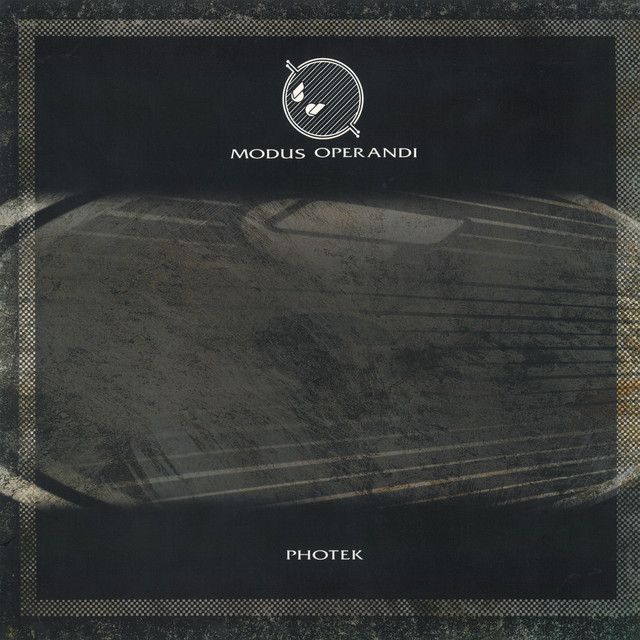
8. Modus Operandi
Photek's *Modus Operandi* from '97 was a game-changer for drum and bass. This wasn't just breakbeats; it was cinematic, dark, and incredibly intricate. Rupert Parkes took the raw energy of jungle and refined it into something almost orchestral, filled with deep bass, sparse melodies, and those impossibly complex drum patterns. It felt like the soundtrack to a cyberpunk thriller that never existed, a digital masterpiece that still sounds utterly fresh and groundbreaking.