
1. The Millionaire
Oh, "The Millionaire" was a weekly dose of pure fantasy, wasn't it? Imagine, a faceless man, John Beresford Tipton, handing out a million dollars tax-free to someone new every week. No strings, just a quiet observer. It was a simple premise, but it tapped right into that universal dream. Each episode was a self-contained drama, often a morality play, showing how sudden wealth could uplift or utterly ruin a life. And in crisp black-and-white, it felt like a grand, almost theatrical stage for human nature. A real classic, that.
2. Route 66
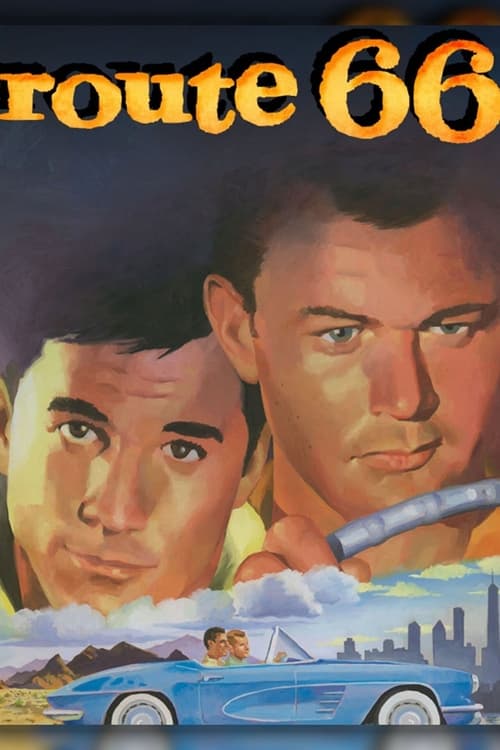
Now, "Route 66" felt different, like a breath of fresh air. Two young fellas, Tod and Buz, later Tod and Linc, driving a Corvette across America, searching for meaning. But really, they were just driving, meeting new people, getting involved in their lives for an hour, then moving on. No fixed sets, just the open road and actual American towns. It was an early taste of serialized drama, not in plot, but in its restless, wandering spirit. That black-and-white cinematography made every diner and dusty road look like a painting.
3. East Side/West Side
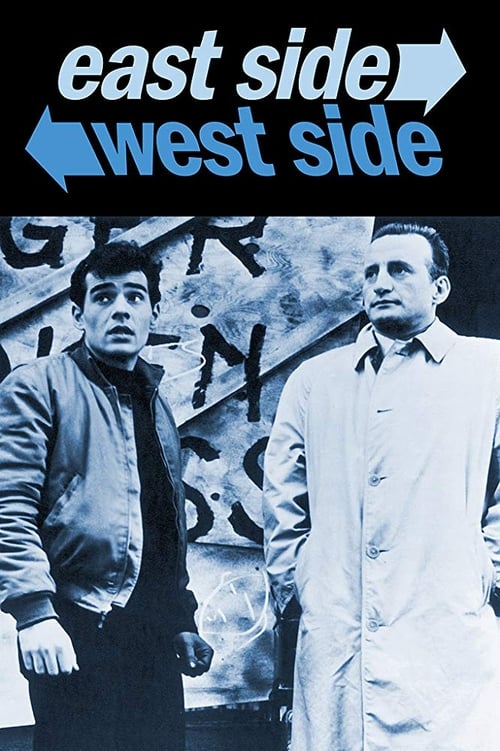
"East Side/West Side" was a tough watch, but an important one. George C. Scott played a social worker in New York City, and they didn't pull punches. This wasn't your usual escapism; it dealt with poverty, racial tensions, juvenile delinquency, all those uncomfortable truths. It was stark, filmed in black-and-white, giving it a documentary feel. Broadcast a few years after "Route 66," but tackling very different issues. The network actually fought them on content, which tells you how groundbreaking it was. Didn't last long, but it left a mark.

4. The Fugitive
Oh, "The Fugitive," now that was a show that kept you glued to the screen. Dr. Richard Kimble, wrongly accused of murdering his wife, on the run from Lieutenant Gerard, always just a step behind. Every week was a new town, new characters, and Kimble helping someone out while trying to find the one-armed man. It was masterfully suspenseful, unfolding over years, a true early example of long-form storytelling on television. The black-and-white added to the desperate, shadowy feel of his endless journey. You just had to know how it ended.
5. The Invaders
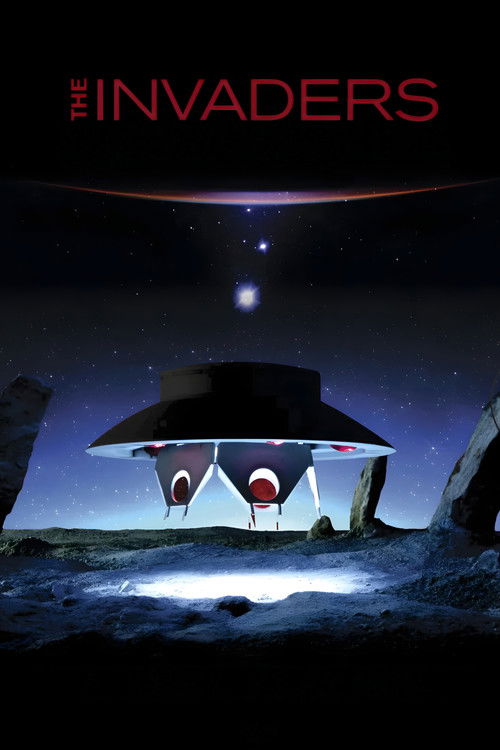
"The Invaders" was where broadcast television started to dabble in real paranoia, wasn't it? David Vincent, seeing a flying saucer, then trying to convince everyone that aliens were among us, disguised as humans. No one believed him, of course. It was a terrifying concept for the time, aliens walking among us, indistinguishable. The show had a real sense of dread and isolation. It was in color, but still felt very stark, a lone man against an unseen, unstoppable force. A good, tense thriller that made you look twice at your neighbors.
6. Longstreet
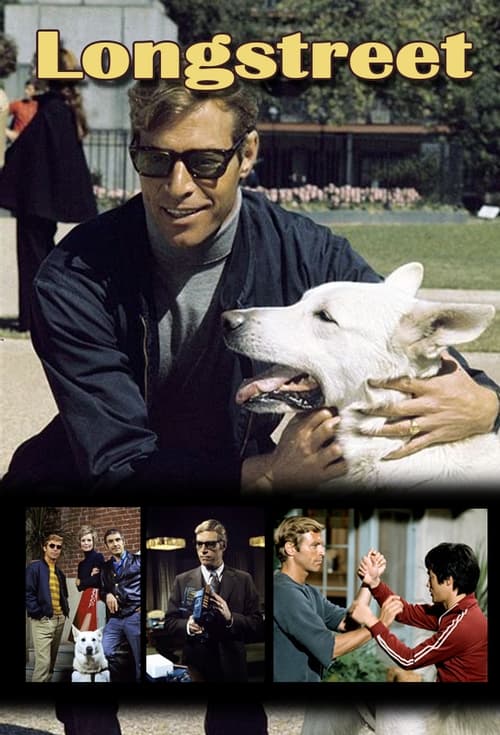
"Longstreet" was a clever one, a private investigator, Mike Longstreet, played by James Franciscus, who was blinded in an explosion. But he didn't let that stop him. He used his other senses, and his guide dog, to solve crimes. Bruce Lee even made appearances, teaching him self-defense. It was an intriguing twist on the typical detective formula, forcing the viewer to engage differently with the mystery. A good example of how a unique character trait could really anchor a procedural, making it stand out from the pack.
7. Kolchak: The Night Stalker
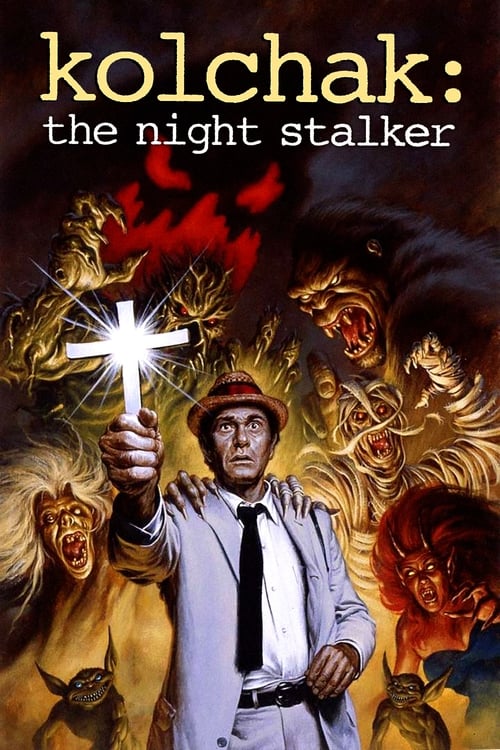
Carl Kolchak, a newspaper reporter, always stumbling onto supernatural creatures—vampires, werewolves, even a succubus—and trying to convince his editor. "Kolchak: The Night Stalker" was a truly atmospheric show, blending horror with a gritty, urban procedural feel. Darren McGavin was perfect as the cynical, fed-up reporter. It was a monster-of-the-week setup, but with a consistent, dark tone and a real sense of frustration as Kolchak's evidence was always dismissed. Definitely a spiritual predecessor to later, bigger shows. Quite the cult hit.
8. Police Squad!
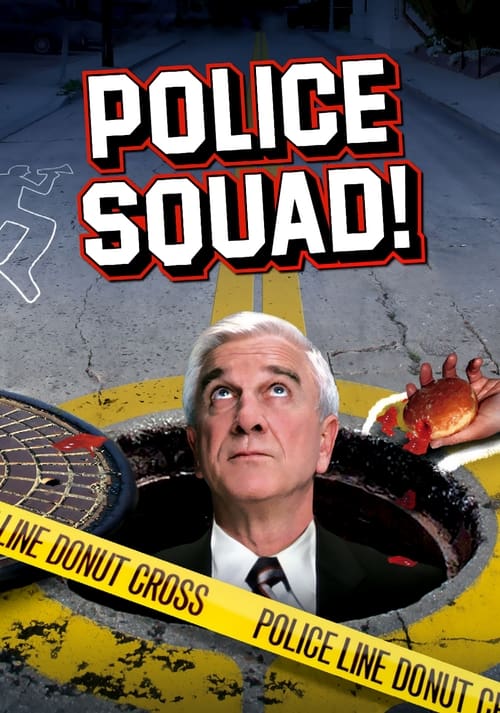
And then there was "Police Squad!" I don't think people knew what to do with it back then. Leslie Nielsen, straight-faced, delivering the most ridiculous lines in a procedural spoof. The sight gags, the running jokes, the announcer trying to pronounce the guest star's name at the end. It was so ahead of its time, so dense with jokes, you had to watch it twice. A brilliant, utterly absurd take on cop shows that only lasted six episodes. A shame, but it birthed those "Naked Gun" movies, so it wasn't a total loss.

9. Wiseguy
"Wiseguy" was a different animal entirely. It wasn't your typical weekly case; Vinnie Terranova, an undercover agent, would infiltrate criminal organizations, and those stories would stretch for multiple episodes, even entire seasons. It was sophisticated, delving deep into character and the psychology of crime. The performances were outstanding, and the writing felt truly cinematic for broadcast television. It broke the mold for what a crime drama could be, showing that audiences were ready for complex, long-form storytelling. A real standout from the late 80s.
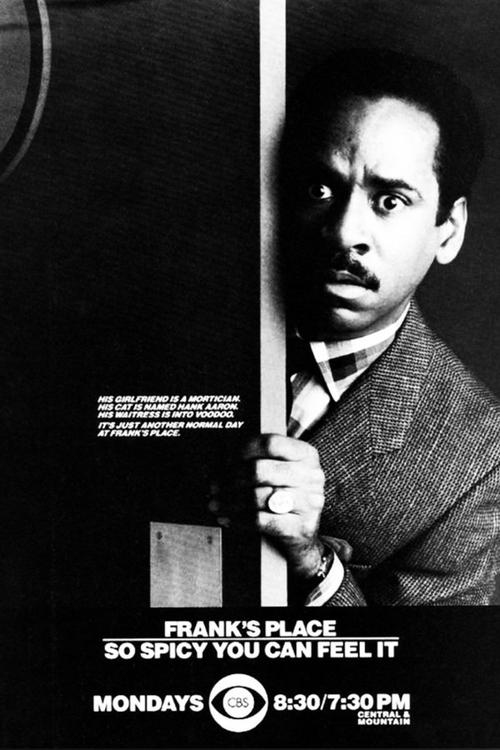
10. Frank's Place
"Frank's Place" was a sitcom that didn't feel like a sitcom, if you know what I mean. Tim Reid played Frank Parrish, inheriting a New Orleans restaurant and trying to make sense of it all. It was funny, yes, but it had a real warmth and a dramatic undertone, exploring culture and community. They even played with continuity, sometimes having episodes end unresolved. It was a sophisticated, single-camera show long before that became common, with a brilliant ensemble cast. A quiet gem that tried something new with the format.