

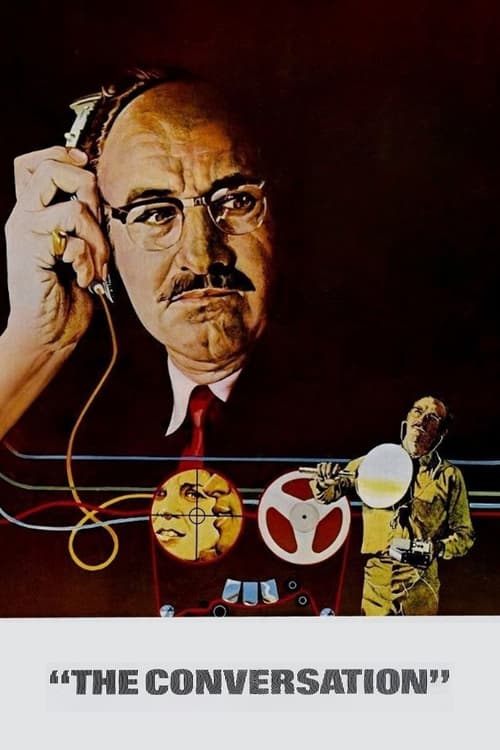
1. The Conversation
Elem Klimov's "Come and See" isn't merely a war film; it's a harrowing, visceral descent into the atrocities of WWII's Eastern Front, viewed through the eyes of a young Belarusian partisan. Its unflinching realism and psychological intensity are deeply unsettling, utilizing innovative sound and cinematography to immerse the viewer in a nightmarish landscape. This is an essential, if profoundly difficult, cinematic experience, a testament to humanity's capacity for unimaginable cruelty.
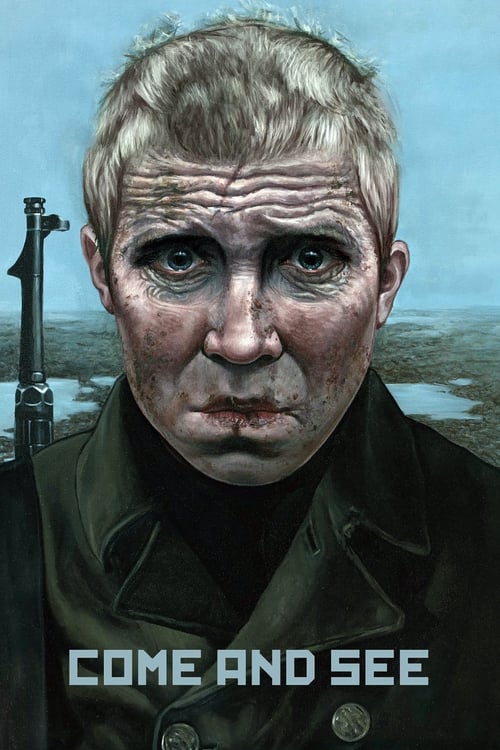
2. Come and See
Shohei Imamura’s Palme d’Or winner is a stark, yet profoundly beautiful, exploration of life, death, and social custom in a remote 19th-century Japanese village. Based on a folk practice of sending the elderly to die on a mountain, it’s a film that confronts harsh realities with an unflinching gaze, yet finds grace in its portrayal of nature's cycles and human resilience. A powerful, almost anthropological, piece of cinema.

3. The Ballad of Narayama
Andrzej Żuławski's "Possession" is a raw, operatic scream of a film, a blistering examination of marital dissolution amplified to surreal, horrific extremes. Isabelle Adjani's astonishing, physically demanding performance anchors this Cold War-era Berlin nightmare, where personal anguish manifests in grotesque, otherworldly ways. It’s an exhausting, exhilarating, and deeply disturbing psychological horror that defies easy categorization, a true cult artifact of unchecked artistic vision.

4. Possession
George Sluizer’s original Dutch "The Vanishing" is a masterclass in psychological suspense, a chilling narrative of obsession and existential dread. It follows a man’s relentless search for his girlfriend, who mysteriously disappears from a roadside rest stop, leading him down a path to confront the true nature of evil. The film's infamous, audacious ending remains one of cinema's most disturbing and unforgettable conclusions, leaving an indelible mark.
5. The Vanishing
Jean-Pierre Melville's "Le Samouraï" is the epitome of cool, a minimalist, existential crime masterpiece that profoundly influenced generations of filmmakers. Alain Delon stars as Jef Costello, a stoic, solitary hitman operating by his own rigid code, navigating a world of betrayal and fatalism. Its precise compositions, muted color palette, and deliberate pacing craft an almost meditative study of alienation and destiny.

6. Le Samouraï
Federico Fellini’s "Nights of Cabiria" showcases Giulietta Masina in an iconic, heartbreaking performance as a naive Roman prostitute. Despite facing constant betrayal and hardship, Cabiria clings to an indomitable spirit and a glimmer of hope for true love. This neorealist-infused drama, with its blend of pathos and understated magic, is a profound testament to human resilience and the enduring quest for dignity amidst life's cruelties.

7. Nights of Cabiria
Edward Yang's epic "A Brighter Summer Day" is a sprawling, meticulously crafted portrait of 1960s Taipei, viewed through the lens of adolescent gangs and a true-crime murder. It's a poignant coming-of-age story that simultaneously functions as a piercing social commentary on Taiwan’s political tensions, American cultural influence, and societal shifts. This is a monumental work of the Taiwanese New Wave, demanding patience but rewarding immensely.