

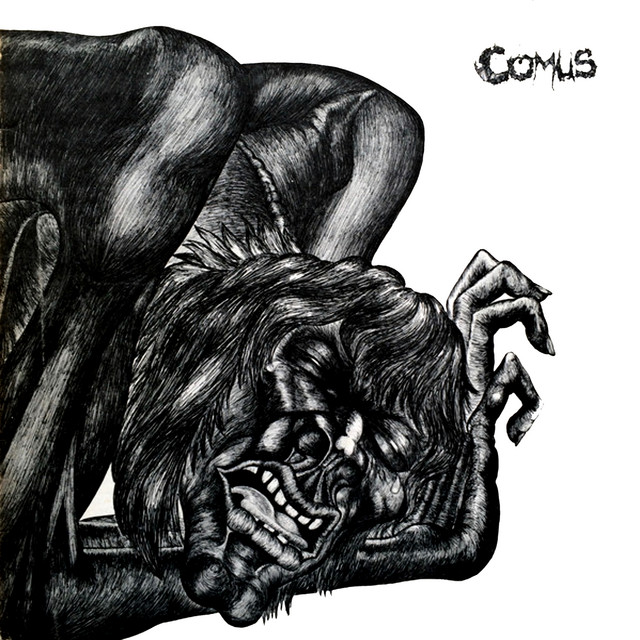
1. First Utterance
This 1971 acoustic masterpiece is a singular entity, a spectral journey into pagan folk's darker, more unsettling corners. The raw, almost primitive analogue recording captures a disturbing intimacy, where acoustic instrumentation conjures a truly sinister atmosphere. It sits uneasily between psychedelic folk and a nascent, primal doom, its dissonant harmonies and ritualistic percussion defying easy categorization. A profound, unsettling precursor.
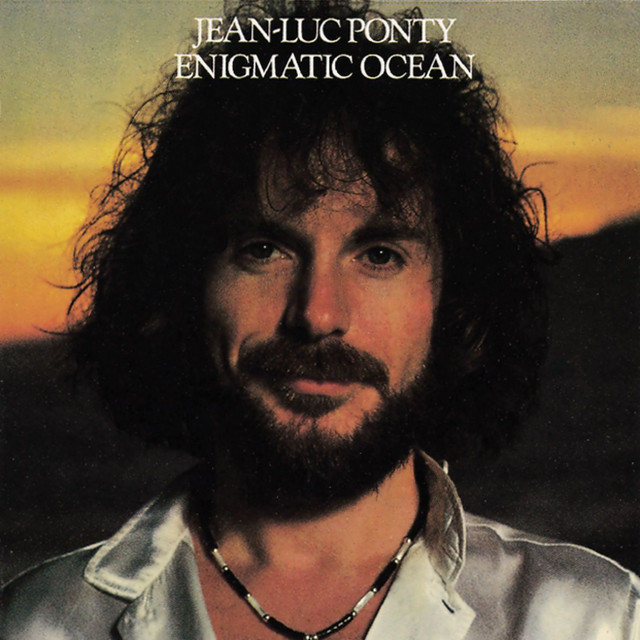
2. Enigmatic Ocean
Ponty’s 1977 fusion epic showcases a virtuosity that few could match. His electric violin, processed through early analogue effects, glides over intricate, shifting rhythmic foundations. The interplay with Allan Holdsworth’s guitar is simply telepathic. This isn't just jazz-rock; it’s a meticulously crafted soundscape, a testament to the era's technical prowess and expansive ambition in the studio. Pure sonic architecture.
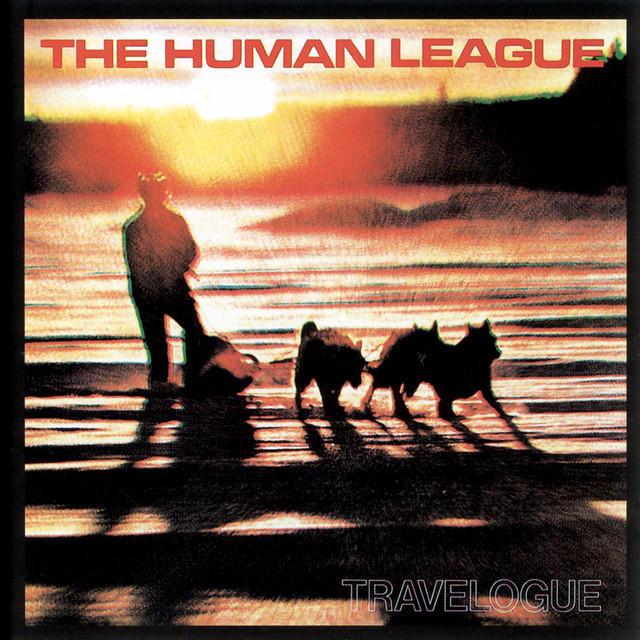
3. Travelogue
Before the glossy pop of "Dare," "Travelogue" reveals a starker, more experimental Human League. This 1980 outing is coldwave incarnate, built on the rigid pulse of analogue sequencers and rudimentary drum machines. It’s a testament to early synth-pop’s abrasive side, almost industrial in its detachment. The stark production highlights a minimalist approach, charting a distinct path from their Sheffield peers.
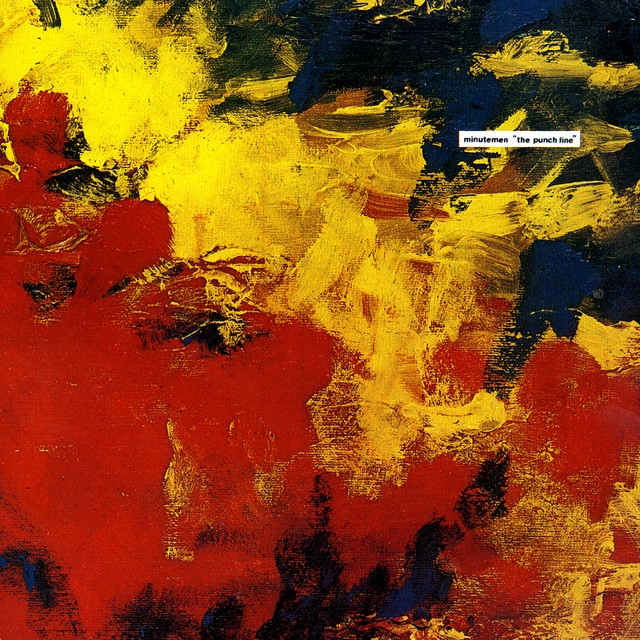
4. The Punch Line
Minutemen’s 1981 debut EP remains an essential document of Southern California hardcore. D. Boon’s angular guitar riffs and Mike Watt’s inventive basslines are delivered with an uncompromising urgency. Each track, a tightly wound explosion, lasts barely a minute, yet conveys more ideas than many albums twice its length. This is raw, intellectual punk, captured with an analogue immediacy that feels truly vital.
5. Judgement of the Dead
This 1981 demo captures Pentagram at their most primal, a true underground artifact for connoisseurs of early heavy music. The raw, unpolished analogue recording amplifies the crushing doom riffs and Bobby Liebling’s tormented vocals. It’s a primitive blueprint for what would become doom metal, steeped in grim atmosphere and crushing simplicity. A vital, if unrefined, piece of metal history.
6. Come Away with ESG
ESG’s 1983 EP is a masterclass in rhythmic economy. Its sparse, propulsive grooves, built on stripped-down basslines and dry, analogue drums, practically define post-punk funk. This isn't about complexity; it’s about the hypnotic power of repetition and space. The rawness of the recording only accentuates its immediate, danceable energy, laying groundwork for early hip-hop and house.
7. Gold
The Sound’s 1982 album, "Gold," delves into the melancholic introspection characteristic of post-punk's more articulate fringes. Adrian Borland’s vocals carry a profound emotional weight, framed by intricate, shimmering guitar work and a driving rhythm section. The analogue production lends a natural warmth to the dark, expansive soundscapes. It's an atmospheric, yet powerful, testament to their overlooked genius.

8. Zolof the Rock & Roll Destroyer
The very appellation "Zolof the Rock & Roll Destroyer" suggests a certain primitive, confrontational energy, perfectly aligned with the early '90s underground. I imagine this as a raw, analogue assault, likely a self-produced cassette capturing nascent industrial-punk or early hardcore. It speaks to the era’s urgent, unpolished aesthetic, where direct-to-tape grit was valued over pristine production. A sonic declaration, unburdened by digital sheen.