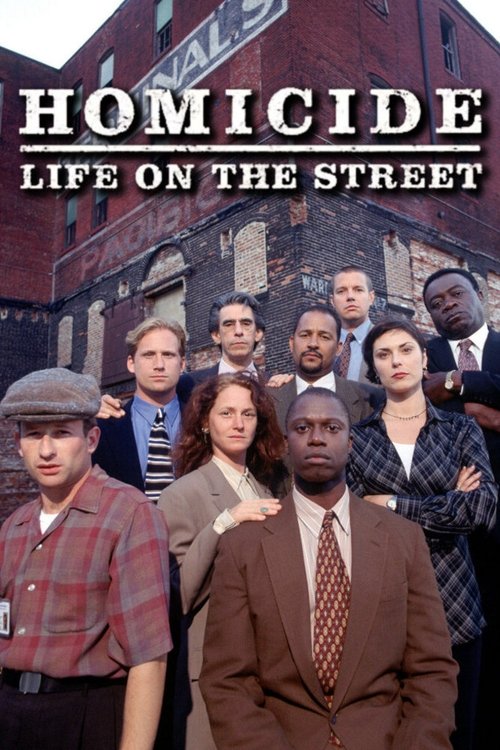
1. Homicide: Life on the Street
Forget your typical procedural; Homicide, from '93, threw out the rulebook. David Simon's early work, it felt raw, almost like a documentary, with its jump cuts and handheld cameras. The dialogue snapped, the detectives were broken, and the cases rarely had neat endings. This was prestige TV before the term existed, a masterclass in ensemble drama that dared to be messy, demanding attention rather than offering easy answers.
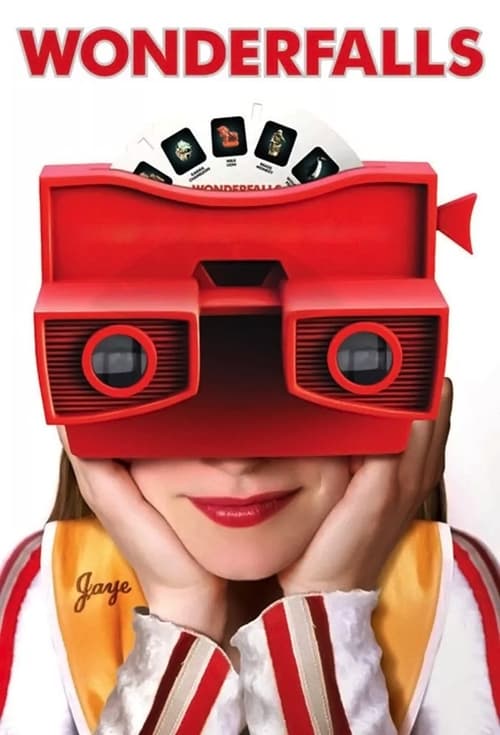
2. Wonderfalls
Before "Pushing Daisies," there was Wonderfalls in '04, a quirky, offbeat gem canceled far too soon. Jaye, a cynical souvenir shop worker, starts getting life advice from inanimate objects, leading her into bizarre, often hilarious situations. It was a perfectly pitched blend of surreal comedy and heartfelt drama, a truly original voice that felt more suited to cable's emerging freedom than network TV's constraints. A cult classic that showed network TV could be weird and wonderful.
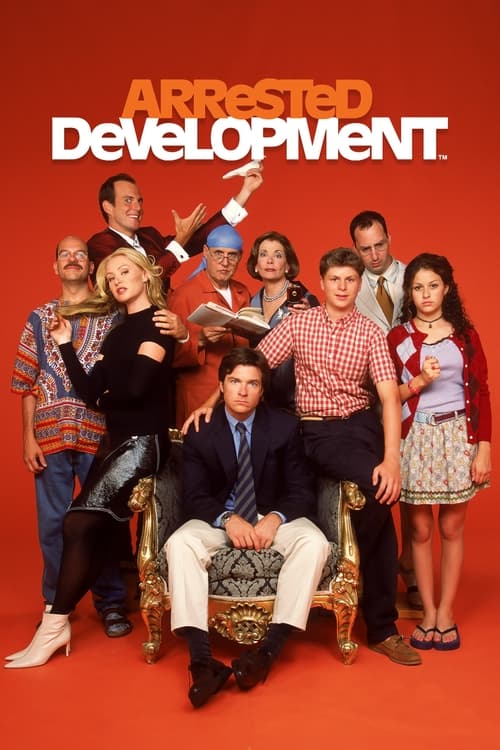
3. Arrested Development
When Arrested Development hit in '03, it wasn't just a sitcom; it was a comedy masterclass. The mockumentary style, the relentless callbacks, the running gags, and the sheer density of its jokes redefined what network comedy could be. The Bluth family's dysfunctional antics were a perfect storm of intelligent writing and brilliant ensemble performances, delivering laughs on multiple levels. It taught viewers to pay attention, rewarding rewatches long before streaming made that easy.
4. Six Feet Under
Six Feet Under, launching in '01 on HBO, was a profound look at life through the lens of death. Following the eccentric Fisher family running a funeral home, it explored grief, sexuality, and existential dread with unflinching honesty. Alan Ball created a deeply serialized drama, where characters were allowed to be flawed, complex, and utterly human. It pushed boundaries, solidifying HBO's reputation for smart, adult storytelling that network TV wouldn’t touch.
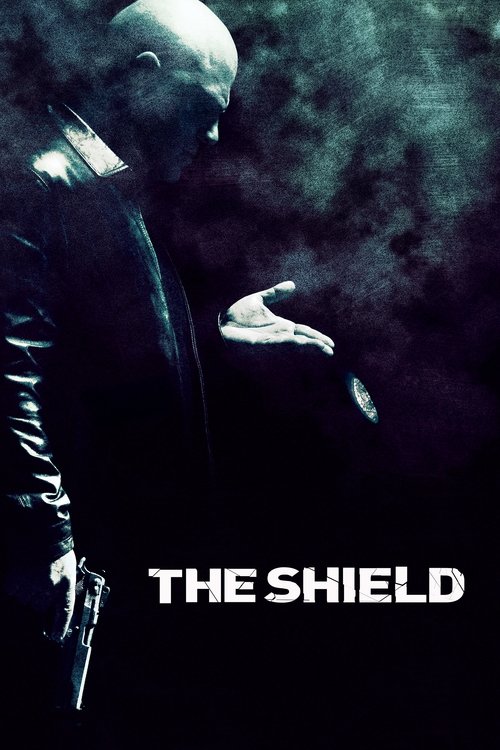
5. The Shield
The Shield, premiering on FX in '02, detonated the idea of the "good guy" cop. Vic Mackey was a force of nature, a corrupt but effective leader in a morally bankrupt world. This show was raw, violent, and unflinchingly dark, proving basic cable could produce prestige drama every bit as compelling as HBO's offerings. It wasn't just groundbreaking for its anti-hero, but for its serialized storytelling and its willingness to confront uncomfortable truths.
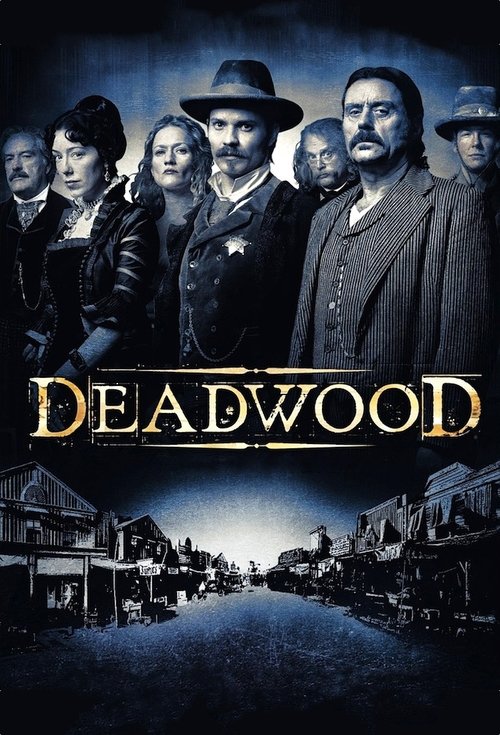
6. Deadwood
Deadwood, arriving in '04, was a masterclass in immersive storytelling. HBO spared no expense crafting this foul-mouthed, brutal, and poetic vision of the American frontier. The dialogue, a unique blend of period speech and Shakespearean rhythm, was unlike anything on TV. It built a complex, living world filled with unforgettable characters, proving that serialized historical drama could be as cinematic and literary as any big-screen production, demanding full immersion.
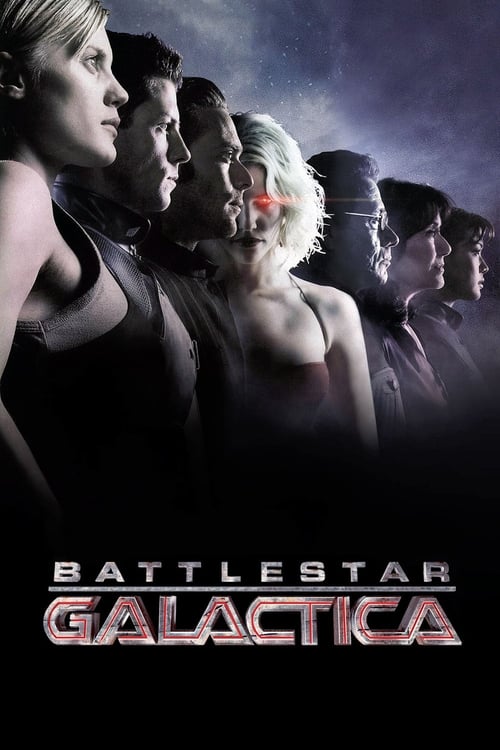
7. Battlestar Galactica
The 2004 Battlestar Galactica reboot wasn't just great sci-fi; it was brilliant television, period. It took a campy '70s concept and transformed it into a grim, philosophical epic about survival, faith, and what it means to be human. With its hand-held camera work, serialized arcs, and unflinching moral ambiguities, it felt like a gritty war drama set in space. This show proved genre television could tackle complex political and social themes with depth and urgency.