

1 / 8

1. Mother Earth's Plantasia
This 1976 electronic pastoral, originally meant for houseplants, weaves a strange, almost unsettling innocence. Maestro Mort Garson, with his Moog, crafted an early electronic minimalism that feels both comforting and profoundly alien. It’s an organic hum, a digital lullaby, yet beneath the surface, there’s a quiet, hypnotic strangeness. For Lynch, it’s the bizarre beauty in a perfectly manicured lawn, hinting at untold secrets beneath the soil.
2 / 8
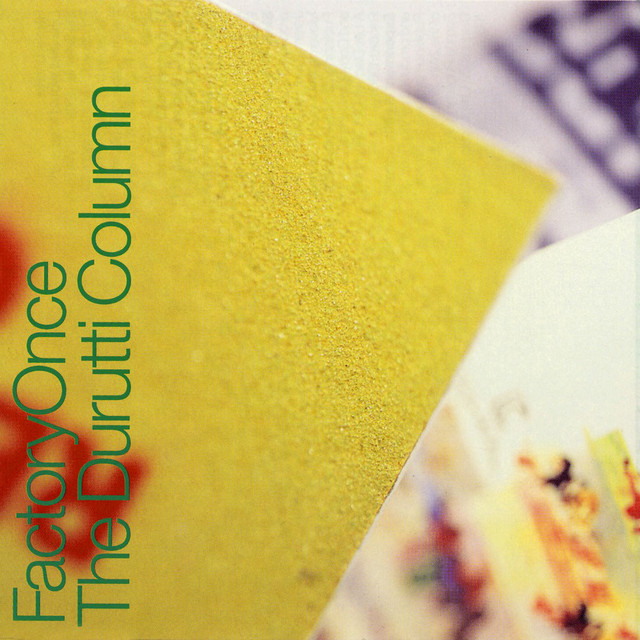
2. The Return of The Durutti Column
Vini Reilly's sparse, reverb-drenched guitar on this 1980 Factory release is pure, understated melancholia. It's post-punk stripped bare, not with aggression, but with a fragile, almost introspective beauty. The shimmering, often wordless passages drift like half-forgotten dreams, painting atmospheric soundscapes. This ain't about power chords; it’s about the quiet spaces between notes, the lingering echoes, perfect for those moments when reality feels just a little out of phase.
3 / 8

3. Suicide (2019 - Remaster)
Alan Vega’s primal yelps over Martin Rev’s stark, skeletal electronics on this 1977 proto-punk masterpiece, here in its 2019 remaster, still feels like a transmission from an urban nightmare. It’s industrial grind before the term was even fully formed, a relentless, almost ritualistic assault of beat-box rhythms and buzzing synths. This ain't pretty, and it sure as hell ain’t subtle. It’s raw, confrontational, and the sonic equivalent of a derelict alley at 3 AM.
4 / 8

4. Tago Mago (40th Anniversary Edition)
Can's 1971 krautrock epic, especially in its 40th-anniversary treatment, is a sprawling, hypnotic odyssey. It’s a rhythmic engine fueled by Jaki Liebezeit’s relentless groove, pushing boundaries with Damo Suzuki’s improvised vocalizations and experimental textures. This ain't just music; it’s a journey into the subconscious, a disorienting, dream-like current that pulls you through dark, unknown corridors. It’s the sound of consciousness unraveling, piece by primal piece.
5 / 8

5. Hosianna Mantra
Popol Vuh’s 1972 spiritual odyssey is an ethereal blend of acoustic instruments, electronics, and celestial voices, crafting a sacred minimalism. It feels ancient, yet utterly timeless, a haunting meditation that transcends traditional genre boundaries. Florian Fricke's piano and the female vocals create a profound, almost ritualistic atmosphere. It's the quiet awe and subtle dread of encountering something truly otherworldly, a serene beauty that hints at vast, unknown spiritual depths.
6 / 8
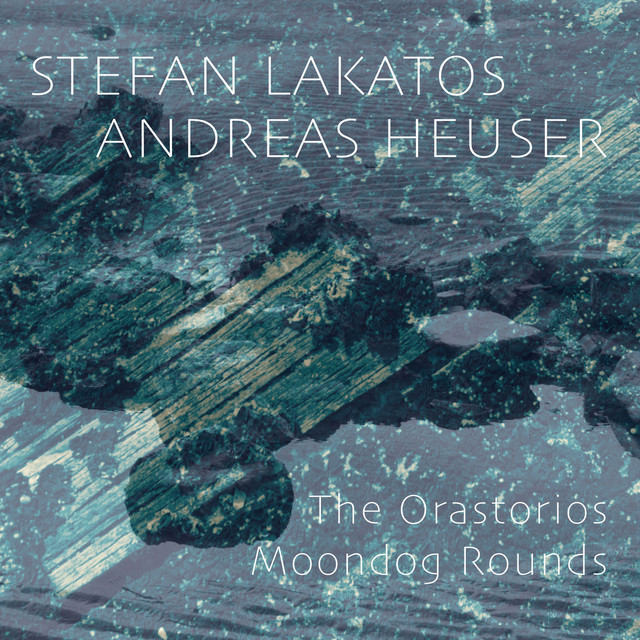
6. The Orastorios - Moondog Rounds
Moondog, the Viking of 6th Avenue, brought his unique vision of rhythm and counterpoint to life with these "Orastorios" and "Rounds." These aren't your typical classical compositions; they're intricate, almost mathematical percussive and vocal pieces, built on polyrhythms and canons that feel both ancient and startlingly modern. It’s structured chaos, a meticulously crafted sonic puzzle box that could easily soundtrack a bizarre, stylized dance in a forgotten corner of the mind.
7 / 8

7. Deceit
This Heat’s 1981 post-punk industrial statement is a bleak, uncompromising sonic landscape. It’s a relentless, claustrophobic sound, built on fractured rhythms, unsettling textures, and an undercurrent of paranoia that permeates every note. There’s a raw, almost mechanical precision to its aggression, like a machine grinding towards an inevitable, grim conclusion. This ain't for casual listening; it's an intense, confrontational experience, perfectly mirroring the dread of an unseen force.
8 / 8
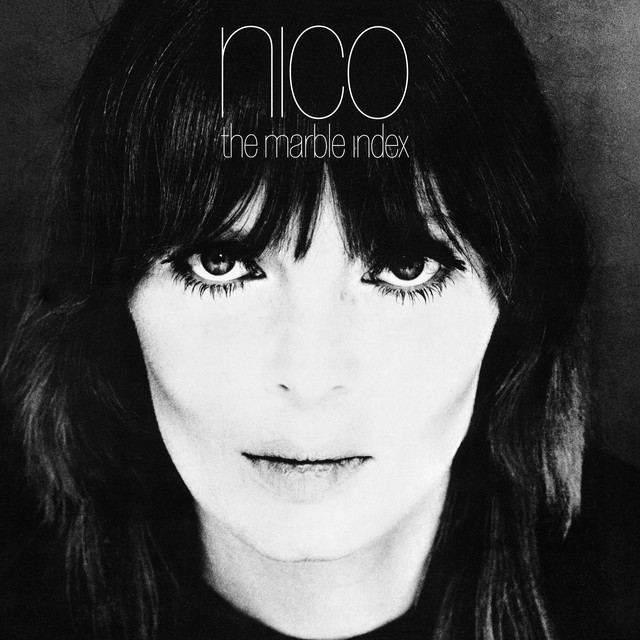
8. The Marble Index
Nico’s 1968 solo work is stark, chilling, and profoundly melancholic. Her deep, guttural voice paired with the ominous drone of the harmonium creates a gothic, almost spectral atmosphere that’s unlike anything before or since. It’s folk music stripped bare, revealing a raw, existential dread. This ain't a pop album; it's a series of harrowing poetic statements, each one a stark, beautifully bleak descent into the human psyche, haunting long after the last note fades.