
1. Naked City
There are eight million stories in the Naked City, and this one, in stark black and white, felt like you were right there on the sidewalks. It wasn't about heroes, but about the grinding reality of police work and the lives tangled in crime. The cinematography, often handheld, gave it a documentary feel, a rare thing on the small screen then. And the drama, well, it was as raw and unvarnished as a late-night diner coffee. A true pioneer for urban realism.
2. The Defenders
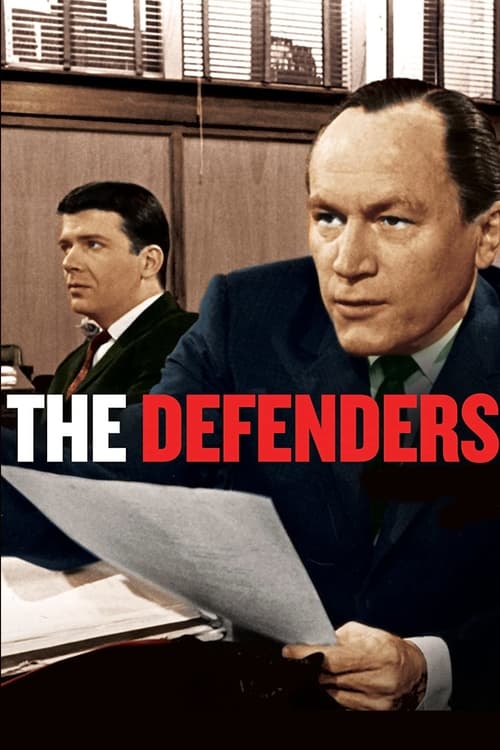
Here was a program that didn't shy away from the tough questions. A father and son, both lawyers, grappling with the moral gray areas of justice. Black and white, of course, giving it that serious, almost somber weight. It tackled topics most shows wouldn't touch with a ten-foot pole: abortion, censorship, McCarthyism. This wasn't just courtrooms; it was a weekly debate club for the living room, making you think long after the credits rolled.
3. Way Out
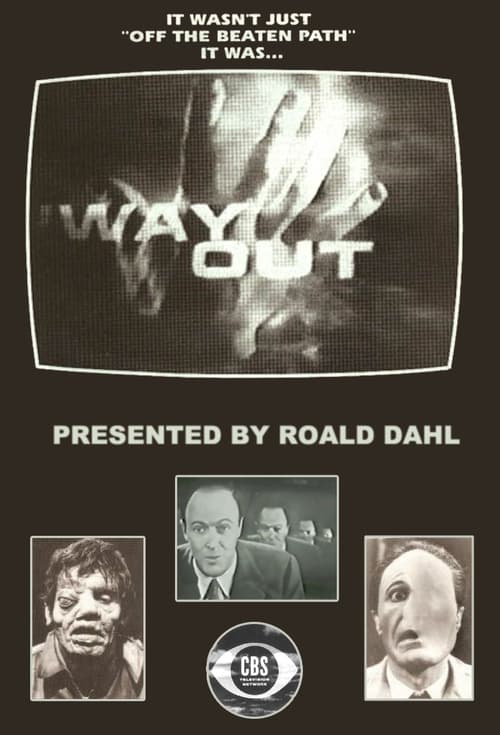
Rod Serling, stepping out of the 'Zone' for a moment, brought us this short-lived, unsettling anthology. Broadcast in that glorious, stark black and white, it delivered tales of the supernatural and psychological dread. Not quite sci-fi, but definitely 'way out' there. Each week was a self-contained little nightmare, playing on fears in a way that left you looking over your shoulder. A real precursor to the darker corners of television, moody and often quite chilling.

4. Dark Shadows
And then came Barnabas Collins, changing daytime television forever. This wasn't your grandma's soap opera; it was gothic melodrama, in glorious (or sometimes muddy) color, with vampires and ghosts woven into the fabric of a small town. Its long-form continuity, following these bizarre storylines day after day, was groundbreaking. It proved you could have horror and romance, and keep an audience hooked, even if the sets occasionally wobbled a bit.

5. Cimarron Strip
This was a Western with ambition, and a budget to match. Running ninety minutes, it felt like a weekly movie, a sprawling epic set in the Oklahoma Territory. Stuart Whitman as Marshal Jim Crown, keeping the peace in a truly wild frontier. The photography was gorgeous, in color, of course, capturing that vast landscape. It aimed for a mature, complex take on the genre, far removed from simple shoot-em-ups. A big swing for television, and it mostly connected.
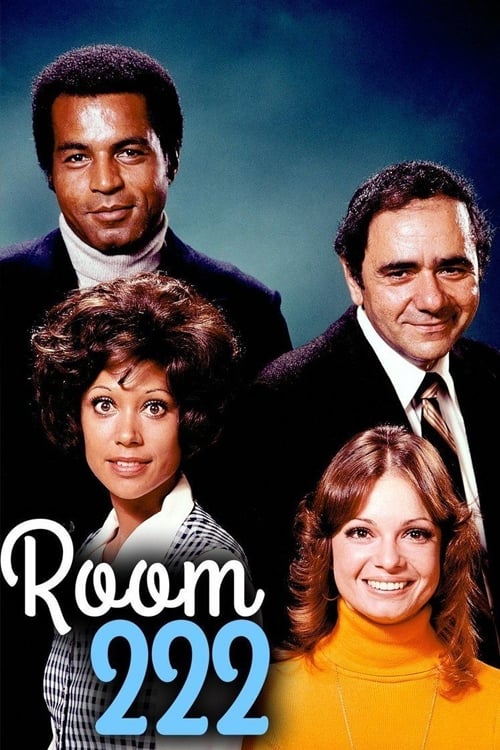
6. Room 222
Set in a bustling Los Angeles high school, this was one of the first shows to really give a nuanced look at student life. Pete Dixon, the history teacher, tackled real issues without being preachy. It had a warmth, a sense of community, and a cast that felt genuinely real. A comedy-drama that balanced laughs with thoughtful discussions on race, poverty, and teenage angst. It showed that school wasn't just about homework, but about growing up in a changing world.
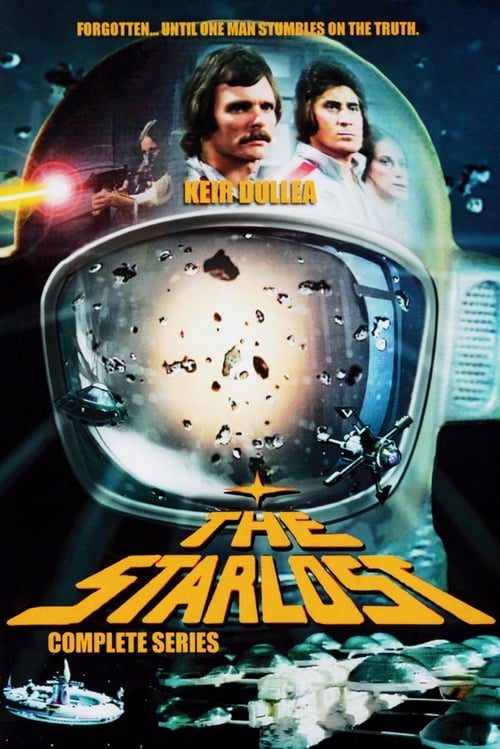
7. The Starlost
An ambitious science fiction effort from Canada, trying to pull off a grand space opera on a shoestring budget. A generation ship, lost and decaying, with people who'd forgotten their past. The concept was fantastic, truly mind-bending for its era. And while the effects often looked like cardboard and sticky tape, the ideas were there. It's a curiosity, a testament to trying to reach for the stars with limited means. A noble failure, but one worth remembering for its vision.
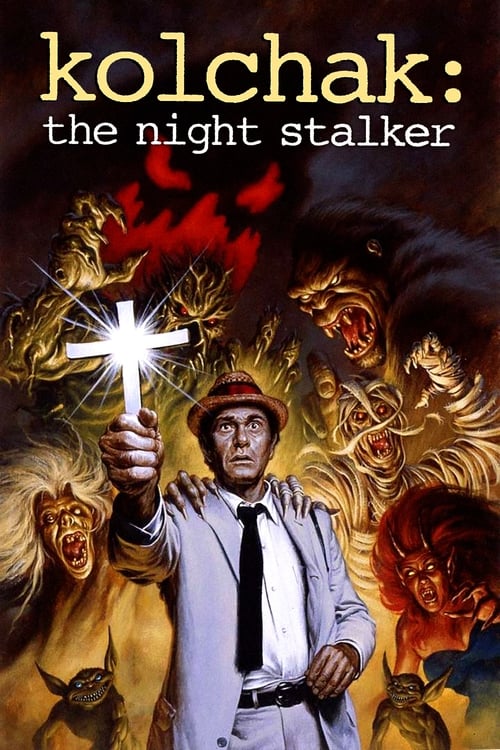
8. Kolchak: The Night Stalker
Darren McGavin as Carl Kolchak, a newspaper reporter stumbling upon the supernatural week after week. This was a horror-mystery show, full of genuine chills and a sense of unease. Kolchak, with his rumpled suit and cynical wit, was the perfect everyman confronting monsters. And in living color, those creatures truly popped. It paved the way for so many monster-of-the-week shows, a real cult classic that deserved more than a single season. Genuinely scary stuff.
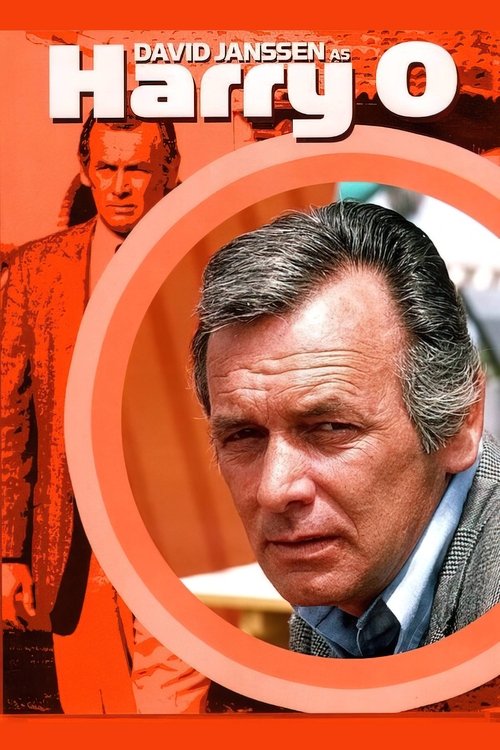
9. Harry O
David Janssen, fresh off 'The Fugitive,' brought a weary, introspective charm to Harry Orwell, a private investigator who was often injured and always a bit down on his luck. Set in San Diego, it had a languid, almost melancholic pace. Harry was an intellectual, a thinker, solving crimes more with his head than his fists. It wasn't flashy, but it was intelligent, adult drama, a quiet counterpoint to the more bombastic detective shows of the time. A real gem.
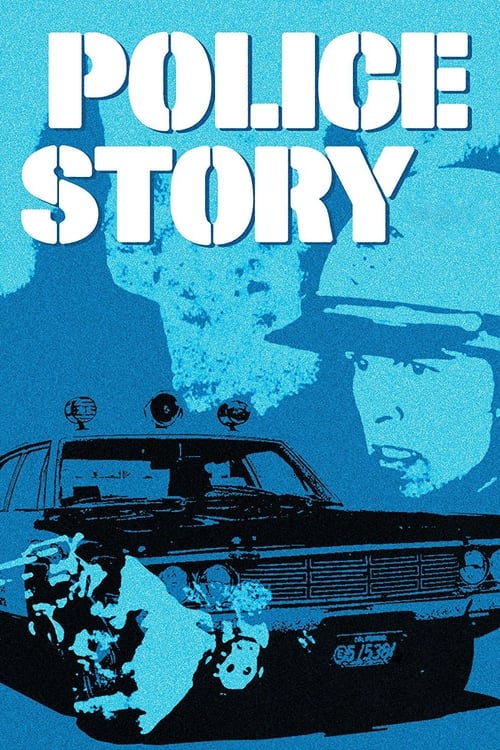
10. Police Story
This was a game-changer for police shows. An anthology series, each week a new cast and a new, gritty story focusing on the ordinary lives of police officers. It aimed for realism, showing the psychological toll and moral ambiguities of the job. You saw the stress, the boredom, the split-second decisions. It was a raw, unvarnished look, far from the glamour of earlier cop shows. And it inspired so many others, setting a new standard for the procedural drama.