

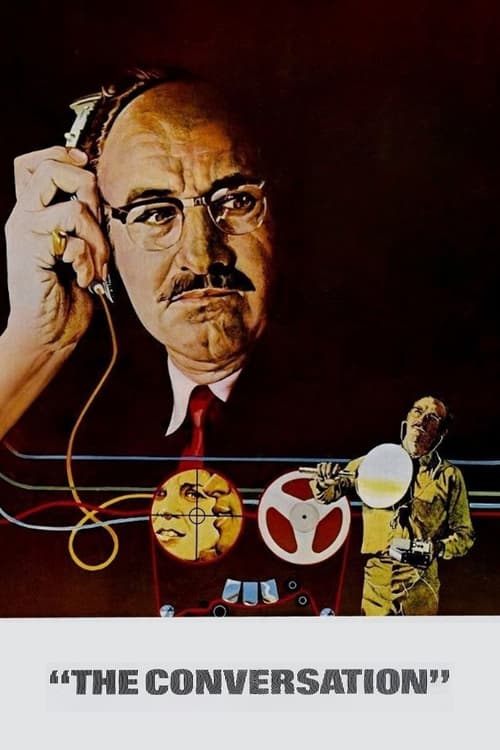
1. The Conversation
Francis Ford Coppola's 'The Conversation' (1974) is a masterclass in psychological tension, arriving as it did amidst the Watergate scandal, lending its tale of surveillance and guilt a chilling prescience. Gene Hackman's portrayal of Harry Caul, a surveillance expert haunted by his work, anchors this meticulous character study. The film probes the ethics of invasion of privacy, and how perceived reality can unravel a man, making us question the very nature of truth and observation. Its brilliant sound design is as much a character as any actor.

2. Possession
Andrzej Żuławski’s 'Possession' (1981) remains a harrowing, visceral exploration of a marriage's disintegration, set against the stark backdrop of Cold War Berlin. Isabelle Adjani’s raw, almost animalistic performance as Anna, and Sam Neill’s tormented Mark, create an unforgettable tableau of emotional and physical horror. It's less a narrative to be understood and more an experience to endure, pushing the boundaries of body horror and psychological terror to reflect profound existential crises and the monstrous nature of human despair.
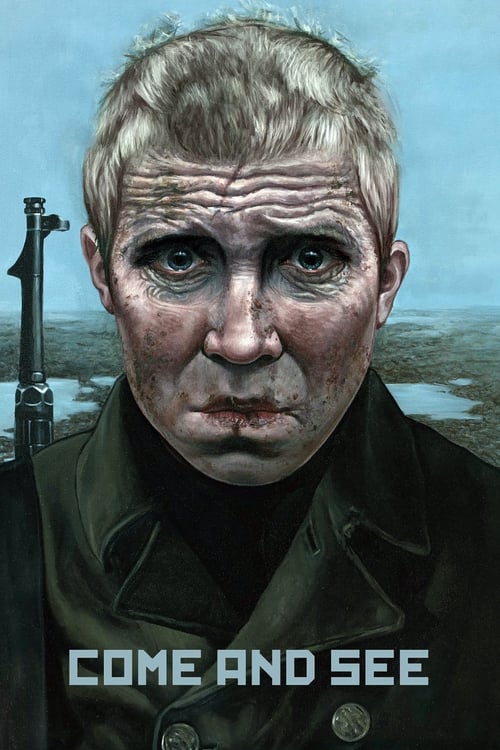
3. Come and See
Elem Klimov’s 'Come and See' (1985) is arguably the most unflinching depiction of war ever committed to celluloid, focusing on the Nazi occupation of Belarus during WWII. Through the eyes of young Florya, we witness the systematic dehumanization and brutalization of civilians. Its surreal, nightmarish imagery and the protagonist’s rapid descent into trauma are not merely observed but felt, leaving an indelible, harrowing mark on the viewer and serving as a potent, timeless anti-war statement.
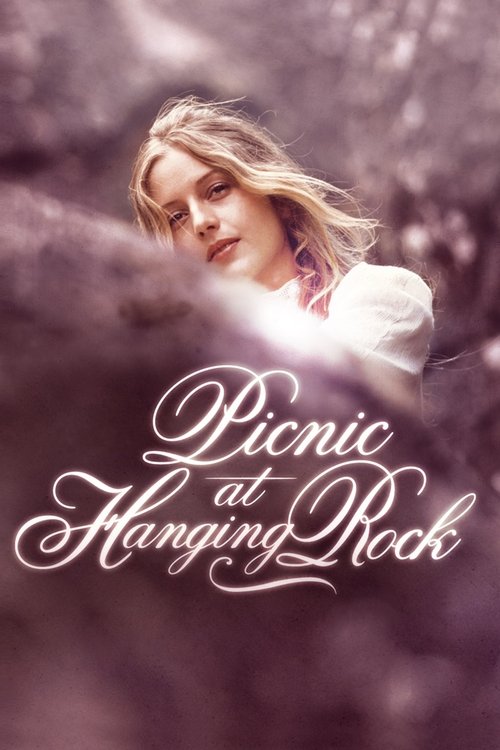
4. Picnic at Hanging Rock
Peter Weir’s 'Picnic at Hanging Rock' (1975) is a haunting, atmospheric mystery that defies conventional resolution, immersing us in colonial Australia's stifling Edwardian propriety. When schoolgirls vanish on a geological formation, the film eschews concrete answers for a pervasive sense of unease and the unsettling suggestion of nature’s indifference to human concerns. It's a masterful exercise in mood and suggestion, where the unexplained becomes a powerful metaphor for repressed desires and the fragility of civilization.

5. Repo Man
Alex Cox’s 'Repo Man' (1984) is an anarchic, cult classic that perfectly encapsulates the cynical, punk rock ethos of the mid-80s. Emilio Estevez plays Otto, an alienated youth who finds purpose (or lack thereof) repossessing cars in a bizarre, consumerist wasteland. Blending sci-fi elements with sharp social satire and off-kilter humor, it’s a fiercely independent film that critiques Reagan-era America with a distinctly weird sensibility, becoming a touchstone for outsider cinema.

6. Cure
Kiyoshi Kurosawa’s 'Cure' (1997) is a minimalist, unsettling psychological horror film that slowly unravels the fabric of reality and identity. A detective investigates a series of bizarre murders where the perpetrators confess immediately but cannot recall the motive. The film masterfully builds dread through hypnotic suggestion and pervasive nihilism, exploring the contagious nature of evil and the fragility of the human mind, cementing Kurosawa’s place as a master of atmospheric terror.
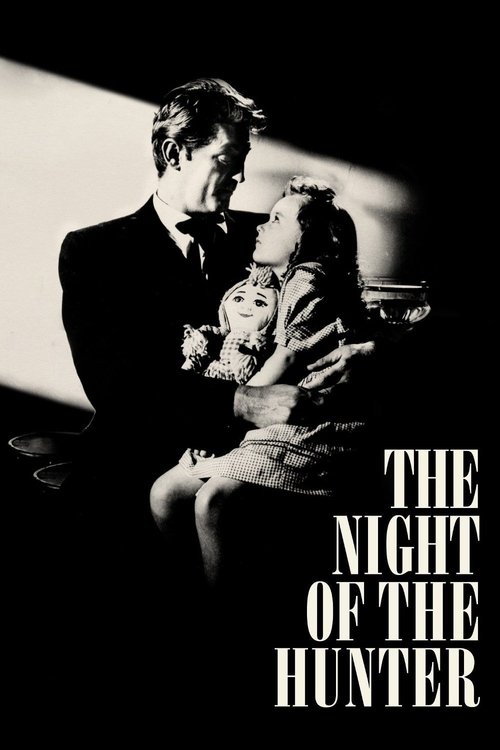
7. The Night of the Hunter
Charles Laughton's singular directorial effort, 'The Night of the Hunter' (1955), is a dark, expressionistic fairy tale that pits innocent children against the terrifying zealot Harry Powell, played with iconic menace by Robert Mitchum. Its stark, almost dreamlike black-and-white cinematography and Southern Gothic atmosphere create a chilling fable about good and evil. The film's unique visual language and unforgettable villain have influenced generations of filmmakers, cementing its place as a timeless masterpiece.
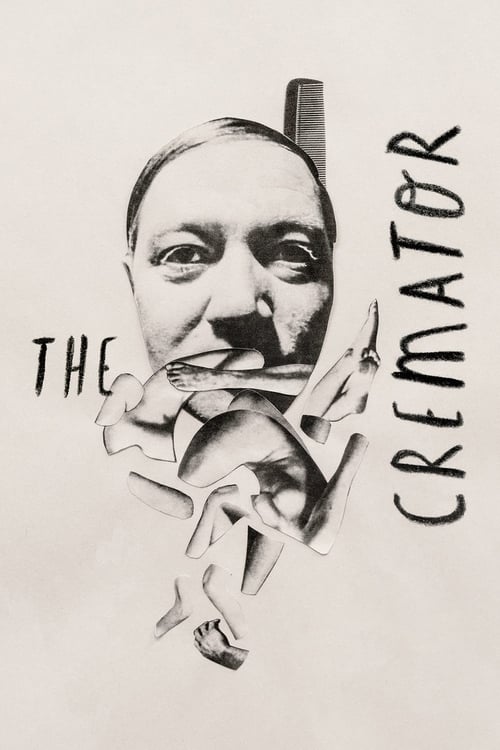
8. The Cremator
Juraj Herz’s 'The Cremator' (1969), a darkly comedic and chilling product of the Czechoslovak New Wave, observes the chilling transformation of a humble cremator into a zealous, deluded proponent of 'purification.' Rudolf Hrušínský's performance is captivatingly grotesque as he descends into fascism and madness during WWII. Its surreal visual style and macabre humor serve as a potent, unsettling allegory for the seductive nature of totalitarian ideologies and the banality of evil.