1. Planescape: Torment
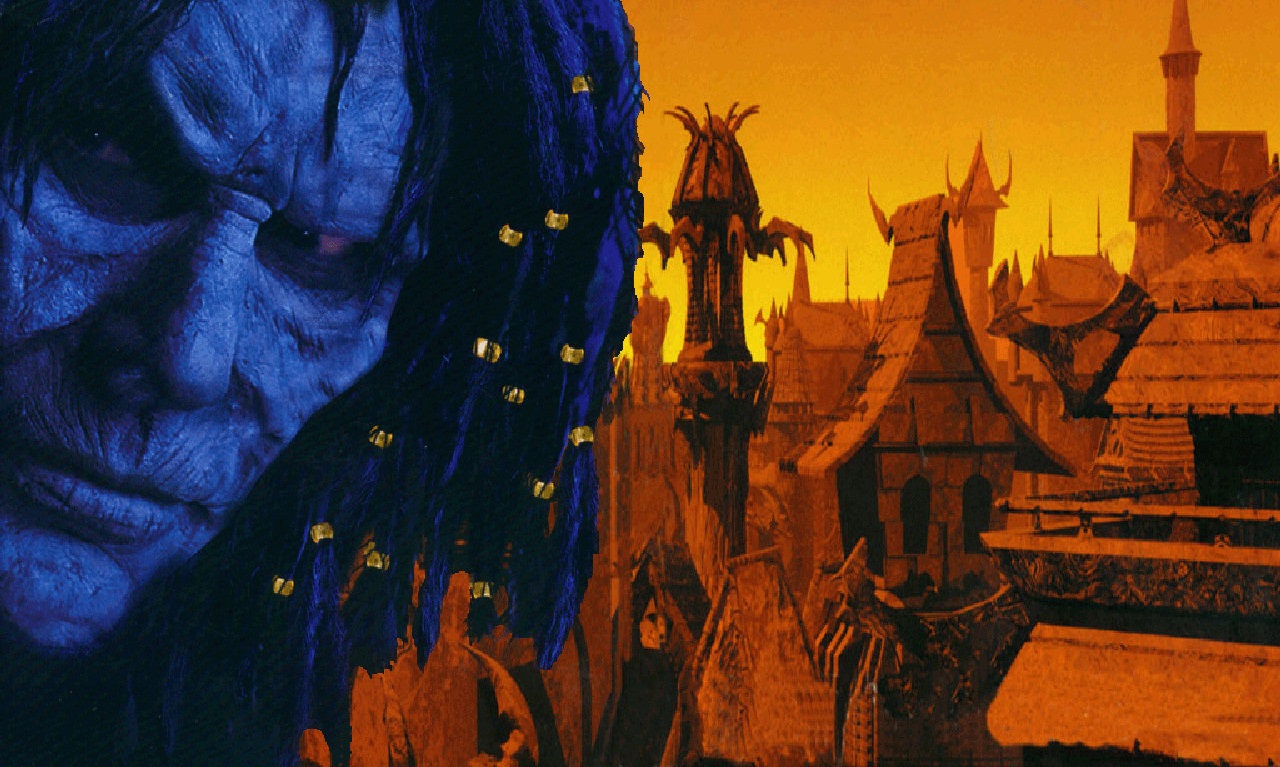
This 1999 RPG transcended typical fantasy tropes, plunging players into a philosophical journey. Its strength lay not in combat, but in dialogue and moral quandaries, exploring themes of identity and immortality. The Nameless One’s narrative was profoundly impactful, supported by a unique setting and memorable companions. It redefined storytelling in video games, proving that words could be more potent than swords, cementing its place as a cult classic for those seeking narrative depth over hack-and-slash action.
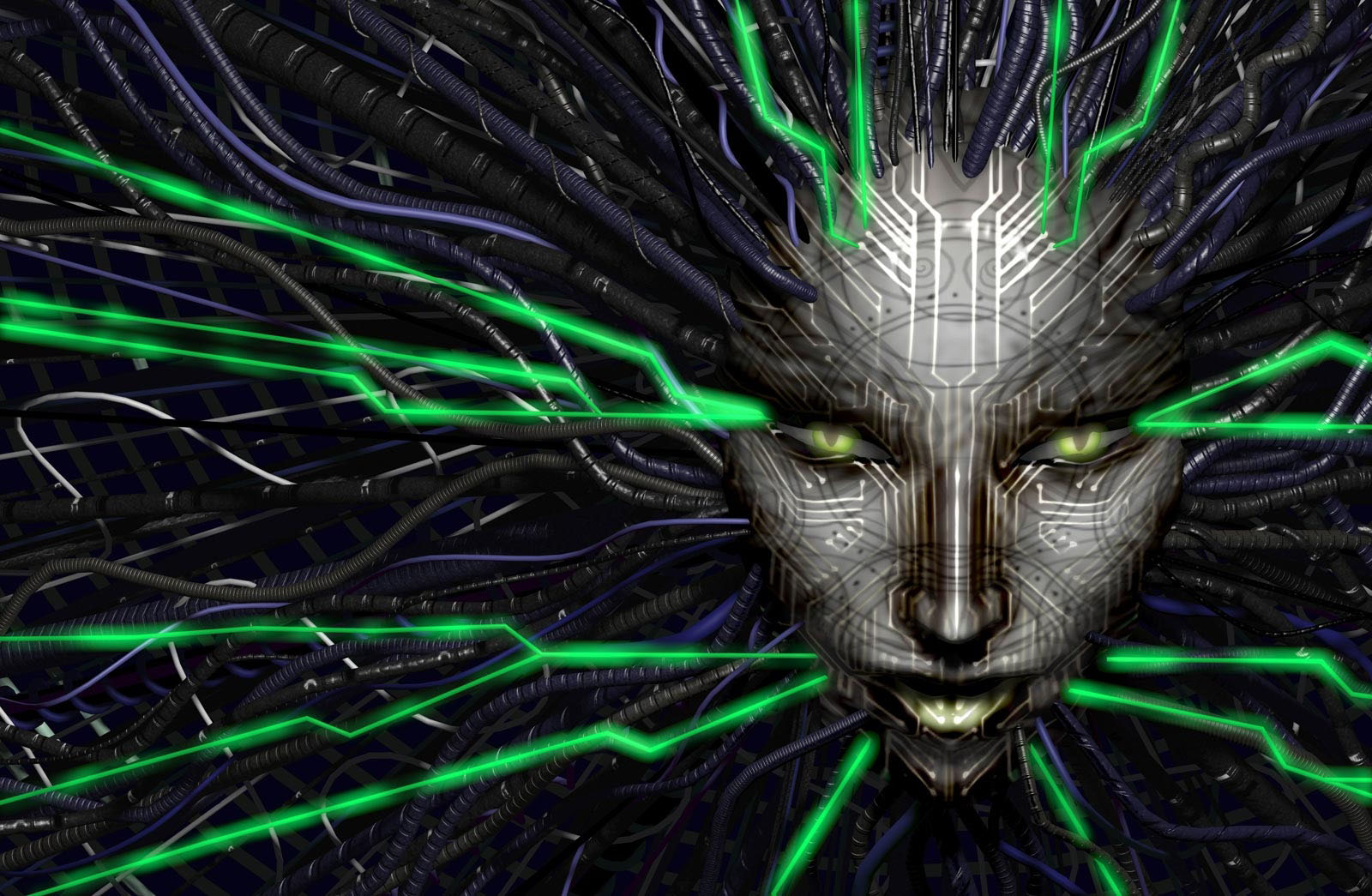
2. System Shock 2
Released in 1999, this game masterfully blended first-person shooter action with deep RPG mechanics and psychological horror. Stranded on a derelict starship, players navigated a terrifying, atmospheric environment, constantly battling resource scarcity and a sinister AI, SHODAN. Its emergent gameplay allowed diverse approaches to challenges, fostering a sense of dread and agency rarely matched. The immersive sim design pioneered elements still celebrated today, influencing countless titles in its wake.
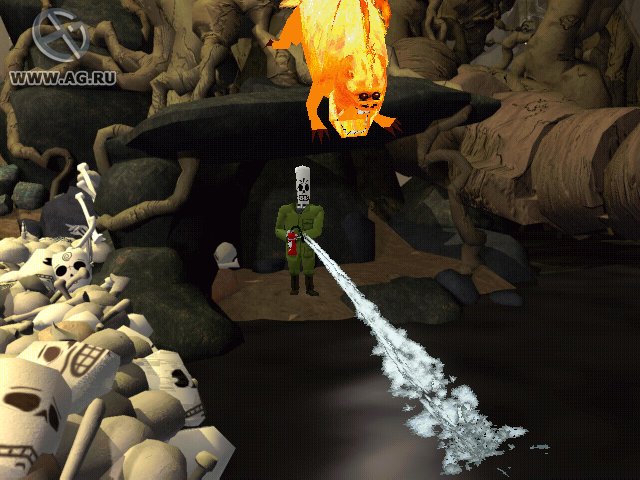
3. Grim Fandango
LucasArts’ 1998 adventure game was a stylistic marvel, weaving Mexican folklore with film noir aesthetics in a darkly comedic tale. Players followed Manny Calavera through the Land of the Dead, solving intricate puzzles and engaging with unforgettable characters. Its unique art direction and sharp writing created a world unlike any other, despite challenging traditional point-and-click conventions with its tank controls. A true artistic achievement, it remains a beloved, albeit commercially modest, classic.
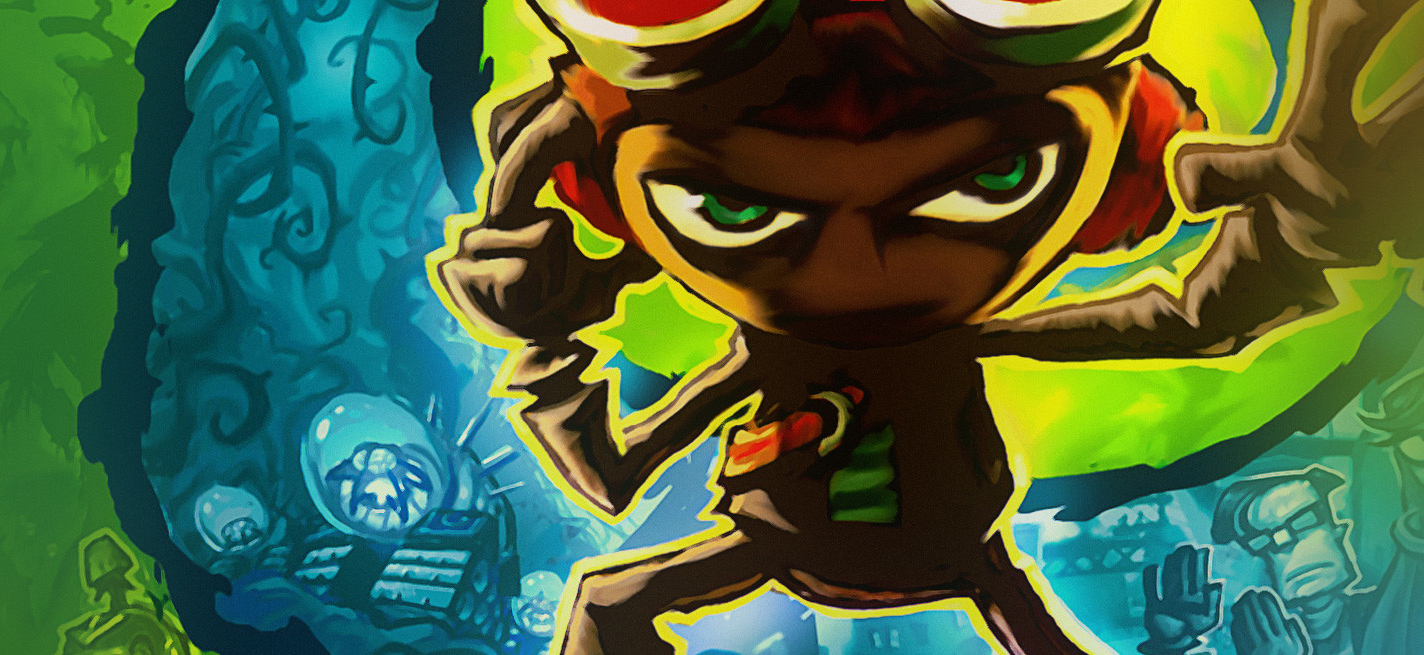
4. Psychonauts
Double Fine’s 2005 platformer sent players into the minds of others, quite literally. Razputin “Raz” Aquato’s journey through a summer camp for psychics was a riot of inventive level design, witty dialogue, and surprisingly poignant themes. Each mind-level was a unique, surreal landscape reflecting its owner’s psyche, making for a consistently fresh and humorous experience. It was a testament to creative vision, establishing a distinctive voice that resonated deeply with those who discovered it.
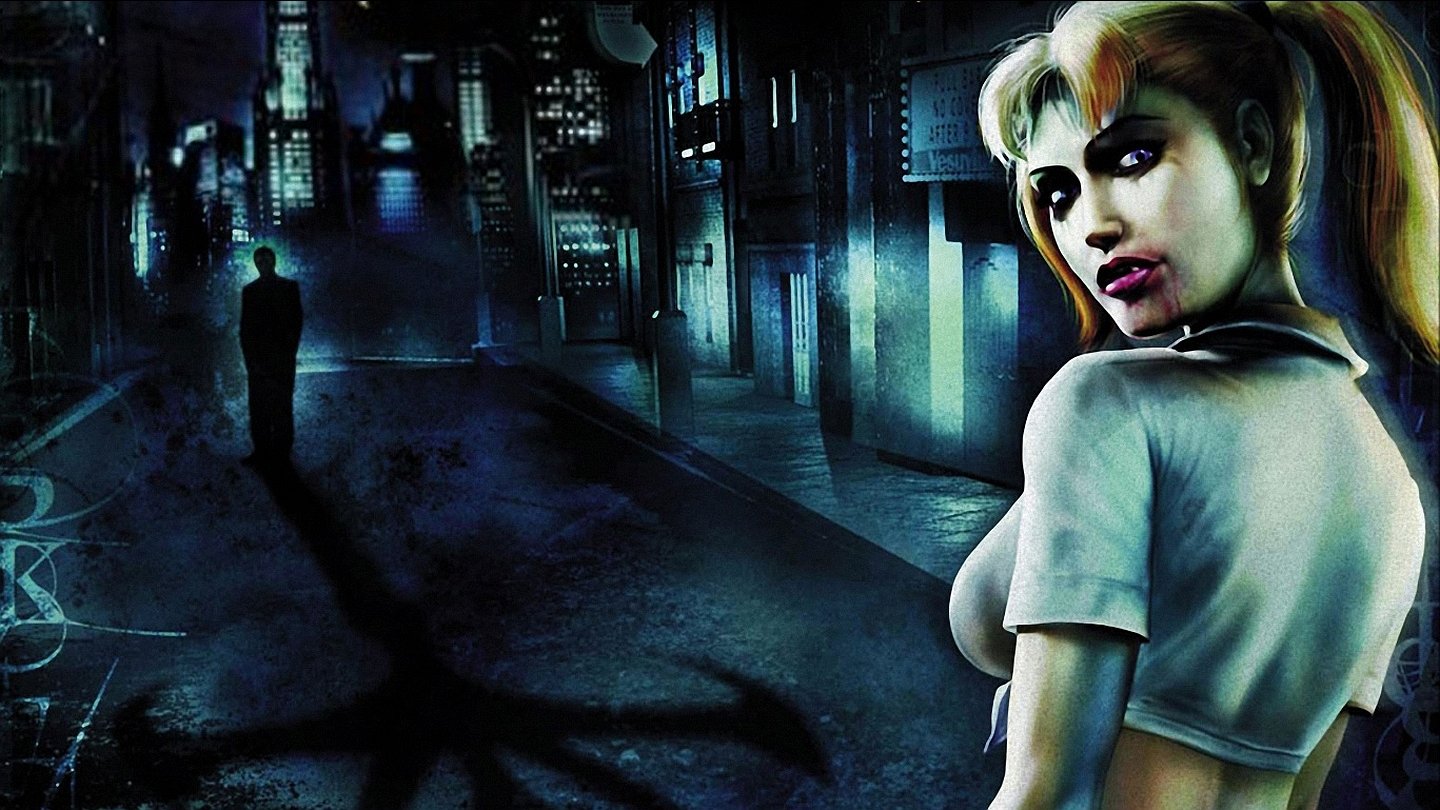
5. Vampire: The Masquerade - Bloodlines
This 2004 RPG, born from the World of Darkness tabletop universe, was an ambitious, flawed masterpiece. Players navigated the dark underbelly of Los Angeles as a newly turned vampire, choosing a clan and shaping their destiny. Despite a notoriously rushed launch riddled with bugs, its rich atmosphere, compelling characters, and branching dialogue choices captivated a dedicated fanbase. Its immersive world-building and player freedom set a high bar for urban fantasy RPGs.
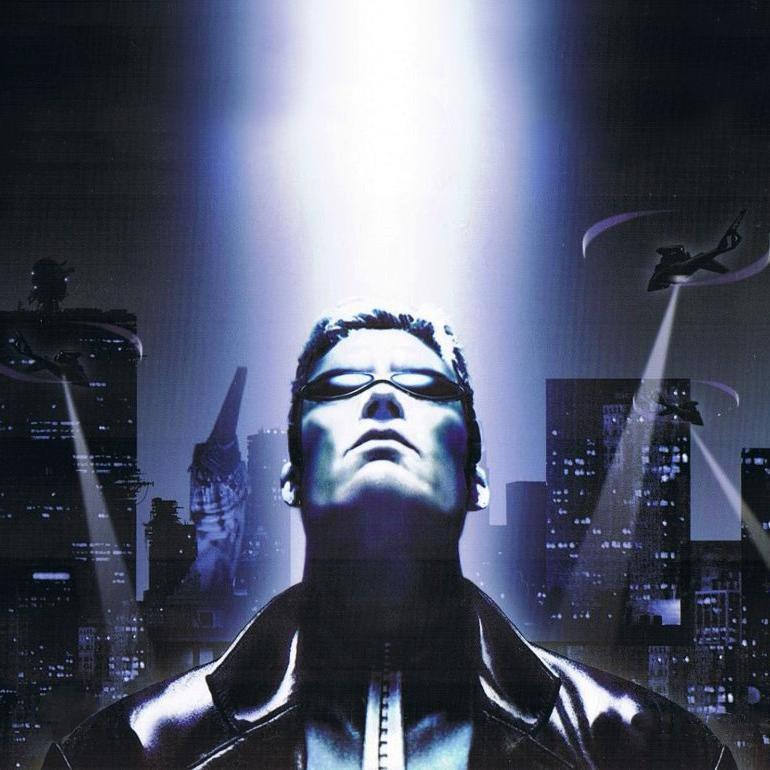
6. Deus Ex
The 2000 original was a benchmark for emergent gameplay and player choice. Set in a dystopian cyberpunk future, JC Denton’s story offered unparalleled freedom in approaching objectives, blending stealth, combat, and dialogue. Its intricate narrative explored conspiracy theories and transhumanism, while varied augmentation paths allowed for unique playstyles. Deus Ex was a true immersive sim, profoundly influencing game design by empowering players to forge their own path.
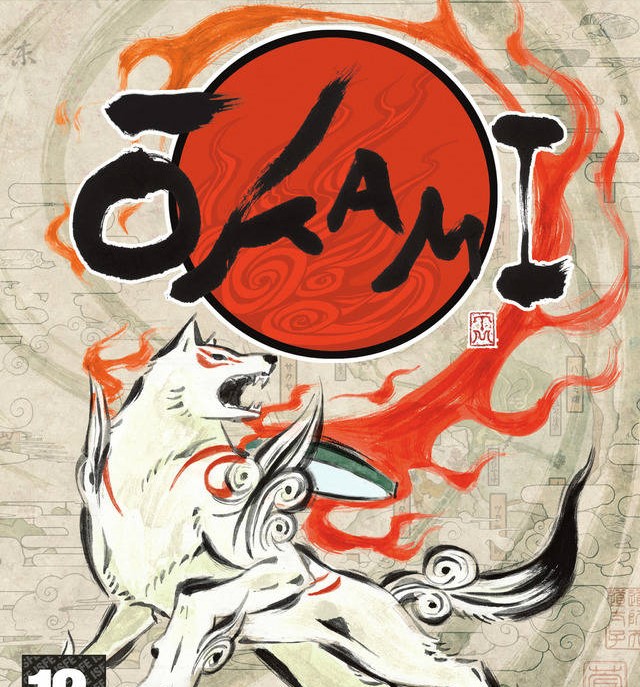
7. Okami
Clover Studio’s 2006 action-adventure game was a breathtaking homage to Japanese mythology and ukiyo-e art. Players embodied Amaterasu, the sun goddess in canine form, restoring color and life to a blighted world with the Celestial Brush. Its unique watercolor aesthetic and engaging combat, combined with a heartfelt story, made it a standout. Though it struggled commercially, its artistic merit and innovative gameplay have earned it enduring critical acclaim.
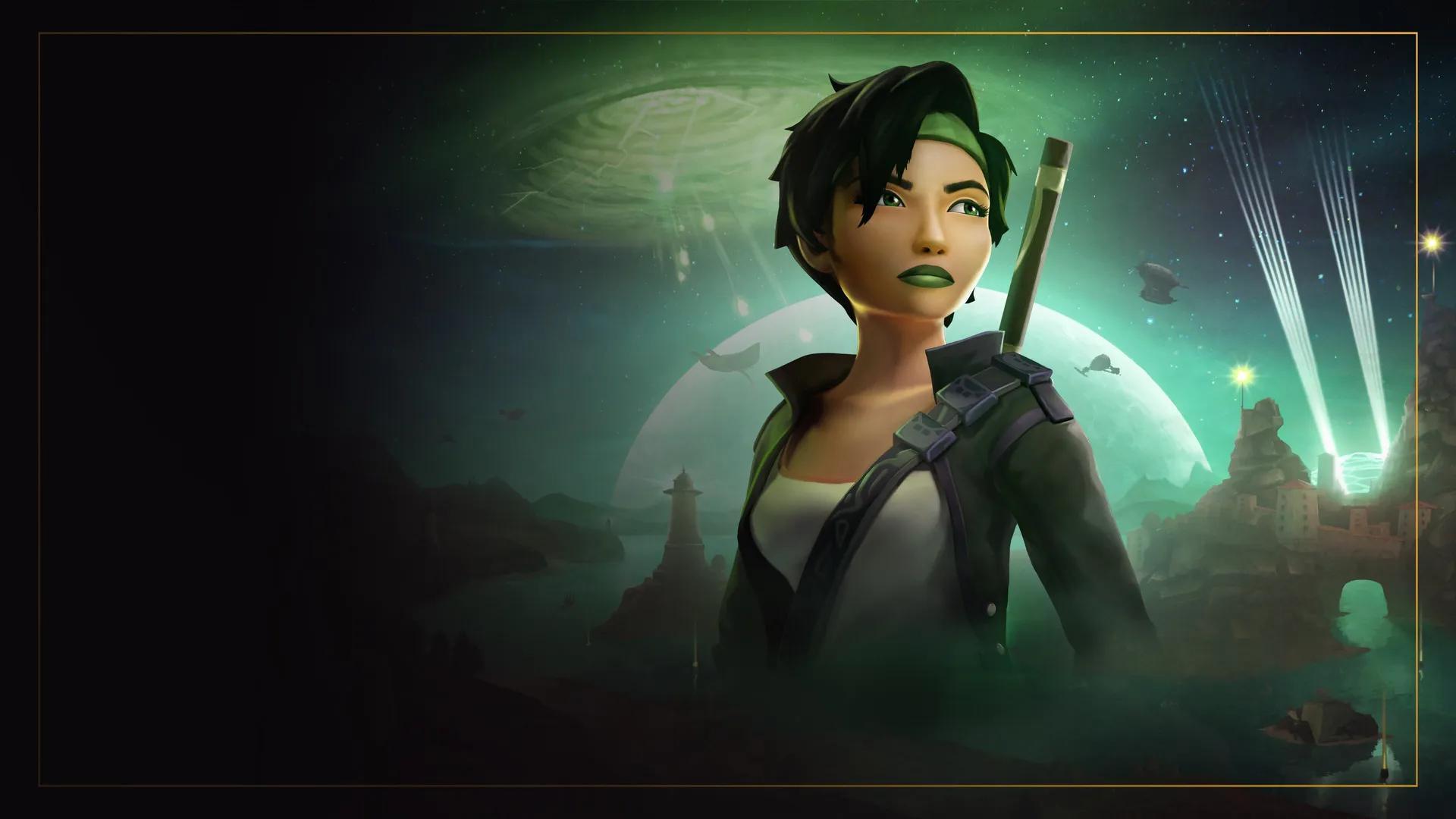
8. Beyond Good & Evil - 20th Anniversary Edition
This anniversary edition celebrates a 2003 cult classic, a vibrant action-adventure game starring photojournalist Jade. It captivated players with its unique blend of stealth, combat, puzzle-solving, and photography, all set against a compelling narrative of corporate conspiracy. The original struggled to find an audience, but its charm, memorable characters, and beautiful world have cemented its legacy. This updated version ensures its timeless appeal reaches new generations.
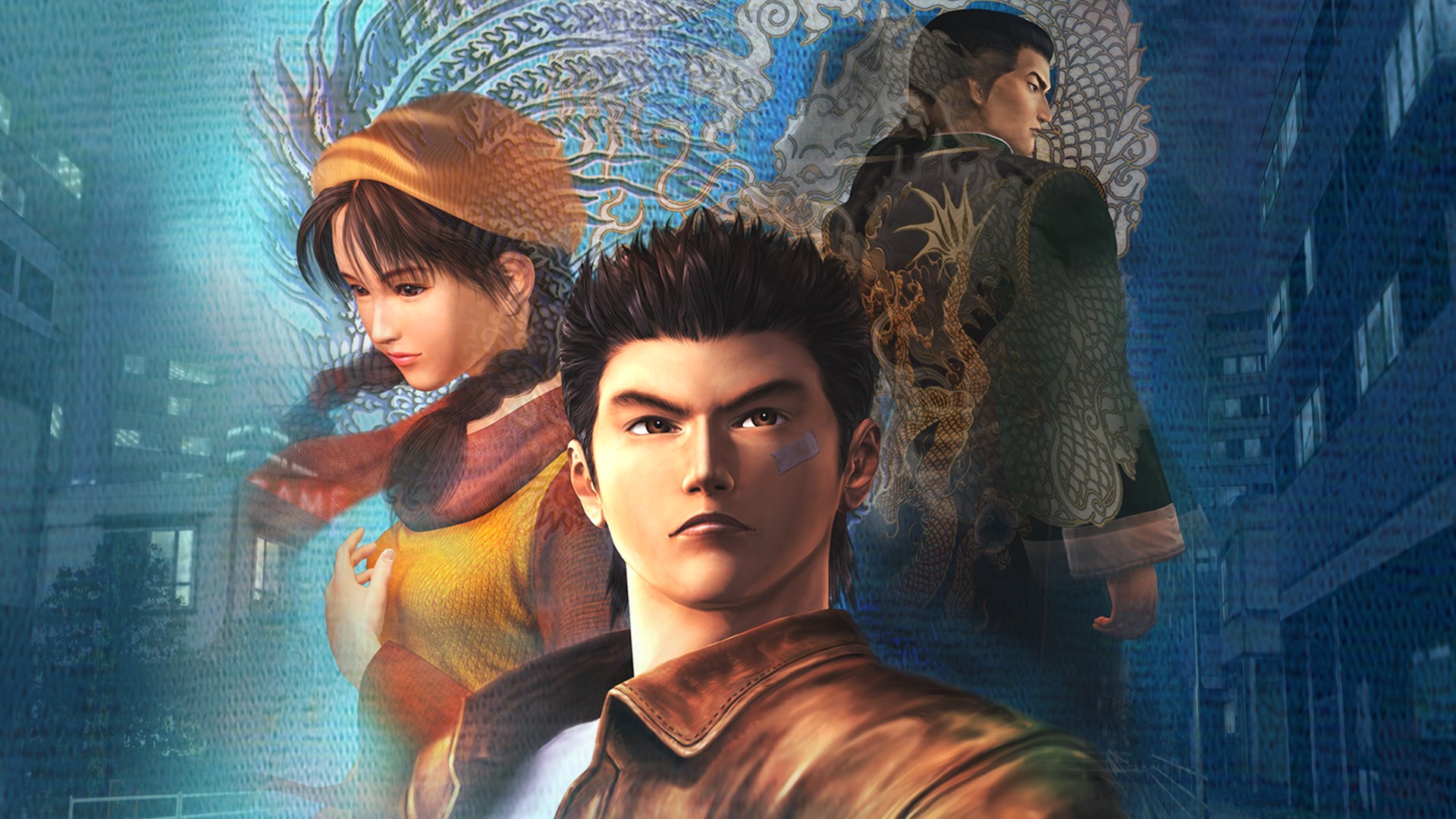
9. Shenmue
Sega’s 1999 Dreamcast epic was groundbreaking, creating a living, breathing world in 1980s Japan. Its "FREE" (Full Reactive Eyes Entertainment) system allowed unprecedented interaction with environments and NPCs, blending martial arts, detective work, and mundane daily life. Ryo Hazuki’s quest for revenge unfolded with cinematic scope, though its slow pace and high development costs contributed to its niche appeal. It remains a bold, influential experiment in open-world design.
10. killer7
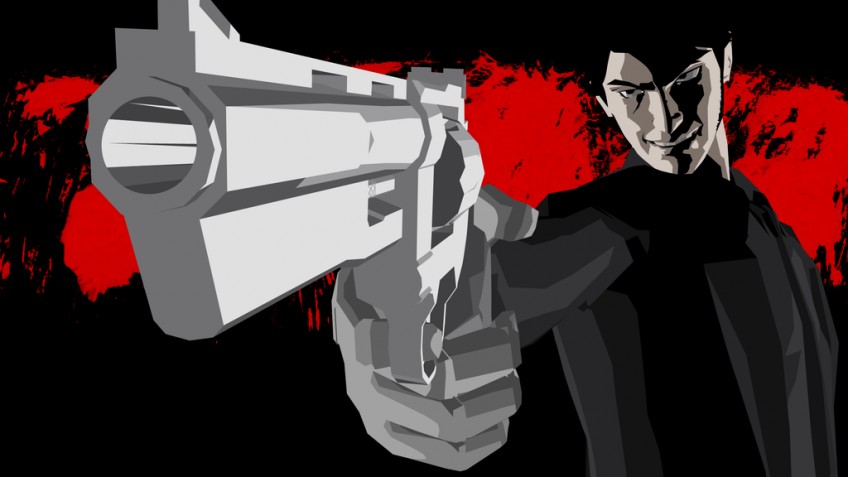
Suda51’s 2005 psychological thriller was a jarring, unforgettable experience. Its cel-shaded aesthetic and on-rails movement created a deeply stylized, violent narrative exploring political conspiracies and identity. Players switched between seven distinct personalities, each with unique abilities, engaging in bizarre, often unsettling encounters. killer7 was uncompromisingly artistic, a divisive yet undeniably influential title that pushed boundaries and challenged conventional game design.
11. ICO
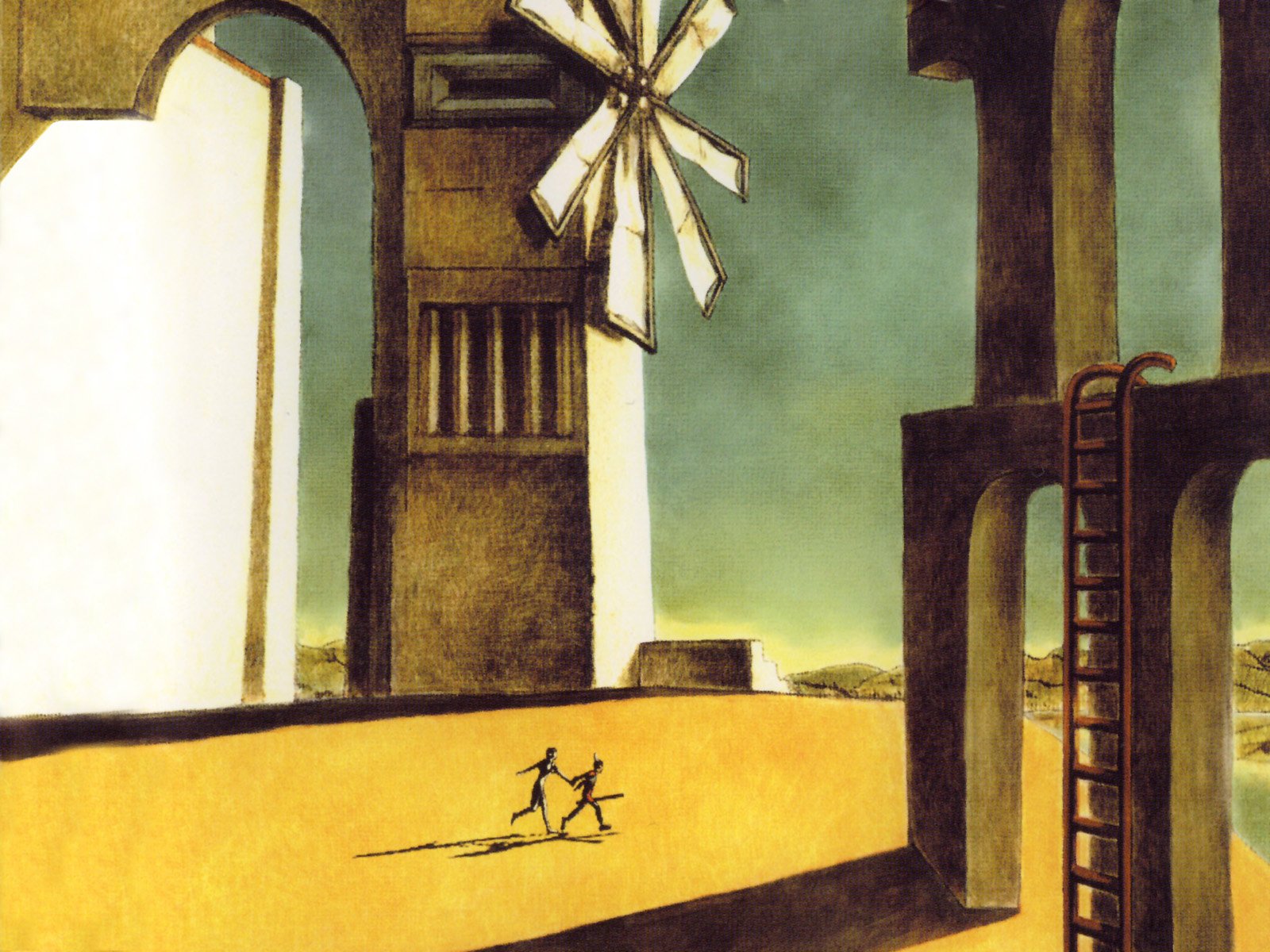
Team Ico’s 2001 PlayStation 2 title was a masterclass in minimalist design and emotional storytelling. Players, as the horned boy Ico, guided and protected the ethereal girl Yorda through a haunting, desolate castle. Its evocative atmosphere, subtle narrative, and unique co-operative mechanics fostered a profound sense of connection and vulnerability. Without dialogue, ICO communicated volumes through its visuals and gameplay, creating an experience of quiet, desperate beauty.
12. Commandos: Behind Enemy Lines
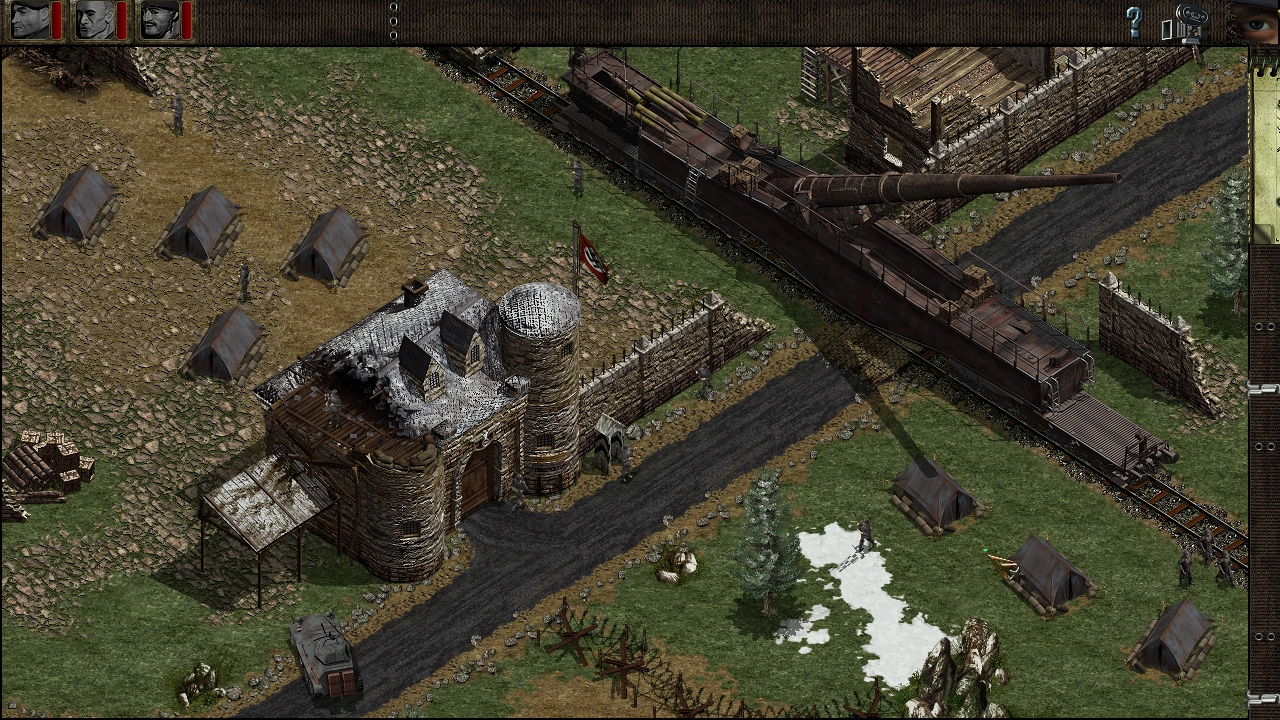
Released in 1998, this real-time tactics game was brutally challenging and deeply rewarding. Players controlled a small squad of elite WWII operatives, each with specialized skills, completing intricate missions behind enemy lines. Its meticulous design required strategic planning, precise execution, and an encyclopedic knowledge of enemy patrol patterns. Commandos demanded patience and ingenuity, carving out a niche for hardcore tactical enthusiasts who relished its unforgiving difficulty.