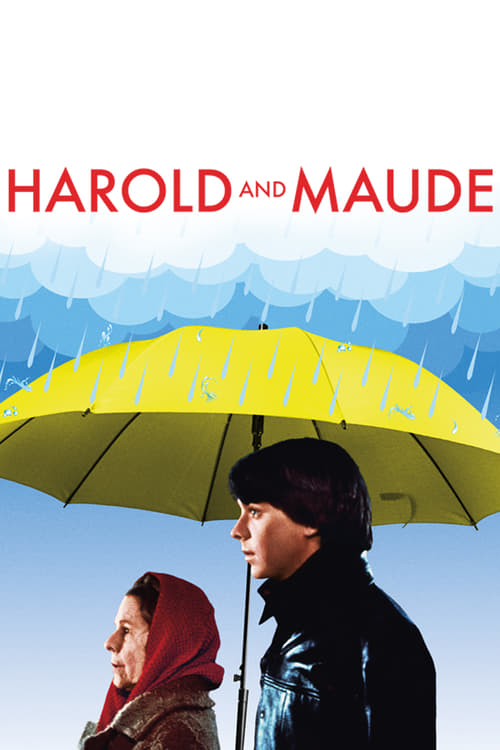
1. Harold and Maude
Hal Ashby’s singular vision of a morbid young man and an octogenarian free spirit remains a vital, off-kilter romantic comedy. It’s a testament to finding joy and connection in unexpected places, challenging societal norms around age and convention with a mischievous grin. The film, firmly rooted in early 70s counter-culture, celebrates life's embrace in the face of existential ennui, underscored by Cat Stevens' poignant soundtrack. A true cinematic oddity that endures.
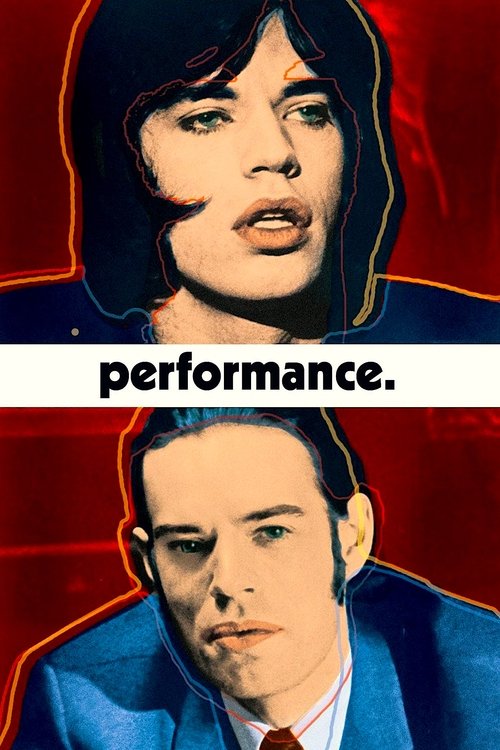
2. Performance
Directed by Nicolas Roeg and Donald Cammell, this film is a hallucinatory plunge into identity dissolution and psychedelic excess. James Fox's gangster and Mick Jagger's reclusive rock star collide in a London townhouse, blurring lines of gender, ego, and reality. A quintessential artifact of late 60s British counter-culture, its fractured narrative and audacious editing push the boundaries of cinematic storytelling, leaving an unsettling, unforgettable impression.
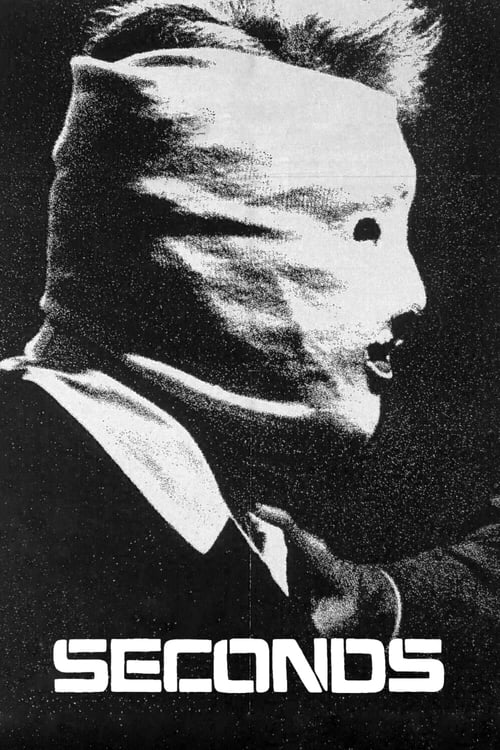
3. Seconds
John Frankenheimer's chilling sci-fi thriller explores the ultimate identity crisis. A disillusioned banker undergoes a radical procedure to shed his old life, only to find the new one a gilded cage. Rock Hudson’s brave, vulnerable performance anchors this unsettling meditation on consumerism, existential dread, and the elusive nature of happiness in post-war America. It's a stark, often terrifying, commentary on societal pressures and personal reinvention.
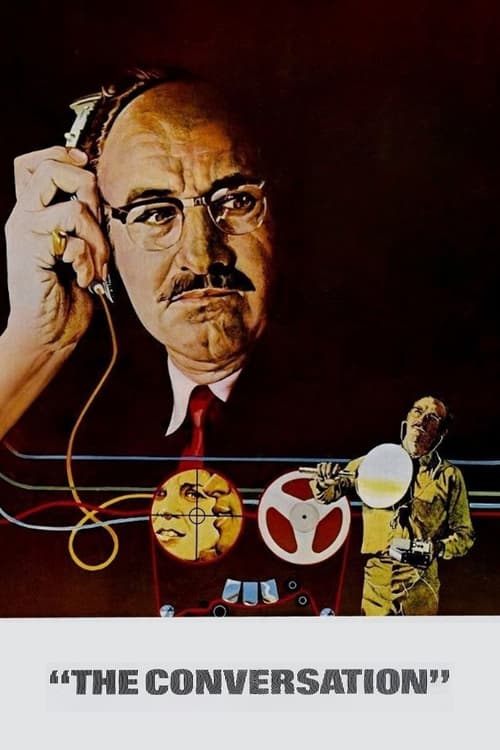
4. The Conversation
Francis Ford Coppola’s masterful psychological thriller, released amidst the Watergate scandal, is a profound study of paranoia and professional guilt. Gene Hackman plays a surveillance expert whose meticulous work unravels his own moral compass. The film’s deliberate pacing and claustrophobic sound design immerse the viewer in a world of unseen threats and whispered secrets, reflecting a deeply uneasy American consciousness. It’s a quiet, devastating examination of ethical responsibility.
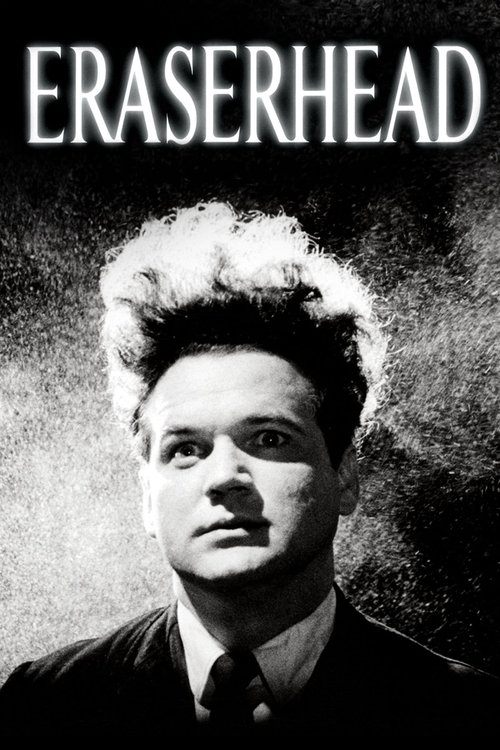
5. Eraserhead
David Lynch's debut feature is a stark, monochromatic descent into industrial-age anxiety and domestic horror. A truly singular vision, it juxtaposes grotesque body horror with mundane, suffocating urban decay, creating a dream logic that's both deeply unsettling and darkly comedic. This film established Lynch's inimitable auteur voice, exploring themes of fatherhood, sexuality, and existential dread through surreal, unforgettable imagery. It's a deeply personal, visceral experience.
6. Meshes of the Afternoon
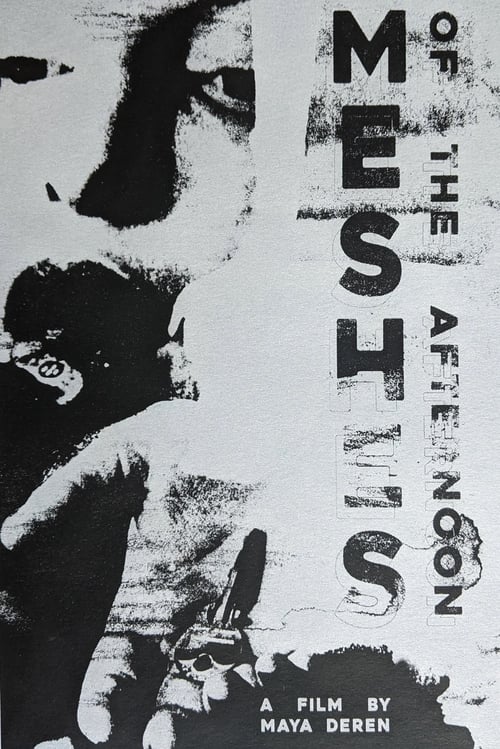
Maya Deren’s seminal avant-garde short film is a hypnotic, dreamlike exploration of a woman's subconscious. Through repetitive imagery, symbolic objects, and a non-linear narrative, Deren crafts a cyclical journey into interiority and fragmentation. This foundational work of experimental cinema, co-directed with Alexander Hammid, challenged conventional storytelling, demonstrating the profound poetic potential of the moving image and influencing generations of filmmakers.
7. Walker
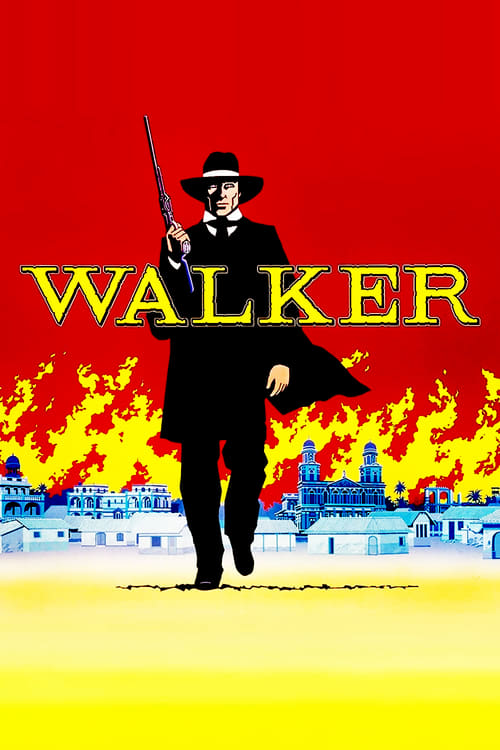
Alex Cox’s audacious historical satire re-imagines William Walker’s 19th-century American mercenary adventures in Nicaragua with a deliberately anachronistic punk rock sensibility. It’s a biting, prescient critique of American imperialism, interventionism, and the cyclical nature of history. Cox’s refusal to adhere to period authenticity foregrounds the film’s political commentary, making it a confrontational, thought-provoking piece that resonates with contemporary geopolitical discussions.
8. The Vanishing
George Sluizer’s original Dutch-French thriller is a masterclass in psychological dread, a film whose power lies in its chilling ambiguity and relentless focus on obsession. A man's desperate search for his abducted girlfriend becomes a terrifying descent into the mind of her captor. It's a slow-burn exercise in suspense, exploring the darkest corners of human curiosity and the terrifying banality of evil. Unforgettable for its lack of easy answers.