
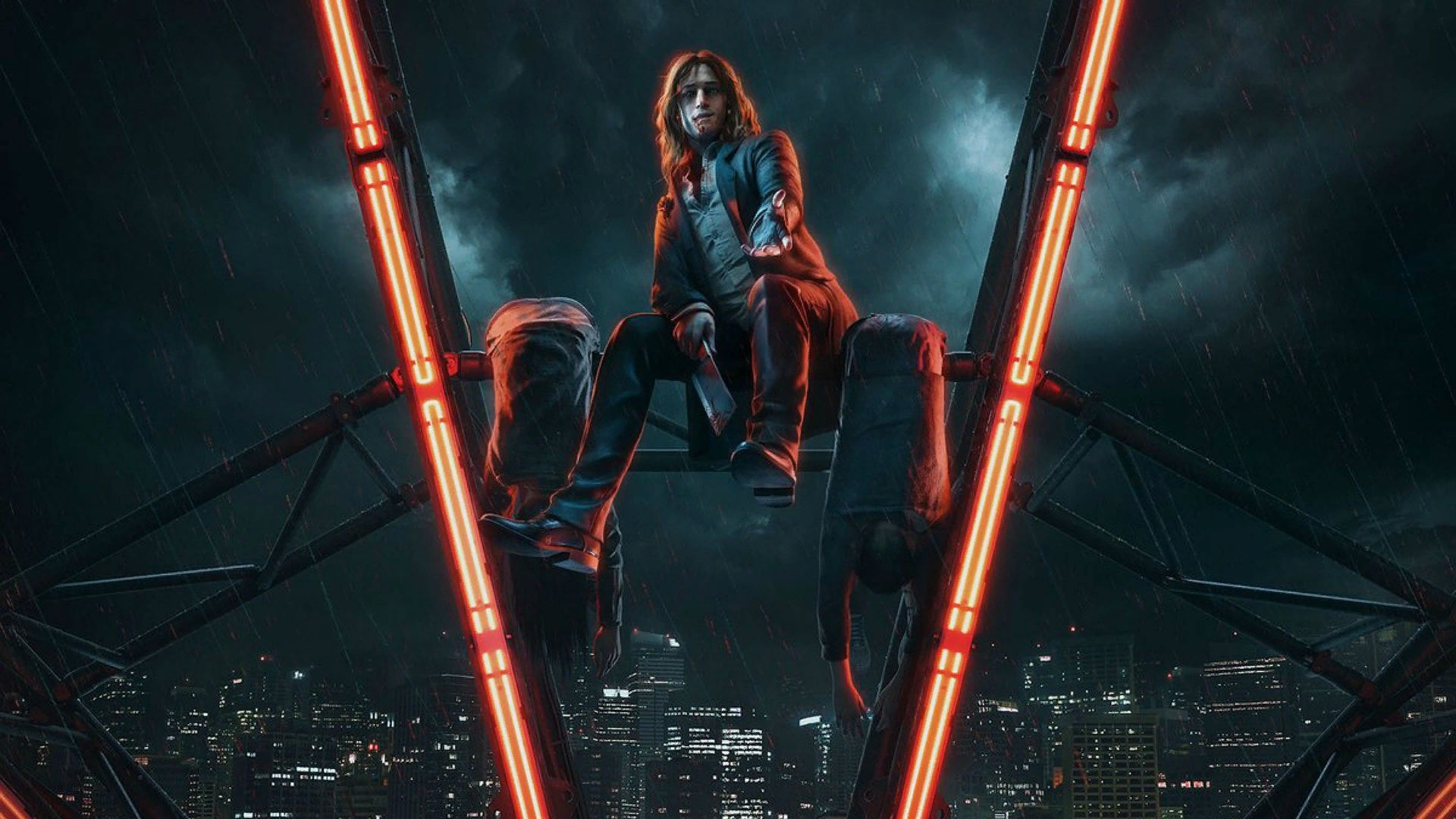
1. Vampire: The Masquerade – Bloodlines 2
Man, talk about a poster child for development hell. Vampire: The Masquerade – Bloodlines 2 has been a narrative of false starts, studio changes, and endless delays. It’s a stark reminder that even a beloved predecessor can’t guarantee a smooth ride for its sequel. The hype, or lack thereof, has morphed into a cautionary tale, proving that sometimes, true genius isn't about launch day at all, but about whether the game even makes it *to* launch. It's a game stuck in perpetual pre-production purgatory, a masterpiece in waiting, or perhaps, in never-being.
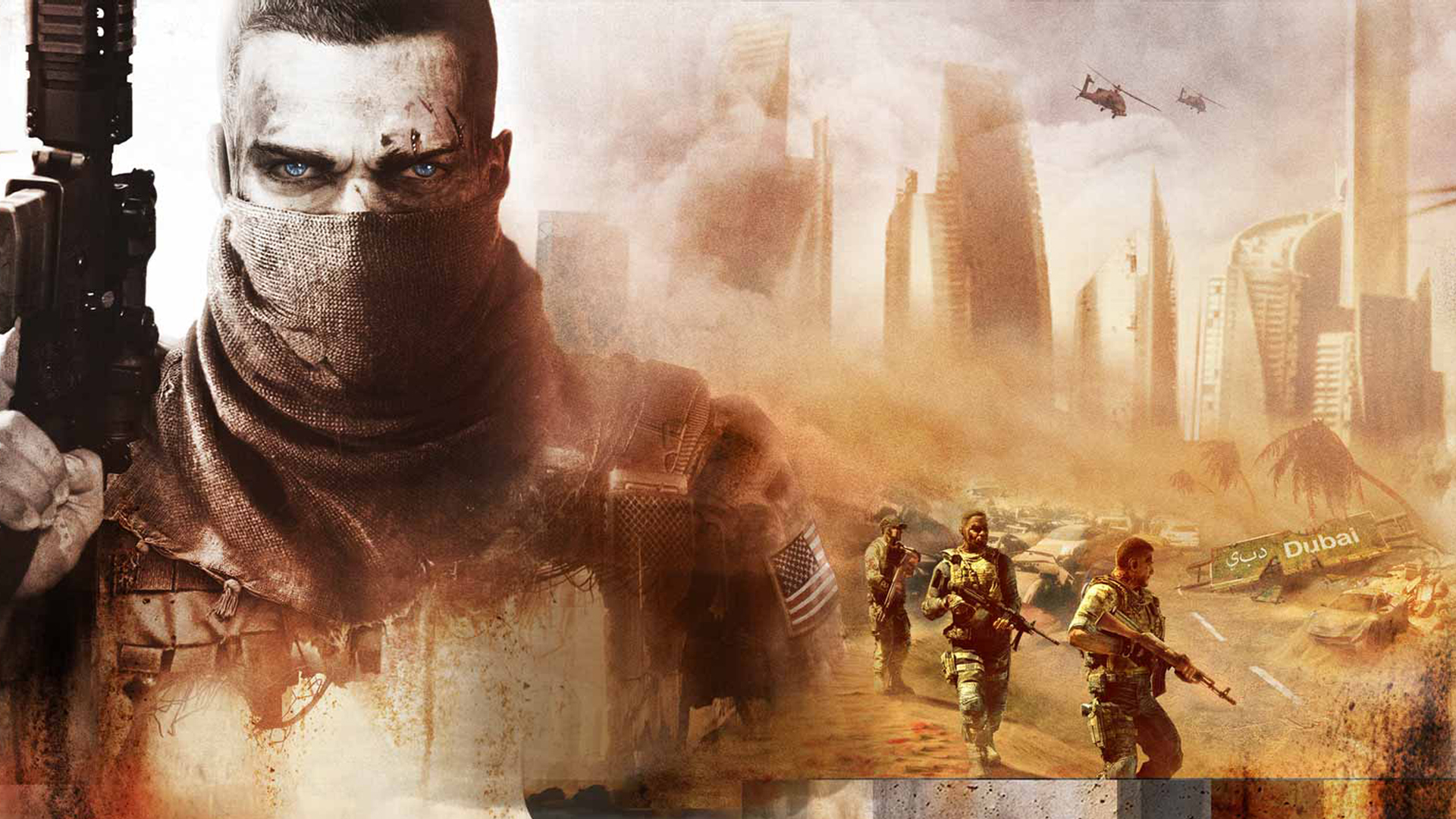
2. Spec Ops: The Line
Spec Ops: The Line wasn't just another shooter; it was a gut-punch wrapped in sand and moral ambiguity. While the gameplay loop itself felt pretty standard at the time, its unflinching deconstruction of military fantasy and player agency left an indelible mark. It didn't sell gangbusters on release, but its narrative genius and willingness to make you, the player, question your own role, cemented its status as a grim, thought-provoking classic. And honestly, it still stings.
3. Alpha Protocol
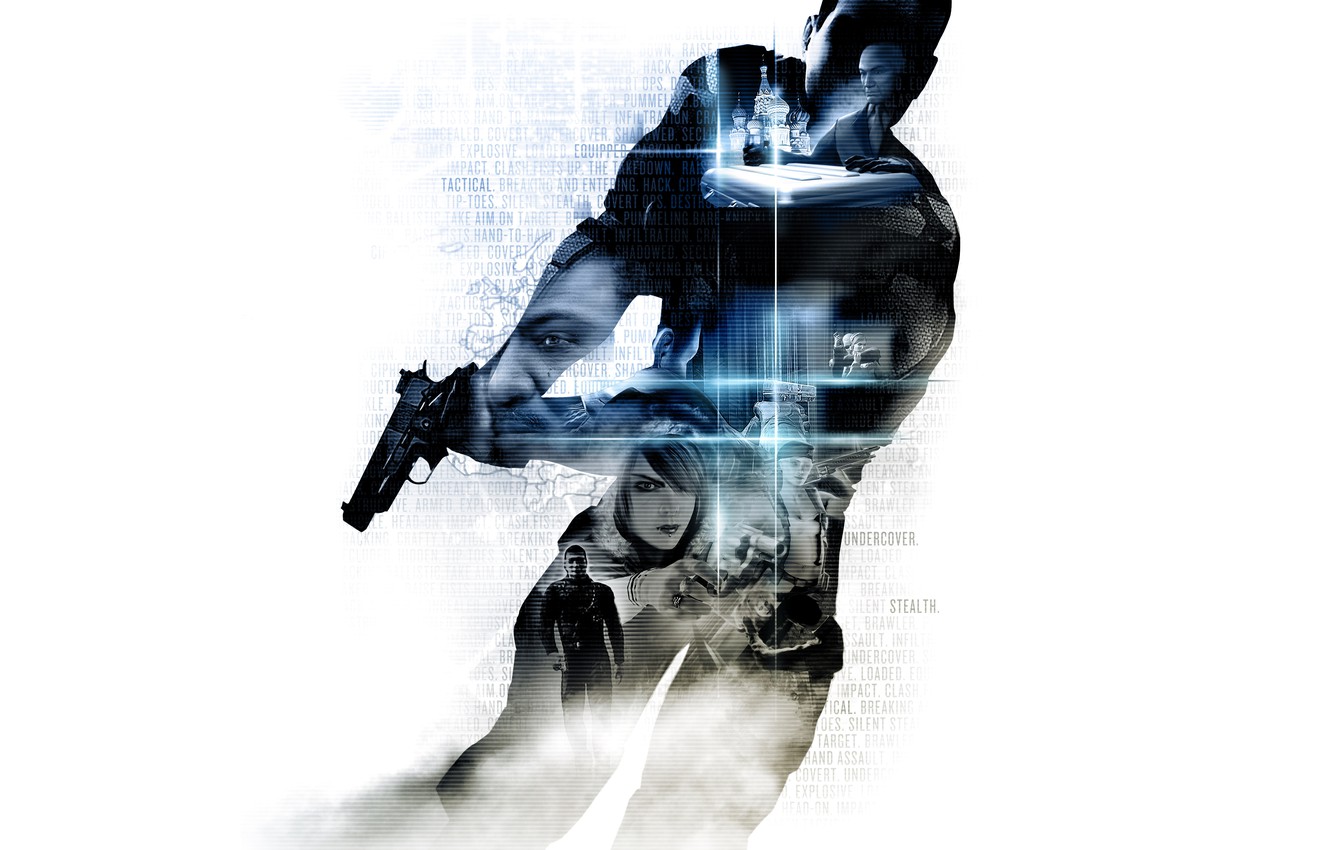
Obsidian's Alpha Protocol was a beautiful mess, a spy RPG that dared to let player choices genuinely reshape its narrative in ways most AAA games still shy away from. Sure, the combat was clunky, and the graphics weren't pushing any envelopes, but that branching dialogue and reputation system? Pure gold. It got buried by its flaws at launch, yet its ambition and sheer replayability have earned it a fiercely loyal cult following. A true diamond in the rough.
4. Giants: Citizen Kabuto
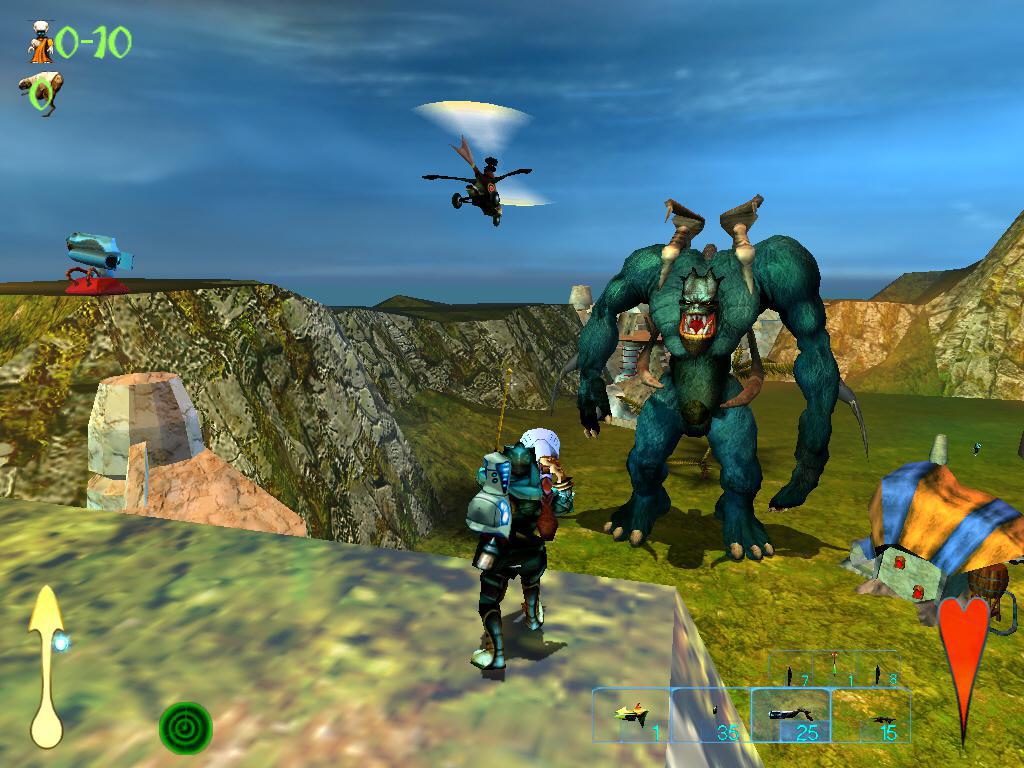
Giants: Citizen Kabuto was just *weird*, and wonderfully so. It blended third-person action with strategic base-building and even let you play as a colossal monster. This game was way ahead of its time with its asymmetric multiplayer and quirky humor. It never quite found its massive audience, probably because it was so genre-bending, but anyone who played it remembers its unique charm and innovative spirit. A truly unappreciated gem that dared to be different.
5. Enslaved: Odyssey to the West
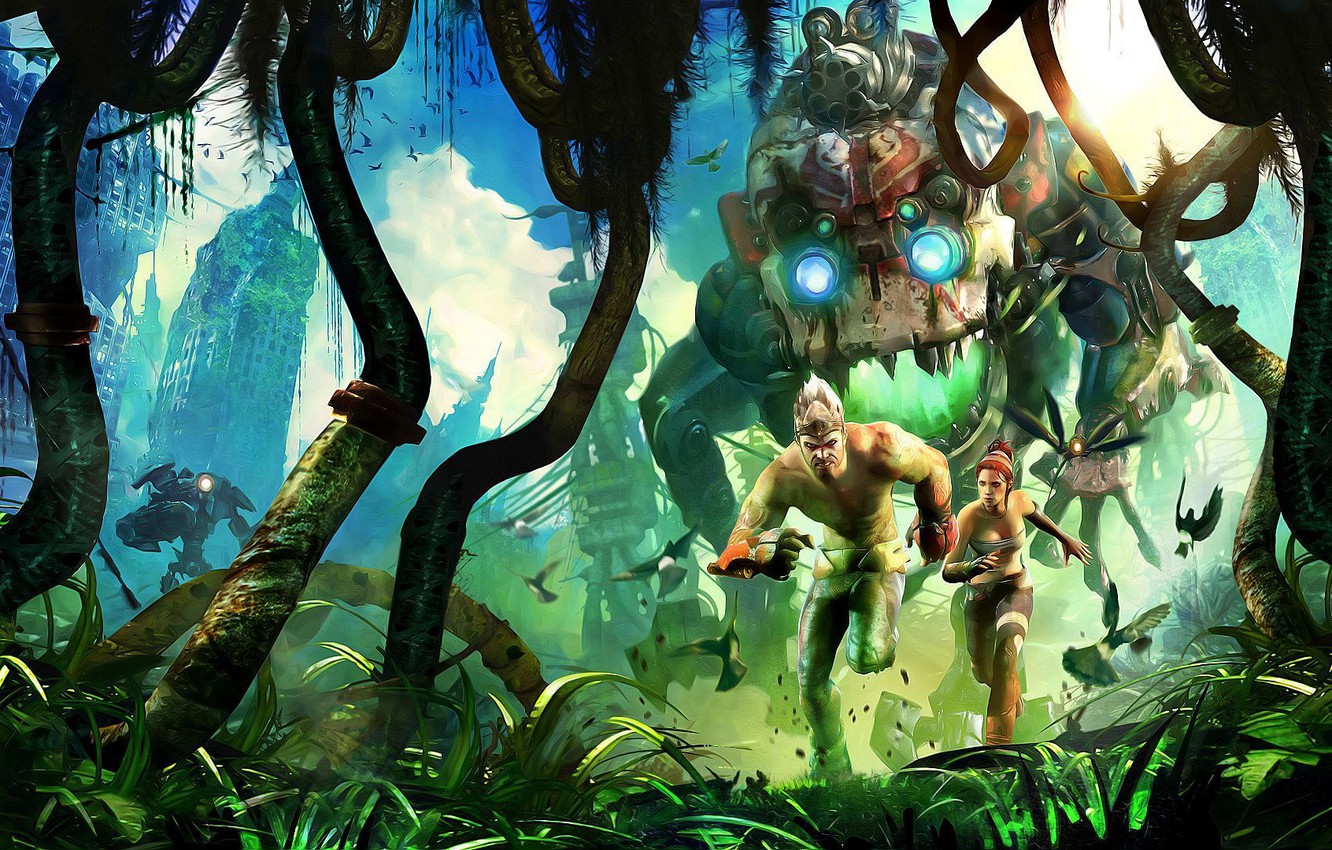
Enslaved: Odyssey to the West proved Ninja Theory could craft stunning worlds and emotional narratives long before *Hellblade*. Its vibrant post-apocalyptic setting and the evolving relationship between Monkey and Trip were simply captivating. Despite its gorgeous art direction and engaging platforming, it struggled to find commercial success. Yet, those who experienced its journey still champion its heartfelt story and unique visual style. It's a masterclass in character-driven adventure that deserved so much more.
6. Prey
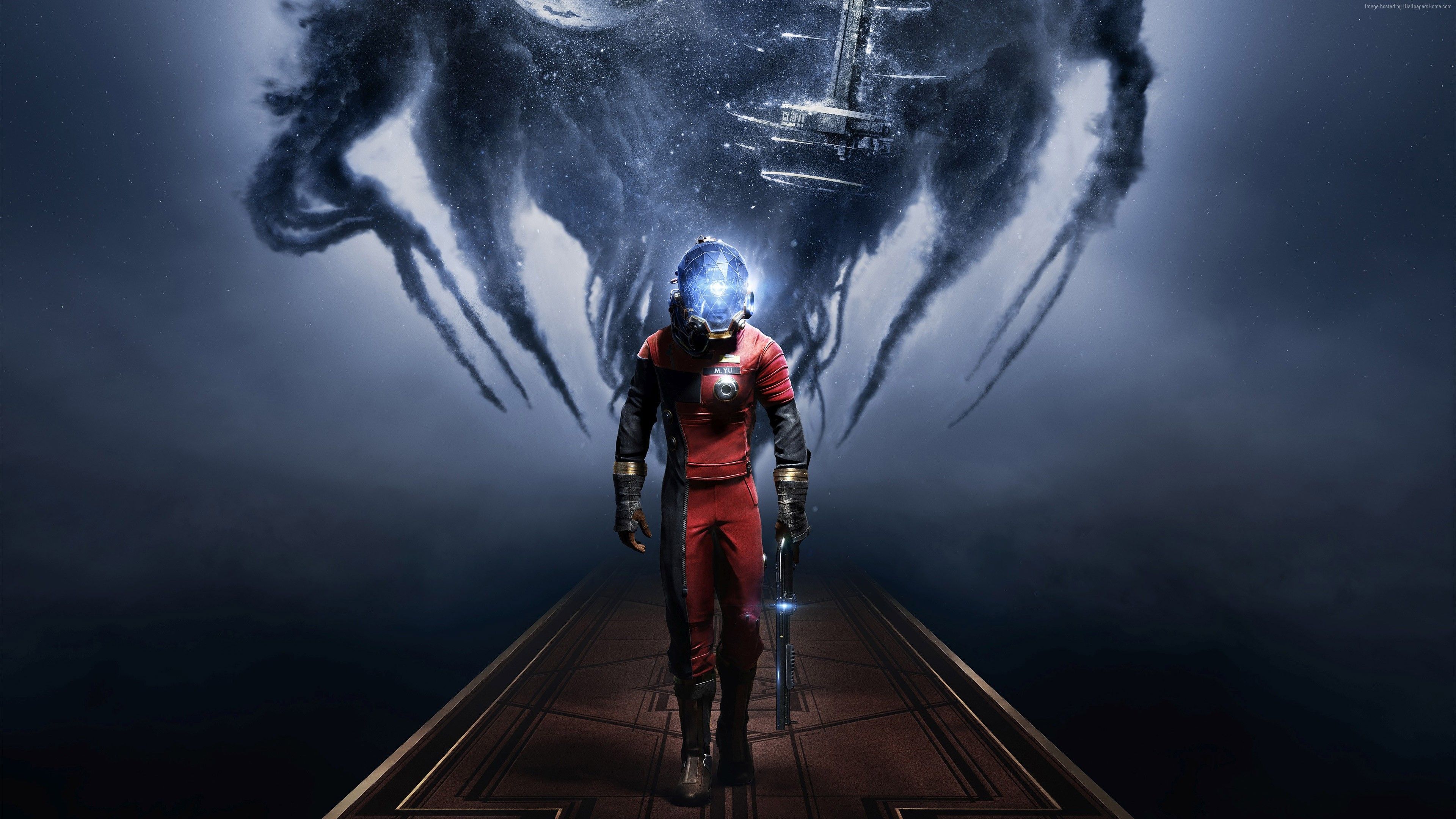
Arkane's Prey was an immersive sim masterpiece that got unfairly overshadowed. It was a System Shock spiritual successor, filled with mind-bending choices, shape-shifting enemies, and a meticulously crafted space station. Despite critical praise, it often struggled to gain traction, partly due to brand confusion with the 2006 title. But its intricate level design, emergent gameplay, and truly unsettling atmosphere have solidified its place as a modern classic among discerning players. A slow burn, but utterly brilliant.
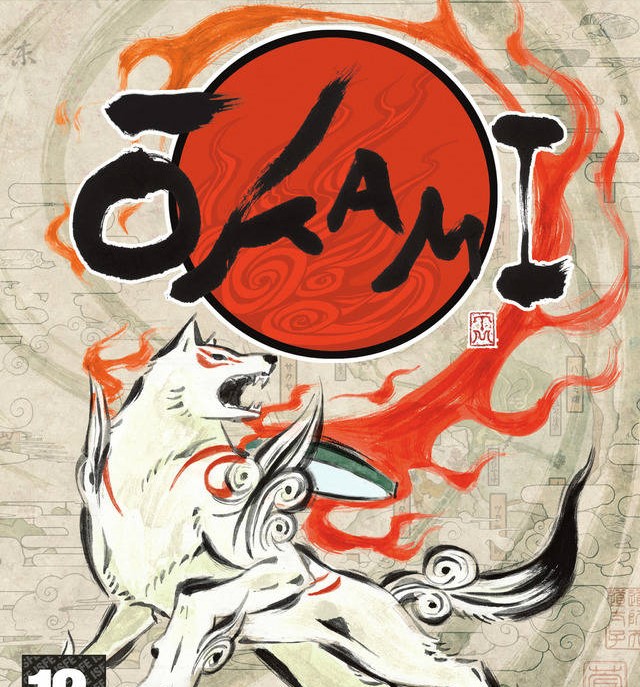
7. Okami
Okami is pure art in motion, a stunning cel-shaded adventure that feels like playing a living Japanese scroll painting. Its unique celestial brush mechanics and heartwarming story about the sun goddess Amaterasu battling darkness were, and still are, unparalleled. Yet, it notoriously underperformed on its initial PS2 launch, proving that sometimes, commercial success doesn't immediately align with artistic brilliance. Thankfully, its numerous re-releases have allowed more players to finally experience this vibrant, unforgettable masterpiece.
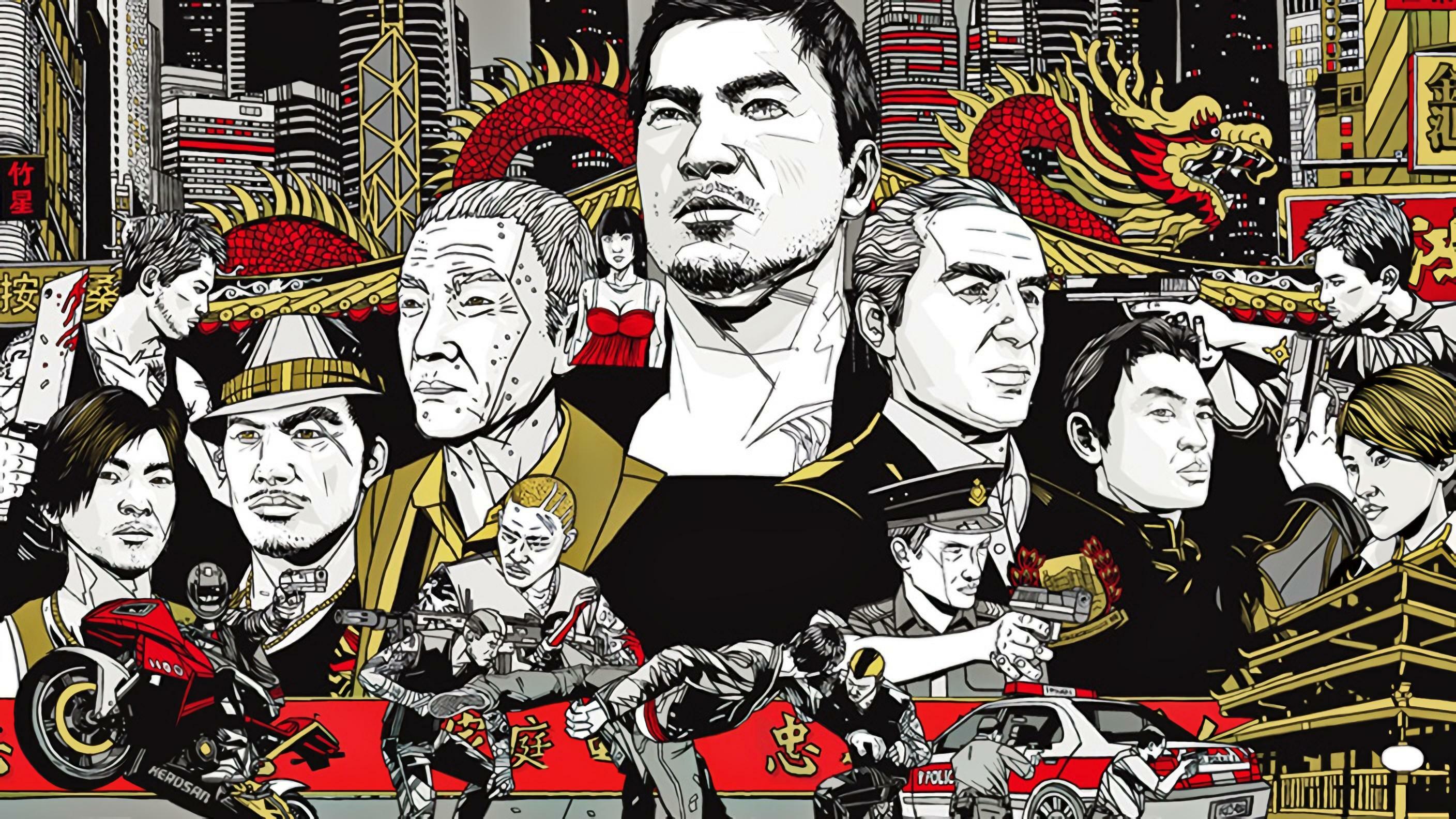
8. Sleeping Dogs
Sleeping Dogs was the open-world game nobody asked for, yet everyone who played it fell in love. Set in a grimy, vibrant Hong Kong, its brutal martial arts combat, gripping undercover cop narrative, and incredible atmosphere made it stand out from the GTA-likes. It didn't have the marketing budget of its peers, but its unique flavor and phenomenal hand-to-hand combat system carved out its own niche. Seriously, the pork bun scene alone is legendary.
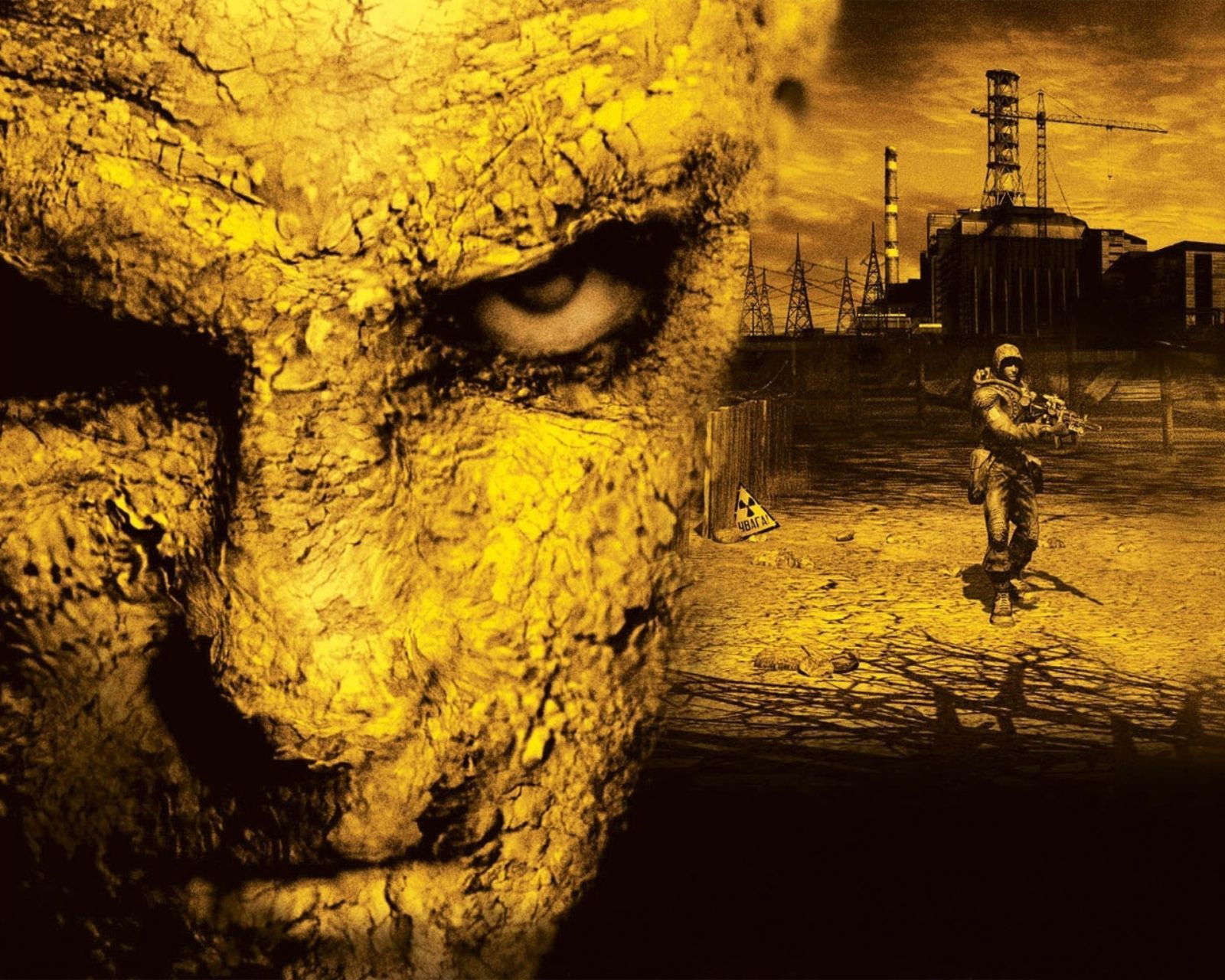
9. S.T.A.L.K.E.R.: Shadow of Chernobyl
S.T.A.L.K.E.R.: Shadow of Chernobyl was a rough diamond, an unforgiving, atmospheric, and utterly unique blend of FPS and RPG set in the radioactive Zone. Its launch was notoriously buggy, alienating many, but those who persevered found an unparalleled sense of dread, exploration, and emergent gameplay. It carved a niche, influencing countless survival games, and its raw, brutal depiction of a post-apocalyptic landscape remains iconic. True genius often comes with a steep learning curve.
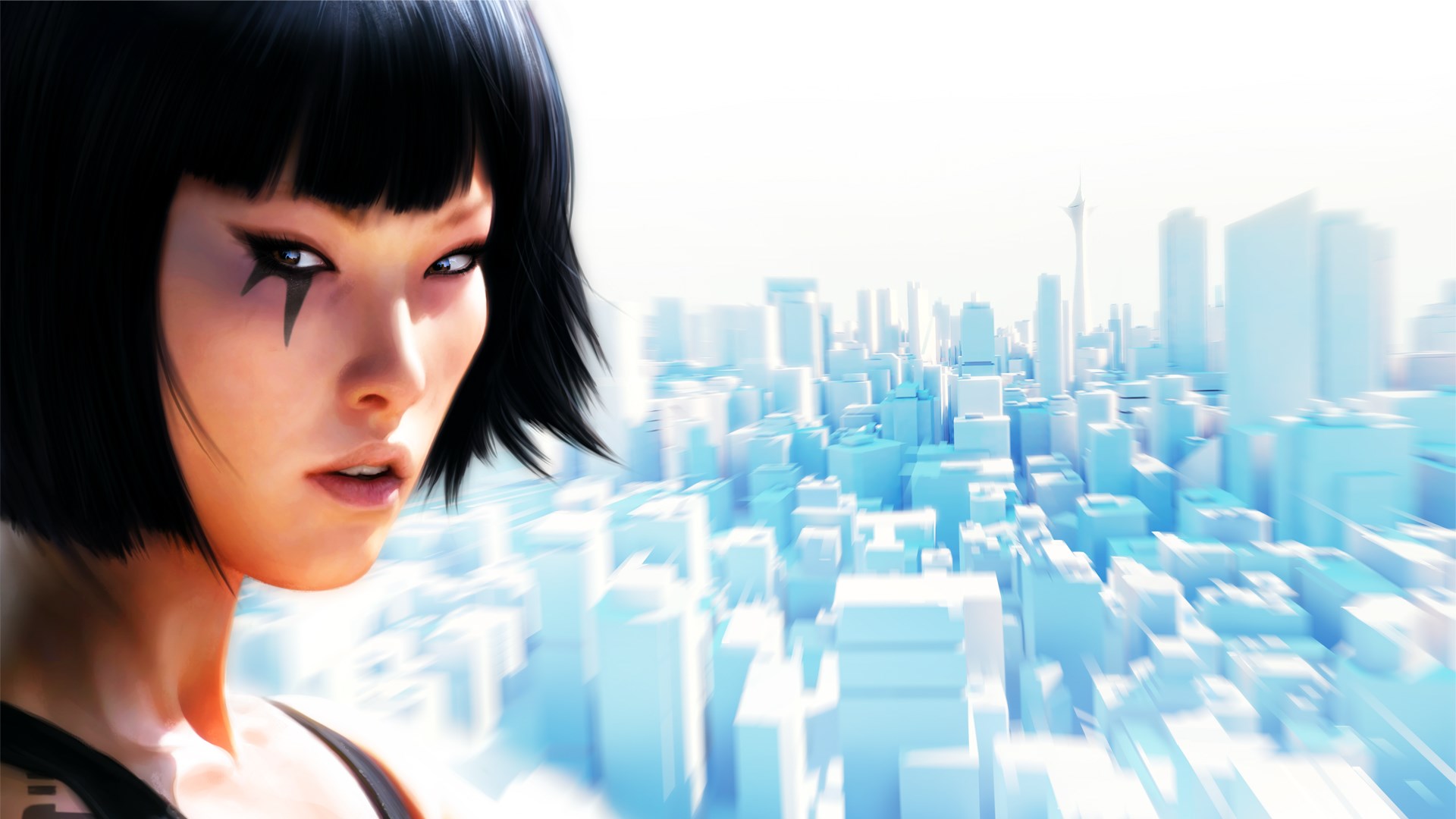
10. Mirror's Edge
Mirror's Edge was a stylistic marvel, a first-person parkour game that dared to ditch guns for fluid movement and stunning minimalist aesthetics. It was a breath of fresh air, but its niche gameplay and relatively short campaign meant it didn't quite hit mainstream success. Still, its innovative mechanics, iconic art direction, and incredible sense of speed and freedom left an undeniable legacy. Few games have made simply *moving* feel so exhilarating and visually striking.