1. One Step Beyond
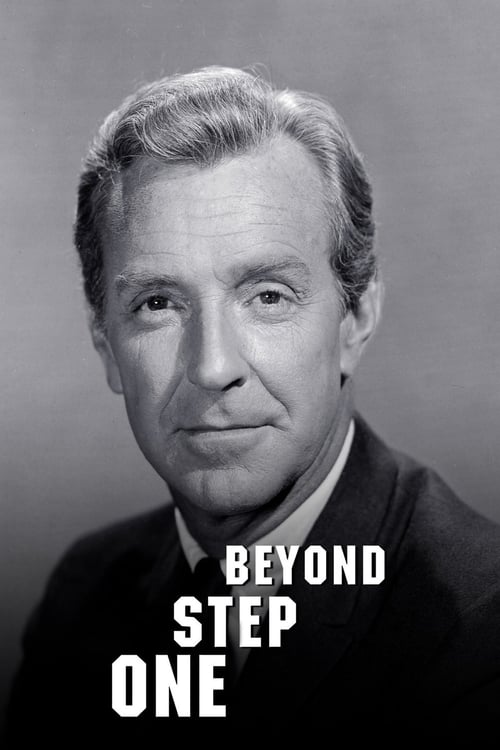
Now, "One Step Beyond" really leaned into the uncanny, didn't it? Before "Twilight Zone" got all philosophical, this one was showing you genuine-ish tales of the supernatural, all presented by John Newland with that serious, no-nonsense air. You watched it in black and white, of course, and it had that particular starkness that made the unexplained feel even more, well, inexplicable. A real early foray into what television could do with the unseen.
2. Route 66
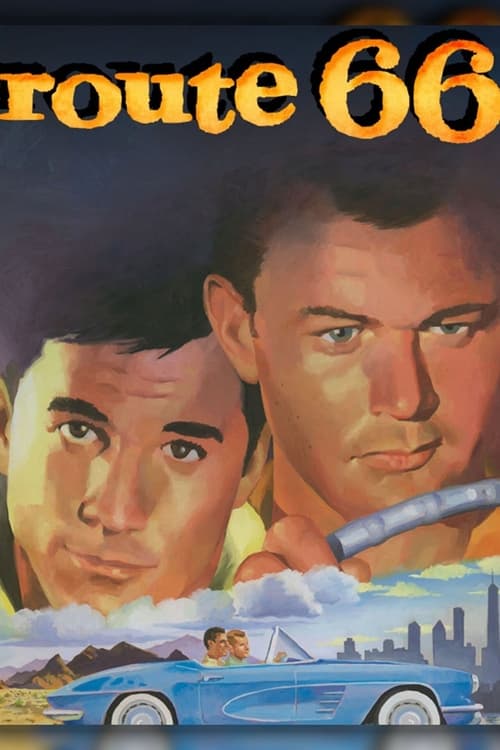
"Route 66" was something else, wasn't it? Two young fellas, Tod and Buz, just driving around in that Corvette, getting into all sorts of scrapes and meeting new faces every week. It wasn't quite a soap opera, but you followed their journey, and each town brought its own little drama. The black and white photography really made the American landscape feel vast and, frankly, a bit lonely sometimes. A proper road-trip picture for the small screen.
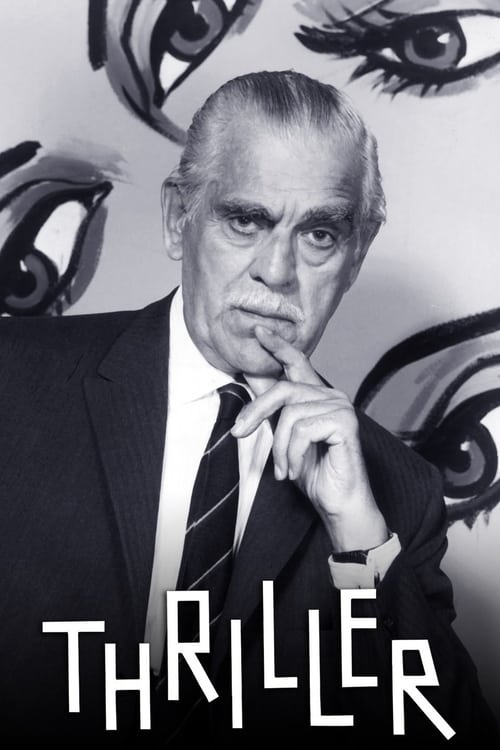
3. Thriller
And then there was "Thriller," with Boris Karloff himself guiding you through some truly unsettling tales. This wasn't just spooky; some of these episodes genuinely got under your skin, even in black and white. It had that classic anthology structure, sure, but a lot of the time, the mood was so thick you could cut it with a knife. For a show from that era, it pushed the boundaries of what you could show, or rather, *imply*, on home screens.
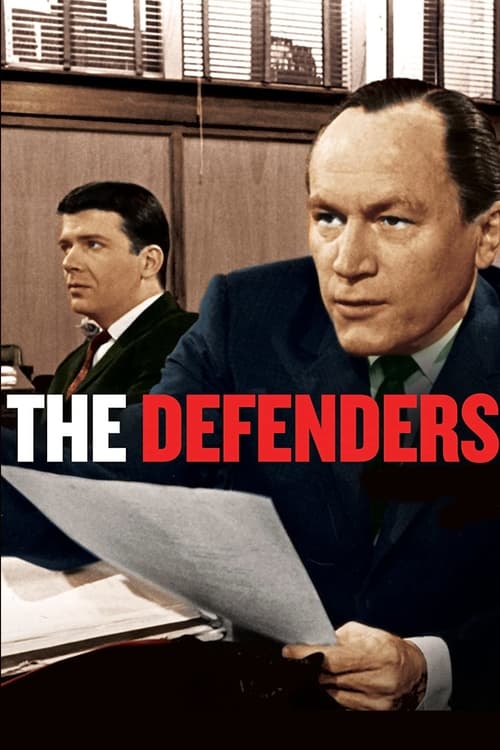
4. The Defenders
"The Defenders" was a thinking man's show, or a thinking woman's, for that matter. It took the courtroom drama and made it about more than just who done it. E.G. Marshall and Robert Reed, as father and son lawyers, tackled some really thorny social issues of the day. And they did it with a gravitas that felt very new for television. It wasn't always comfortable viewing, but it was certainly compelling.
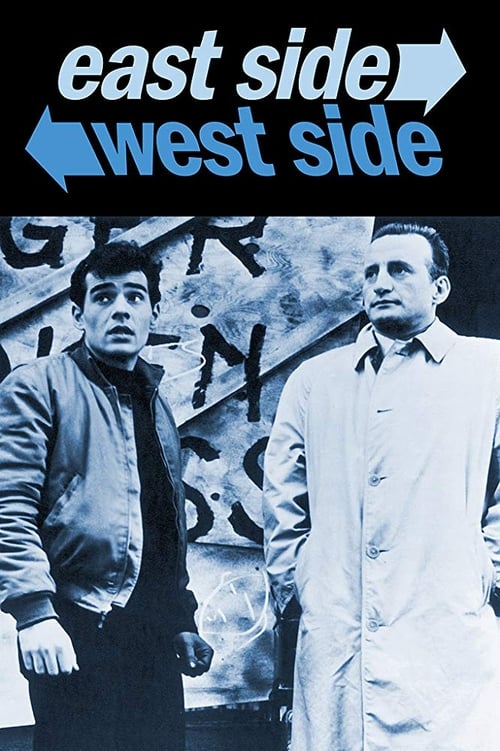
5. East Side/West Side
Now, "East Side/West Side" was a tough watch, but it was honest. George C. Scott played a social worker in New York, and the show didn't pull any punches about the urban problems it presented. It had a sort of raw, documentary feel sometimes, which was quite bold for the time. Even in black and white, the grime and the struggle came through. A real attempt at serious, adult drama on network television.

6. The Fugitive
"The Fugitive" set the standard for serialized drama, truly. Dr. Richard Kimble, always on the run, always looking for the one-armed man. You had to tune in every week to see where he'd land next, and what new identity he'd assume. The suspense was palpable, and the commitment to that long, overarching story was revolutionary. It showed that audiences *would* stick with a character for years, waiting for resolution.
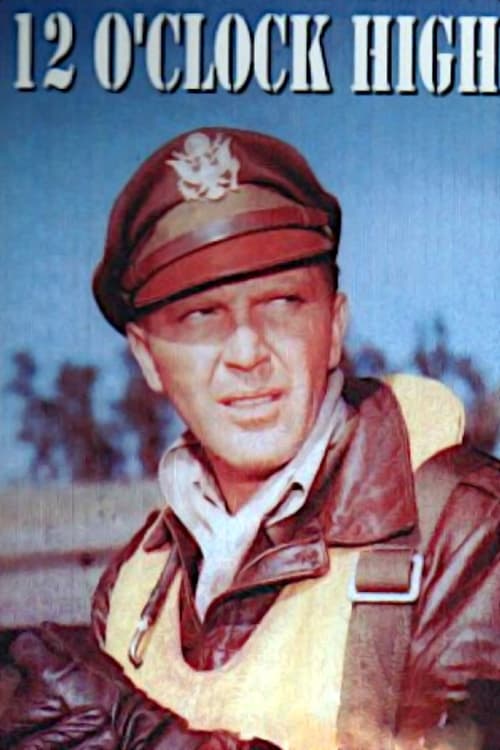
7. 12 O'Clock High
"12 O'Clock High" put you right in the cockpit of a B-17 bomber during World War II. It was a serious drama, focusing on the psychological toll of war as much as the action. You followed the crew, week after week, seeing the pressures of command and combat. They even mixed in actual combat footage sometimes, which gave it a powerful, almost immediate feel. A big, ambitious show for its time.
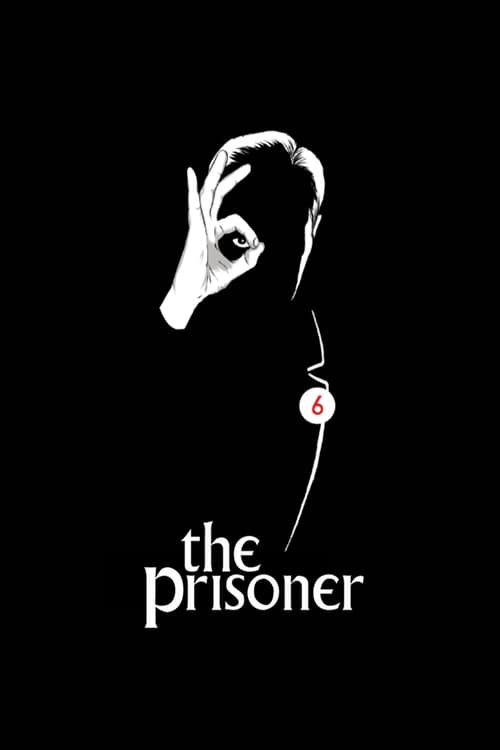
8. The Prisoner
And then there was "The Prisoner." What even was that? Patrick McGoohan's character, Number Six, trapped in that bizarre village. It was a head-scratcher, an allegory, and a spy thriller all rolled into one. The look of it, the Rover, the cryptic messages – it was unlike anything else on television. A show that defied easy explanation and really made you think. Still does, frankly.