
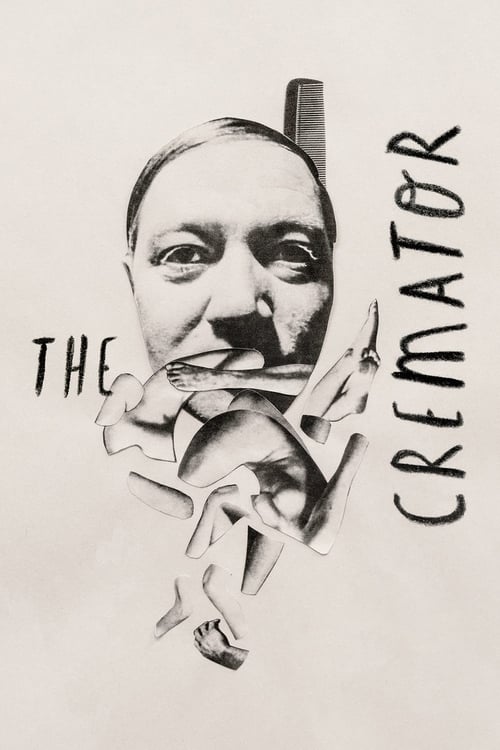
1. The Cremator
Juraj Herz's chilling Czech New Wave masterpiece chronicles a cremator's descent into fascism during the Nazi occupation. Karel Kopfrkingl, initially benign, embraces an increasingly twisted philosophy of "liberating" souls through fire, his chilling rationalizations mirroring the era's horrific ideologies. The film’s macabre humor, expressionistic visuals, and unsettling narrative create a profoundly disturbing, yet darkly comedic, portrait of evil's insidious allure. It's a vital, unsettling reflection on complicity.
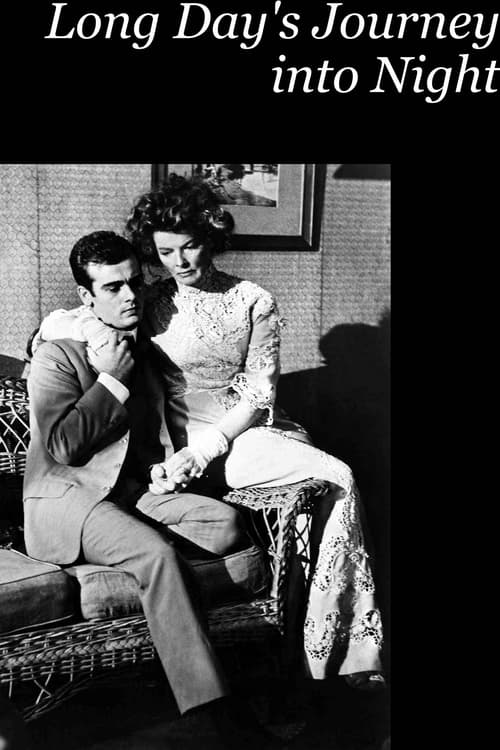
2. Long Day's Journey Into Night
Sidney Lumet masterfully translates Eugene O'Neill's autobiographical play, delivering an emotionally devastating study of the Tyrone family's unraveling over a single day. The film, shot in stark black and white, plunges into the depths of addiction, resentment, and unfulfilled dreams. Stellar performances from Ralph Richardson, Katharine Hepburn, and Dean Stockwell illuminate the inescapable cycles of pain and love within a family bound by tragedy. It's an intimate, raw theatrical experience brought to cinematic life.
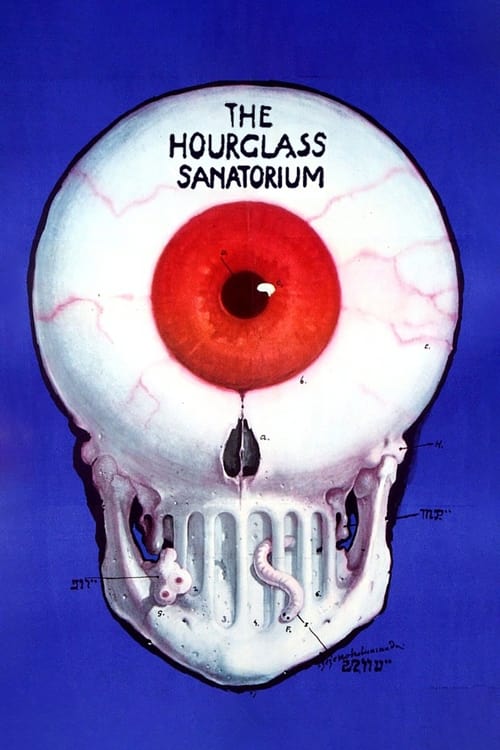
3. The Hourglass Sanatorium
Wojciech Has’s surreal, dreamlike adaptation of Bruno Schulz’s stories is a journey into a decaying, memory-laden world. Jozef visits his dying father in a sanatorium where time operates erratically, blending past, present, and myth. This Polish art-house gem thrives on its evocative, painterly visuals and labyrinthine narrative, creating an experience akin to wandering through a forgotten dreamscape. It explores themes of memory, history, and the elusive nature of reality with hypnotic beauty.
4. Performance
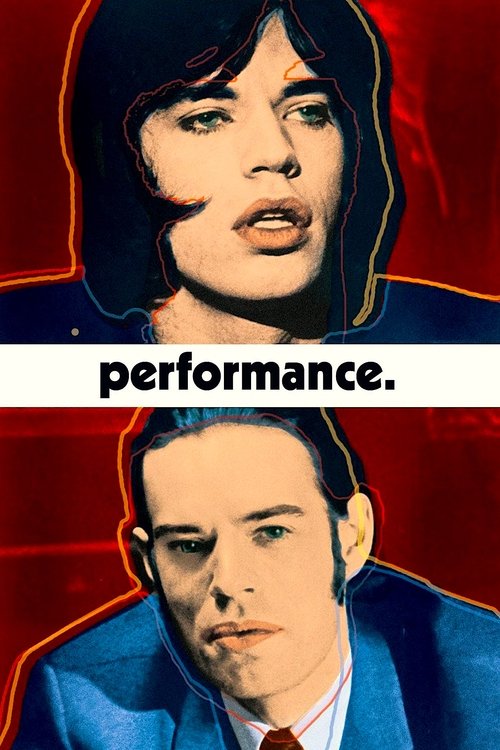
Nicolas Roeg and Donald Cammell’s audacious cult classic shatters conventions with its exploration of identity and counter-culture decadence. A violent gangster, Chas, hides out with a reclusive rock star, Turner, in a psychedelic London mansion, leading to a blurring of personas and an explosive psychological breakdown. The film's non-linear structure, sexually charged atmosphere, and experimental editing were groundbreaking, offering a visceral, unsettling glimpse into the dissolution of self.

5. A Woman Under the Influence
John Cassavetes' raw, vérité-style drama offers an unflinching look at mental illness and marital strain through the lens of Mabel Longhetti, portrayed with astonishing intensity by Gena Rowlands. As Mabel’s erratic behavior escalates, her husband Nick struggles to understand and support her, exposing the limitations of societal norms and the complexities of love. This independent cinema landmark is a deeply empathetic, often painful, exploration of human fragility and connection.
6. The Ascent
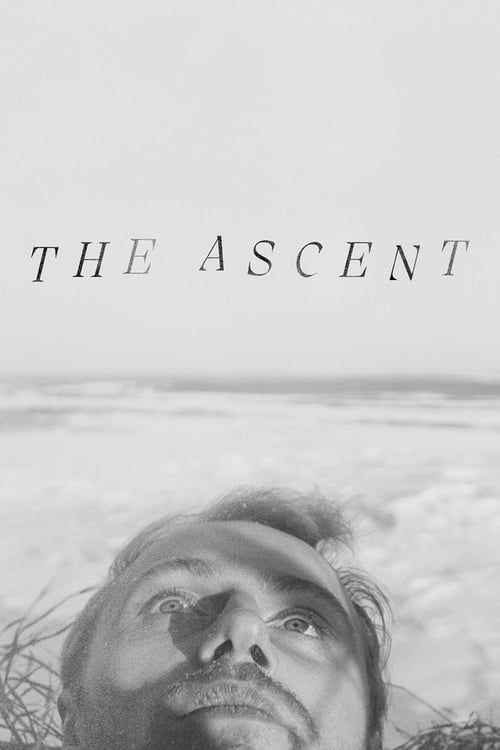
Larisa Shepitko’s final film is a harrowing, profoundly spiritual war drama set during World War II. Two Soviet partisans, Rybak and Sotnikov, are captured by the Nazis, forcing them to confront their moral limits and the true meaning of sacrifice. Shot in stark black and white against a desolate, snowy landscape, the film is a powerful meditation on faith, betrayal, and human endurance in the face of unimaginable suffering. It's a masterpiece of existential cinema.
7. Seconds
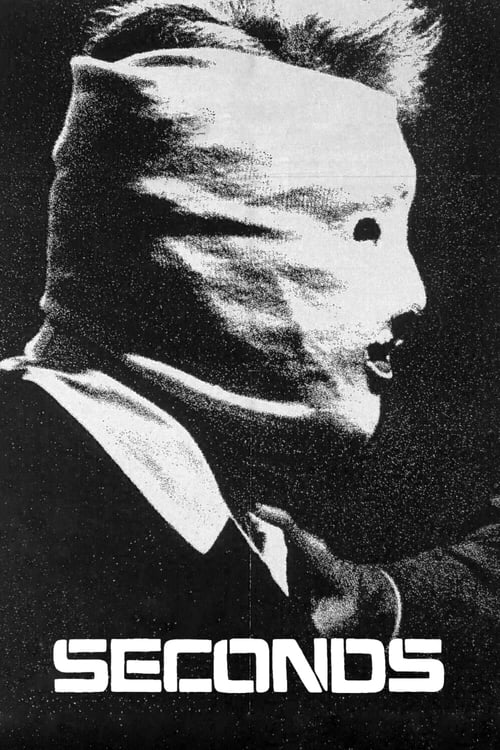
John Frankenheimer's chilling sci-fi thriller plunges into the existential nightmare of a man who undergoes a radical surgery to assume a new identity. Rock Hudson delivers a career-defining performance as Arthur Hamilton, who finds his new life hollow and his past inescapable. The film's disorienting cinematography and unsettling themes of corporate control and lost individuality craft a paranoiac vision of American conformity and the elusive nature of happiness.
8. The Swimmer
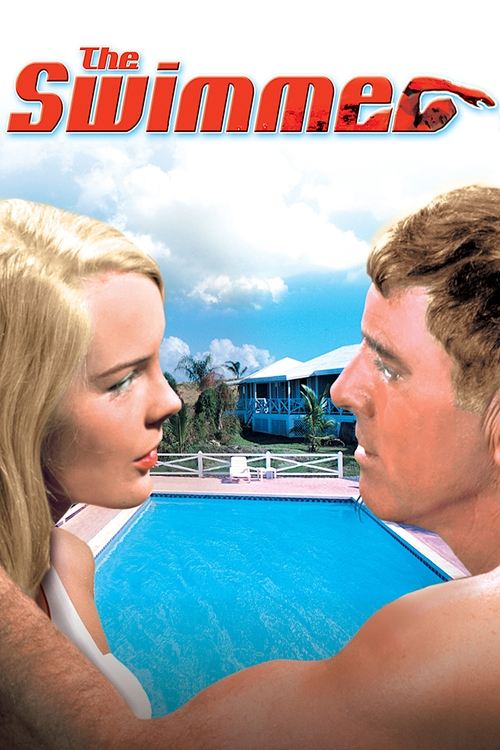
Frank Perry’s allegorical drama features Burt Lancaster as Ned Merrill, who decides to "swim" home across his affluent suburban neighborhood by traversing every backyard pool. What begins as a whimsical adventure gradually reveals a devastating portrait of denial, decay, and the crumbling facade of the American Dream. The film’s increasingly melancholic tone and Lancaster’s iconic performance make it a poignant, unsettling examination of mid-life disillusionment.
9. The Conformist
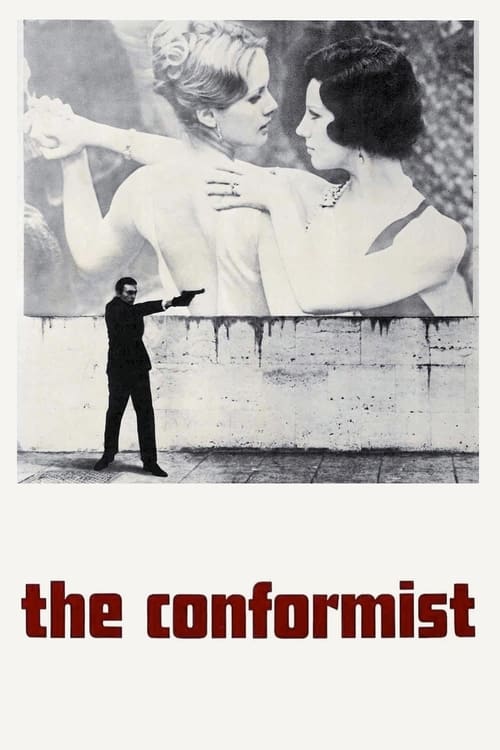
Bernardo Bertolucci’s visually stunning political drama follows Marcello Clerici, a man desperate to conform to fascist ideology in 1930s Italy, even if it means betraying his former professor. Vittorio Storaro's breathtaking cinematography transforms the political into the poetic, utilizing rich colors and exquisite compositions. This film is a profound exploration of fascism's allure, individual moral compromise, and the seductive power of belonging, wrapped in an unforgettable aesthetic.
10. Miracle Mile
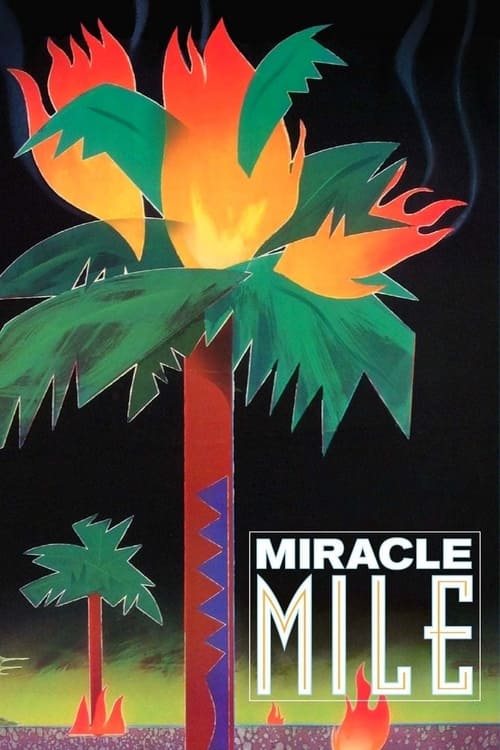
Steve De Jarnatt's cult classic is a high-octane, real-time thriller that begins with a phone call warning of impending nuclear war. Anthony Edwards' character, Harry, spends a frantic, increasingly desperate hour trying to save himself and a new love in a rapidly descending Los Angeles. The film masterfully blends dark comedy, romance, and apocalyptic dread, capturing the raw, chaotic human response to unimaginable catastrophe with surprising emotional depth.

11. The King of Comedy
Martin Scorsese's darkly satirical masterpiece stars Robert De Niro as Rupert Pupkin, an aspiring stand-up comedian consumed by delusion and celebrity obsession. Pupkin kidnaps a famous talk show host, Jerry Langford, believing it's his ticket to stardom. The film is a prescient, uncomfortable critique of media culture, the hunger for fame, and the fine line between ambition and pathology, all delivered with an unnerving blend of cringe-comedy and tragic desperation.