1 / 8

1. Naked City
“Naked City,” the 1958 version, really showed you New York. Not the studio backlot, mind you, but the actual streets. It had that raw, documentary feel, almost like you were right there with the detectives. And the drama, oh, it was stark in that black-and-white. Each episode was a self-contained story, a slice of life and crime, wrapping up neatly but leaving you thinking. It was quality television, not just background noise.
2 / 8
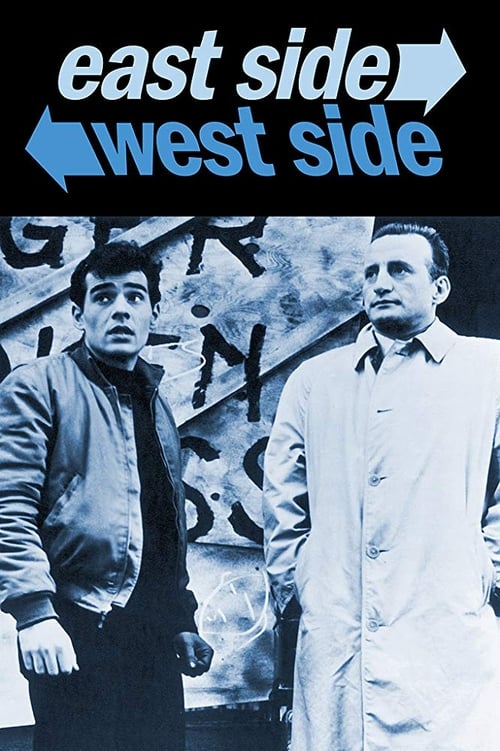
2. East Side/West Side
“East Side/West Side” in '63, now that was something. George C. Scott playing a social worker in New York, tackling real problems. No easy answers here, just hard-hitting issues that some folks weren't ready to see on their screens. It was black and white, naturally, which only added to the starkness of its realism. A true dramatic effort, trying to make sense of a complicated world, and it didn't pull any punches.
3 / 8
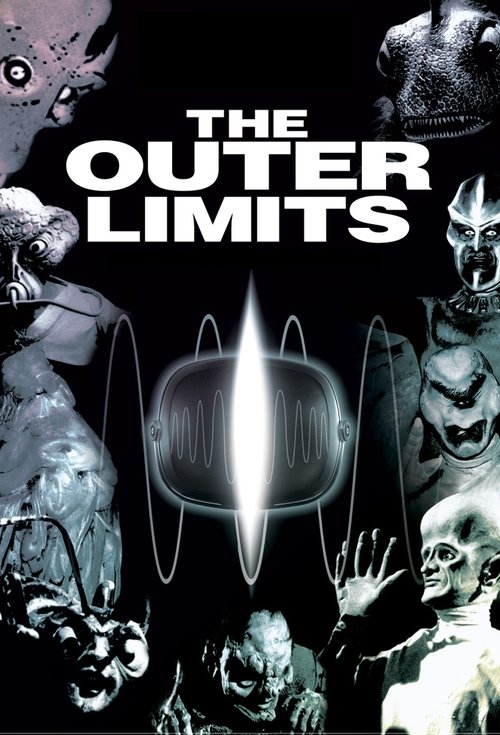
3. The Outer Limits
“The Outer Limits” from '63, that was science fiction with a brain, and a darn good monster-maker too. Each week, a new story, a new creature, and a question that made you ponder. It wasn't just ray guns and spaceships; it was about ideas, about what it means to be human in a universe full of strangeness. And the visuals, for black and white television, they were often quite striking, giving it a real atmospheric punch.
4 / 8
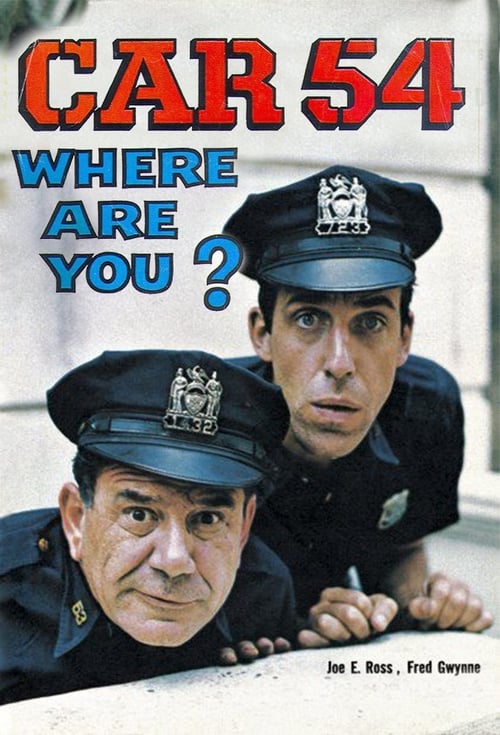
4. Car 54, Where Are You?
“Car 54, Where Are You?” back in '61, that was pure, unadulterated silliness. Two cops in the Bronx, Gunther Toody and Francis Muldoon, always getting into some kind of harmless scrape. It was a proper sitcom, you know, with the setups and the punchlines, but it had a real warmth to it. And the cast, they were a fine bunch, making you laugh without ever feeling mean-spirited. A gentle reminder that police work could also be funny.
5 / 8
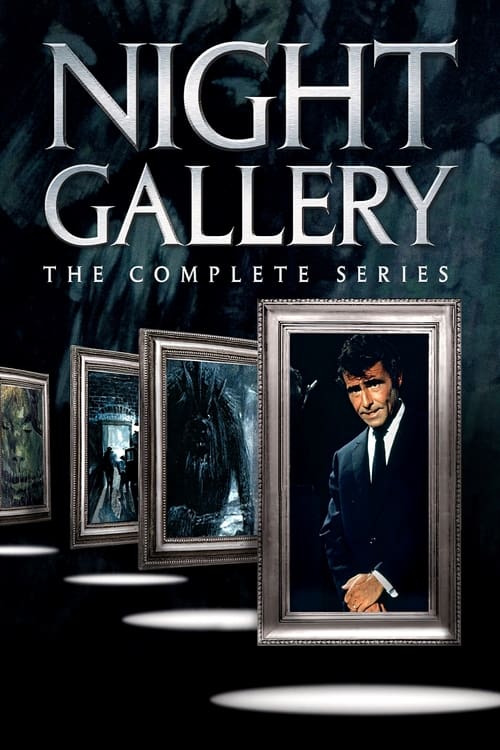
5. Night Gallery
“Night Gallery,” the 1970 version, was Rod Serling's next trick after “Zone.” Here, he'd introduce you to tales of the macabre, often with a painting setting the mood. It was in color, which was a nice change, but still had that classic anthology feel. Some stories were genuinely unsettling, others a bit more campy, but Serling's presence always gave it a certain gravitas. A good fright, or at least a good shiver, was usually guaranteed.
6 / 8

6. Soap
“Soap” from '77, well, that was a real conversation starter, wasn't it? It took the whole soap opera melodrama and twisted it into a comedy. Talk about serialized! You had to tune in every week to keep up with the utterly bonkers lives of the Tate and Campbell families. It pushed boundaries, for sure, and got some folks riled up. But it was clever, and it proved you could do long-form storytelling, even with jokes.
7 / 8
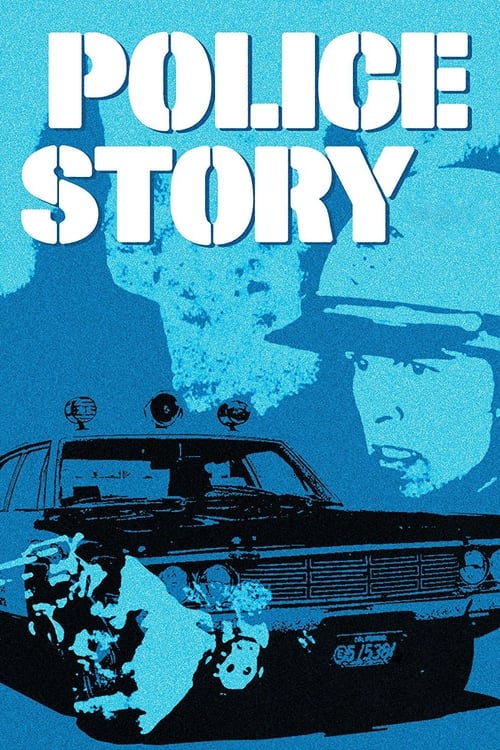
7. Police Story
“Police Story,” starting in '73, was a different kind of cop show. It wasn't always about the chase; it was about the *people* doing the chasing, and the lives they touched. Each week was a new cast, a new situation, giving you a real look at the nitty-gritty of police work. It felt authentic, like you were getting an inside view, and it wasn't afraid to show the tough side of the job. Real dramatic television.
8 / 8
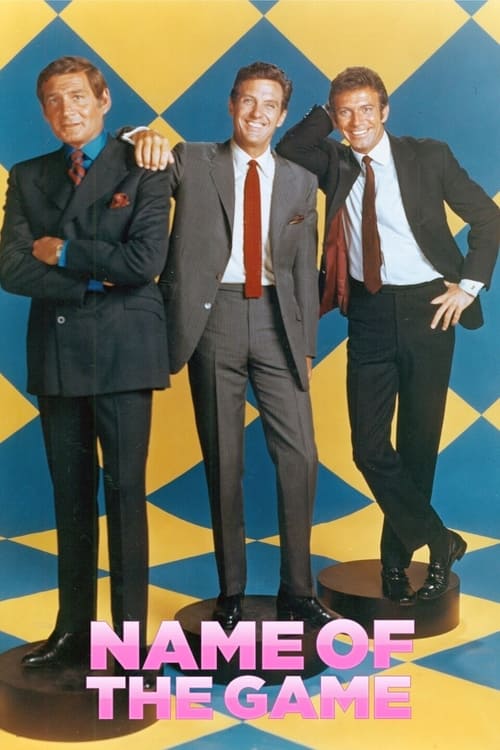
8. The Name of the Game
“The Name of the Game” from '68 was ambitious, I tell you. Ninety minutes every week! And three rotating leads—Tony Franciosa, Gene Barry, and Robert Stack—each with their own flavor of investigative journalism. It was like three shows in one, but all under the banner of a big publishing empire. This was early attempts at long-form television, stretching out the story, and it had a real glossy, big-budget look to it.