1 / 10

1. Primer
Okay, so *Primer* isn't about AI or VR directly, but it's a masterclass in complex, self-referential systems. This 2004 indie gem throws you into a DIY time machine paradox, making you rethink causality and narrative loops. It's like building your own reality from scratch, which is pretty much what VR devs do. Plus, understanding its intricate plot feels like debugging a highly sophisticated AI. Super mind-bending.
2 / 10
2. Holy Motors
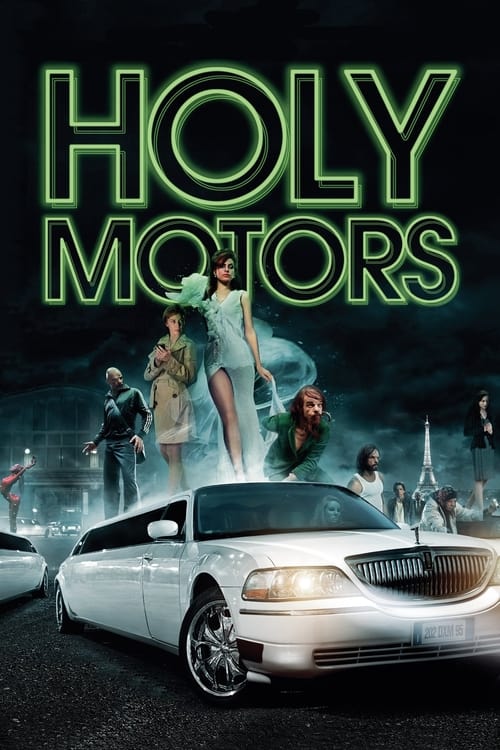
*Holy Motors* from 2012 is pure, unadulterated performance art. Denis Lavant's character navigates Paris, embodying multiple, utterly distinct lives in a single day. It makes you wonder about the nature of identity when you can slip into any persona, which is huge for VR's avatar potential and AI's capacity for creating dynamic, evolving characters. It’s a beautiful, bizarre ride into what it means to be someone, or anyone.
3 / 10
3. Under the Skin
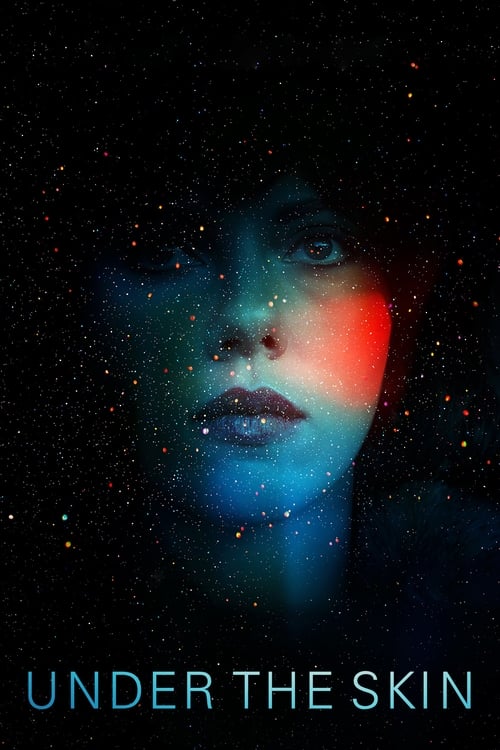
*Under the Skin* (2014) is hauntingly gorgeous. Scarlett Johansson plays an alien experiencing humanity, and it's less about plot and more about pure sensory immersion. The film's perspective is so unique, showing us our world through fresh, predatory eyes. This totally informs how we could design VR experiences for non-human intelligences or create AI that genuinely 'learns' from observing. It’s a masterclass in atmosphere and perception shifts.
4 / 10

4. Possession
*Possession* from 1981 is intense, a raw nerve of a film. It’s about a relationship unraveling into absolute madness, manifesting in truly disturbing ways. While not sci-fi, its depiction of reality warping under extreme psychological pressure is super relevant. Think about crafting VR narratives that externalize internal chaos or AI that can model and generate personalized psychological horror based on user data. It's a trip into the darkest corners of the mind.
5 / 10
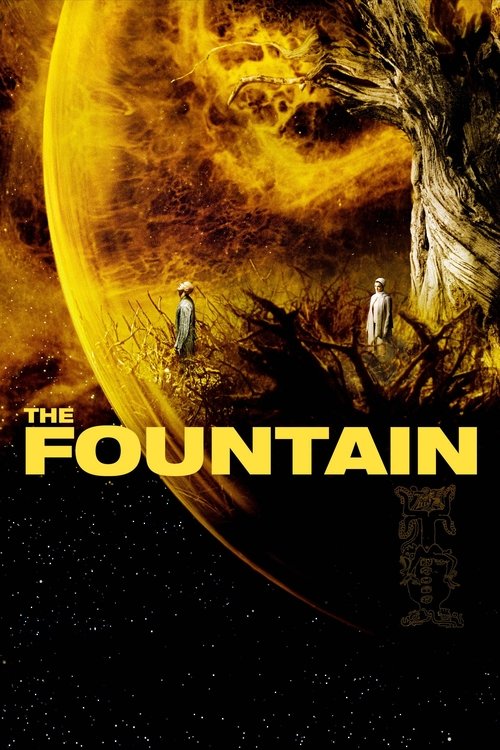
5. The Fountain
Darren Aronofsky's *The Fountain* (2006) weaves three interconnected stories across different eras, exploring love, loss, and eternity. It's a visual and emotional epic that plays with non-linear storytelling in such a grand way. For VR and AI, this means thinking about narratives that branch infinitely, or AI-generated mythologies that span eons. It’s about transcending limits, which is what we want our digital worlds to do.
6 / 10
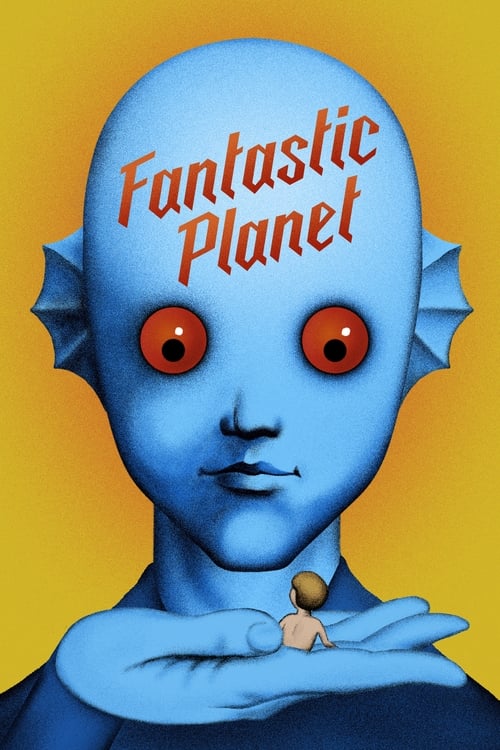
6. Fantastic Planet
*Fantastic Planet* (1973) is an absolute visual feast, an animated masterpiece from another dimension. Its unique, surreal art style and story of humans on a bizarre alien world totally expand your idea of what life, and societal structures, can look like. For content creators, it’s a blueprint for building truly original VR environments and populating them with AI-driven creatures that defy conventional design. Pure, unadulterated imagination.
7 / 10
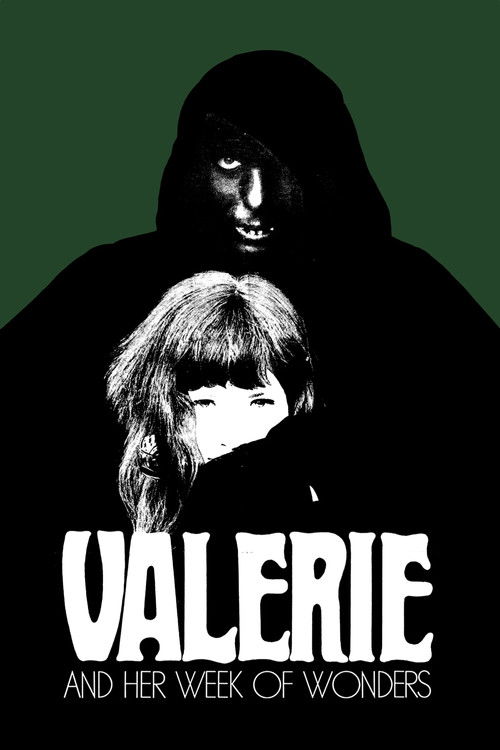
7. Valerie and Her Week of Wonders
*Valerie and Her Week of Wonders* (1970) is like stepping into a dream, or maybe a nightmare. This Czech New Wave film follows a young girl navigating a surreal, allegorical world filled with vampires and mysterious figures. Its dream logic is perfect for inspiring VR experiences that don't rely on conventional narrative, or AI that generates personalized, subconscious journeys. It’s all about mood and atmosphere over strict plot.
8 / 10
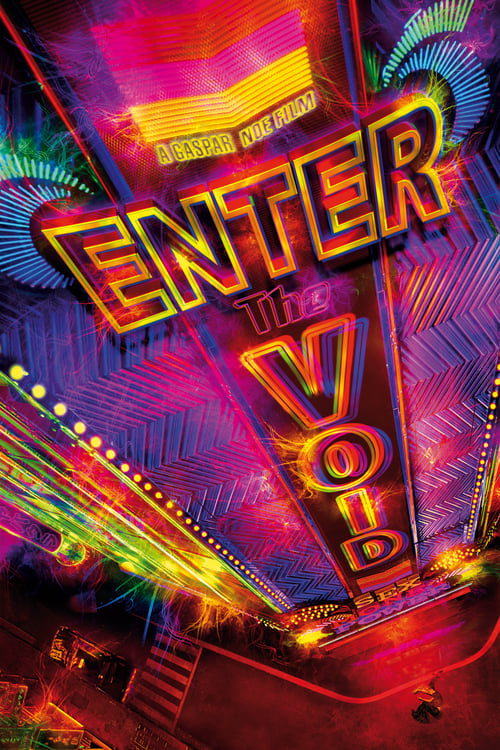
8. Enter the Void
Gaspar Noé’s *Enter the Void* (2010) is a sensory overload, specifically designed to simulate an out-of-body experience from a first-person perspective. It’s essentially a VR movie before VR was mainstream. The psychedelic visuals and relentless camera work push boundaries, showing how immersive and disorienting digital spaces can be. For VR content creators, this film is a mandatory watch for understanding perspective and overwhelming sensory design.
9 / 10
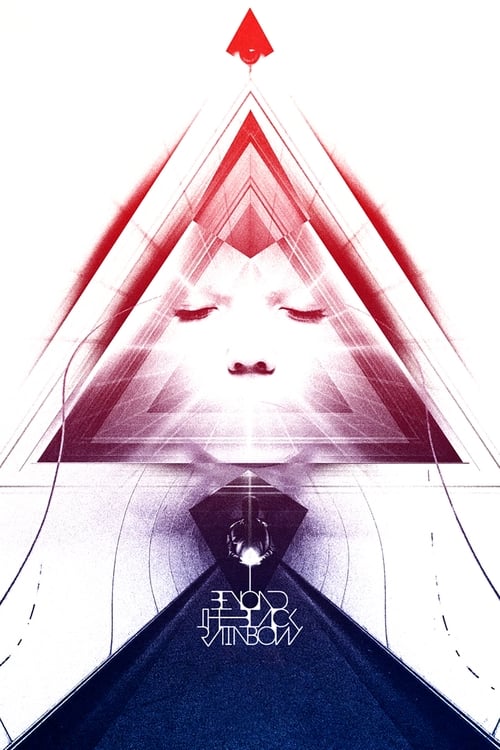
9. Beyond the Black Rainbow
*Beyond the Black Rainbow* (2010) is a retro-futuristic trip into a silent, sinister institute. It’s heavy on mood, featuring stark visuals and experimental sound design that create a truly unsettling atmosphere. This film screams 'early AI research gone wrong' or 'VR psychological experiment.' It’s a great example of how aesthetics and sound can deeply influence a user’s emotional state in a digital environment, driving home a unique narrative.
10 / 10
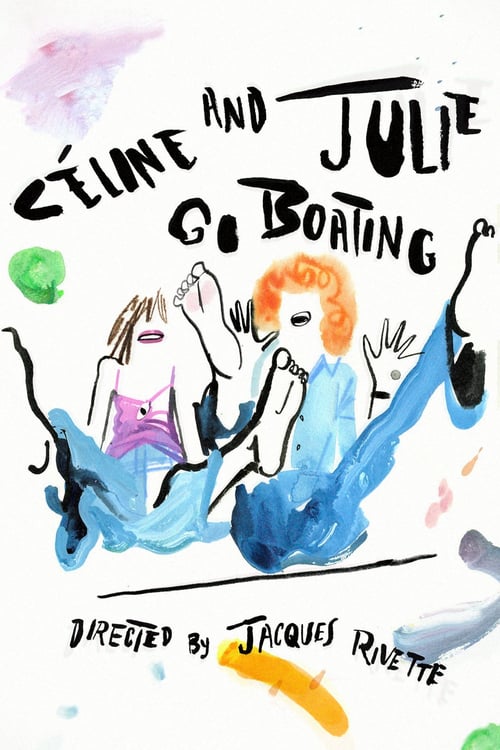
10. Céline and Julie Go Boating
*Céline and Julie Go Boating* (1974) is a joyful, playful exploration of storytelling itself. Two women discover a haunted house, where they watch a repeating, melodramatic play, eventually becoming part of it. This meta-narrative is brilliant for thinking about AI-driven content where users can jump into and out of stories, or even generate their own. It’s all about the fluid boundary between observer and participant, and the power of shared imagination.