

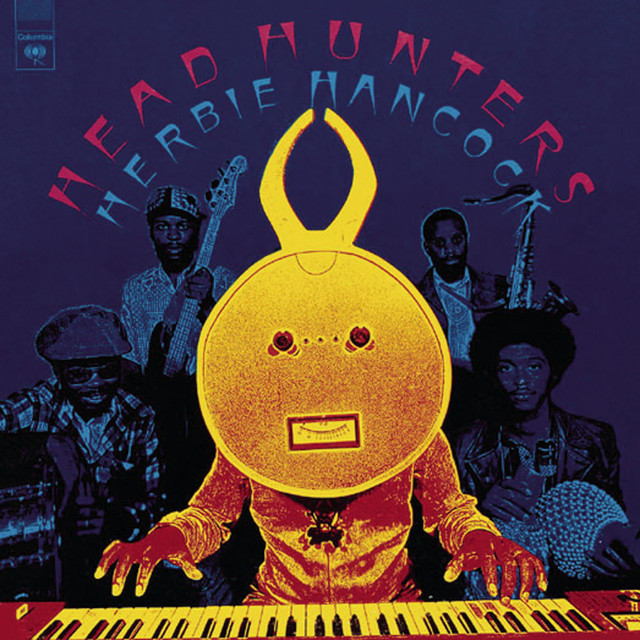
1. Head Hunters
This record was a seismic event. Hancock, already a jazz titan, plunged headfirst into the nascent funk-fusion scene, crafting a sound both visceral and intellectual. The meticulous layering of Fender Rhodes, Clavinet, and Moog bass over those intricate, polyrhythmic grooves demonstrated what a pre-digital studio could achieve when a master musician was at the helm. It's a clinic in rhythmic architecture.
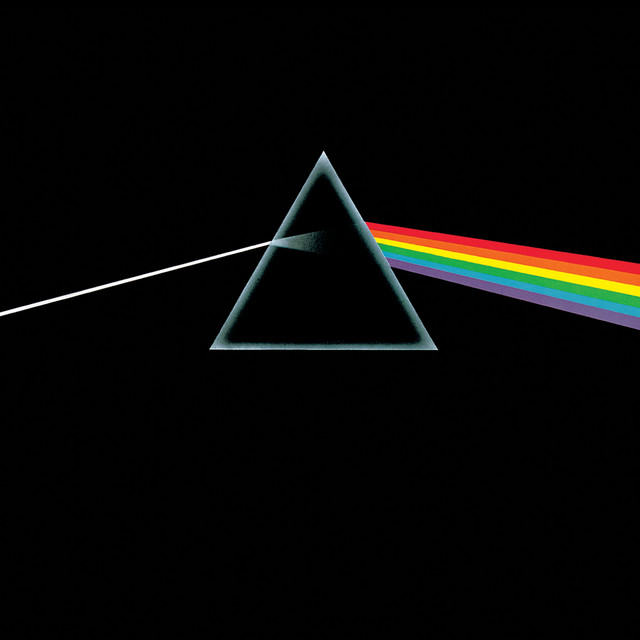
2. The Dark Side of the Moon
Pink Floyd's magnum opus remains a benchmark for conceptual album construction. The seamless transitions, the pioneering use of tape loops, VCS3 synthesis, and those now-iconic sound effects — all meticulously stitched together on multi-track analog tape — forged an immersive, almost tactile sonic landscape. It wasn't just music; it was an experience, a journey orchestrated with unparalleled studio finesse.
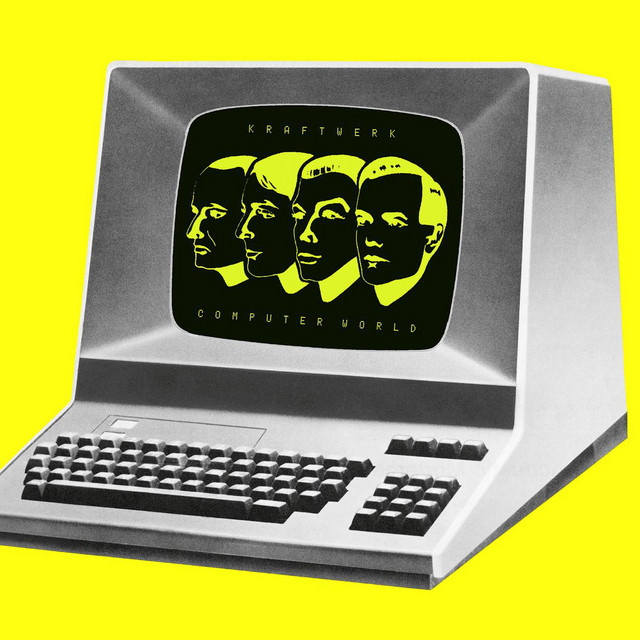
3. Computer World (2009 Remaster)
Kraftwerk, ever the futurists, distilled the essence of the burgeoning digital age into precise, almost clinical sonic statements. *Computer World*, even in its remastered form, reveals the stark, groundbreaking synth programming and vocoder work that laid foundational patterns for electronic music. It's minimalist, yet deeply complex, demonstrating how synthetic textures could evoke profound human experiences, a true coldwave precursor.
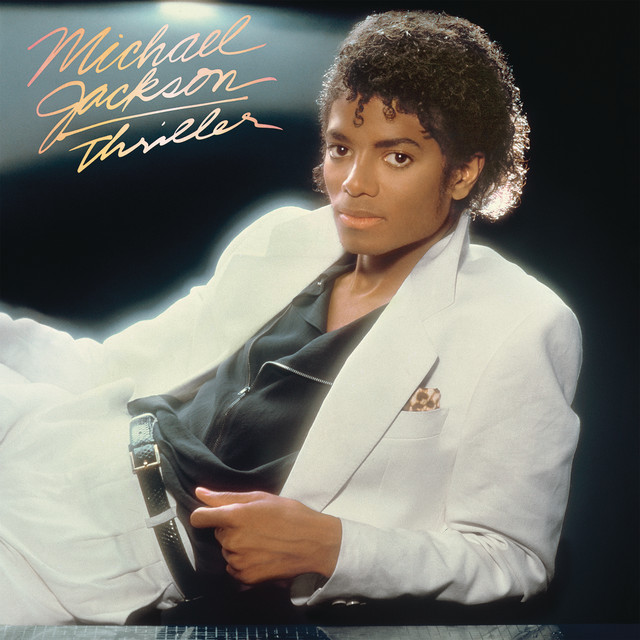
4. Thriller
Quincy Jones and Michael Jackson crafted a pop behemoth, but the technical prowess behind *Thriller* is often understated. The interplay of live instrumentation and cutting-edge (for the time) sequencers, the LinnDrum's precise punch, and those indelible basslines created an unparalleled sonic depth. Every track is a masterclass in arrangement and spatial dynamics, a perfect blend of funk, R&B, and undeniable pop sensibility.
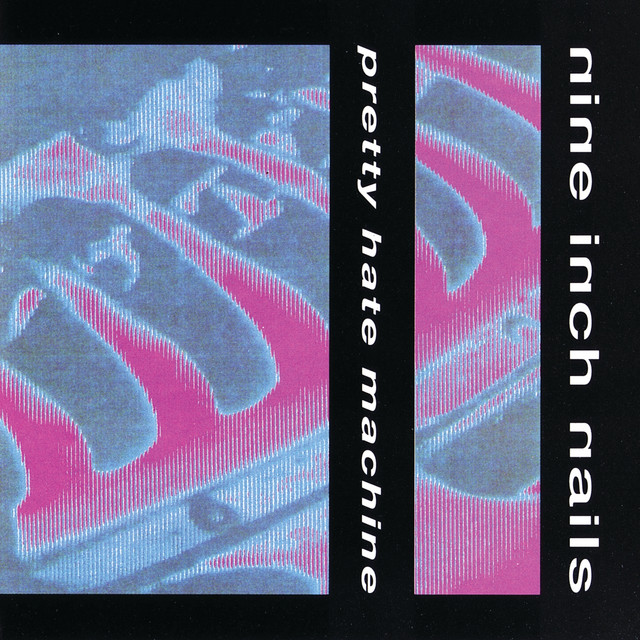
5. Pretty Hate Machine
Trent Reznor, a singular force, fused raw aggression with meticulous electronic programming. *Pretty Hate Machine* showcased how industrial textures could be integrated into a cohesive, darkwave-inflected rock structure. While hints of nascent digital technology are present in the sampling, the sheer weight and grittiness of the sound, those distorted synths and crunching drum machines, rooted it firmly in a pre-digital, almost primal sonic landscape.

6. It Takes A Nation Of Millions To Hold Us Back
The Bomb Squad's production on *It Takes A Nation* was revolutionary. They didn't just sample; they built dense, cacophonous sonic collages, layering funk breaks, piercing sirens, and obscure snippets into an aggressive, urgent wall of sound. This wasn't merely beats and rhymes; it was an audacious, pre-digital studio masterpiece, demonstrating how sampling could transform sound into a powerful, political weapon.
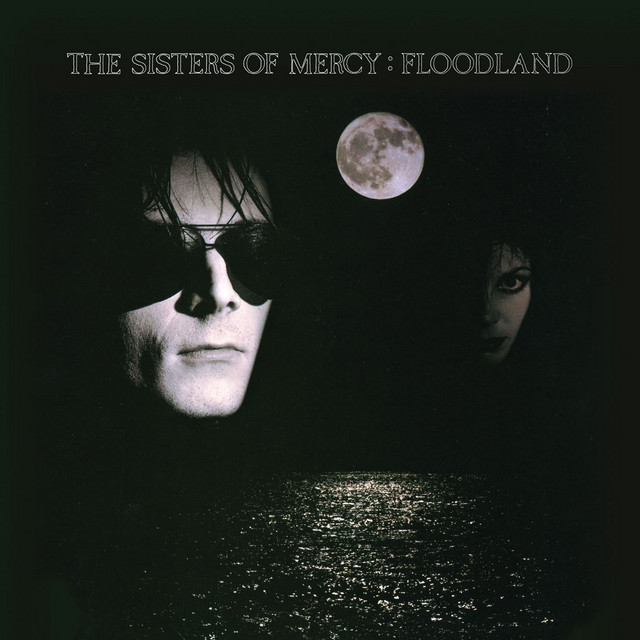
7. Floodland
Andrew Eldritch, essentially a solo act with Doktor Avalanche (his drum machine), created an album of monumental scale. *Floodland* is a masterclass in darkwave atmosphere, built on cavernous reverb, booming LinnDrum patterns, and deep, resonant basslines. The grand, almost operatic scope achieved with such a lean production setup speaks volumes about pre-digital studio artistry, crafting something both bleak and majestic.
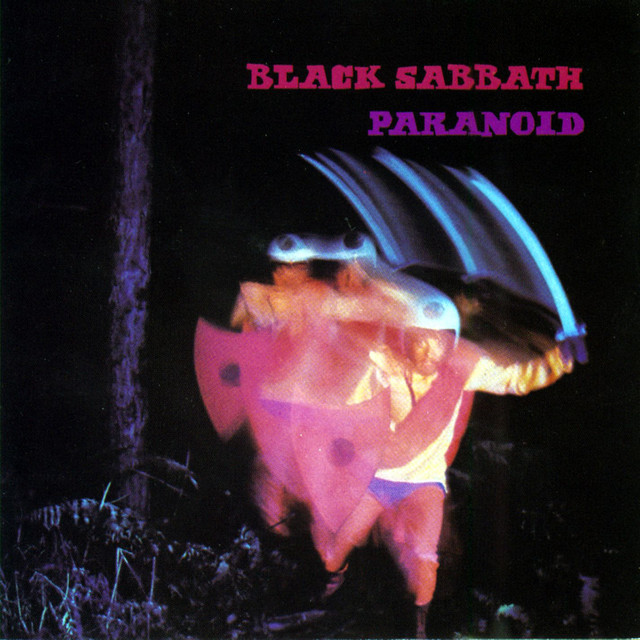
8. Paranoid (Remaster)
Paranoid solidified Black Sabbath's blueprint for heavy metal. The power of those monolithic riffs, the distinctive fuzz of Iommi's guitar, and the sheer rhythmic force of Butler and Ward created a sound that was both raw and incredibly tight for its era. The album's analog warmth and straightforward, unvarnished production allowed its foundational aggression and musicality to cut through with unyielding clarity.