
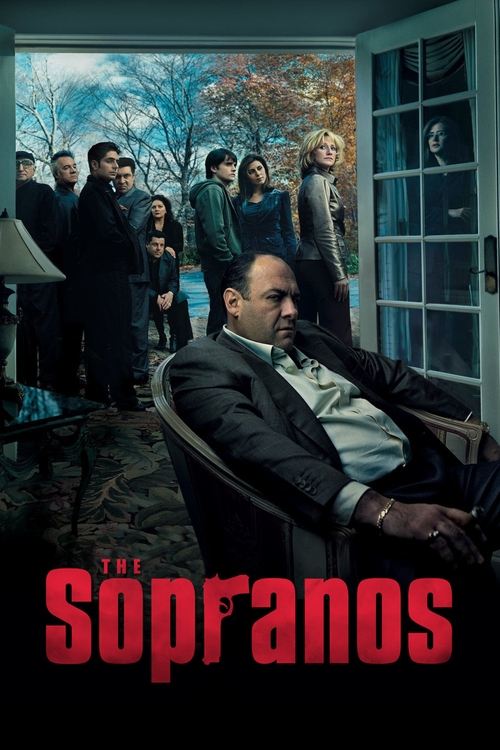
1. The Sopranos
This wasn't just a mob show; it was a psychological deep dive, proving television could handle novelistic complexity. HBO took a massive gamble on serial storytelling, investing in characters and long-form arcs that network TV wouldn't touch. It felt cinematic, like a multi-season movie, demanding your attention and setting the stage for what prestige drama would become. Suddenly, Sunday nights were essential viewing, cementing cable's bold new direction.
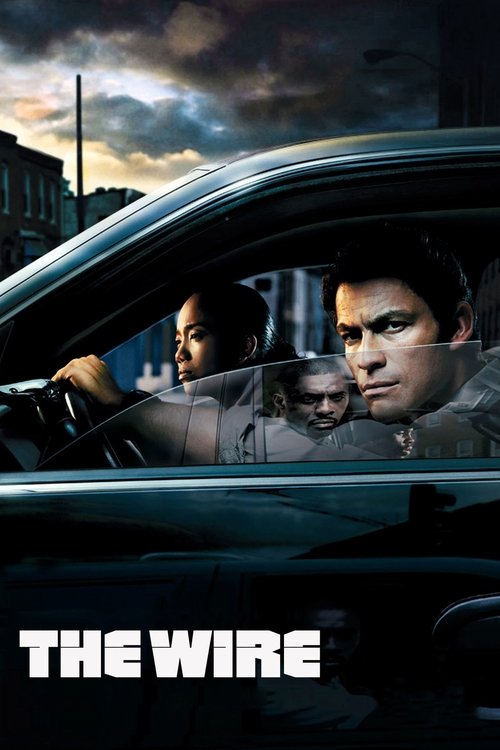
2. The Wire
Forget procedural; this was systemic. David Simon built a world, not just a case, exploring institutions and society through an ensemble that felt impossibly real. Each season tackled a different facet of Baltimore, demonstrating TV's capacity for intricate, sprawling social commentary. It didn't just tell a story; it dissected a city, raising the bar for serialized ambition and intellectual depth far beyond anything on broadcast.
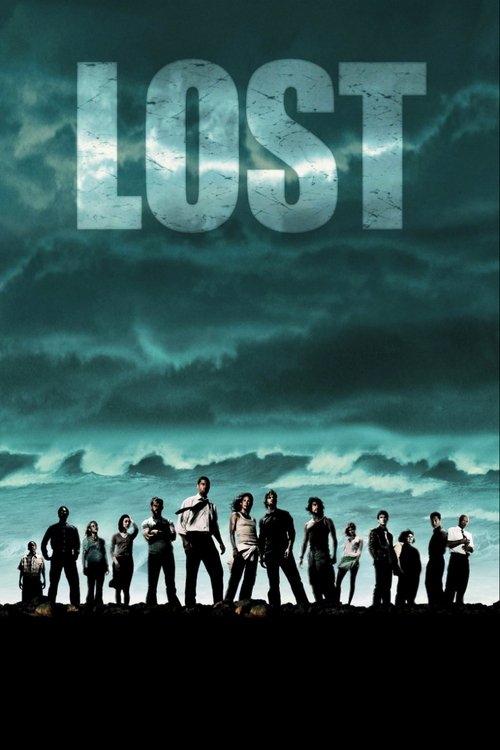
3. Lost
This show was a weekly phenomenon, sparking water cooler debates and forum theories like nothing before it. Its serialized mystery box approach, blending sci-fi with character drama, got people hooked on long-form narrative arcs. The ensemble cast and flashback structure redefined how you could tell a story on TV, making every episode a piece of a much larger, compelling puzzle. It pioneered appointment viewing for the new millennium.
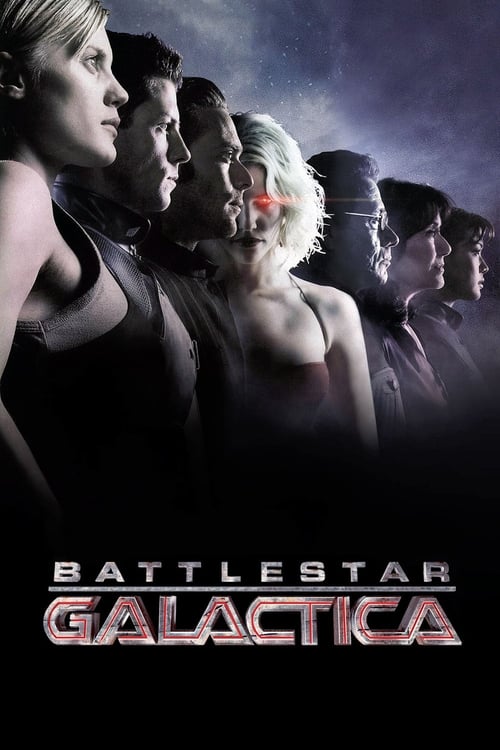
4. Battlestar Galactica
Don't let the sci-fi label fool you. This was a gritty, morally ambiguous drama wrapped in a spaceship. It tackled war, religion, and humanity with an intensity usually reserved for the big screen, proving genre TV could be smart, dark, and deeply relevant. The serialized plotlines and complex characters elevated it beyond typical space opera, cementing its status as a critical darling and a benchmark for ambitious cable storytelling.
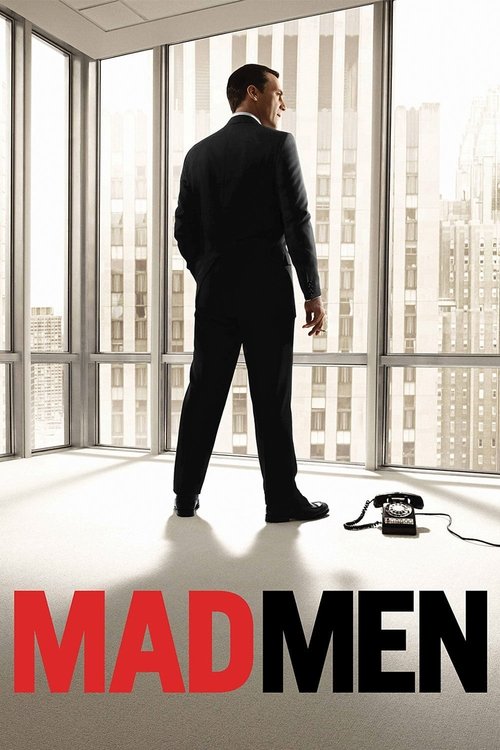
5. Mad Men
Exquisite period detail met psychological depth. This show was a masterclass in character study, showcasing how subtle gestures and unspoken tensions could drive an entire narrative. AMC bet big on slow-burn, atmospheric storytelling, making every frame feel meticulously crafted, almost cinematic. It wasn't about explosions; it was about the quiet desperation and ambition of an era, proving TV could be artful and literary.
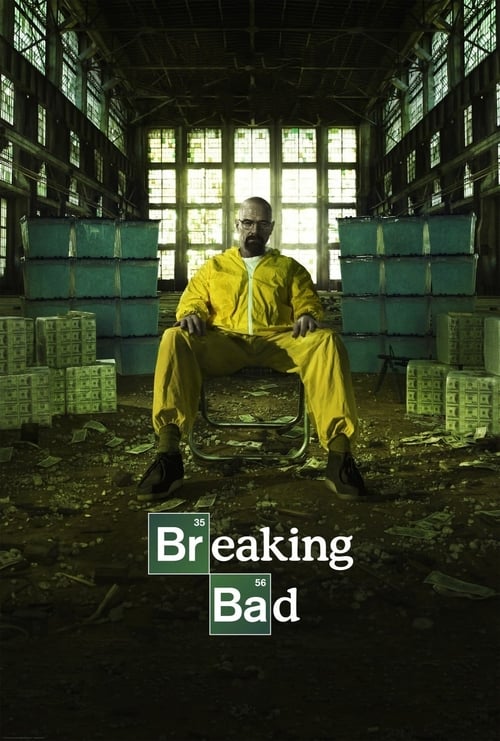
6. Breaking Bad
Witnessing Walter White's transformation was a visceral, serialized journey into darkness. This show pushed boundaries with its moral ambiguity and unflinching portrayal of consequences, proving that TV protagonists didn't have to be heroes. The cinematic direction and meticulous plotting kept you on the edge, solidifying AMC's reputation for high-stakes, character-driven dramas that demanded your full, sustained attention.
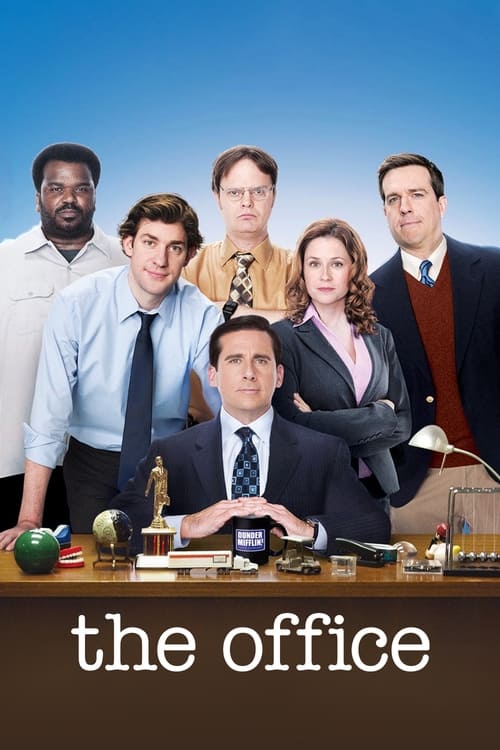
7. The Office
(US) This wasn't just a sitcom; it perfected the mockumentary style for American audiences, turning mundane office life into hilarious, relatable cringe. The ensemble cast, breaking the fourth wall, made you feel like an insider, blurring the lines between reality and fiction. It proved that smart, character-driven comedy, often subtle and observational, could thrive and even push comedic boundaries in the new TV landscape.
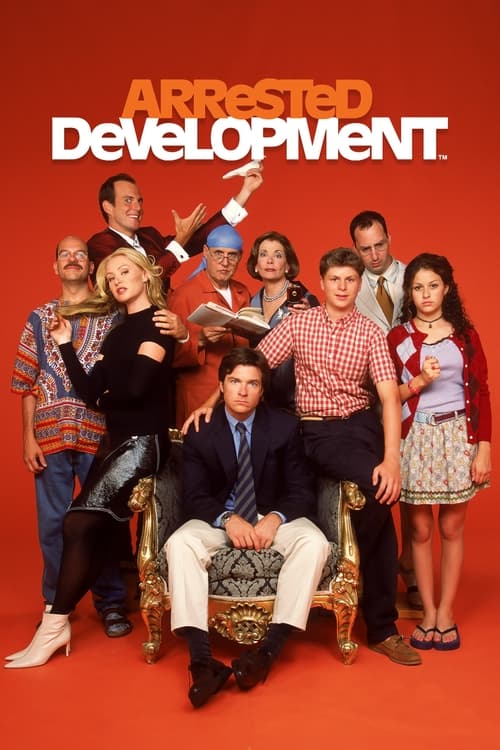
8. Arrested Development
A comedy that demanded rewatches before "on-demand" was even a common phrase. Its dense, layered jokes, running gags, and intricate callbacks made it a cult classic, pioneering a kind of serialized comedic storytelling. The mockumentary style and dysfunctional ensemble felt fresh and irreverent, proving that TV comedy could be incredibly smart and reward close attention, even if networks didn't always get it.
9. Six Feet Under
This show confronted mortality head-on, delivering deeply emotional, character-driven drama about a family running a funeral home. It was raw, darkly funny, and unflinchingly human, pushing the boundaries of what cable TV would explore. The surreal elements and dream sequences blurred reality, offering a unique, serialized meditation on life, death, and family dynamics, confirming HBO's reputation for courageous storytelling.
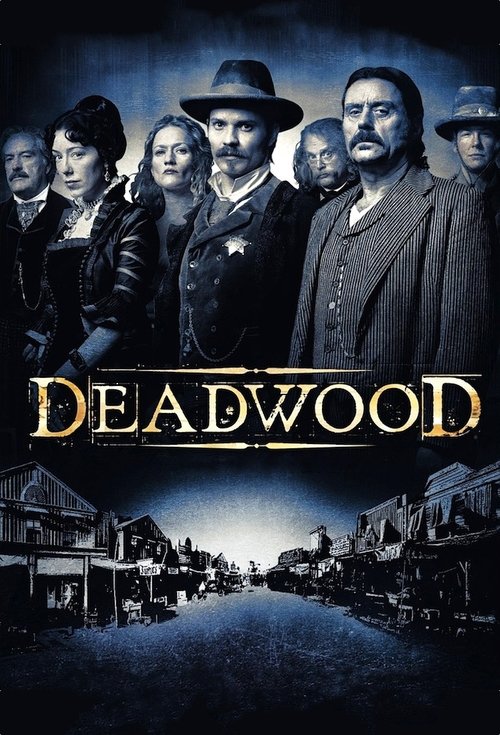
10. Deadwood
Sharp, poetic dialogue met a brutal, historically rich frontier. This show's profane, literary language and morally complex characters made it utterly unique. HBO took a huge swing on a period piece that felt both authentic and operatic, showcasing TV's capacity for dense, serialized world-building. It was a gritty, ensemble drama that proved historical settings could be as compelling and character-driven as any contemporary story.