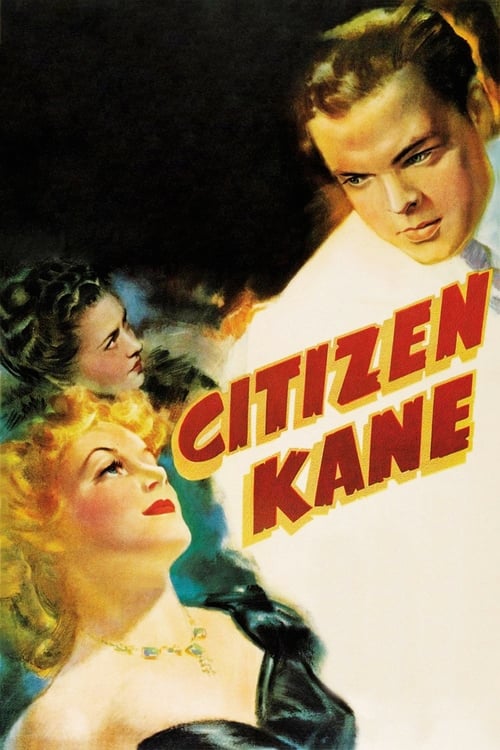
1. Citizen Kane
Orson Welles, a precocious wunderkind, redefined cinematic language with this debut. Its non-linear narrative, pioneering deep-focus photography, and complex soundscapes shattered conventional storytelling, forcing audiences to confront the subjective nature of truth. Kane's rise and fall, a tragic reflection on the American dream and the hollowness of material wealth, remains a masterclass in character study and technical innovation, influencing generations of filmmakers and critics alike through its unshakeable vision of ambition's isolating grip.
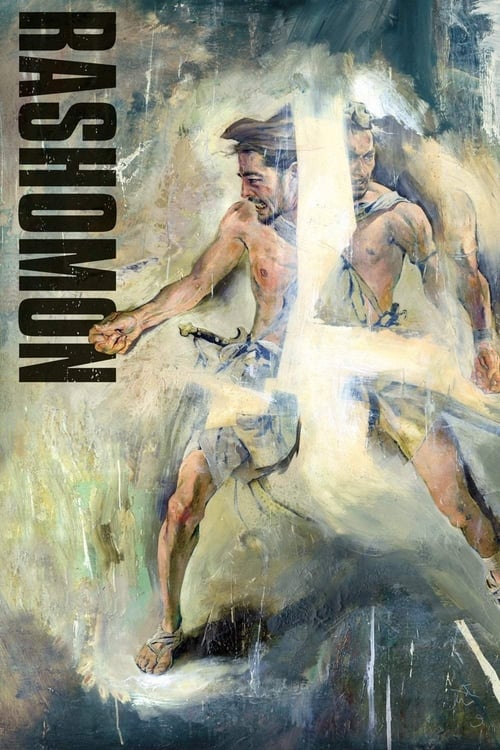
2. Rashomon
Akira Kurosawa's masterpiece ingeniously explores the elusive nature of truth through multiple, conflicting perspectives of a single event. This revolutionary narrative device, which gave birth to the "Rashomon effect," challenged viewers to question perception, memory, and the inherent biases in human testimony. Its profound philosophical underpinnings, combined with Kurosawa's dynamic visual storytelling, cemented its place as a cornerstone of international cinema, demonstrating how form can brilliantly amplify a film's deepest thematic concerns about honor and deception.
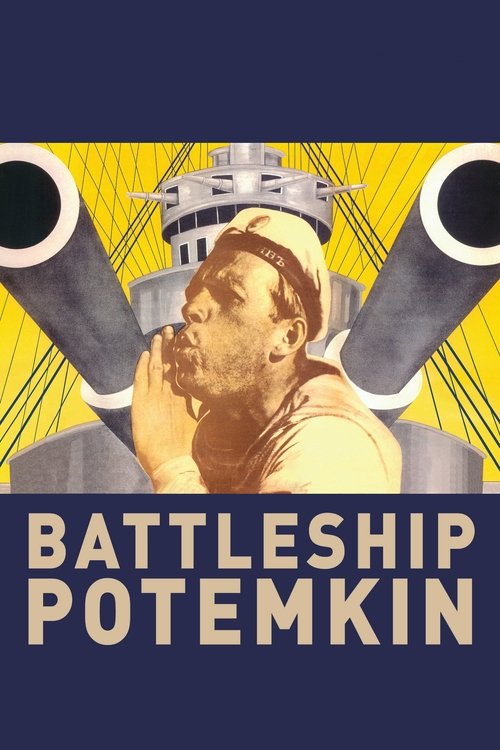
3. Battleship Potemkin
Sergei Eisenstein’s monumental work is less a film and more a treatise on montage theory, demonstrating cinema's power as a tool for political agitation and artistic expression. The iconic "Odessa Steps" sequence, a masterclass in rhythmic editing and emotional manipulation, profoundly shaped how filmmakers understood pacing and narrative impact. As propaganda, it's undeniably potent; as pure cinema, its innovative cuts and dramatic scope remain a foundational text for anyone studying the evolution of visual storytelling and its capacity to stir revolutionary fervor.
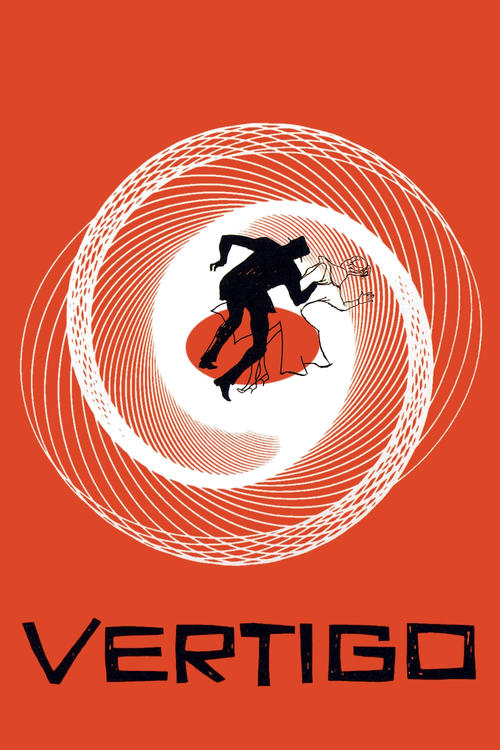
4. Vertigo
Alfred Hitchcock, the master of suspense, delves into the dark abyss of obsession and identity with this visually stunning psychological thriller. Its spiraling narrative and dreamlike cinematography, particularly the revolutionary "dolly zoom" effect, immerse the viewer in Scottie Ferguson's tormented psyche. The film meticulously dissects themes of male gaze, manipulation, and the impossibility of recreating an ideal, culminating in a haunting, melancholic exploration of love, loss, and the destructive nature of desire that continues to unravel critics.
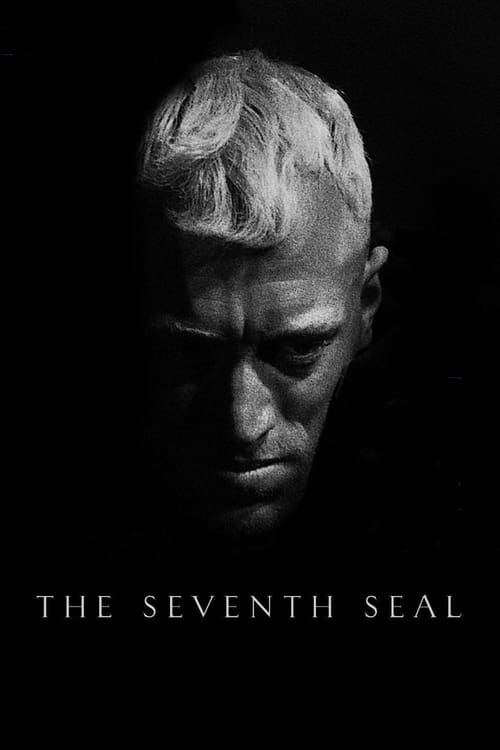
5. The Seventh Seal
Ingmar Bergman’s stark, allegorical drama confronts existential dread and the search for meaning in a plague-ridden medieval landscape. Its iconic personification of Death playing chess with a knight returning from the Crusades is one of cinema’s most enduring images. Bergman’s profound meditation on faith, doubt, and mortality, rendered with austere beauty and intellectual rigor, probes the very essence of human existence. It's a challenging, yet deeply rewarding, film that resonates with a timeless, melancholic grandeur.
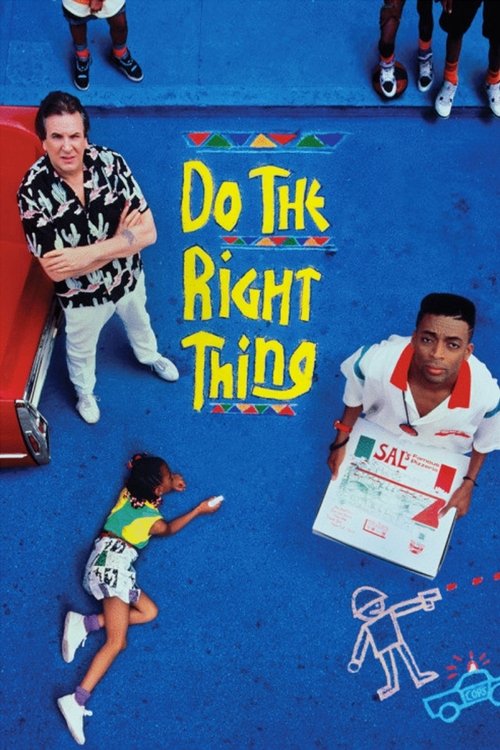
6. Do the Right Thing
Spike Lee's vibrant, incendiary portrait of racial tension simmering on a scorching Brooklyn summer day remains as relevant and potent today as it was upon its release. Using bold colors, direct address to the camera, and a pulsing soundtrack, Lee crafted a stylistic tour-de-force that refuses easy answers. It's a confrontational, deeply personal reflection on community, prejudice, and the explosive consequences when societal pressures become unbearable, sparking vital conversations about systemic injustice and individual agency.
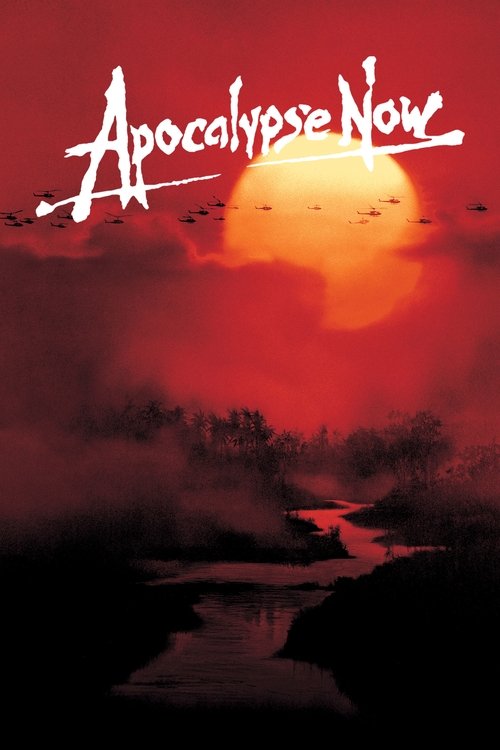
7. Apocalypse Now
Francis Ford Coppola's epic descent into the heart of darkness transcends the war genre, becoming a hallucinatory, philosophical odyssey into the madness of conflict and the human psyche. The film's sprawling production, fraught with peril and artistic ambition, mirrors its narrative of Willard's journey upriver to find Kurtz. Its stunning cinematography, iconic soundtrack, and unsettling exploration of morality and savagery solidify its status as a monumental, harrowing cinematic achievement that continues to provoke and disturb.