1 / 7
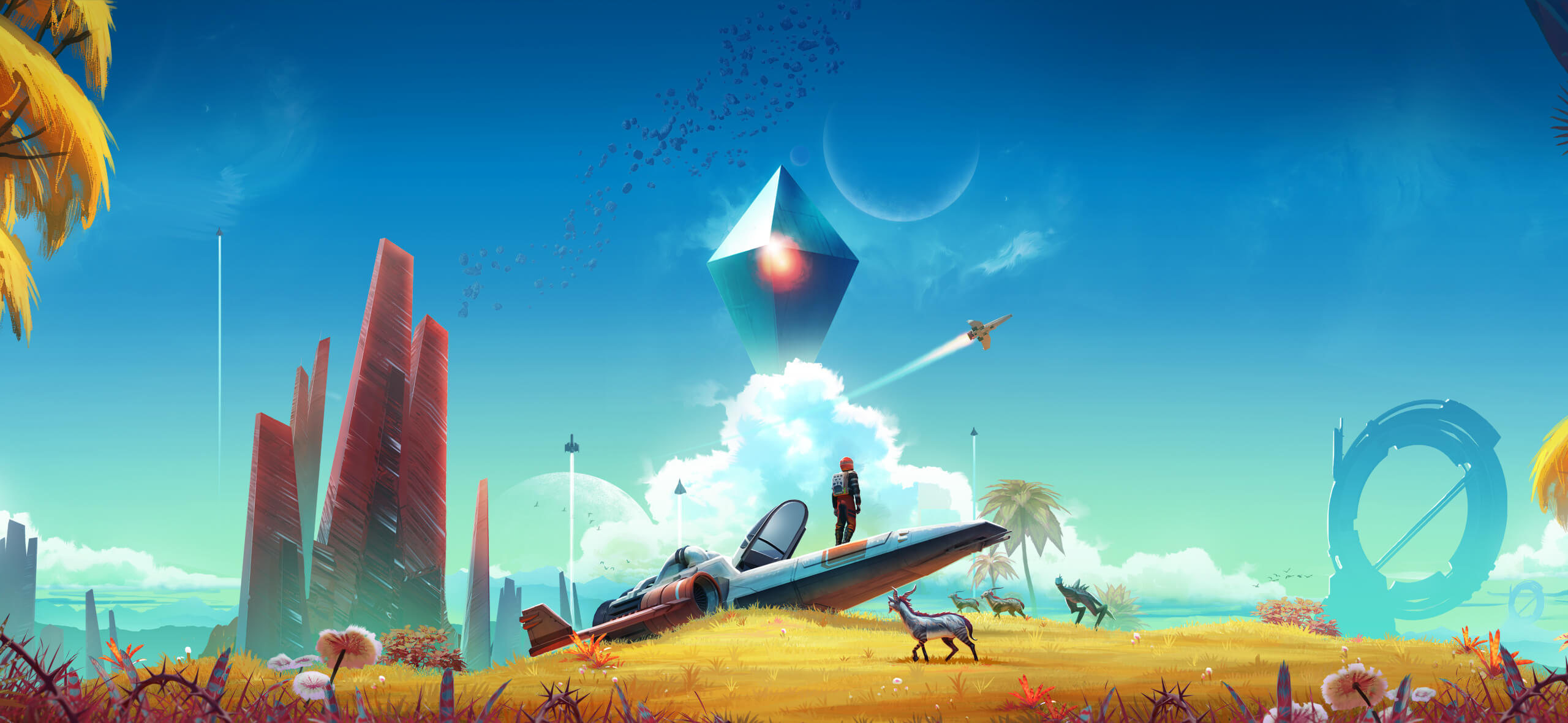
1. No Man's Sky
Remember that trainwreck launch? The empty promises, the sheer disappointment? Hello Games didn't just patch it; they rebuilt the universe piece by piece, driven by genuine passion, not just quarterly reports. They listened, iterated, and delivered a game so far beyond its original state it’s almost a different title. It's a rare example of developers earning back trust through relentless, quiet work, showing corporate greed doesn't *always* win. A real industry anomaly, honestly.
2 / 7

2. Final Fantasy XIV
This is the gold standard for a true reset. Square Enix actually blew up the original 1.0 version, literally ending the world in-game, and relaunched it as "A Realm Reborn." That takes immense corporate humility and a colossal financial gamble. They didn't just fix bugs; they admitted total failure and delivered an entirely new, critically acclaimed MMO. It proves that sometimes, you just have to burn it all down and start fresh if you truly respect your players.
3 / 7
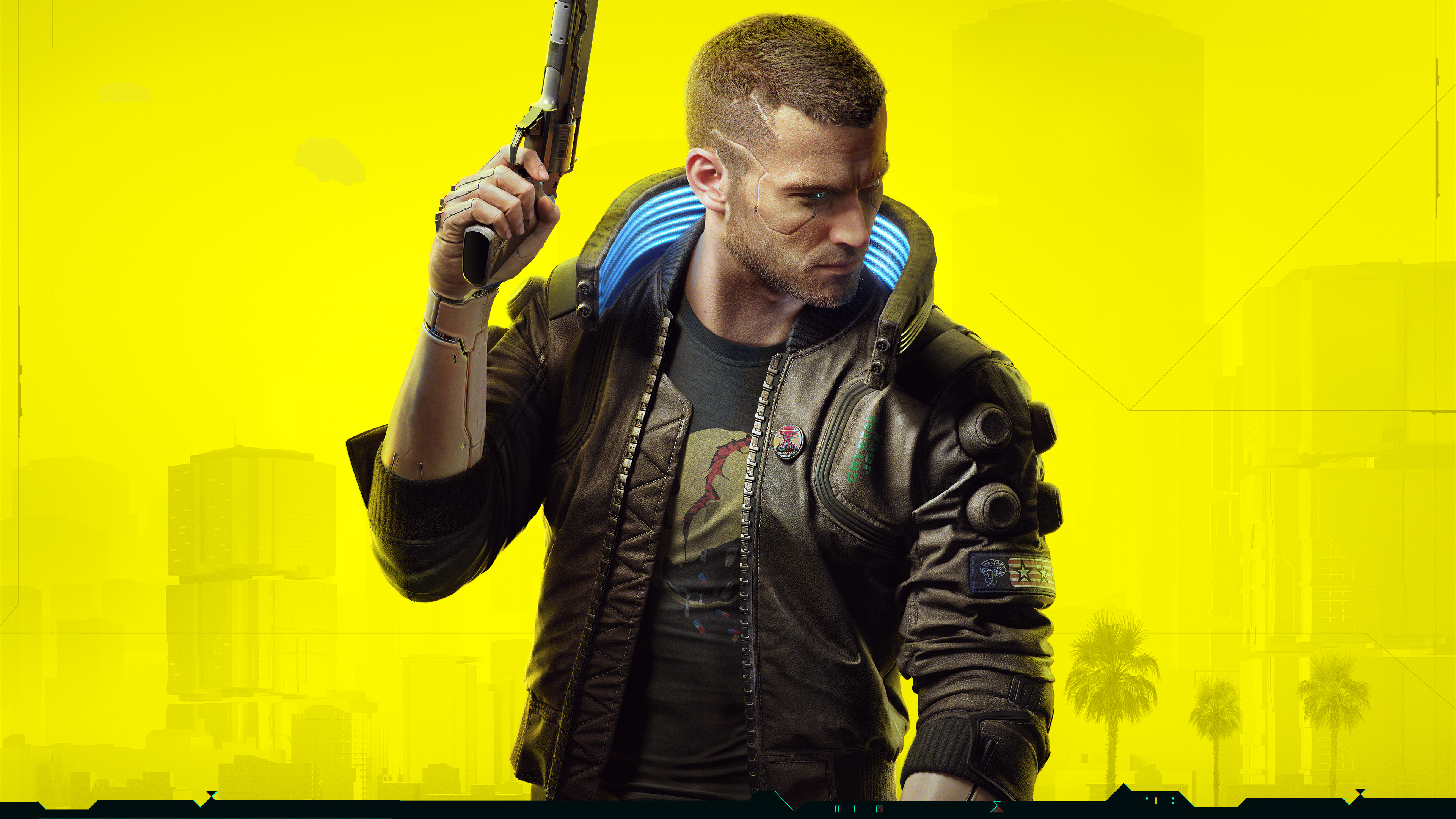
3. Cyberpunk 2077
What a mess this was at launch. CD Projekt Red, once the darlings of gaming, delivered a buggy, unfinished nightmare that felt like a betrayal. But credit where it's due, they chipped away at it, slowly but surely, patching and adding content until it became the game many hoped for. It’s a painful lesson in managing hype and crunch, but their eventual commitment to fixing it, even after the refunds, shows a glimmer of integrity in a cynical industry.
4 / 7
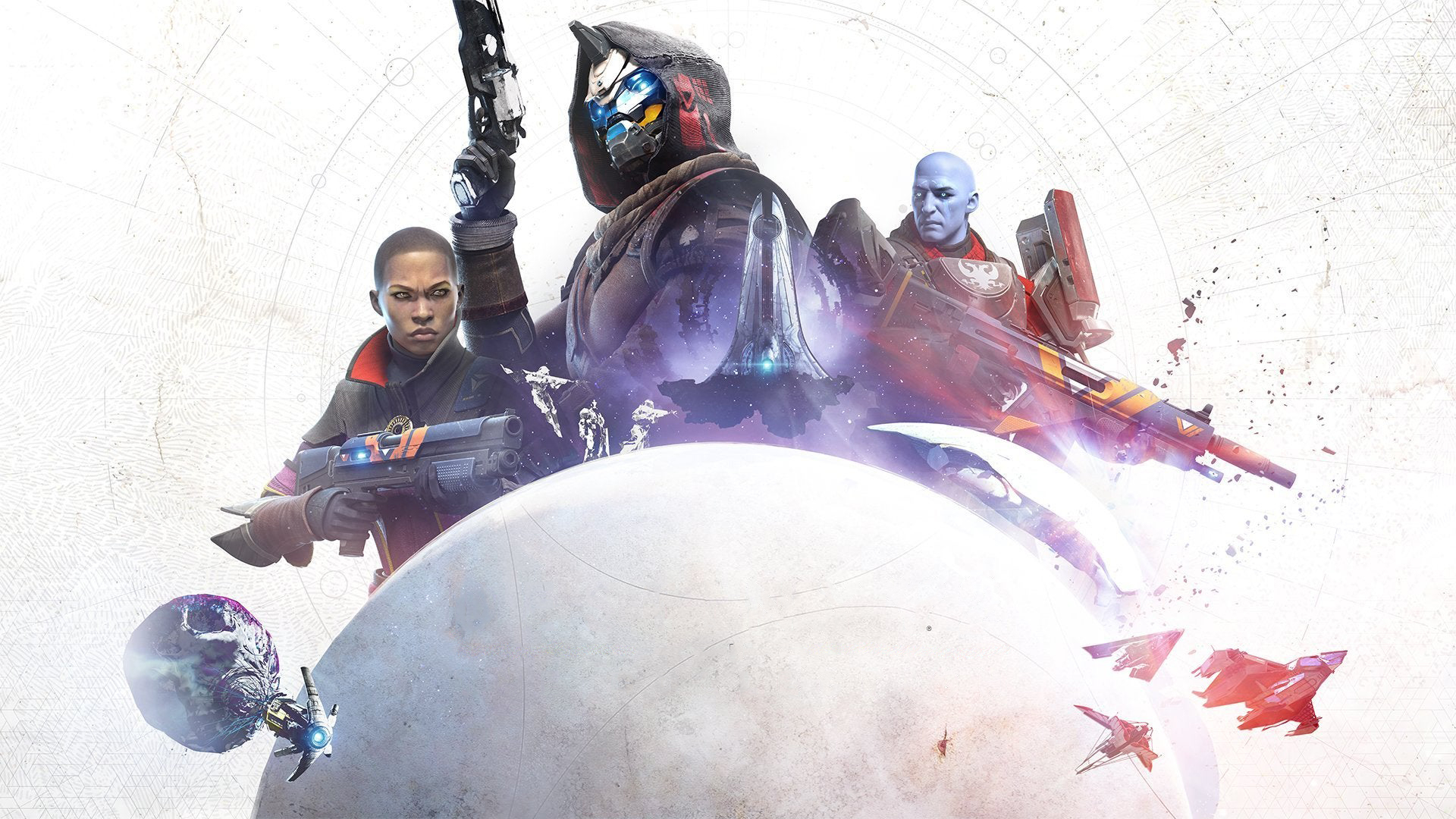
4. Destiny 2
Bungie’s journey with Destiny 2 has been a wild ride, often feeling like two steps forward, one step back. They've vaulted content, reworked systems, and constantly grappled with player feedback regarding grind and monetization. While not a clean "reset" like FFXIV, they've repeatedly overhauled core mechanics and narrative arcs, demonstrating a willingness to tear things down and rebuild. It's a live-service tightrope walk, often frustrating, but undeniably a continuous evolution based on community demands.
5 / 7
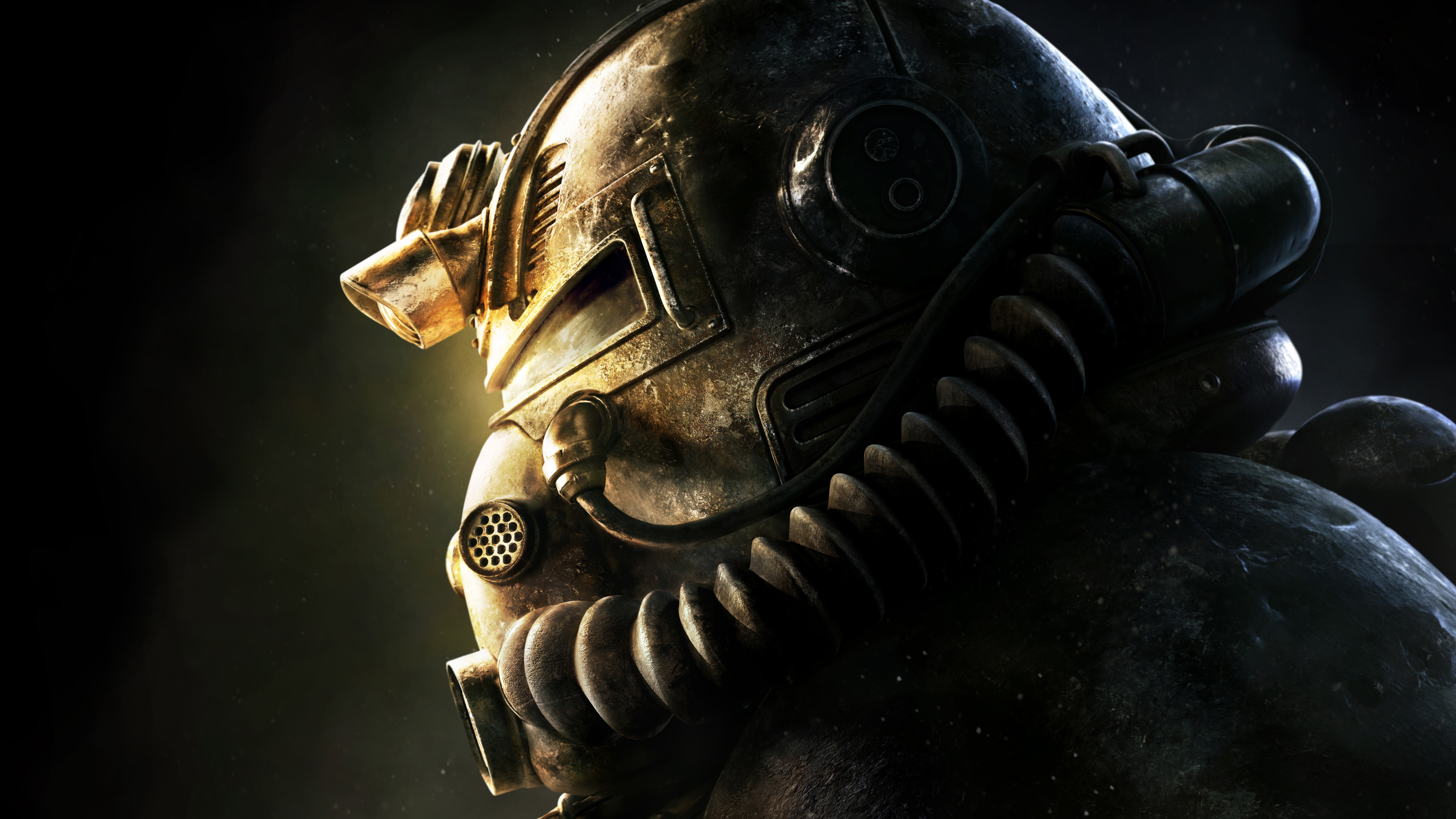
5. Fallout 76
Bethesda pushed this out as a broken, multiplayer experiment that nobody really asked for, riddled with bugs and questionable design choices. The community backlash was brutal, and deservedly so. Yet, through years of updates, including NPC additions, proper questlines, and technical polish, they genuinely transformed it. It's still not everyone's ideal Fallout, but it evolved from an unplayable joke into a surprisingly fun, albeit niche, online experience. A testament to stubborn post-launch support.
6 / 7
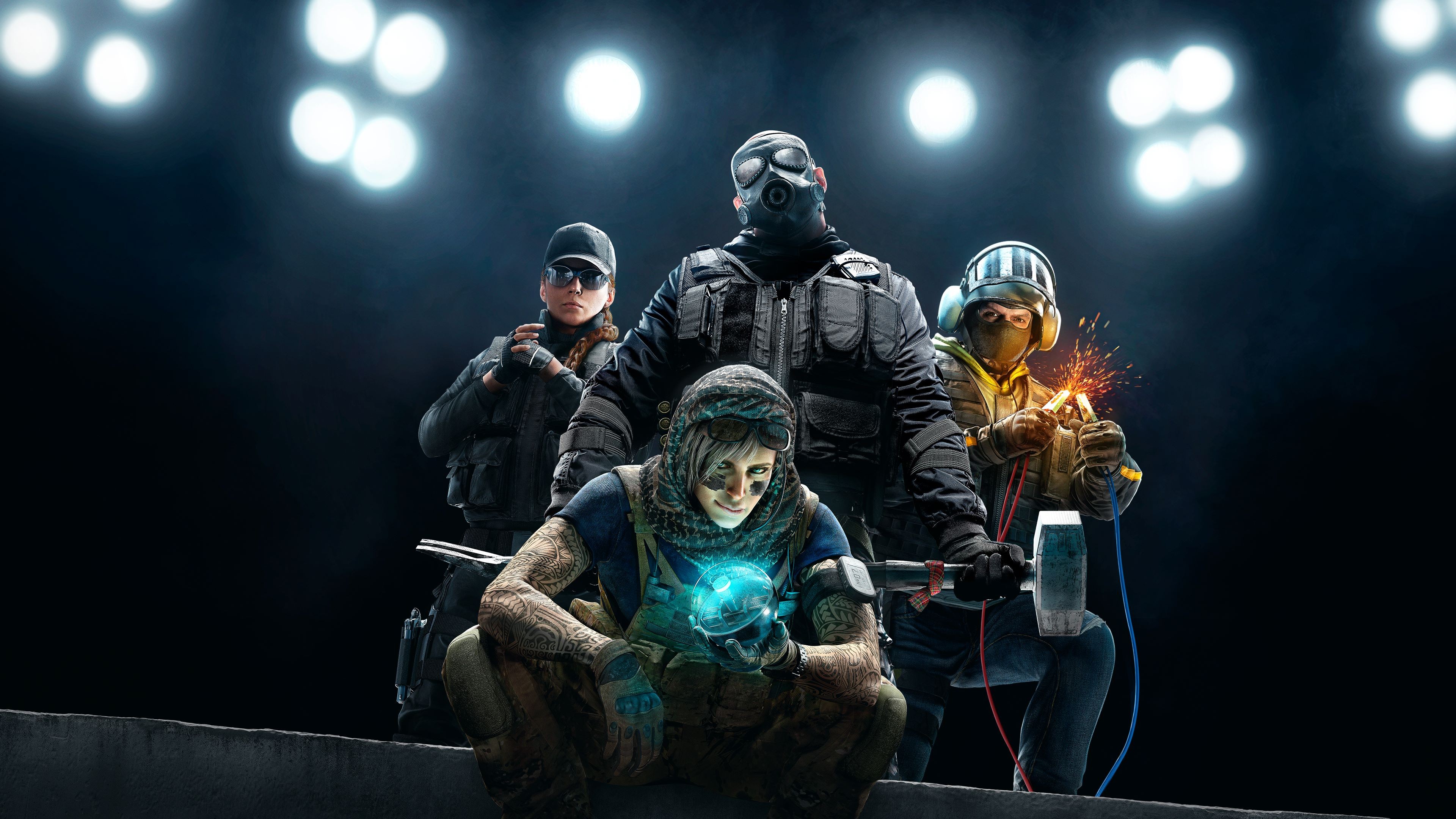
6. Tom Clancy's Rainbow Six Siege
This game launched with a solid core idea but was pretty barebones. Ubisoft, unlike many publishers who'd abandon a niche competitive title, committed hard. They iterated on operators, maps, and crucial anti-cheat systems for years, listening to the competitive scene. Siege transformed from a cult hit into a massive, thriving esports title. It shows what sustained developer support, focused on gameplay and community, can achieve when they resist chasing the next big trend.
7 / 7
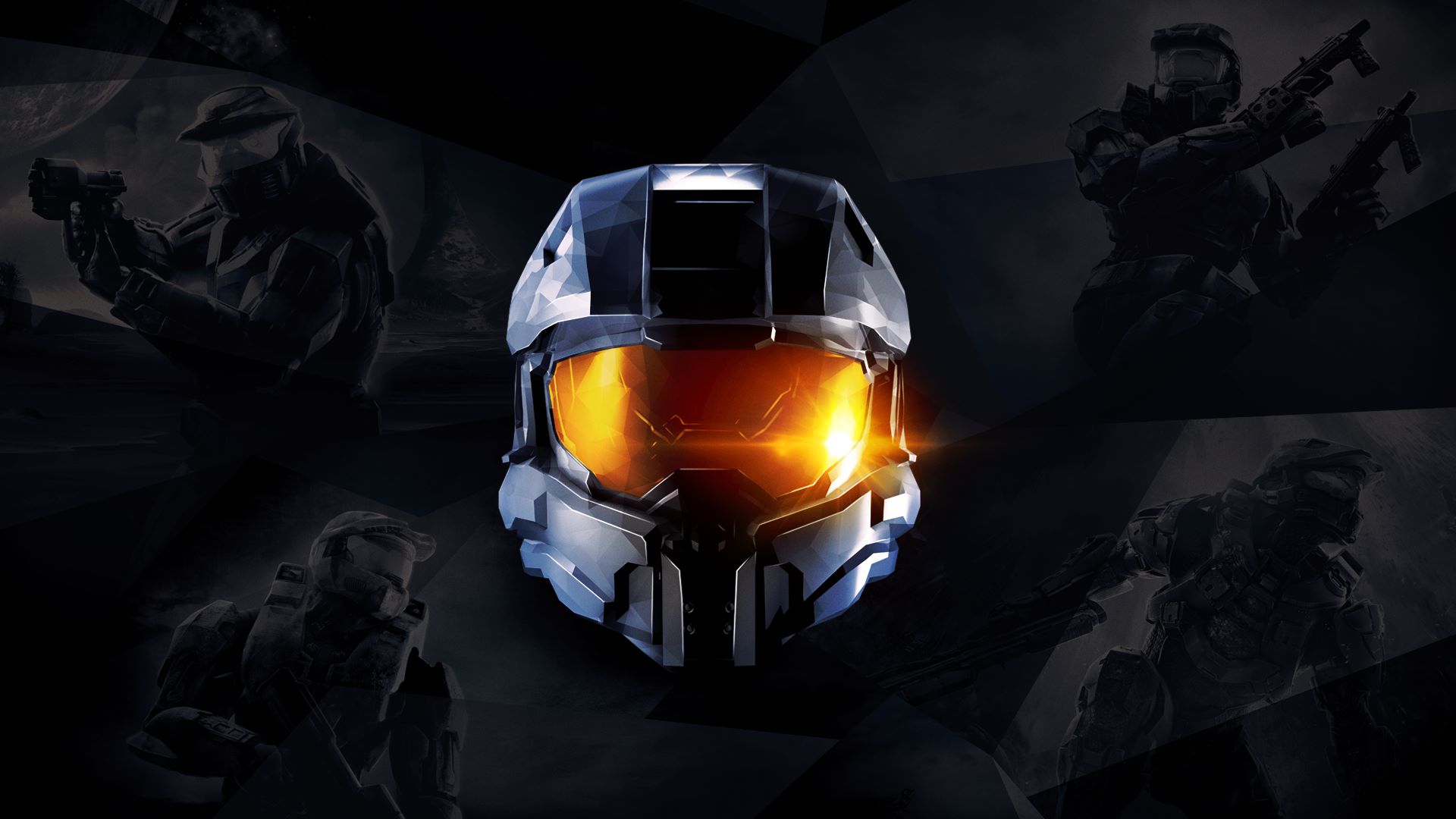
7. Halo: The Master Chief Collection
When this dropped, it was a technical disaster, a broken monument to Xbox's flagship franchise. Multiplayer barely worked, and key features were missing. It was a huge blow to nostalgia. But 343 Industries, over several years, meticulously fixed it. They rebuilt matchmaking, added features, and brought it to PC, finally delivering the definitive Halo experience. It redeemed their reputation and proved that fixing past mistakes can be more impactful than launching new, buggy games.