
1 / 7
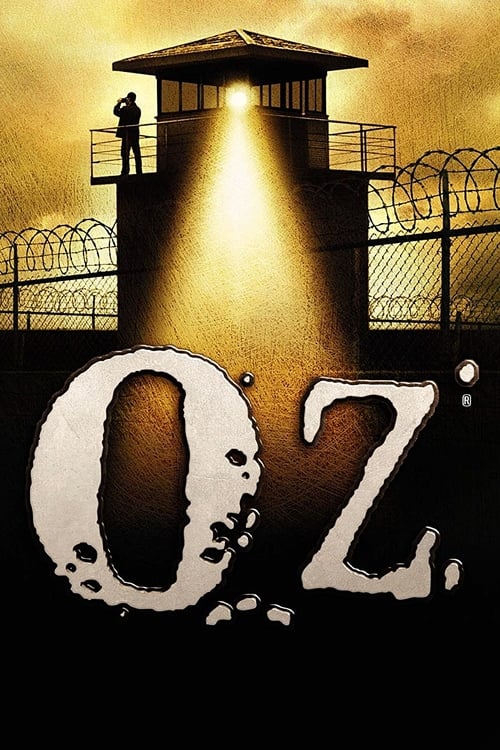
1. Oz
Before HBO was HBO, there was *Oz*. This show wasn't just adult; it was a brutal, unflinching look inside a maximum-security prison. It threw out network TV’s rulebook, proving that serialized, character-driven drama, with an ensemble cast willing to go anywhere, could be appointment viewing. It set the stage for cable's audacious era, showing the industry what real risk-taking looked like on screen. The violence wasn't gratuitous; it was the story.
2 / 7

2. Mr. Show with Bob and David
Forget your standard sketch comedy; *Mr. Show* was something else entirely. It was smart, surreal, and built on a strange, interconnected logic that rewarded repeat viewings before that was even a thing. This felt like comedy made for people who were tired of the same old jokes, and its influence on alternative comedy and internet humor is still palpable. A true cult classic, quietly building its legend.
3 / 7
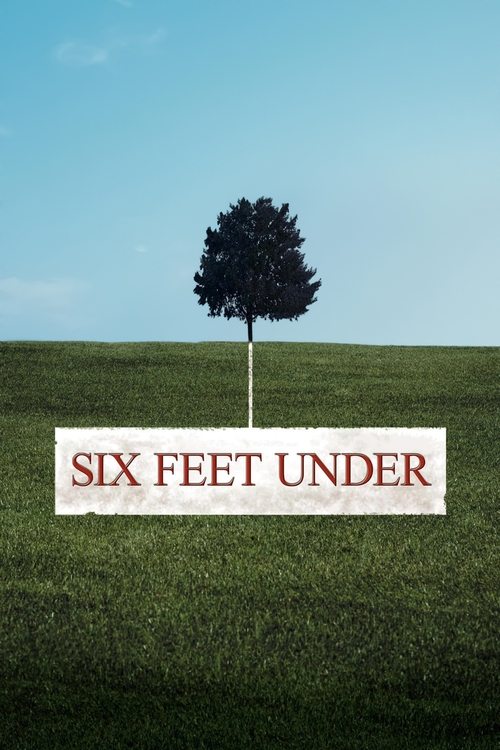
3. Six Feet Under
HBO cemented its prestige drama status with this one. A family running a funeral home, grappling with death every week – it sounds bleak, but it was profoundly human and often darkly funny. The show pioneered a deeply serialized, character-first approach, using cinematic techniques to explore grief, love, and existence. Its ensemble was phenomenal, and it proved that audiences craved emotional depth beyond the usual procedurals.
4 / 7
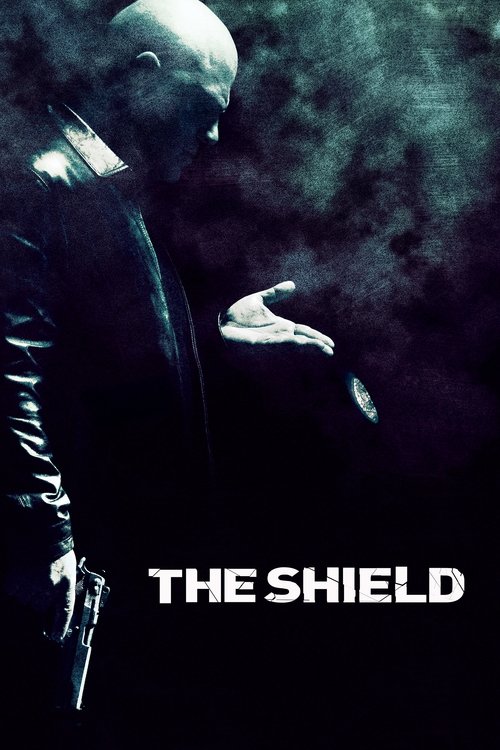
4. The Shield
FX wasn't a major player until *The Shield* dropped, kicking down the door for anti-hero dramas. Vic Mackey wasn't just morally ambiguous; he was a straight-up bad guy doing good (sometimes). This show pushed the boundaries of what a cop drama could be, embracing a handheld, gritty aesthetic and serialized storytelling that made you question everything. It showed cable could do dirty, compelling drama as good as anyone.
5 / 7
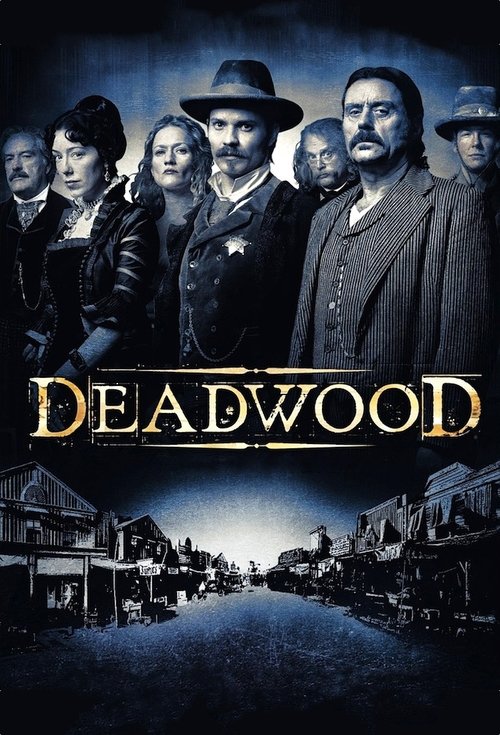
5. Deadwood
Talk about a show with a voice. *Deadwood* was Shakespearean prose mixed with frontier grime, a period piece that felt utterly modern. It wasn’t afraid of a huge ensemble, intricate dialogue, or letting its story unfurl at its own pace. This was HBO at its most ambitious, treating television like long-form cinema and demanding an audience's full attention. It proved that historical settings could deliver raw, contemporary impact.
6 / 7
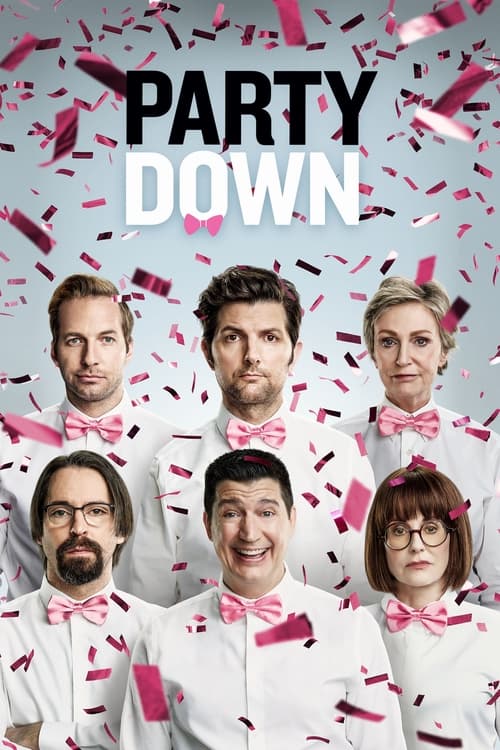
6. Party Down
This show was a gem, a masterclass in awkward, character-driven comedy set amongst a catering crew. It never found a huge audience on Starz, but it built a loyal following through on-demand and word-of-mouth. Its smart, ensemble-focused writing and observational humor felt fresh, a subtle mockumentary vibe without the confessionals. It's a prime example of a show that would find its true life and appreciation later, online.
7 / 7
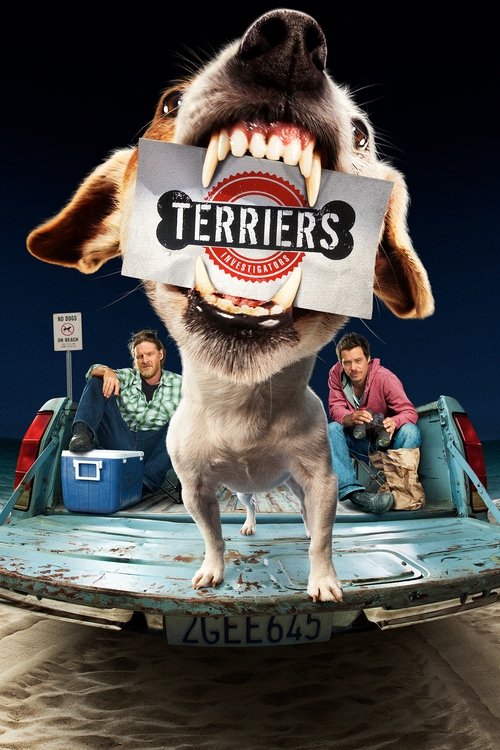
7. Terriers
Terriers was a critical darling that, for whatever reason, just didn't catch on big on FX. A quirky, noir-tinged detective story about two down-on-their-luck PIs, it had incredible chemistry and heart. It's a perfect example of how the burgeoning cable landscape was producing incredible, cinematic-quality shows that, in the early days of on-demand, could be discovered and cherished by a dedicated few long after cancellation.