
1 / 10

1. The Holy Mountain
This 1973 Jodorowsky film is a wild, hallucinatory trip through spiritual alchemy and societal critique. It’s less a story and more an experience, constantly challenging what's real and what’s symbolic. Imagine stepping into a VR world where every texture, every character, every sound is designed to bend your mind and make you question reality's very fabric. It's an intense, beautiful, and sometimes disturbing exploration of consciousness, feeling totally ahead of its time for its immersive, perceptual manipulation.
2 / 10

2. Valerie and Her Week of Wonders
Valerie's 1970 journey through a dreamlike coming-of-age story feels like a forgotten, ethereal VR experience. The world bends around her, with vampires, priests, and fantastical imagery blending seamlessly into a hazy narrative. It’s less about a clear plot and more about sensing the emotional landscape, much like how future AI-driven narratives might adapt to your subconscious. The film's gentle, yet unsettling, manipulation of reality creates an intensely personal and deeply strange perceptual space.
3 / 10

3. House
Oh, *House* (1977) is just pure, unadulterated visual chaos and joy. This Japanese film throws logic out the window for a relentless assault of surreal, often hilarious, and genuinely unsettling imagery. It’s like someone programmed a VR horror game with an infinite budget and zero rules, where cats play piano and watermelons bite. The way it constantly shifts tone and visual reality, often within the same scene, keeps you delightfully off-kilter, really messing with your perception of what's coming next.
4 / 10

4. Possession
Andrzej Żuławski's 1981 *Possession* is an absolute masterclass in extreme emotional and psychological breakdown, pushing perception to its limits. It’s a raw, visceral experience of a relationship falling apart, but filtered through a deeply unsettling, almost alien lens. The world reflects the characters' inner turmoil, warping and twisting into something monstrous. You're constantly questioning what's real, what's hallucination, and what's metaphorical, much like navigating a deeply personalized, AI-generated nightmare designed to explore trauma.
5 / 10
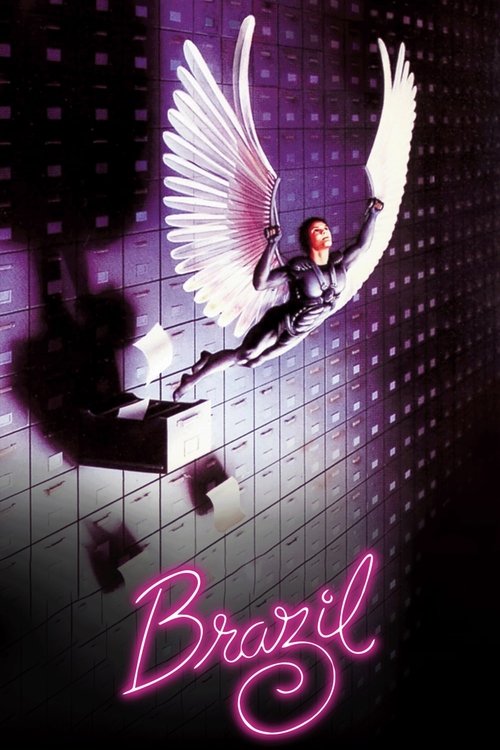
5. Brazil
Terry Gilliam’s 1985 *Brazil* perfectly crafts a world where oppressive bureaucracy clashes with one man’s fantastical dream life. The film constantly switches between grim reality and soaring, heroic fantasies, making you question where the protagonist truly lives. It feels like an early blueprint for future VR narratives where your inner world dictates the landscape, and escape is always just a thought away. This movie is a brilliant, darkly comedic exploration of how perception can be a weapon and a refuge in a suffocating system.
6 / 10
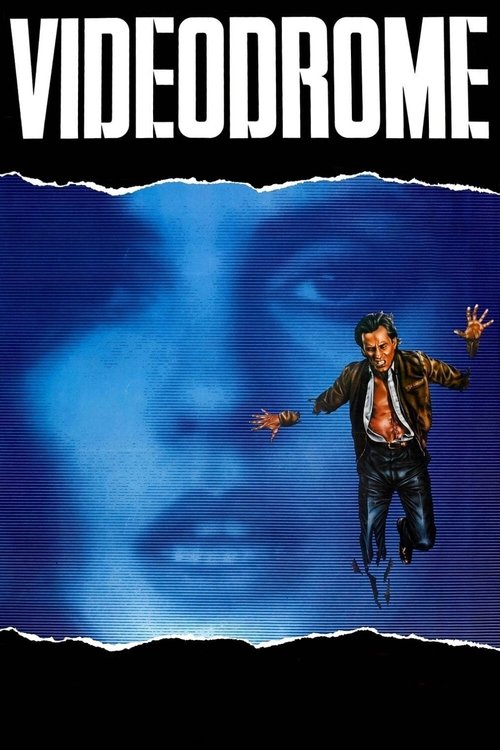
6. Videodrome
David Cronenberg's 1983 *Videodrome* is a prophetic dive into media saturation and its impact on reality, feeling more relevant than ever. The protagonist's world slowly unravels into grotesque hallucinations and body horror as he consumes a mysterious broadcast. It’s a chilling look at how easily our perceptions can be manipulated and physically altered by content. Imagine a VR experience where the content literally rewrites your reality and even your biology – that’s the disturbing, fascinating future *Videodrome* envisioned, and it nails it.
7 / 10

7. Tetsuo: The Iron Man
Shinya Tsukamoto's *Tetsuo: The Iron Man* from 1989 is a relentless, industrial, cyberpunk nightmare. It throws you headfirst into a world where flesh and metal violently merge, creating a visceral, often uncomfortable experience. The film's frenetic pace and grotesque transformations constantly distort your sense of what's human or even possible. It’s like a hyper-aggressive, AI-generated VR fever dream, pushing the boundaries of body horror and perception until you're not sure what's real or where the next metallic mutation will come from.
8 / 10
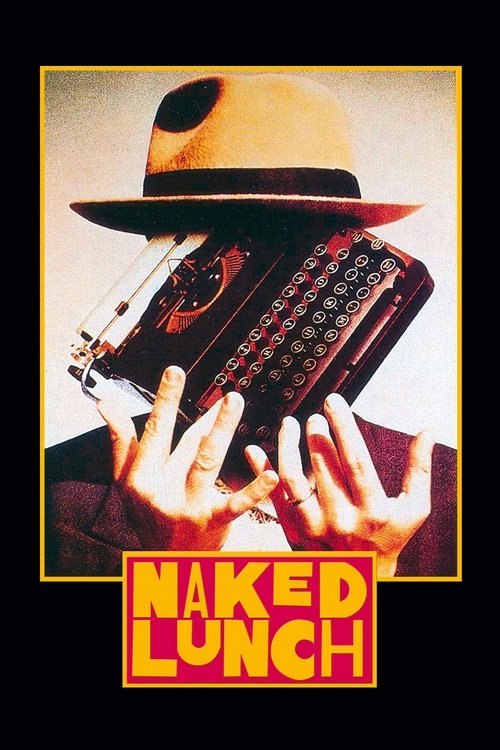
8. Naked Lunch
Cronenberg's 1991 adaptation of William S. Burroughs’ *Naked Lunch* is a masterclass in translating a deeply subjective, drug-addled perception onto the screen. It's a journey into a surreal, insect-infested world where typewriters are sentient bugs and reality is constantly shifting. The film perfectly captures the feeling of a mind unmoored, where nothing can be trusted. This is a brilliant example of how AI could craft narratives that adapt to, and reflect, a user's altered state, creating truly unique and disturbing perceptual landscapes.
9 / 10

9. Being John Malkovich
Spike Jonze’s 1999 *Being John Malkovich* is such a clever, mind-bending ride. It explores identity and consciousness by literally letting characters step inside someone else's head. The film plays with perception in a really playful, yet profound way, showing how our understanding of self can be fragmented and shared. Imagine an AI-driven VR where you can fully inhabit another person's subjective reality, seeing and feeling through their eyes. This movie nailed that concept with its quirky, unique take on perception.
10 / 10

10. Paprika
Satoshi Kon's 2006 *Paprika* is an absolutely stunning, vibrant exploration of dreams, technology, and shared consciousness. The line between dream and reality dissolves completely as therapists dive into patients' minds, creating breathtaking, often terrifying, sequences. It's a perfect vision of how future VR and AI could merge, allowing us to collaboratively shape and navigate dreamscapes, for better or worse. The way it constantly shifts scale, logic, and visual style keeps you utterly mesmerized and questioning everything you see.