

1. Good Times Go
Chic’s "Good Times" isn't merely a disco anthem; it's a masterclass in rhythmic precision and melodic economy. Bernard Edwards’ bassline, a hypnotic, propulsive force, anchors the entire composition, creating a foundation that countless future grooves would emulate. Rodgers’ guitar provides shimmering counterpoints, a testament to the pre-digital era’s reliance on impeccable musicianship. This track codified the very language of the dancefloor, its structure and infectious pulse becoming the blueprint for nascent hip-hop and house music. It's an undeniable pivot point.

2. Blue Monday
New Order’s "Blue Monday" wasn't just a record; it was an electronic manifesto. Its cold, precise drum machine patterns, primarily from the Oberheim DMX, laid a stark, mechanized grid over which Bernard Sumner’s ethereal synths and Hooky’s driving bass articulated a new emotional landscape. This was the sound of machines being taught to feel, a bold, lengthy statement that redefined pop’s rhythmic potential. It bridged post-punk’s angst with the burgeoning power of sequencers, paving the way for techno’s austere beauty.

3. Planet Rock
Afrika Bambaataa’s "Planet Rock" detonated a sonic revolution. Built upon the insistent, futuristic pulse of the Roland TR-808, it fused Kraftwerk's mechanical precision with funk's undeniable swagger. Arthur Baker’s production layered vocoded vocals and swirling synthesizers, creating an alien soundscape that was simultaneously raw and deeply sophisticated. This wasn't just early hip-hop; it was the definitive blueprint for electro, a direct transmission from the future that shaped everything from Detroit techno to club culture's relentless pursuit of the next beat.
4. Warm Leatherette
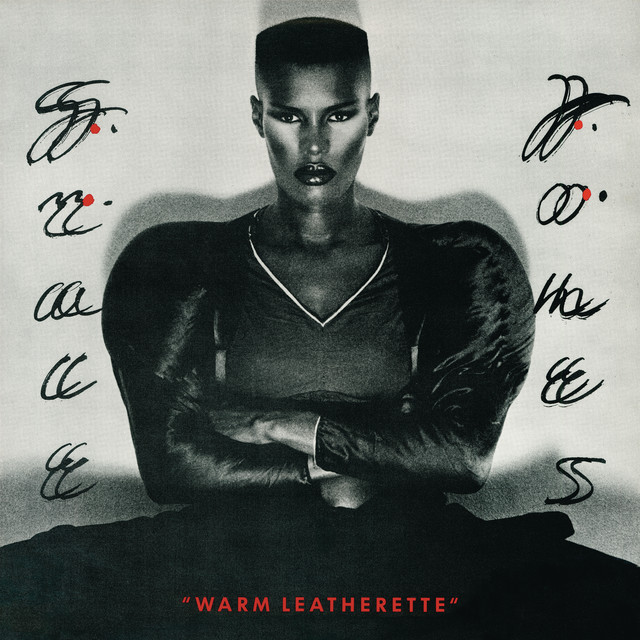
The Normal’s "Warm Leatherette" is a chilling, minimalist masterpiece. Daniel Miller stripped music down to its bare, mechanical bones: a stark, repetitive Korg synthesizer riff, a skeletal drum machine pattern, and a detached, almost spoken vocal. This wasn't about virtuosity; it was about atmosphere and implication. Its unsettling, industrial coldness and thematic fixation on technology and alienation forged a powerful, enduring aesthetic. It’s a foundational text for industrial music, demonstrating how stark sonic elements could convey profound unease and a grim vision of the future.
5. Remain in Light
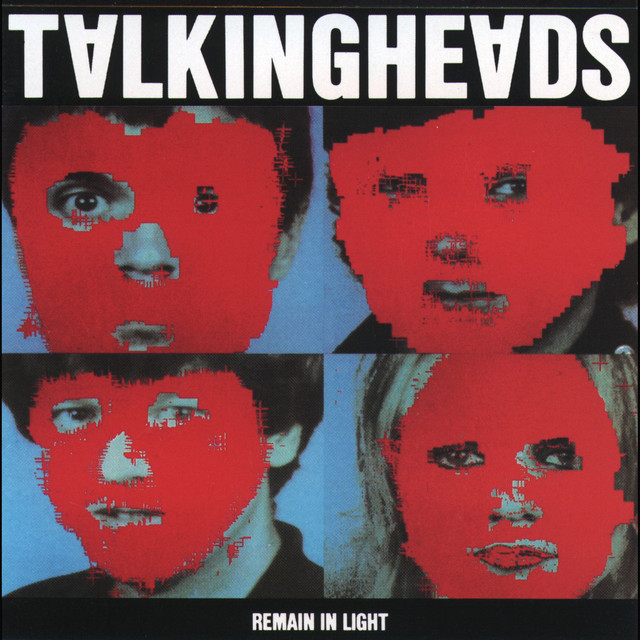
Talking Heads’ "Remain in Light," as a holistic statement, redefined what rock music could be. Brian Eno’s production, a meticulous tapestry of interlocking, often African-inspired polyrhythms, transformed the band into a rhythmic engine. The studio became an instrument, with instrumental parts looped and layered into dense, hypnotic grooves. This wasn’t just art-rock; it was a profound exploration of rhythmic possibility and textural depth. Its influence on subsequent genres, from post-punk to early alternative, in embracing complex rhythms and global sounds, is immeasurable.
6. Chameleon
Herbie Hancock’s "Chameleon" burst forth as an electrifying fusion of jazz improvisation and deep funk groove. Its instantly recognizable, bubbling Moog bassline, a triumph of synthesized rhythm, laid down a hypnotic foundation over live, intricate percussion. This wasn't just a jazz track; it was a rhythmic powerhouse that spoke directly to the dancefloor. It demonstrated the expressive power of synthesizers in a live band context, establishing a template for funk, and providing a rich, influential source for early hip-hop and electronic music’s rhythmic lexicon.

7. Police Story
Black Flag’s "Police Story" is a primal scream condensed into barely two minutes. It’s a raw, unvarnished explosion of frustration, driven by Greg Ginn’s angular guitar riffs and a relentless, pummeling rhythm section. The production, typical of SST’s early approach, is stripped-down and abrasive, capturing the visceral energy of a band on the brink. This track codified the sound and fury of hardcore punk, offering a blueprint for speed, aggression, and uncompromising intensity that resonated through metal, alternative, and every subsequent iteration of confrontational rock music.