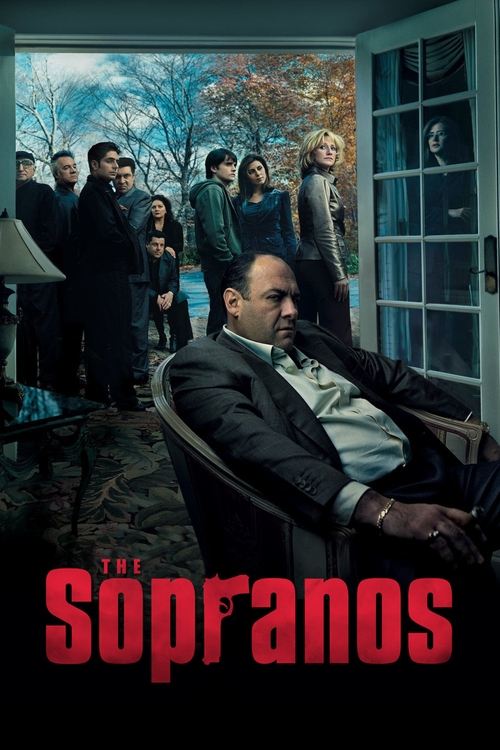
1. The Sopranos
Before Tony, TV drama often felt like a series of self-contained episodes. This show ripped up that playbook. It introduced us to an anti-hero whose internal struggles were as compelling as his external ones, blurring lines between good and bad. HBO pushed boundaries, giving us complex, serialized storytelling that felt more like a novel than network television. It set the bar for what cable could achieve.
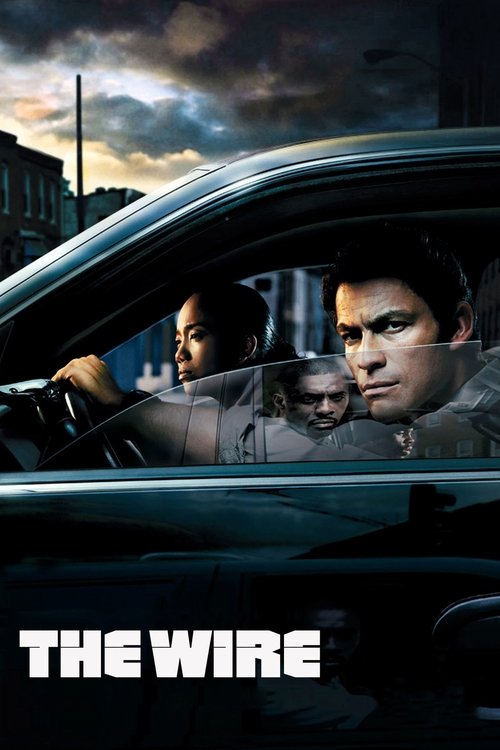
2. The Wire
Forget what you thought you knew about crime shows. This wasn't about catching the bad guy each week; it was about the systemic rot in institutions. Baltimore became a character itself, brought to life by an incredible ensemble. It was dense, demanding, and utterly rewarding, treating its audience like adults ready for a deep dive into social commentary. A true game-changer for serialized drama.
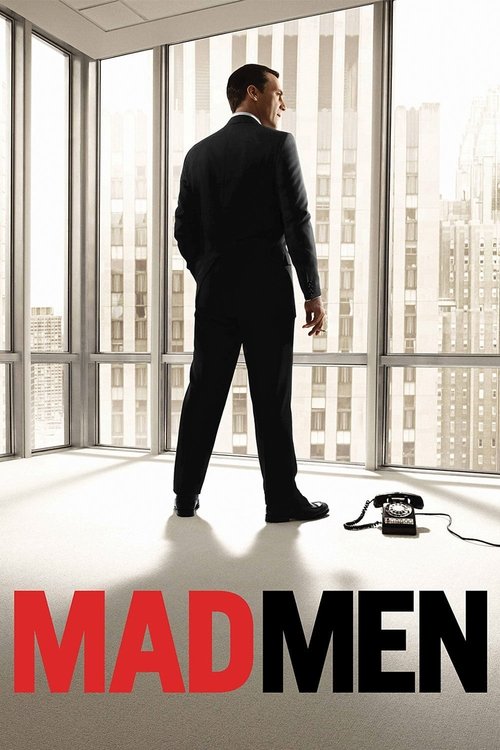
3. Mad Men
Suddenly, TV looked like film. Every shot was meticulously crafted, the period detail impeccable. But beyond the aesthetics, it was a profound character study of Don Draper and the shifting American psyche of the 60s. It wasn't just about plot; it was about mood, unspoken desires, and the slow unraveling of a facade. A masterclass in subtle, serialized storytelling that made you think.
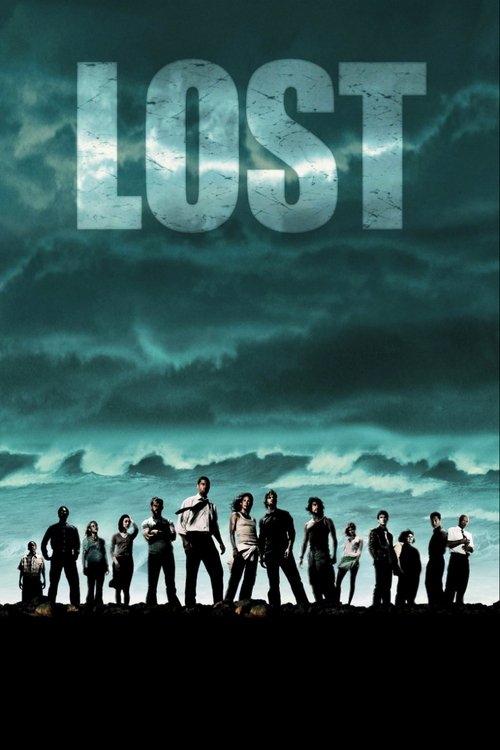
4. Lost
This show redefined the "water cooler" conversation. It wasn't just a mystery; it was a mythology, a puzzle box that rewarded close attention. Its cinematic scope, intricate plotting, and sprawling ensemble cast made weekly viewing a communal event. It hooked you with its serialized cliffhangers, practically begging for those early DVRs and on-demand rewatches to piece together its complex narrative.
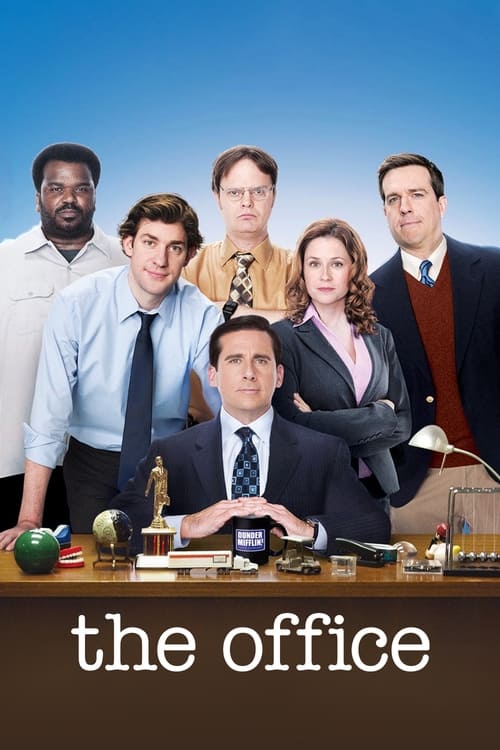
5. The Office
Who knew a documentary crew following paper salespeople could be so brilliant? This perfected the mockumentary format for American audiences, turning awkward silences and mundane office politics into pure comedic gold. It was character-driven, relatable, and showed how serialized storylines could build deep emotional investments, even in a sitcom. It felt real, messy, and hilarious.

6. Six Feet Under
Death was rarely the central character on TV, but this show made it the starting point for every episode. It was a deeply emotional, character-focused drama about a family running a funeral home. HBO took risks, exploring grief, sexuality, and the human condition with unflinching honesty. It proved that TV could be profoundly philosophical and exquisitely intimate, pushing past conventional boundaries.
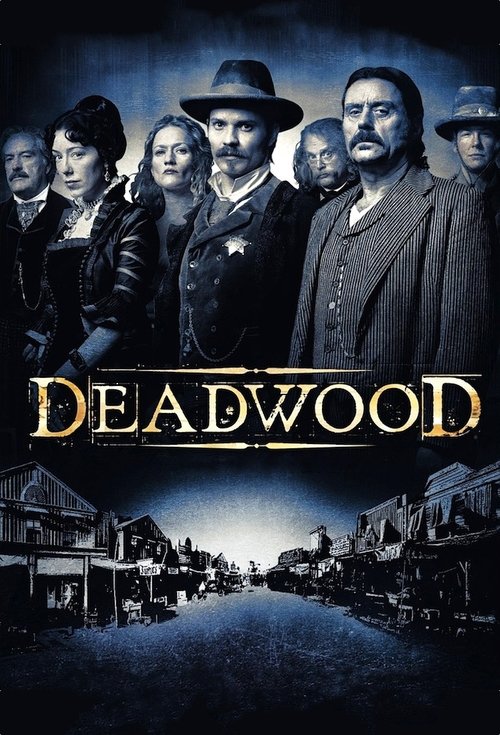
7. Deadwood
Swearing, violence, and historical grit – this wasn't your grandpa's Western. "Deadwood" was a raw, poetic, and utterly compelling look at the birth of civilization in a lawless town. Its rich, often Shakespearean dialogue and incredible ensemble cast made it feel like a living, breathing world. It was a testament to cable's freedom, showing how period pieces could be brutal and beautiful.
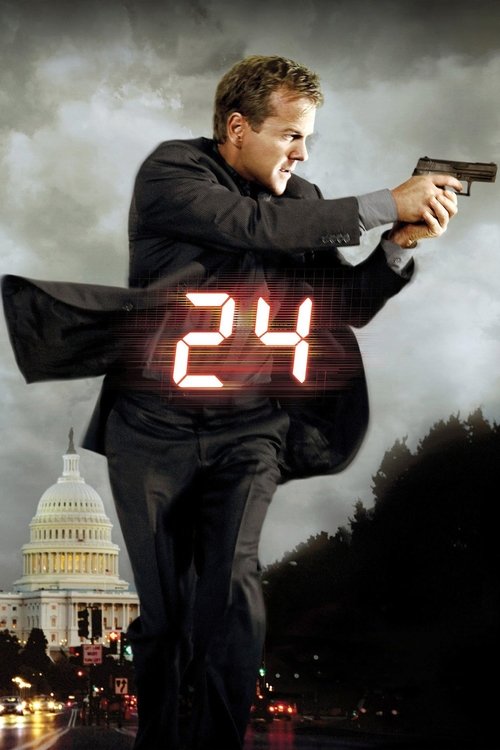
8. 24
The ticking clock was a stroke of genius. This show introduced real-time storytelling, ratcheting up the tension to unbearable levels. Jack Bauer became an iconic action hero, and the serialized, high-stakes plot kept you glued to the screen. It pioneered a kind of intense, continuous narrative that felt almost like an extended movie, perfect for an era embracing DVR and the thrill of the marathon.
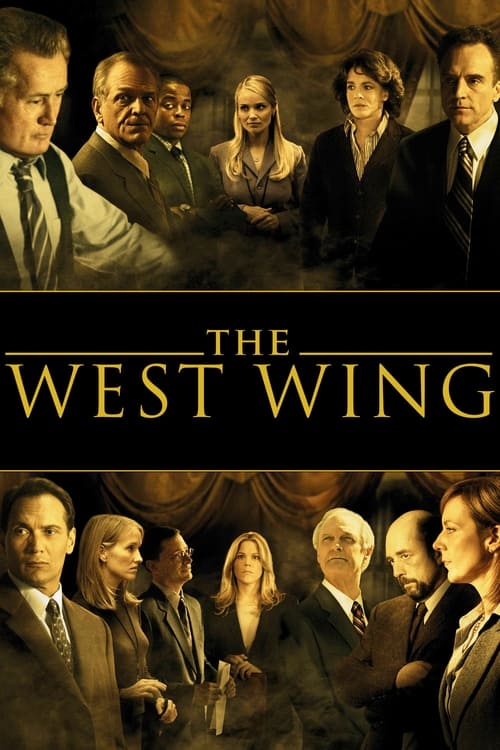
9. The West Wing
Smart, fast-paced dialogue and an idealistic look at American politics. This show proved that serialized drama could be intelligent, educational, and genuinely inspiring. Its ensemble cast brought complex characters to life, making policy debates as thrilling as any action sequence. It elevated the political drama genre, showing the human cost and triumph behind governing.
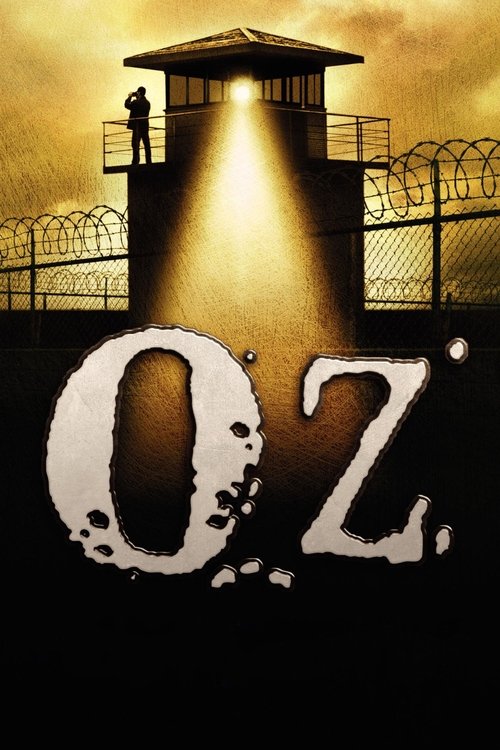
10. Oz
Before "The Sopranos" or "The Wire," "Oz" showed how dark and uncompromising cable drama could get. Set in a maximum-security prison, it was brutal, shocking, and pulled no punches. It forced viewers to confront difficult themes and showcased an incredible ensemble cast in a serialized, often horrifying narrative. It was HBO's early signal that television was about to get very serious.