

1 / 7
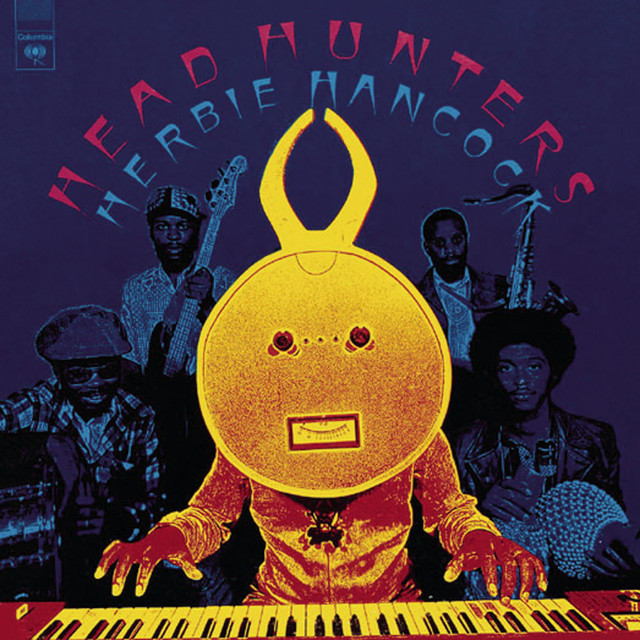
1. Head Hunters
Herbie Hancock, a master of keys, delivered a seismic shift here. This wasn't just jazz-funk; this was an electric, polyrhythmic beast, forged in the crucible of the early '70s studio. The Clavinet's bite, the ARP's liquid flow, and those deep, insistent grooves laid down a new blueprint for rhythm and texture. It felt utterly alien yet immediately familiar, an undeniable force that pulled jazz firmly onto the dance floor, demonstrating electronic instruments' profound potential beyond mere novelty.
2 / 7
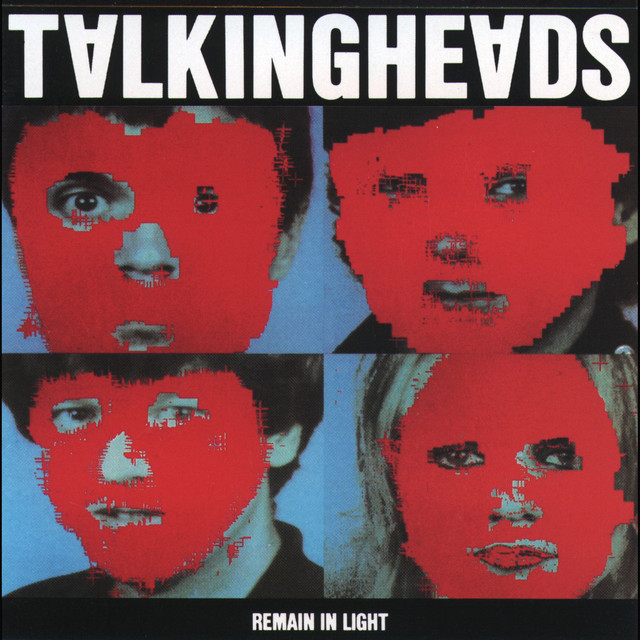
2. Remain in Light
Talking Heads, with Eno's guiding hand, dissolved rock's traditional structures. This record is a testament to the studio as an instrument, where interlocking, often abstract, rhythmic patterns and looped vocal phrases created a dense, almost claustrophobic sonic landscape. It was a deconstruction of funk and African rhythms, reassembled with an art-rock sensibility. The textures were raw, yet the overall effect was incredibly sophisticated, predicting a future where sampled beats would dominate.
3 / 7
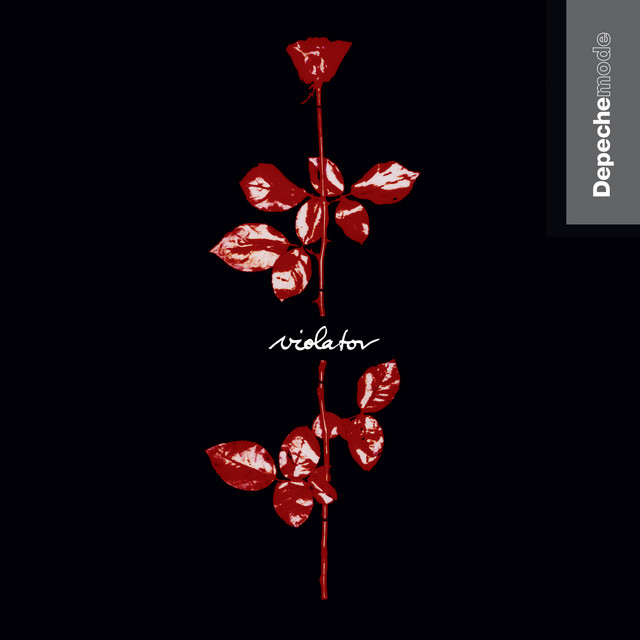
3. Violator
Depeche Mode perfected their dark, synthesized craft here. The Fairlight CMI and analog behemoths sculpted sounds that were simultaneously austere and immensely powerful. Each track felt meticulously engineered, a masterclass in sonic tension and release. It solidified darkwave's emotional heft while demonstrating how electronic music could convey profound melancholy and grandeur without sacrificing pop immediacy. This was not just a collection of songs; it was a meticulously constructed atmosphere, a benchmark for synth-driven artistry.
4 / 7
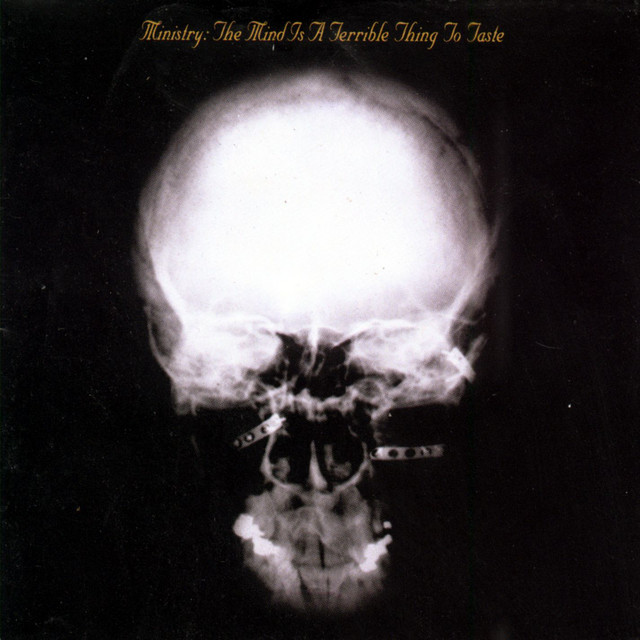
4. The Mind Is a Terrible Thing to Taste
Ministry, in its late '80s incarnation, offered an unholy union of metallic aggression and industrial machinery. This wasn't subtle; it was a bludgeoning, sample-heavy assault on the senses. The drum machines were programmed like jackhammers, the guitars were serrated, and the layers of distorted sound created a truly oppressive, yet undeniably compelling, sonic environment. It fused the brute force of early metal with the rhythmic nihilism of industrial, a truly brutal statement.
5 / 7
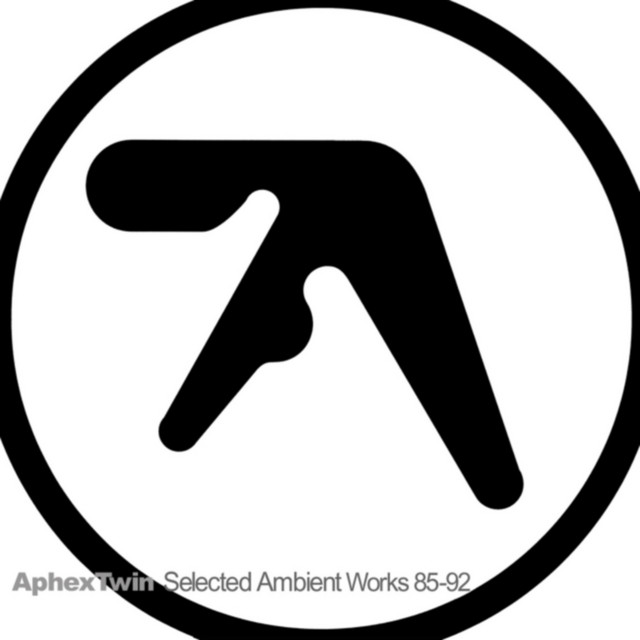
5. Selected Ambient Works 85-92
Richard D. James, even at this early stage, was mapping uncharted electronic territories. These tracks, assembled from various tapes and early digital experiments, defined a new ambient school – one equally capable of serene beauty and subtle, unsettling rhythmic propulsion. It wasn't just background music; it demanded attention with its intricate textures and evolving soundscapes. This was intelligent electronic music, crafted with a meticulousness that felt both organic and profoundly alien.
6 / 7
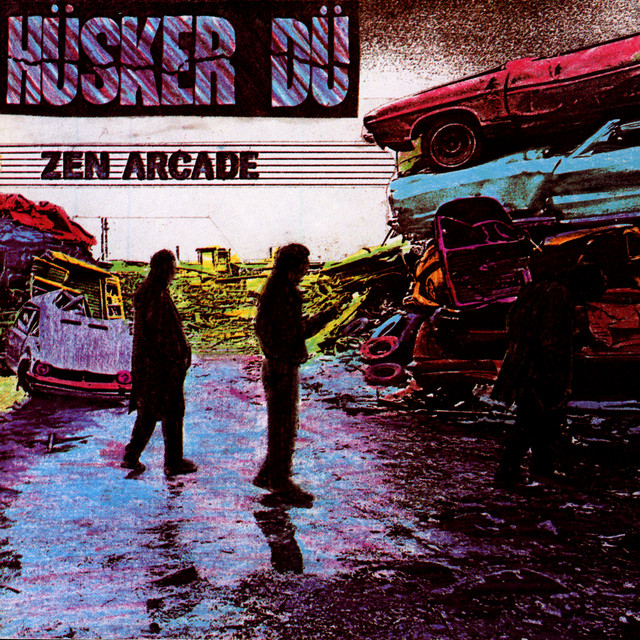
6. Zen Arcade
Hüsker Dü shattered punk's simplistic molds with this sprawling, ambitious double album. It retained the raw speed and aggression but injected a melodic complexity and lyrical depth rarely heard in hardcore. The production was gloriously unpolished, capturing the band's ferocious live energy, yet within that chaos, there was a clear artistic vision. It proved punk could be both visceral and deeply introspective, charting a course for independent music that few dared to follow.
7 / 7
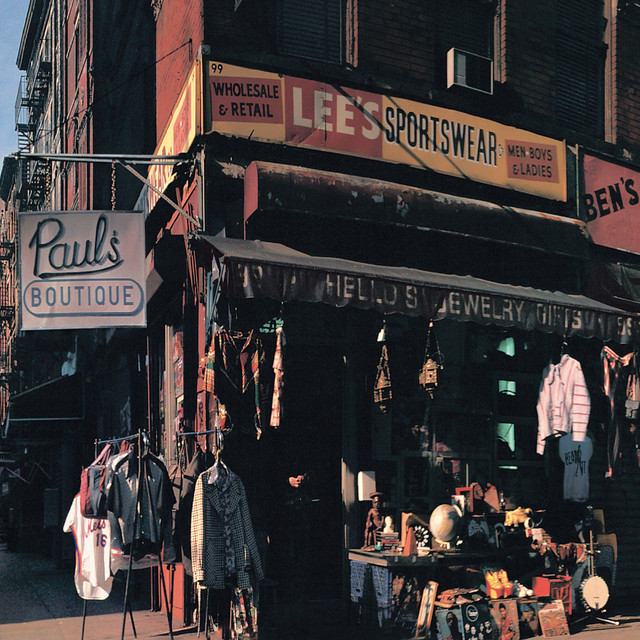
7. Paul's Boutique (20th Anniversary Edition / Remastered)
The Beastie Boys, with the Dust Brothers, created a hip-hop masterpiece through sheer sonic audacity. This wasn't just sampling; it was a vibrant, intricate collage of cultural detritus, woven into an unbelievably funky tapestry. Every beat, every phrase, every obscure snippet was meticulously placed, building a dense, humorous, and endlessly inventive sound world. It redefined what a rap album could be, a joyful, maximalist explosion of creativity before the sample police cracked down.