

1 / 11
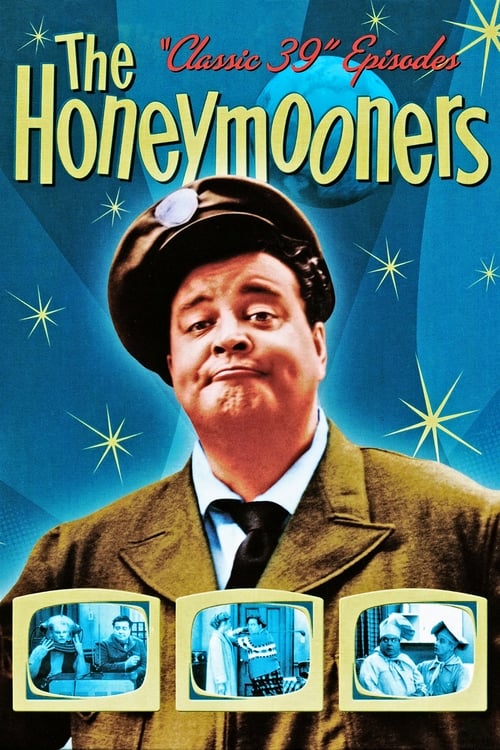
1. The Honeymooners
Ah, this one felt like watching a play right in your living room, didn't it? Ralph and Alice, always bickering but always together. It was loud, it was cramped, and yet, it felt utterly real. You saw the same sets every week, sure, but the characters were so big, they filled the screen, even the small ones. A true classic of early broadcast comedy.
2 / 11
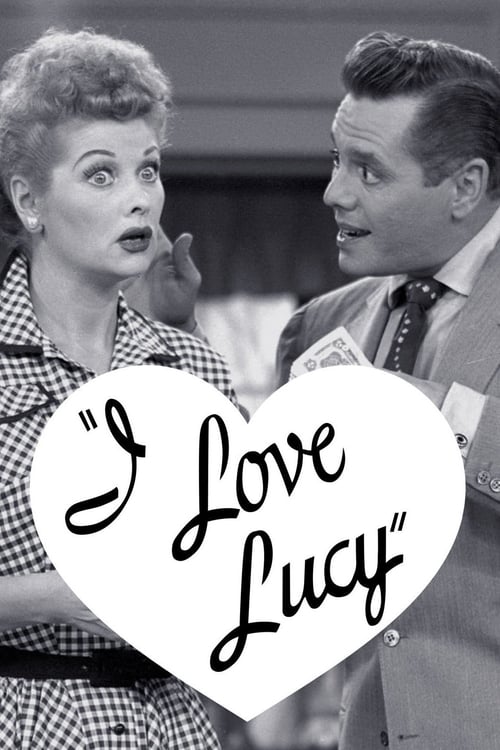
2. I Love Lucy
Well, Lucille Ball, she was a force, plain and simple. And Desi, bless his heart, holding it all together. This show perfected the three-camera setup, making every pratfall and frantic scheme just pop off the screen. Even in black and white, the energy was undeniable. It proved comedy could be broad, physical, and still deeply charming, week after week.
3 / 11

3. The Twilight Zone
Now, this was something different, wasn't it? Each week, a new story, a new puzzle, often with a little shiver up your spine. It played with your head, asking questions without always giving neat answers. Rod Serling's thoughtful introductions set the stage, and then you were off, into a world where anything could happen, and usually did. A masterclass in concise, unsettling drama.
4 / 11
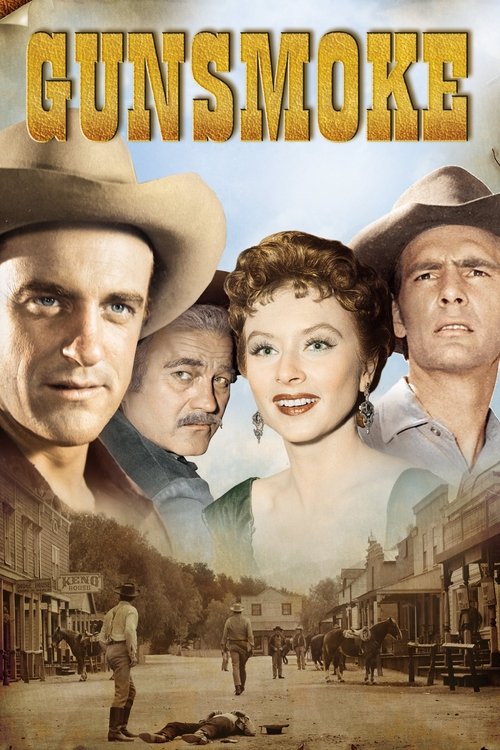
4. Gunsmoke
For years and years, Marshal Dillon and his crew held down Dodge City. It wasn't always about gunfights, though there were plenty. Mostly, it was about people, about choices in a tough land. They built a whole world, episode after episode, showing you the grit and the decency. It wasn't flashy, but it had a quiet strength, like a good, solid oak.
5 / 11
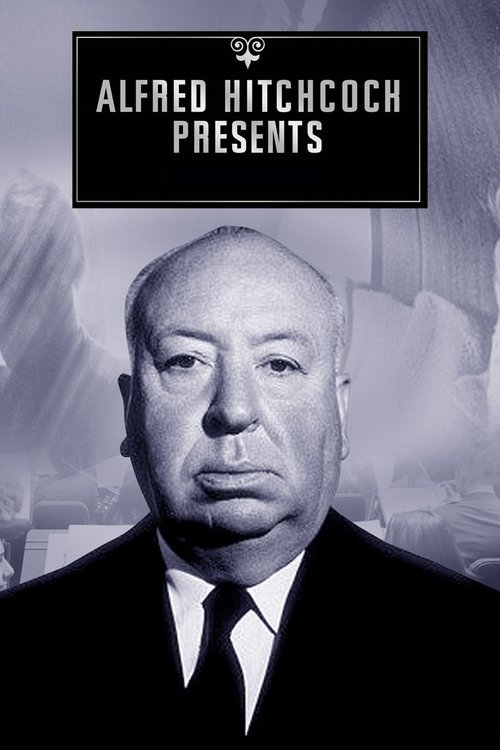
5. Alfred Hitchcock Presents
And here came the master himself, every week, with that wry smile and those perfectly delivered intros. He knew how to twist a tale, didn't he? You’d settle in, thinking you knew where it was going, and then, *snap*, a surprise ending that left you thinking. Short, sharp, and always unsettling, it taught you to never quite trust what you saw on screen.
6 / 11

6. The Ed Sullivan Show
Sunday nights, and everyone gathered around for Ed. He had it all, from the rock-and-rollers to the plate spinners, the opera singers to the comedians. It was a live spectacle, sometimes a little clunky, but always bursting with energy. You never knew what you'd see next, and that was half the fun. A true variety show, a window to the world.
7 / 11
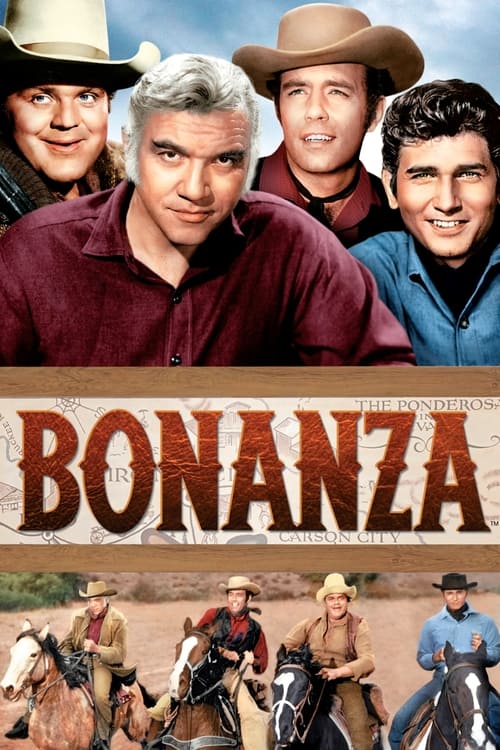
7. Bonanza
This was one of the first to really make use of color, and the Ponderosa sure looked grand. The Cartwrights, a family of strong men, trying to make a life out West. It was a Western, yes, but also a family drama, with heart and often a good moral lesson. They built a world you wanted to visit, week after week, with Big Hoss, Little Joe, and Adam.
8 / 11
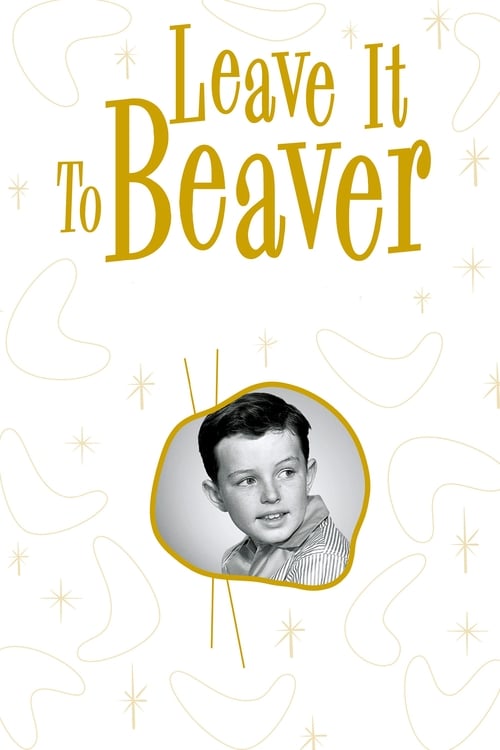
8. Leave It to Beaver
Oh, Beaver Cleaver, always getting into some innocent scrape. This was the picture of suburban life, wasn't it? Ward and June, trying to guide their boys through childhood, with plenty of gentle advice. It was simple, wholesome, and often quite funny. A comforting look at a world that felt, at least on screen, safe and sound.
9 / 11

9. Playhouse 90
Now, this was serious television, often live, and pushing the boundaries of what you could do on the small screen. They put on full-length dramas, tackling big themes with big stars. It was ambitious, sometimes a little rough around the edges, but always compelling. It showed you that television could be a legitimate art form, not just entertainment.
10 / 11
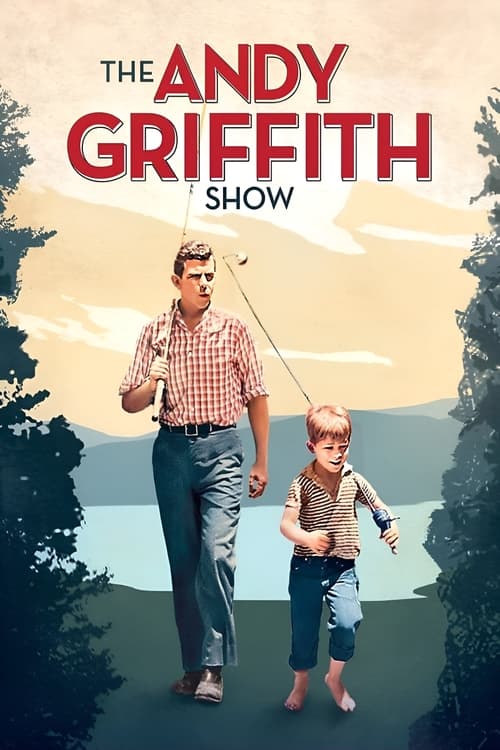
10. The Andy Griffith Show
Mayberry, a place where everyone knew your name, and problems were usually solved with a little common sense and a lot of heart. Andy and Opie, Barney and Aunt Bee—they were like family. It wasn't about big action, but about quiet moments and gentle humor. A truly wholesome show, full of warmth and good intentions.
11 / 11
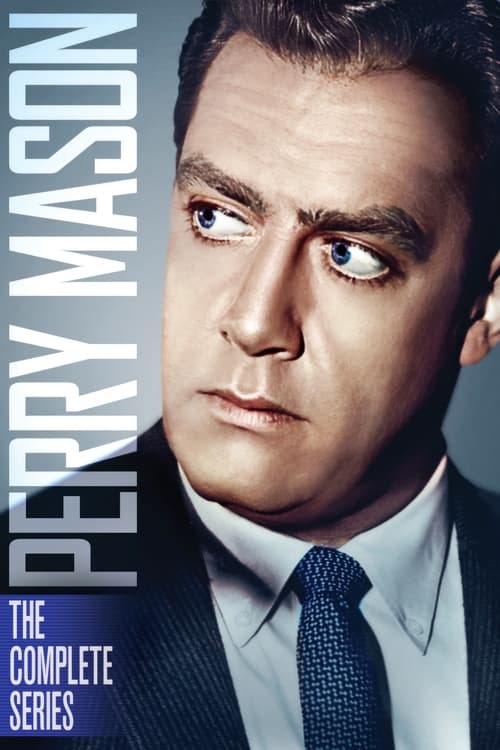
11. Perry Mason
You could always count on Perry Mason to save the day, couldn't you? Every week, someone was framed, and every week, Perry would expose the real killer in a dramatic courtroom reveal. It was a formula, sure, but a satisfying one. He always got to the truth, and that felt good, like justice was always served, even on a black-and-white screen.