


1. American Don
Don Caballero’s "American Don" from 2000 was a masterclass in instrumental complexity, a mathematical precision that still felt organic. While everyone else was chasing 4/4 beats or angsty vocals, these Pittsburgh guys were carving out polyrhythmic sculptures. It was dense, intricate, and demanded attention, bypassing easy hooks for a deeper, more rewarding kind of sonic architecture. This wasn't just background noise; it was an active listening experience, a real head-trip for those ready to unplug from the pop machine.
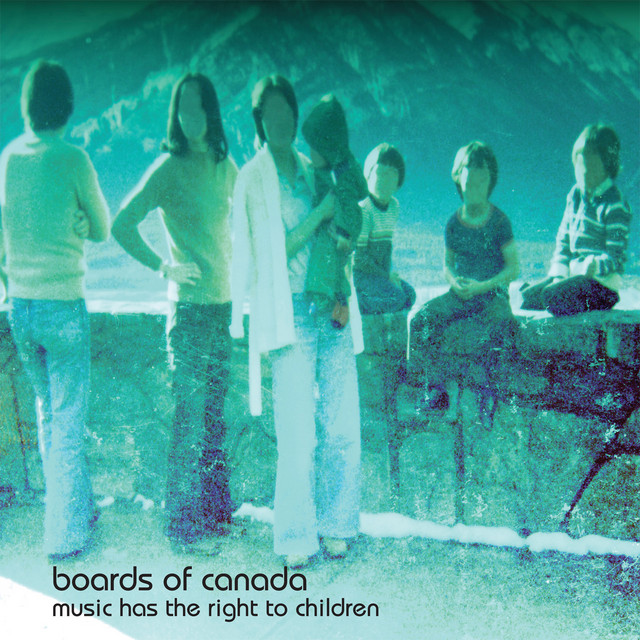
2. Music Has The Right To Children
Released in '98, Boards of Canada's debut was a warm, hazy transmission from a forgotten childhood, utterly unlike anything else. It wasn’t just IDM; it was sonic nostalgia, crafted from analogue synths and dusty samples, sounding like distorted memories filtered through a VCR. For those of us seeking more than just dancefloor bangers, this album offered an emotional landscape, a subtle melancholy woven into its electronica. It defined a mood, a whole vibe, that’s still potent today.
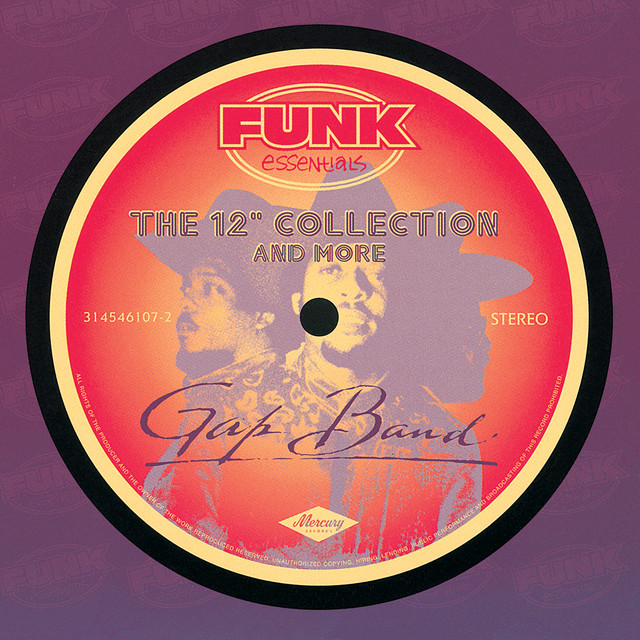
3. The 12" Collection And More (Funk Essentials)
So, while the digital revolution was spinning up, "The 12" Collection And More" (likely an essential compilation from the era) reminded us where the groove began. It was a vital anchor, showcasing James Brown's raw, unadulterated funk. These extended cuts, the very blueprints of rhythm, were foundational. Hearing these tracks, often remixed or sampled in newer forms, underscored how essential these primal beats were, even as new electronic forms emerged. A necessary lesson in where the funk came from.
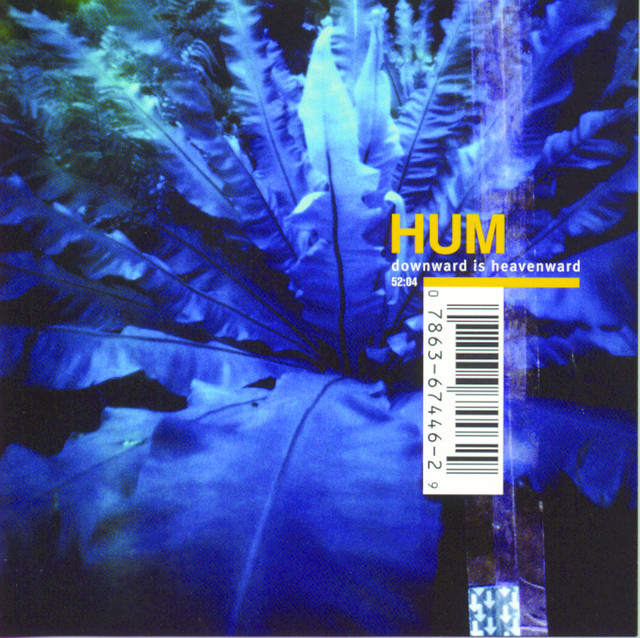
4. Downward Is Heavenward
Hum's "Downward Is Heavenward," from '98, was a colossal, shimmering beast, a perfect blend of shoegaze atmosphere and post-grunge weight. Its guitars were cathedrals of fuzz and melody, delivering an almost spiritual heft. When everyone was dissecting nu-metal, Hum offered something grander, more expansive, yet still deeply melodic. It wasn't just loud; it was *enveloping*. This album showed how much depth rock could still possess, a true overlooked gem for the era.
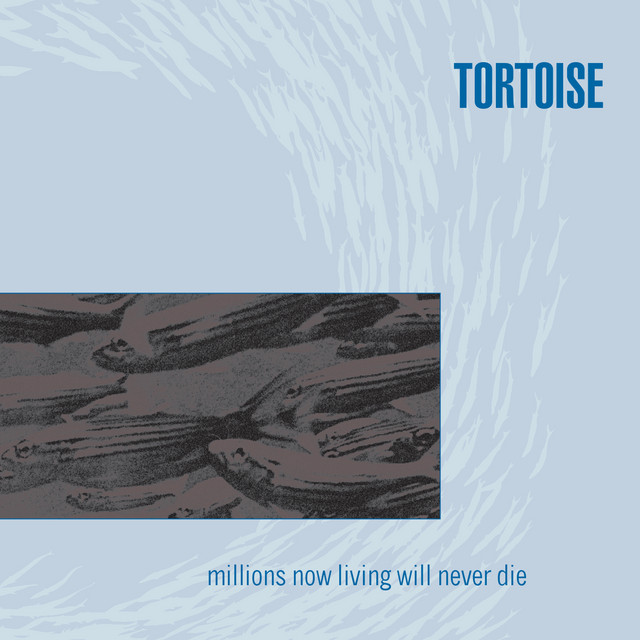
5. Millions Now Living Will Never Die
Tortoise, with their 1996 opus "Millions Now Living Will Never Die," basically wrote the post-rock playbook. This wasn't just instrumental music; it was a meticulous assembly of jazz precision, krautrock repetition, and electronic textures. They built soundscapes that unfolded slowly, revealing layers of rhythmic and melodic complexity. It felt incredibly forward-thinking, a counterpoint to the guitar heroics of the time, proving that quiet innovation could be just as impactful as any stadium anthem.
6. Not For Threes
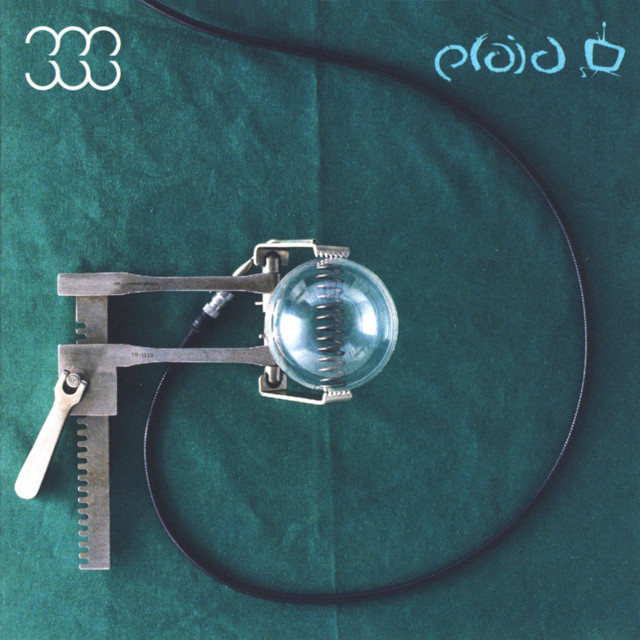
Richie Hawtin, as Plastikman, dropped "Not For Threes" in '98, a deep dive into minimalist techno's more atmospheric, cerebral side. While mainstream electronic was chasing big drops, this album was all about subtle shifts and hypnotic pulses. It created these vast, evolving sound environments, less about dancing and more about getting lost in the meticulous arrangement of sound. This was electronic music as architecture, demanding a different kind of immersion from its listener.
7. Fantastic Planet
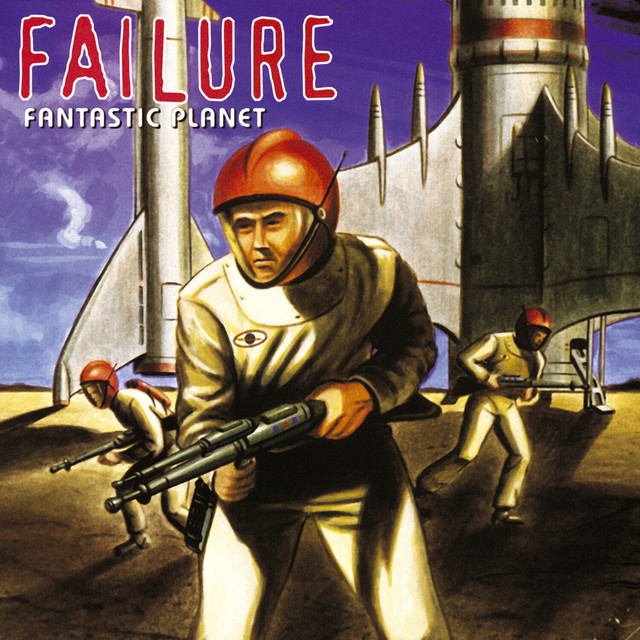
Failure's "Fantastic Planet," from 1996, felt like a transmission from another galaxy. It was this magnificent, heavy, yet incredibly melodic alternative rock record, with production that sounded massive and perfectly sculpted. While grunge was winding down, Failure delivered something more refined, more spacey, but still packing a punch. It carved out its own unique niche, a kind of melancholic grandeur that resonated deeply, proving rock could evolve without losing its emotional core.