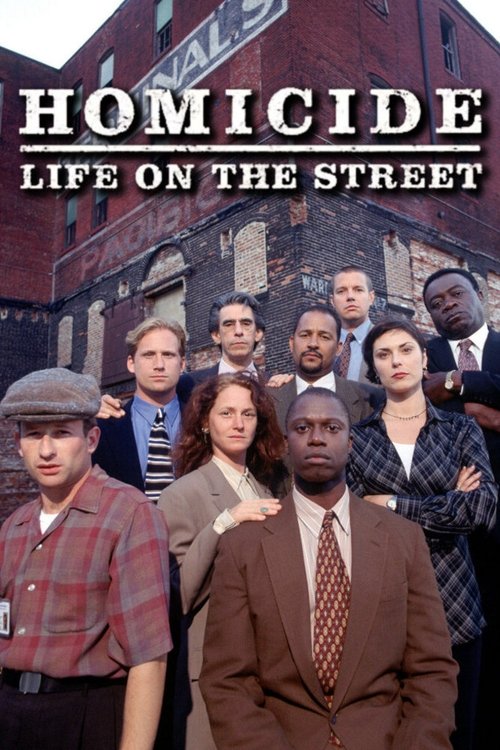
1. Homicide: Life on the Street
Before cable truly exploded, *Homicide* carved out a space for serialized, character-driven police drama on network television. Its handheld camerawork and overlapping dialogue felt less like a weekly procedural and more like a film, embedding viewers in a meticulously messy world. It proved that audiences craved depth and moral ambiguity, laying groundwork for the grittier, more complex storytelling that would define the next decade of television.

2. Six Feet Under
HBO truly leaned into its 'not TV' mantra with *Six Feet Under*. This was a show about death that somehow made life feel richer, following a family of undertakers with an unflinching gaze. It masterfully blended dark comedy with profound drama, offering complex characters navigating grief, love, and dysfunction over entire seasons. It showed just how deep cable could go, embracing themes and narratives network wouldn't touch.
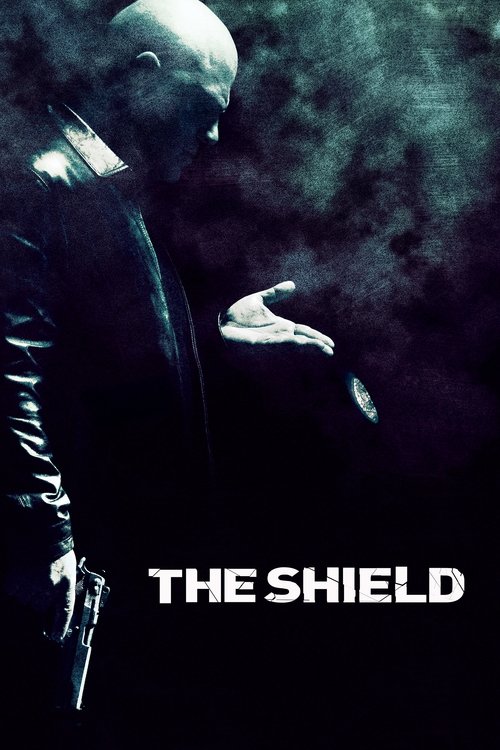
3. The Shield
*The Shield* detonated onto FX, proving that basic cable could deliver narratives as compelling and morally complicated as premium channels. Vic Mackey wasn't just an anti-hero; he was a full-blown villain you somehow rooted for, or at least understood. This show didn't flinch from the ugly truths of policing and power, pushing boundaries with its raw intensity and serialized storytelling that demanded your full attention week after week.

4. The Comeback
Lisa Kudrow's *The Comeback* was so far ahead of its time, it felt like a prophecy. It wasn't just a mockumentary; it was a brutal, cringe-inducing dissection of reality television, celebrity culture, and the desperate pursuit of fame. Valerie Cherish's excruciating attempts to stay relevant were uncomfortable viewing, but absolutely brilliant. It pioneered a level of meta-commentary and awkward realism that few shows dared to touch.
5. The Riches
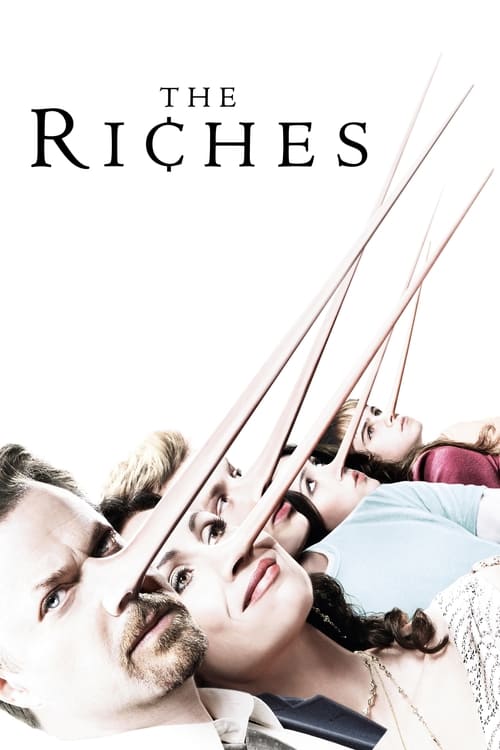
Another FX gamble, *The Riches* threw a family of nomadic con artists into suburbia, forcing them to adopt new identities. It was a fascinating character study on identity, class, and the American dream, all wrapped in a darkly comedic drama. Eddie Izzard and Minnie Driver were exceptional, embodying characters constantly walking a tightrope of deception. It solidified FX's reputation for smart, unconventional, serialized storytelling.
6. Party Down
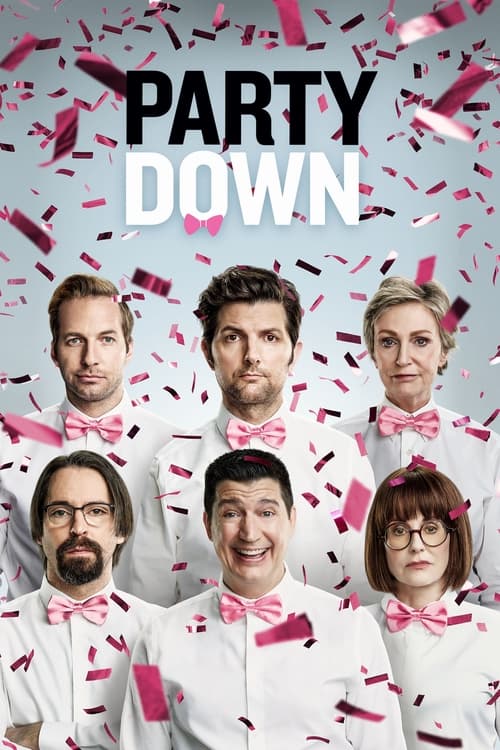
This Starz gem was a masterclass in ensemble comedy, following a catering crew in Los Angeles. It was a show about dashed dreams and underachievers, finding humor and heartbreak in the mundane. The observational style, almost mockumentary-like in its fly-on-the-wall approach, let its fantastic cast shine. It proved that even small, niche cable shows could deliver sharp writing and memorable characters that resonated deeply.
7. Terriers
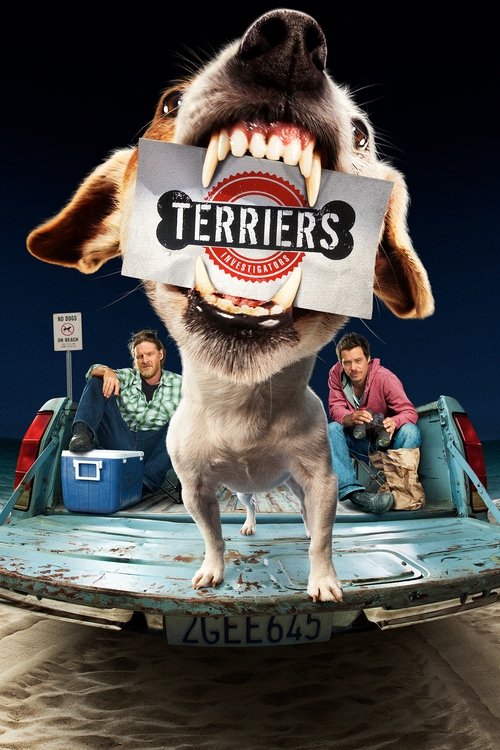
*Terriers* was a near-perfect neo-noir gem, a serialized buddy PI drama that was unfairly cancelled before its time. It had a cinematic sensibility, with sun-drenched, melancholic visuals and a compelling mystery that unfolded organically. Donal Logue and Michael Raymond-James had incredible chemistry as two down-on-their-luck ex-cops. It was smart, character-driven, and further cemented FX's reputation for quality, even in its brief run.

8. Treme
From the creators of *The Wire*, *Treme* was a deeply atmospheric immersion into post-Katrina New Orleans. It wasn't about a single plot; it was a sprawling ensemble piece about a city rebuilding its soul through music, food, and community. It demanded patience, offering a rich, nuanced portrayal of culture and resilience. HBO again proved its willingness to greenlight ambitious, serialized dramas focused on place and character.
9. Enlightened
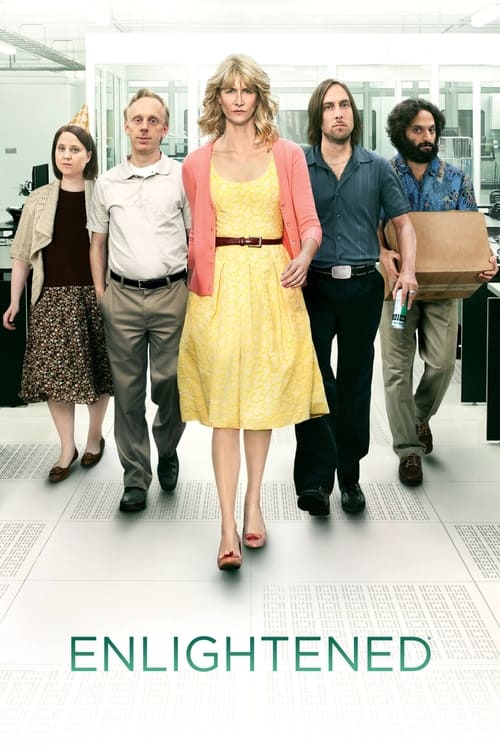
Laura Dern's Amy Jellicoe in *Enlightened* was one of the most uniquely frustrating and compelling protagonists of the era. This HBO dark comedy was a singular character study, following Amy's attempt at spiritual enlightenment after a public breakdown. It was both bitingly funny and deeply poignant, exploring self-help culture and corporate America with an unflinching eye. A serialized journey of self-discovery, unlike anything else.