1. Brazil
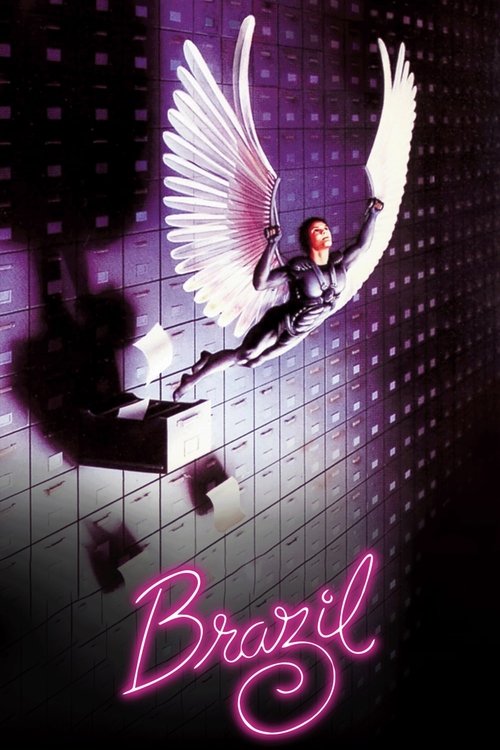
Terry Gilliam’s surreal 1985 masterpiece is a cynical, yet hilarious, dive into a suffocatingly bureaucratic dystopia. Its retro-futuristic aesthetic and darkly comedic take on authoritarianism feel strangely prescient, even decades later. You won't find Sam Lowry's absurd escapism on your algorithm's "trending now" list, but its ingenious set design and scathing social commentary make it essential viewing for anyone tired of predictable blockbusters. It’s a visionary film that demands repeat watches.

2. Coherence
This 2014 indie gem proves you don’t need a massive budget for mind-bending sci-fi. Shot over five nights with a small cast and improvisational dialogue, it traps eight friends at a dinner party during a cosmic anomaly. As reality fractures, trust erodes, and existential dread mounts, *Coherence* expertly plays on paranoia and identity. It’s a masterclass in tension, delivering big ideas with an intimate, unsettling execution that mainstream algorithms rarely spotlight.
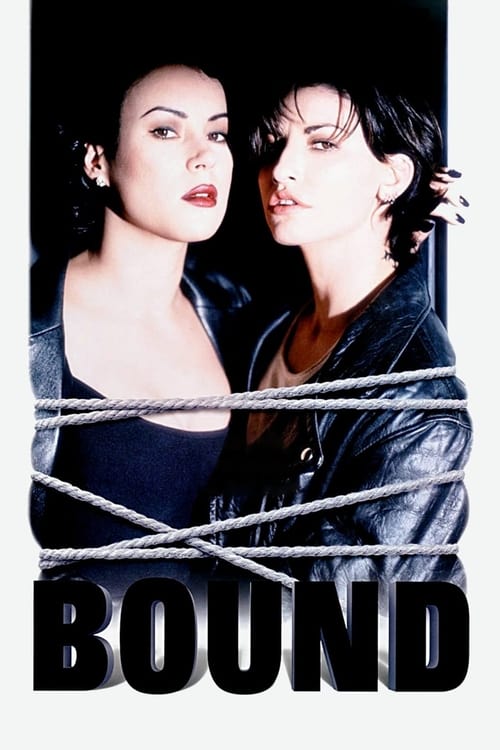
3. Bound
Before *The Matrix*, the Wachowskis delivered this stylish 1996 neo-noir thriller, a sleek, queer crime story bursting with tension and subversive energy. Corky, an ex-con, and Violet, a gangster's moll, hatch a plan to steal millions, leading to a nail-biting cat-and-mouse game. It’s smart, sexy, and unapologetically bold, showcasing their directorial flair for intricate plotting and dynamic visuals. This film deserved more algorithmic love for its groundbreaking representation and sheer entertainment value.
4. The Vanishing
Forget the American remake; the 1988 original Dutch-French film, *Spoorloos*, is a chilling psychological masterpiece. It follows Rex, whose girlfriend mysteriously disappears at a rest stop. His obsessive search for answers leads him down a terrifying path, consumed by a need to know her fate, no matter the cost. This film is a slow-burn of pure dread, less about jump scares and more about the existential horror of the unknown. It’s truly unforgettable and profoundly disturbing.

5. Dark City
Alex Proyas’s 1998 *Dark City* is a visually stunning, criminally underrated sci-fi noir that predates and arguably influenced *The Matrix*. Its labyrinthine narrative follows John Murdoch, an amnesiac who discovers he can manipulate his environment and might be key to uncovering the city's dark secrets. With its perpetual night, shadowy figures, and existential dread, it’s a brilliant exploration of identity and reality. Algorithms often overlook films this rich in atmosphere and philosophical depth.
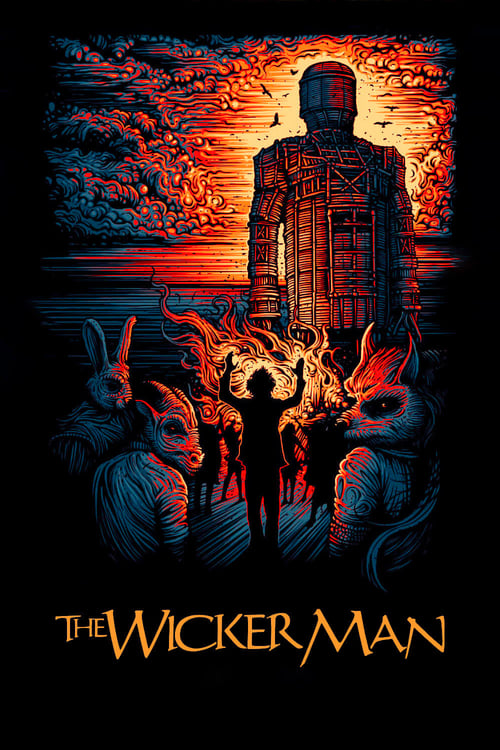
6. The Wicker Man
Not the meme-worthy remake, but the genuinely unsettling 1973 folk horror classic. A devout Christian police sergeant investigates a missing girl on a remote Scottish island, only to find himself entangled in pagan rituals and a community with dark secrets. This film masterfully builds dread through atmosphere and cultural clash, culminating in one of cinema’s most shocking endings. It’s a deeply disturbing, intelligent horror film that algorithms often bury beneath disposable scream-fests.

7. Primer
Shane Carruth's 2004 micro-budget sci-fi *Primer* is a masterclass in complex, hard sci-fi. Two engineers accidentally discover time travel, leading to increasingly intricate and morally ambiguous paradoxes. This film demands your full attention; its non-linear narrative and scientific precision are genuinely challenging but incredibly rewarding. It’s the kind of film that sticks with you, prompting endless rewatches and online discussions—something algorithms struggle to value over mass appeal.