


1. Arx Fatalis
Before Arkane became a household name, *Arx Fatalis* delivered a subterranean RPG masterclass. Its visionary rune-drawing magic system and deeply interactive world were incredibly ambitious, offering a level of player agency rarely seen. It demanded patience, rewarding exploration and creative problem-solving. A true spiritual successor to immersive sims like *Ultima Underworld*, it arrived just as the market favored more immediate action, making it a hidden gem.
2. Alpha Protocol
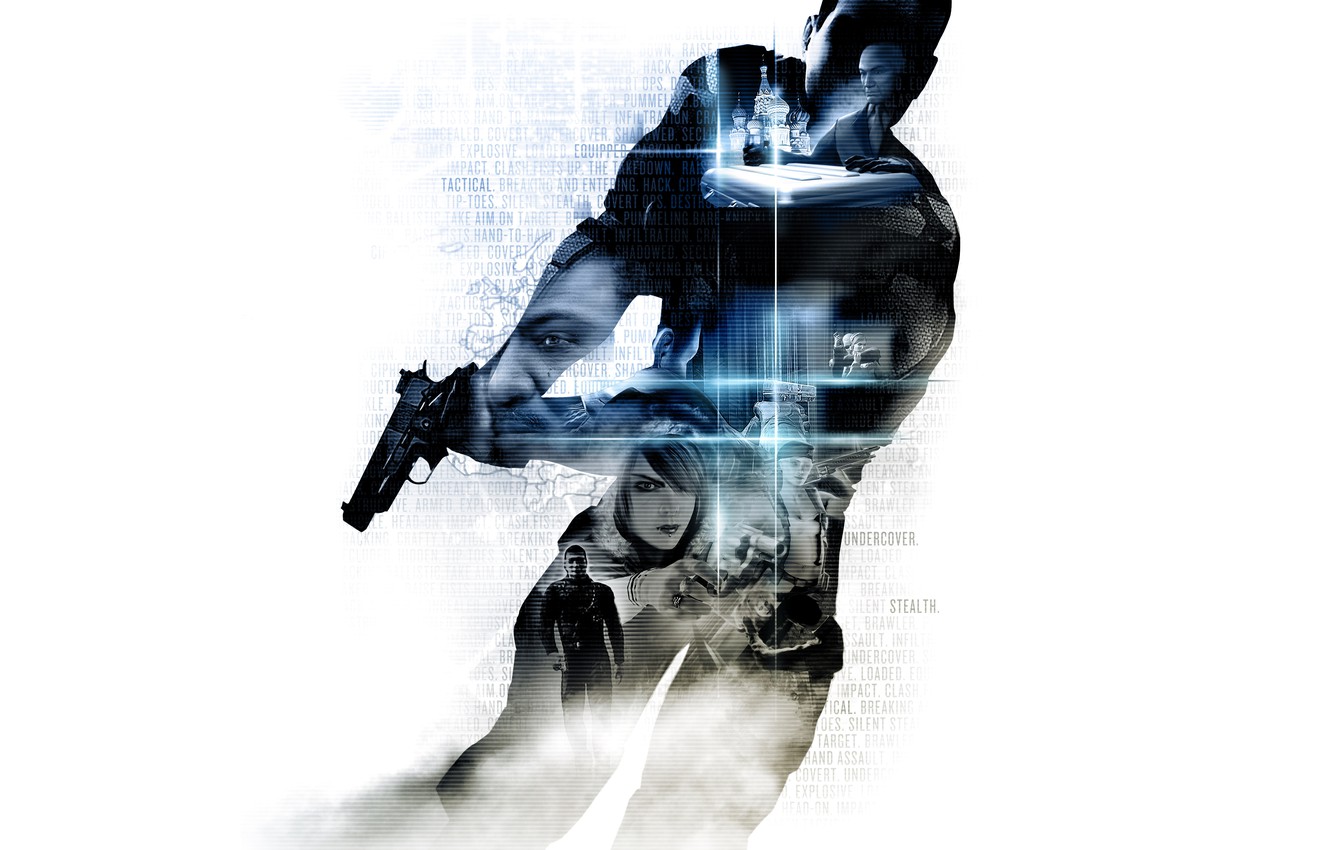
Obsidian’s *Alpha Protocol* was a glorious mess, an espionage RPG where your choices genuinely mattered. Despite its janky combat and rough edges, the narrative depth and consequence-driven dialogue system were revolutionary. Every decision, every botched mission, every relationship shift felt earned and impactful, forging a truly personalized spy thriller long before others dared to try, proving its narrative ambition.

3. Enslaved: Odyssey to the West
Ninja Theory's *Enslaved: Odyssey to the West* was a vibrant, emotionally resonant journey across a post-apocalyptic America. Its stunning art direction, compelling character dynamic between Monkey and Trip, and engaging platforming made it a standout. It proved that linear action-adventure could still deliver profound storytelling and gorgeous worlds, but perhaps its optimistic tone was too bright for the mainstream at the time.

4. Spec Ops: The Line
*Spec Ops: The Line* wasn't just another military shooter; it was a psychological gut-punch. It meticulously deconstructed the genre's tropes, forcing players to confront the uncomfortable realities of war and their own complicity in virtual violence. Its narrative ambition and willingness to challenge player morality were groundbreaking, leaving a lasting, unsettling impression far beyond its initially perceived market.
5. Binary Domain
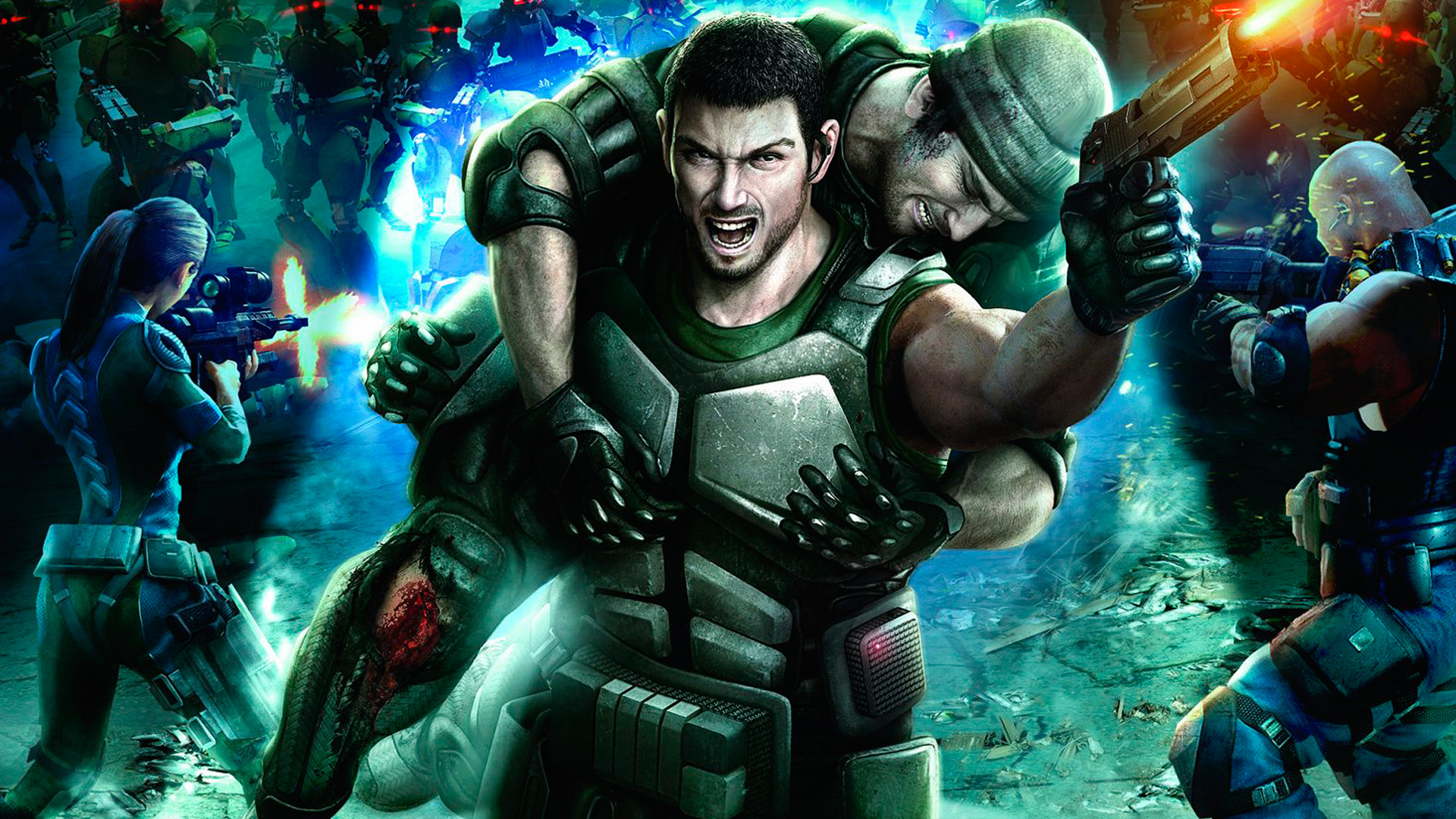
From the *Yakuza* creators, *Binary Domain* offered a surprisingly deep and ridiculously fun third-person shooter. Its "Consequence System," where your squad AI reacted to your actions and built trust, was genuinely innovative. Coupled with incredibly satisfying robot destruction mechanics and a pulpy, engaging sci-fi story, it was a unique, character-driven gem that deserved far more recognition than it received.

6. The Darkness
Starbreeze's *The Darkness* brought a gritty, supernatural edge to the FPS genre, faithfully adapting its comic book source. Its unique "Darkness" powers, which allowed you to summon demon tentacles and consume hearts, felt genuinely innovative. Combined with a compelling, mature story about Jackie Estacado and his inherited demonic entity, it offered a darkly atmospheric and unforgettable experience.

7. Vagrant Story (2000)
*Vagrant Story* from Square in 2000 was a masterclass in atmospheric action RPG design. Its incredibly intricate, chain-based combat system, deep weapon customization, and challenging boss encounters were revolutionary. Coupled with a mature, dark fantasy narrative and a unique visual aesthetic, it was a cerebral, demanding experience that offered unparalleled depth for its era.
8. Prey
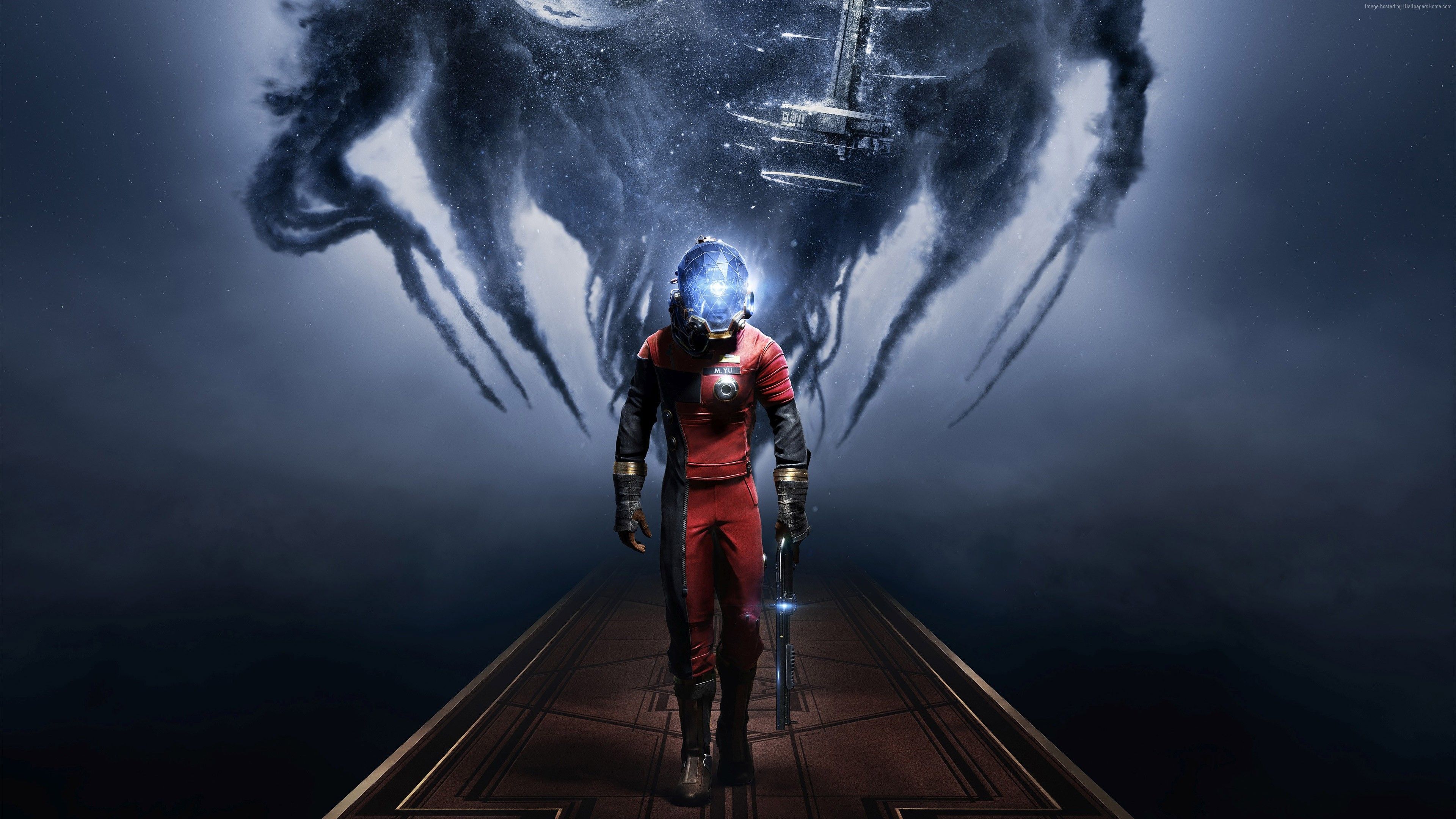
Arkane’s 2017 *Prey* was a masterclass in immersive sim design, dropped into a market perhaps unprepared for its brilliance. Set aboard the derelict Talos I space station, it offered unparalleled player agency, allowing for countless approaches to its intricate challenges. Its blend of sci-fi horror, mind-bending powers, and environmental storytelling created a truly visionary experience that redefined the genre's possibilities.
9. killer7
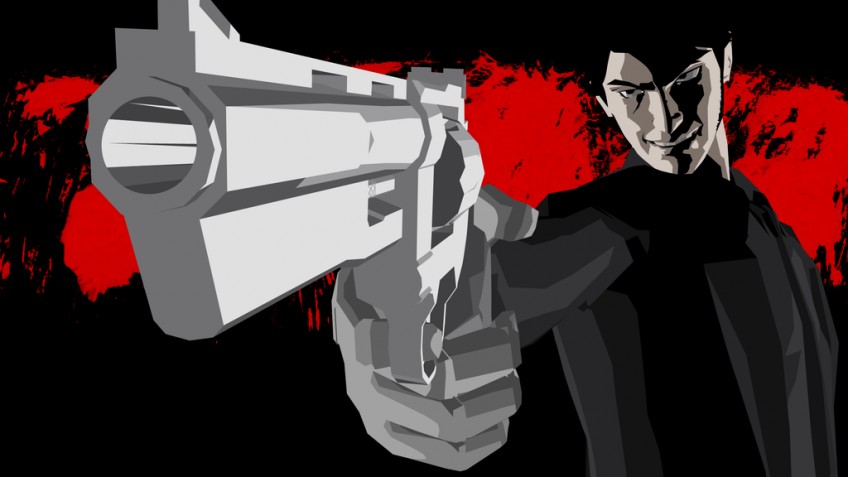
Suda51’s *killer7* was a fever dream, a bold, uncompromising artistic statement. Its on-rails shooting, cel-shaded visuals, and fragmented, surreal narrative defied easy categorization. It explored themes of identity, geopolitics, and violence with a shocking, often disturbing, originality. This game wasn't just ahead of its time; it existed on its own unique timeline, a truly experimental and unforgettable experience.

10. The Talos Principle
From the creators of *Serious Sam* came *The Talos Principle*, a profound first-person puzzle game that challenged minds and souls. Its intricate environmental puzzles were meticulously designed, but it was the game’s philosophical narrative, exploring consciousness, faith, and what it means to be human, that truly set it apart. A thoughtful, intellectual experience, perhaps too contemplative for mass appeal.
11. Tyranny
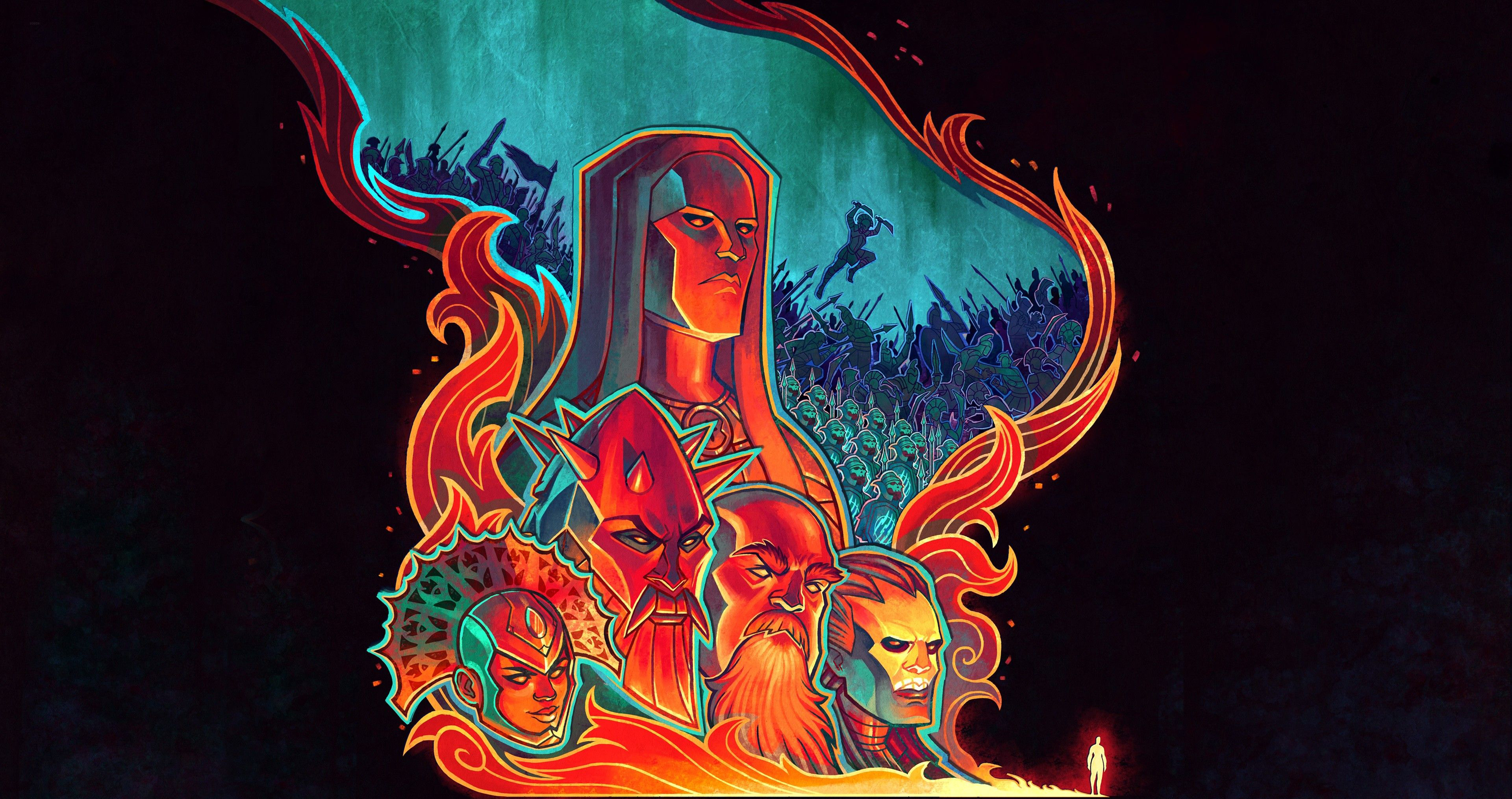
Obsidian's *Tyranny* flipped the traditional RPG script, asking players to navigate a world where evil had already won. Instead of fighting a dark lord, you served one, making nuanced moral decisions about how to wield conquered power. Its innovative premise, deep reactivity, and focus on ethical ambiguities offered a refreshingly mature and challenging role-playing experience far beyond typical fantasy tropes.