

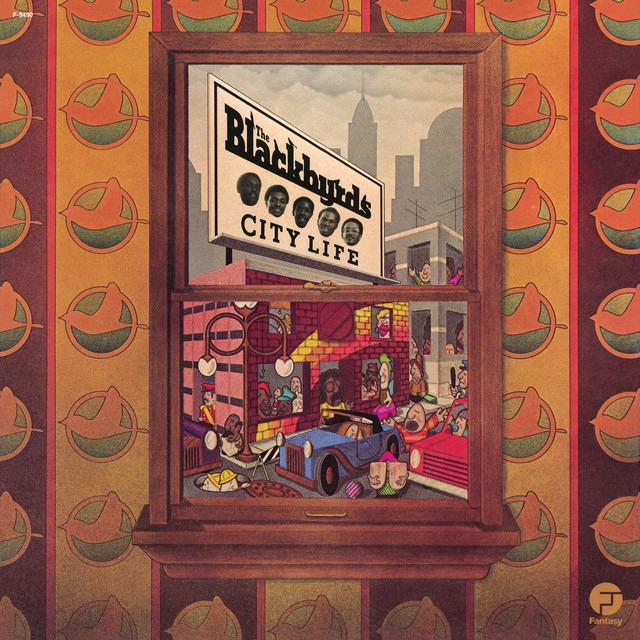
1. City Life
The Blackbyrds' 'City Life' encapsulates that era's vibrant fusion pulse. The tight rhythm section, punctuated by those searing horn lines and effortless keyboard interplay, crafted grooves that were both sophisticated and utterly danceable. It wasn't just technical prowess; it was a feeling, a celebration of urban rhythm captured perfectly on tape, before digital sterilized the warmth. The production, warm and analog, gives it a lived-in quality. This is the sound of a city in motion, a testament to funk's enduring power.
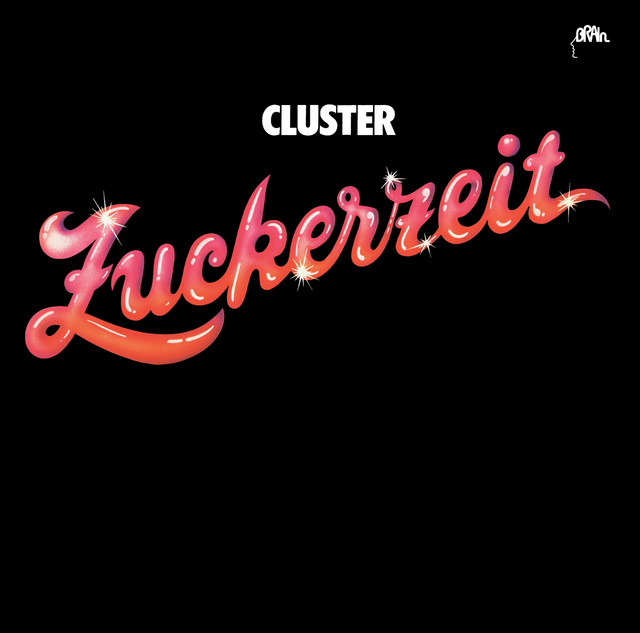
2. Zuckerzeit
Harmonia’s 'Zuckerzeit' feels like the sonic blueprint for so much that followed. The motorik rhythm, hypnotic and relentless, provides a stark canvas for those shimmering, almost naive synth melodies. It's a testament to minimalist construction, each layer deliberately placed, building a landscape both alien and strangely inviting. This isn't about virtuosity; it's about texture and repetition, a pre-digital electronic dream that still resonates with an understated cool. The studio craft here is deceptively simple, yet profound.
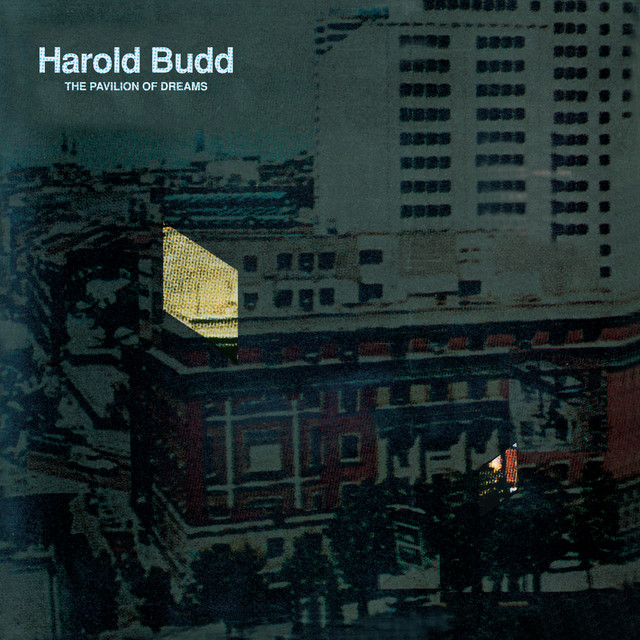
3. The Pavilion Of Dreams
Harold Budd’s 'The Pavilion of Dreams' exists in a realm of its own. Its sustained, delicate piano figures, enveloped by ethereal vocal textures and understated orchestral washes, create a profound sense of space and tranquility. This isn't just background music; it's an immersive sonic environment, crafted with meticulous attention to decay and resonance. The pre-digital tape warmth adds an almost tactile quality to its spaciousness, defining an early ambient aesthetic that feels both ancient and utterly modern. It's deeply reflective.

4. Deceit
'Deceit' by This Heat remains a stark, uncompromising artifact. Their approach to rhythm and texture was utterly singular, building fractured, almost martial percussive structures around distorted guitars and disembodied vocals. It’s challenging, yes, but intensely rewarding. The analog grit and tape manipulation are integral to its suffocating atmosphere, a meticulously constructed sonic tension that feels perpetually on the brink. This was post-punk pushing into something far more industrial and conceptually demanding, a truly unsettling masterwork.
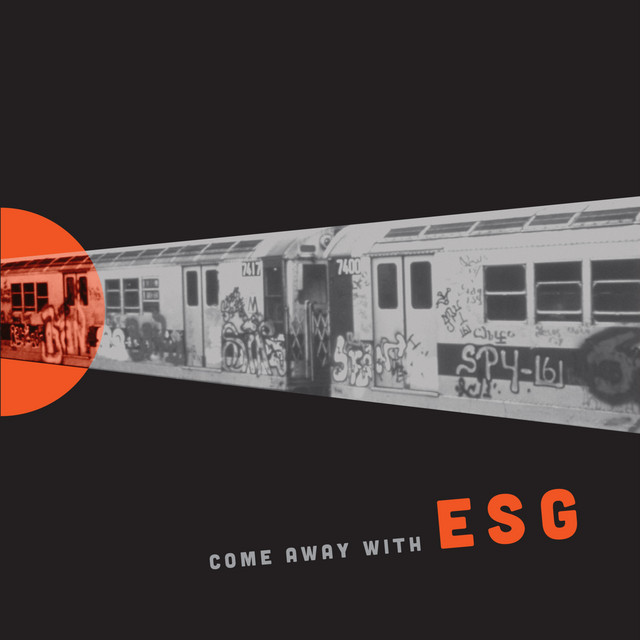
5. Come Away with ESG
ESG distilled funk to its absolute essence: raw, unadorned percussion, a driving bassline, and those almost conversational vocals. 'Come Away' is a masterclass in minimalism, proving that less truly is more when the groove is this infectious. The production is sparse, letting every beat breathe, every instrument claim its space. It's a testament to the power of a live rhythm section, recorded with a directness that bypasses any studio trickery. This record set a blueprint for so much to come, from house to hip-hop.

6. MAYHEM
Mayhem's early recordings, particularly 'Deathcrush,' were less about polished production and more about sheer, unbridled aggression. The sound is raw, primitive, a guttural assault of blast beats, distorted guitars, and tormented vocals, all captured with a terrifying immediacy. This was a deliberate rejection of rock's increasing slickness, forging a new, darker path for metal. The analog recording exacerbates its harshness, creating an atmosphere that is genuinely unsettling and utterly uncompromising. A true plunge into sonic chaos.
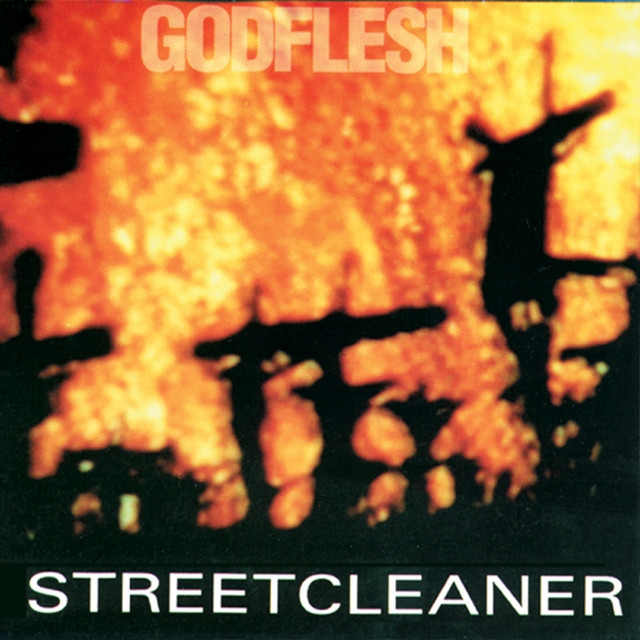
7. Streetcleaner
Godflesh's 'Streetcleaner' is a monolithic slab of industrial metal, a relentless, punishing experience. The drum machine acts as a cold, mechanical taskmaster, driving forward those impossibly heavy, distorted guitar riffs. It's bleak, claustrophobic, and utterly devoid of warmth, yet possesses a strange, hypnotic power. The pre-digital studio environment allowed for such raw, unvarnished sonics, creating an oppressive atmosphere that perfectly matched its dystopian vision. This isn't just heavy; it's a crushing, dehumanizing sonic landscape.