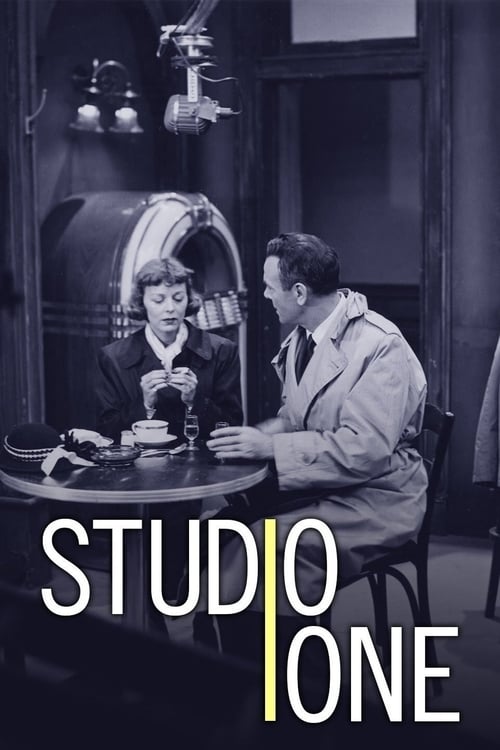
1. Studio One
Ah, *Studio One*. This was television's live theater, a true high-wire act every week. You felt the immediacy, the raw drama unfold right there in your living room, warts and all. And the kinescope recordings, well, they only add to the period charm now, showing you exactly how television found its footing. It was often stark, intensely personal, and absolutely groundbreaking for its time.
2. Playhouse 90
By '56, television was growing up, and *Playhouse 90* was its grand statement. Ninety minutes, live, often with big names and even bigger stories. This wasn't just a play; it was an event, a serious attempt to bring feature-film scope to the small screen. The drama was often weighty, the performances memorable, and it showed what thoughtful, ambitious television could achieve, pushing past the simpler narratives.
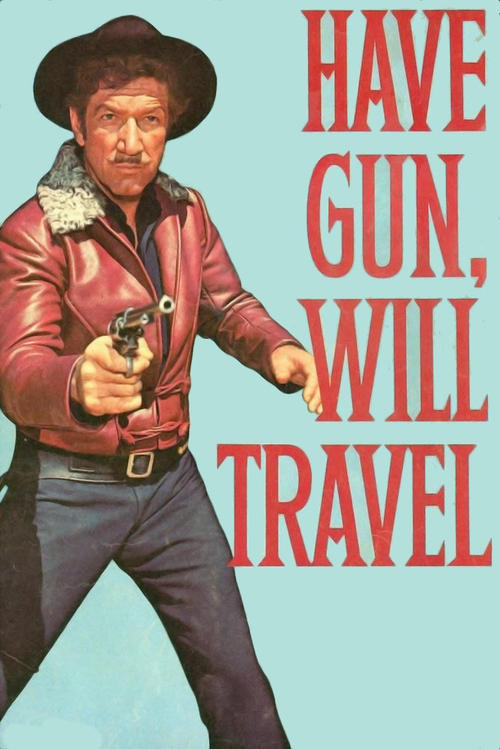
3. Have Gun, Will Travel
Paladin, a man of refined tastes but quick with a gun. This Western was different; it wasn't just about gunfights, but about intellect and moral dilemmas. Richard Boone's portrayal gave the character such depth, making him more than just a hero. And in black and white, the stark landscapes and shadowy saloons had a real sense of classic Americana. It proved a Western could be smart, not just thrilling.

4. Naked City
Here's one that took you right into the streets, away from the sterile studio sets. *Naked City* was groundbreaking for its location filming, giving New York itself a starring role. It was a grittier look at crime, less polished than what came before, and the black-and-white cinematography really emphasized the urban sprawl and shadowy alleys. Every episode felt like a peek into a real, breathing metropolis.
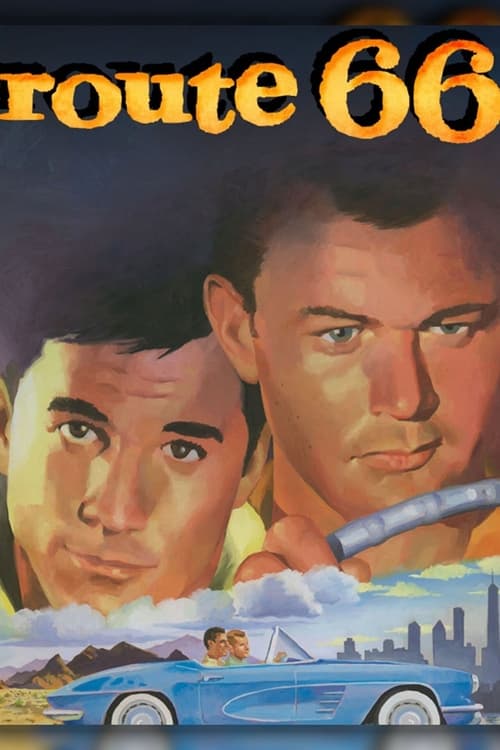
5. Route 66
Two young men, a Corvette, and the open road – that was *Route 66*. This show was a travelogue, yes, but also a weekly exploration of America's heartland and its people. They’d drift into towns, encounter new problems, and move on, hinting at a serialized journey without forcing a continuous plot. It touched on social issues of the day, all while delivering a sense of wanderlust and discovery.
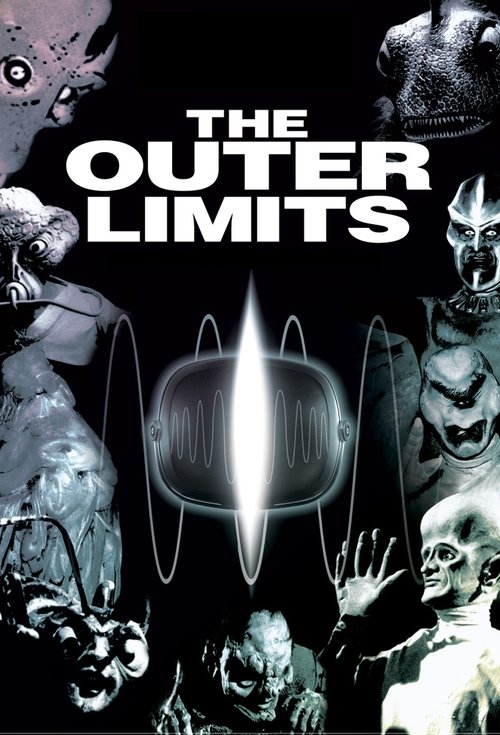
6. The Outer Limits
Forget flying saucers, *The Outer Limits* gave you cosmic dread and creatures that truly haunted the imagination. It was a science fiction anthology that often leaned into horror, delivering thought-provoking ideas alongside its 'monster of the week.' The dramatic lighting and special effects, primitive by today’s standards, created an unsettling, atmospheric mood that stuck with you. It really pushed the boundaries of television fantasy.

7. The Fugitive
Richard Kimble, on the run, week after week. *The Fugitive* was perhaps the first true serialized drama on television, before we even really used that term. You tuned in not just for the self-contained story, but to see if he'd escape again, if he'd find the one-armed man. That long-form chase built incredible tension, proving that audiences would commit to a continuous narrative for years. A true television milestone.