

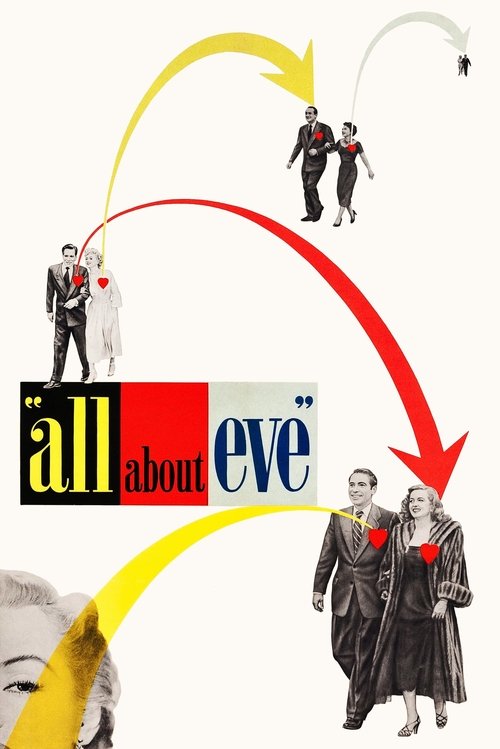
1. All About Eve
Joseph L. Mankiewicz’s incisive examination of ambition’s corrosive nature remains a towering achievement. Bette Davis, as Margo Channing, delivers a performance of legendary wit and vulnerability, embodying the anxieties of aging in a youth-obsessed industry. The film dissects the theatrical world with surgical precision, exposing the ruthless machinations beneath the glamour. It’s a masterclass in dialogue and character study, reflecting Hollywood’s eternal struggle with identity and the cost of fame, showcasing how quickly adoration can turn to envy.
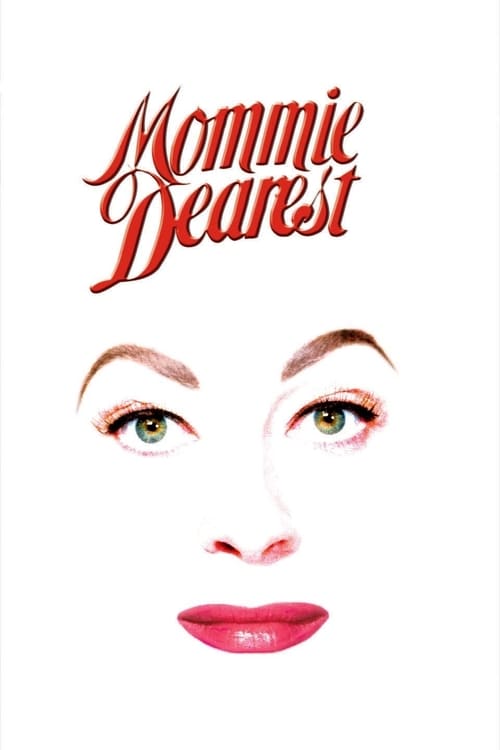
2. Mommie Dearest
While often celebrated for its camp value, Frank Perry’s film offers a visceral, if exaggerated, portrayal of Hollywood matriarchy gone terribly awry. Faye Dunaway’s Joan Crawford is a terrifying force of nature, her iconic outbursts etched into cinematic history. Beyond the wire hangers, it’s a dark mirror reflecting the monstrous pressures of maintaining a public persona and the devastating impact of unchecked ego on intimate relationships. The film transcends mere biography, becoming a cautionary tale of celebrity's dark side.

3. Black Swan
Darren Aronofsky plunges into the psychological abyss of artistic perfection with this visceral thriller. Natalie Portman’s Nina Sayers embodies the fragility of identity under extreme pressure, her transformation into the Black Swan a descent into self-destruction. This is more than a ballet film; it’s a disturbing exploration of obsession, rivalry, and the blurred lines between reality and delusion, framed by the relentless demands of performance. It questions the cost of transcendence, a truly unsettling examination of the artistic psyche.
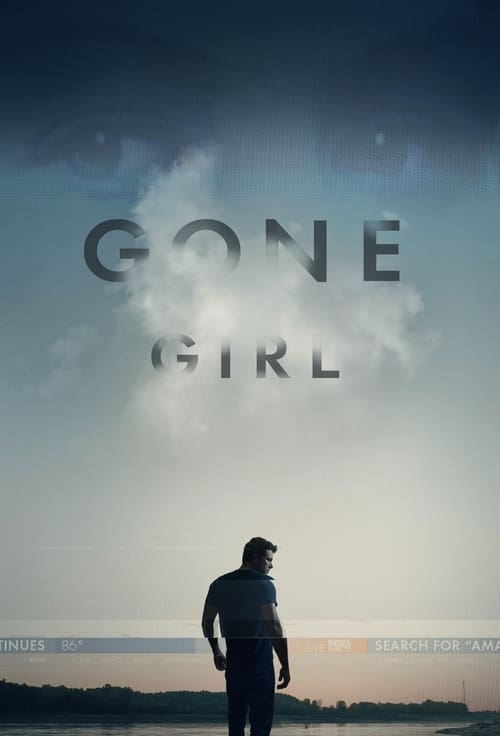
4. Gone Girl
David Fincher’s chilling adaptation masterfully unpacks the performative aspects of marriage and media. Rosamund Pike’s Amy Dunne is an unforgettable creation, a woman who meticulously engineers her own disappearance to expose the hollowness of her domestic life and exact devastating revenge. The film is a brutal critique of societal expectations, gender roles, and the manipulative power of narrative, both personal and public. It’s a potent, unsettling reflection on identity and the dark corners of human relationships.

5. Erin Brockovich
Steven Soderbergh’s kinetic, character-driven drama showcases Julia Roberts in an Oscar-winning role, embodying the tenacious spirit of a real-life underdog. Erin Brockovich, armed with sheer will and intelligence, takes on corporate polluters, defying expectations and conventional wisdom. The film is a vibrant testament to individual courage and the power of persistence against systemic injustice. It's a rousing call to action, demonstrating how one person’s unwavering conviction can ignite profound social change, celebrating defiance for a righteous cause.
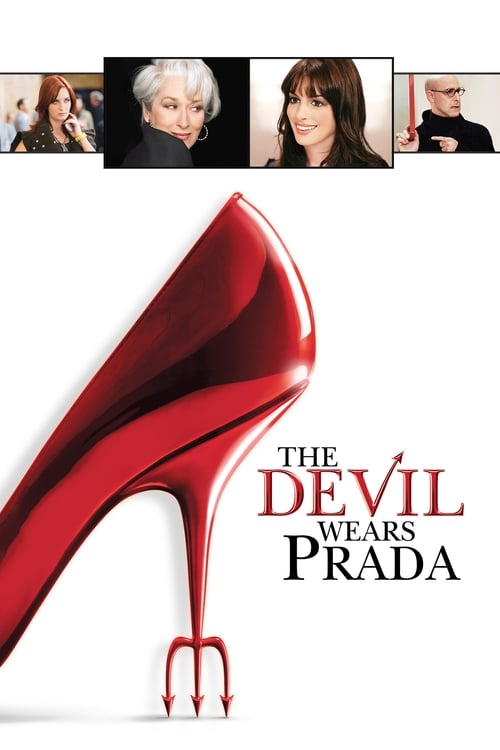
6. The Devil Wears Prada
David Frankel’s sharp comedy-drama offers a fascinating glimpse into the cutthroat world of high fashion and corporate power dynamics. Meryl Streep’s Miranda Priestly is an iconic figure of icy authority, a complex portrait of a woman at the pinnacle of her industry. The film subtly critiques the demands of ambition and the sacrifices required for success, while also examining the allure of power. It’s a sophisticated reflection on mentorship, self-worth, and the choices defining one's professional and personal life.

7. Sunset Boulevard
Billy Wilder’s immortal film-noir is a haunting elegy to Hollywood’s discarded legends. Gloria Swanson’s Norma Desmond, a faded silent film star trapped in her opulent past, is a tragic and terrifying figure. The narrative, told by a dead man, dissects the industry’s ruthless nature, the fleeting glory of fame, and the madness that can consume those left behind. It’s a profound commentary on illusion versus reality, a timeless and melancholic masterpiece reflecting on the cruelties of time and celebrity.