
1 / 10

1. Pong (1972)
This wasn't just a game; it was a cultural phenomenon, laying the groundwork for an entire industry. Its simplicity was its genius, demonstrating that interactive electronic entertainment could captivate. For many, Pong was their first encounter with a video game, sparking curiosity and hinting at a future where screens offered more than just television. It proved there was a market, a hunger, for digital play, a concept revolutionary at the time.
2 / 10
2. Space Invaders (1978)
Arcades prior often had novelty machines, but Space Invaders changed the landscape entirely. Its relentless, escalating challenge and iconic sound design created an addictive loop, drawing crowds and consuming quarters at an unprecedented rate. It was a masterclass in tension, a frantic dance against an advancing alien horde. This game didn't just popularize the arcade; it solidified the idea of competitive high scores and the public gaming experience.
3 / 10
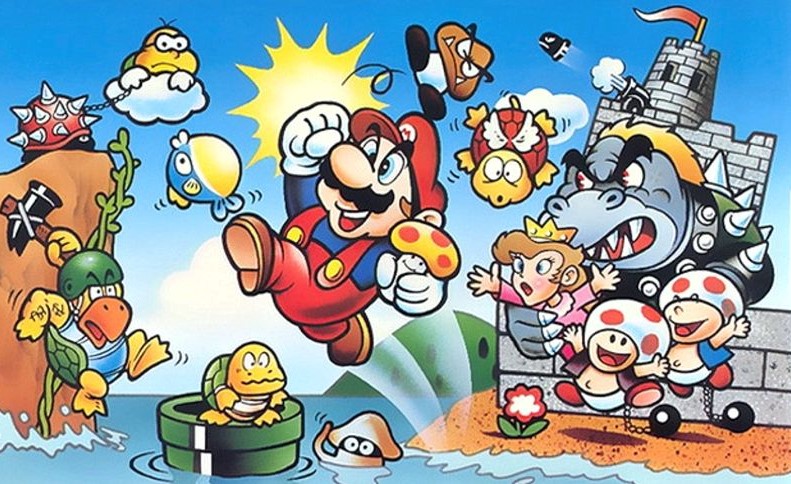
3. Super Mario Bros.
When this game arrived, it wasn't just a platformer; it was an encyclopedia of innovative design. Shigeru Miyamoto's meticulous level construction, hidden secrets, and perfectly tuned physics redefined what a home console experience could be. It taught players the language of video games, from power-ups to warp zones, establishing conventions still referenced today. Mario’s adventure transformed Nintendo and cemented the NES as a household entertainment staple.
4 / 10
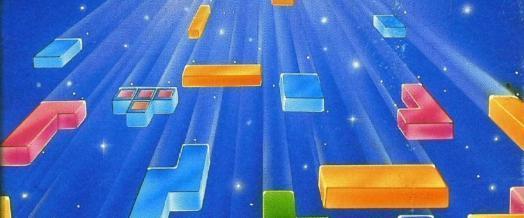
4. Tetris (1984)
Here was a game with no story, no characters, just falling blocks. Yet, its elegant simplicity and infinitely replayable puzzle mechanic made it universally appealing. Tetris transcended language and culture, becoming one of the most widely played games ever. It demonstrated that complex emotional engagement didn't require elaborate narratives, proving that pure, abstract gameplay could be profoundly addictive and intellectually stimulating. It changed perceptions of what 'gaming' could be.
5 / 10
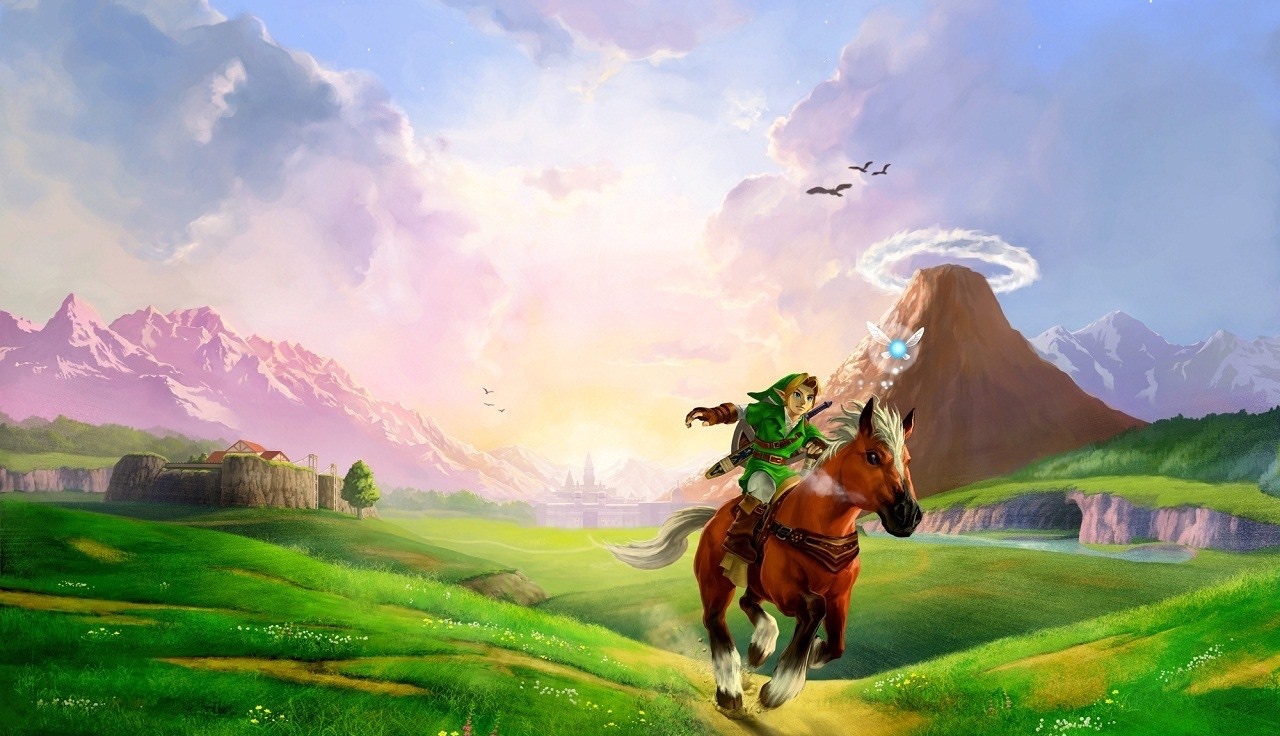
5. The Legend of Zelda: Ocarina of Time
This wasn't merely an adventure; it was a paradigm shift for 3D game design. Ocarina of Time masterfully translated the sprawling world of Hyrule into three dimensions, pioneering mechanics like Z-targeting and context-sensitive actions. Its epic narrative, emotional depth, and sense of discovery set a new benchmark for how vast and immersive a digital world could feel. It proved 3D didn't have to sacrifice depth for scale.
6 / 10

6. DOOM (2016)
Many expected a nostalgic reboot, but DOOM delivered an aggressive, blood-soaked ballet of violence that felt entirely fresh. It defied modern shooter trends by prioritizing relentless momentum, intricate level design, and a power fantasy unmatched. The game stripped away pretense, focusing purely on visceral, satisfying combat. It proved that a classic formula, when executed with precision and a clear vision, could still resonate profoundly and redefine expectations for a genre.
7 / 10
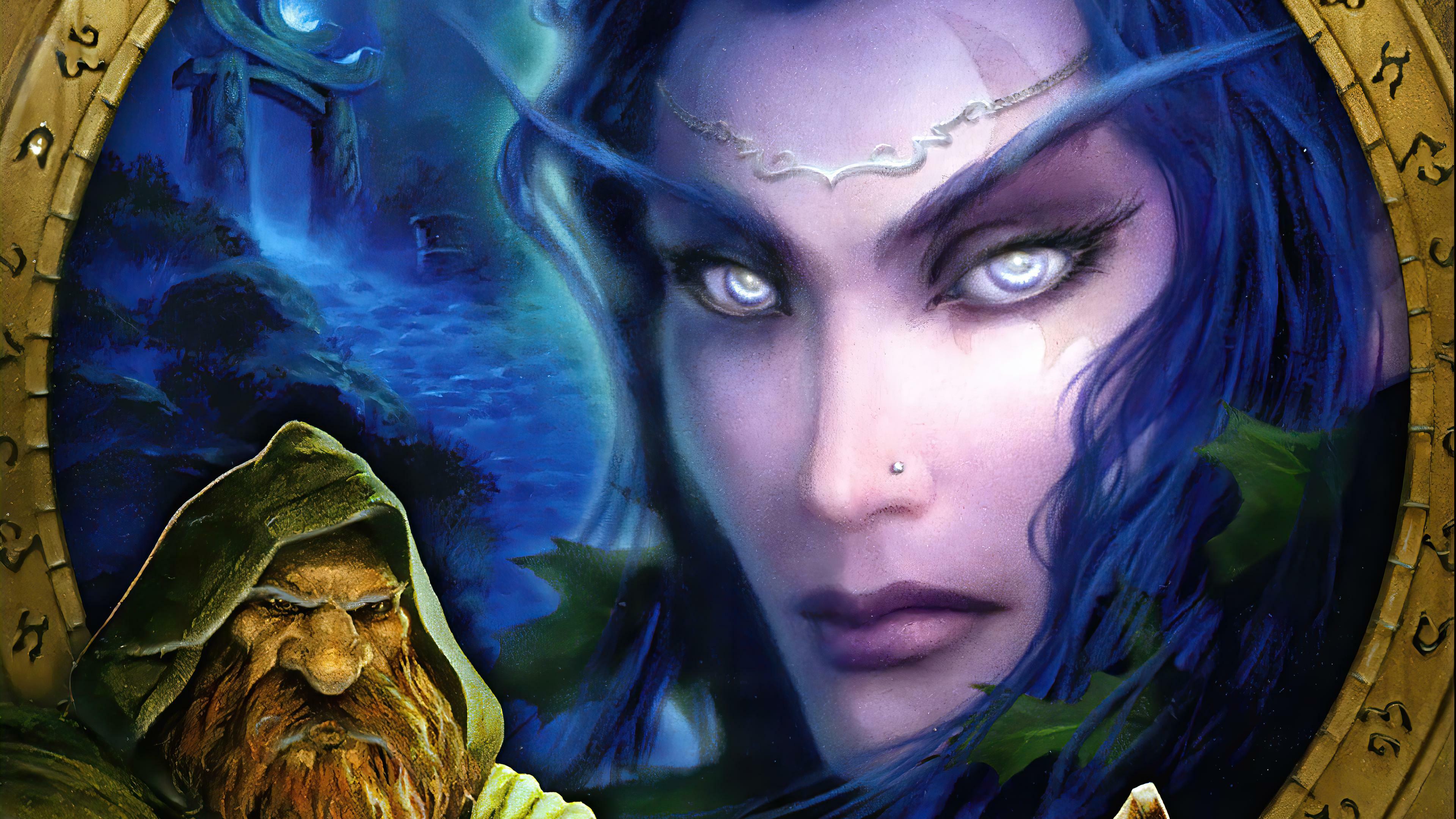
7. World of Warcraft
This wasn't just an MMO; it was a second life for millions. World of Warcraft created a persistent, evolving digital society where players forged friendships, rivalries, and epic histories. Its accessible design, vast lore, and continuous content updates fostered an unprecedented sense of community and long-term engagement. It showed the true potential of online worlds, demonstrating that games could be enduring social platforms, not just temporary diversions.
8 / 10
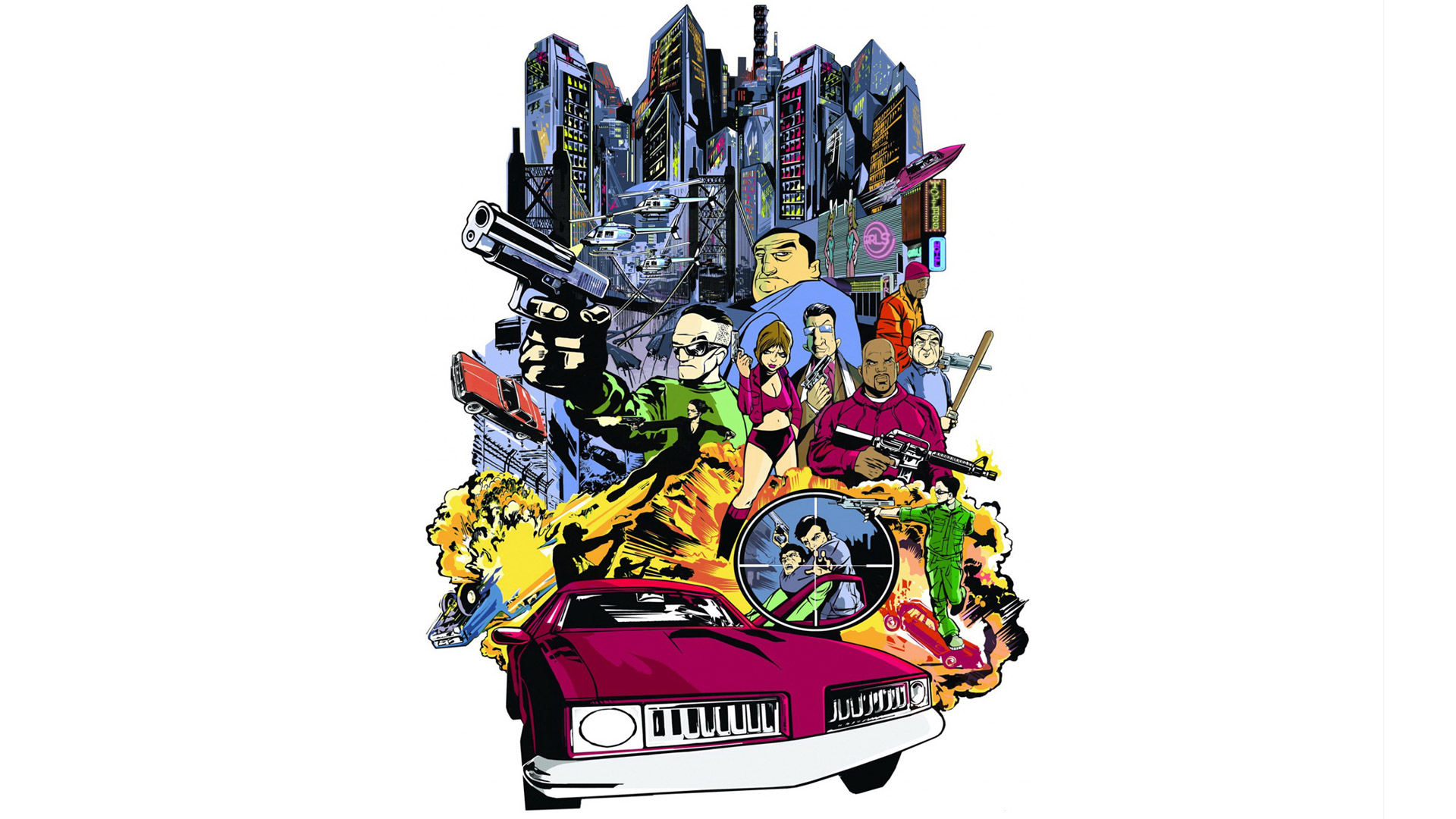
8. Grand Theft Auto III
This game blew the doors off open-world design. Liberty City felt alive, a sprawling, gritty sandbox where players could ignore the main mission entirely, creating their own emergent narratives. Its mature themes, unprecedented freedom, and compelling radio stations forged a new standard for player agency and urban realism. It proved that games could offer truly expansive, non-linear experiences, impacting everything from narrative structure to environmental design.
9 / 10
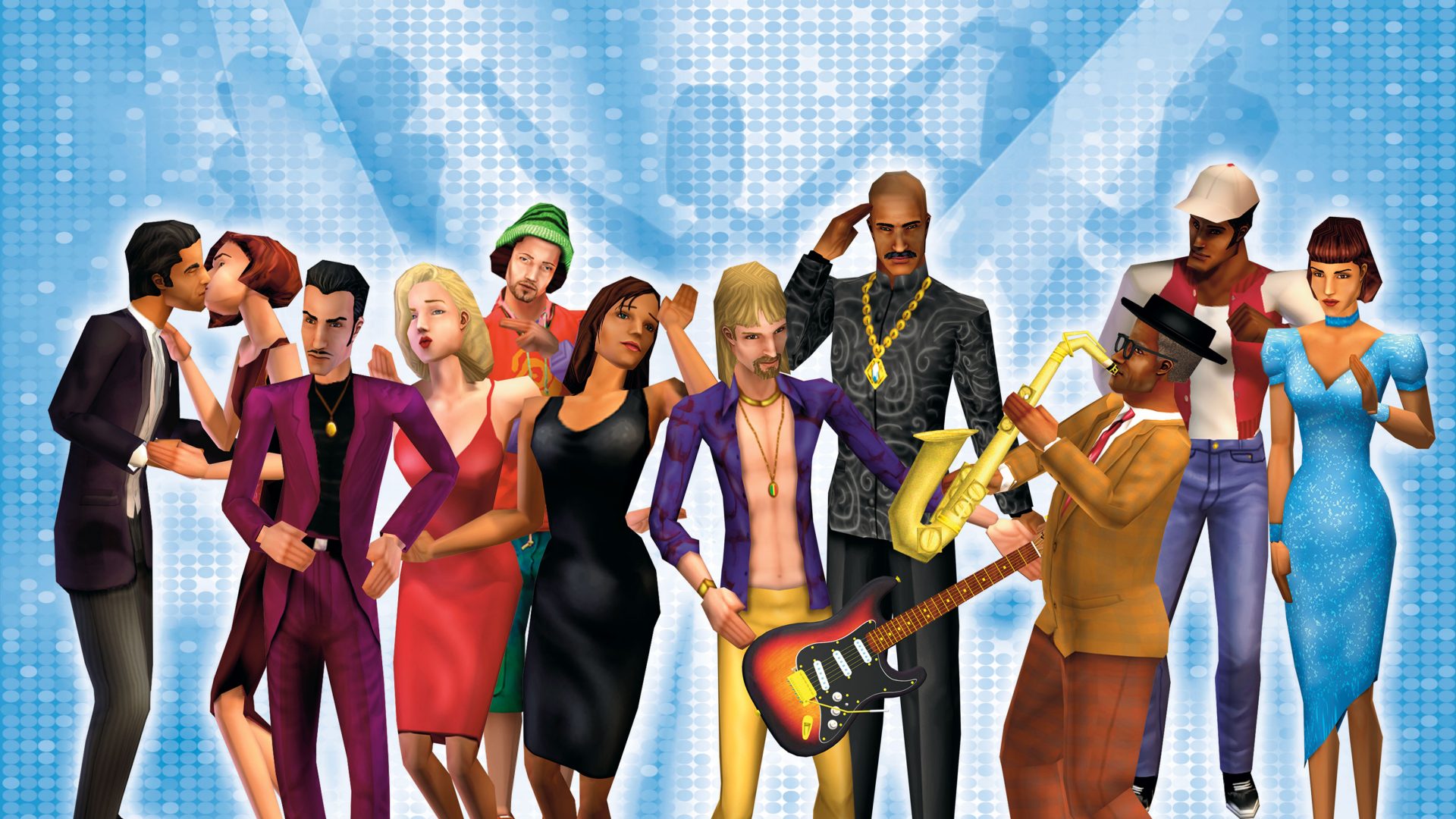
9. The Sims
Instead of saving the world or defeating an enemy, The Sims offered something radically different: life simulation. It allowed players to create, build, and direct virtual lives, tapping into a fundamental human desire for storytelling and creation. The game's open-ended nature and endless possibilities for customization fostered a unique form of personal expression and play, proving that 'gameplay' didn't always need traditional goals to be deeply engaging.
10 / 10
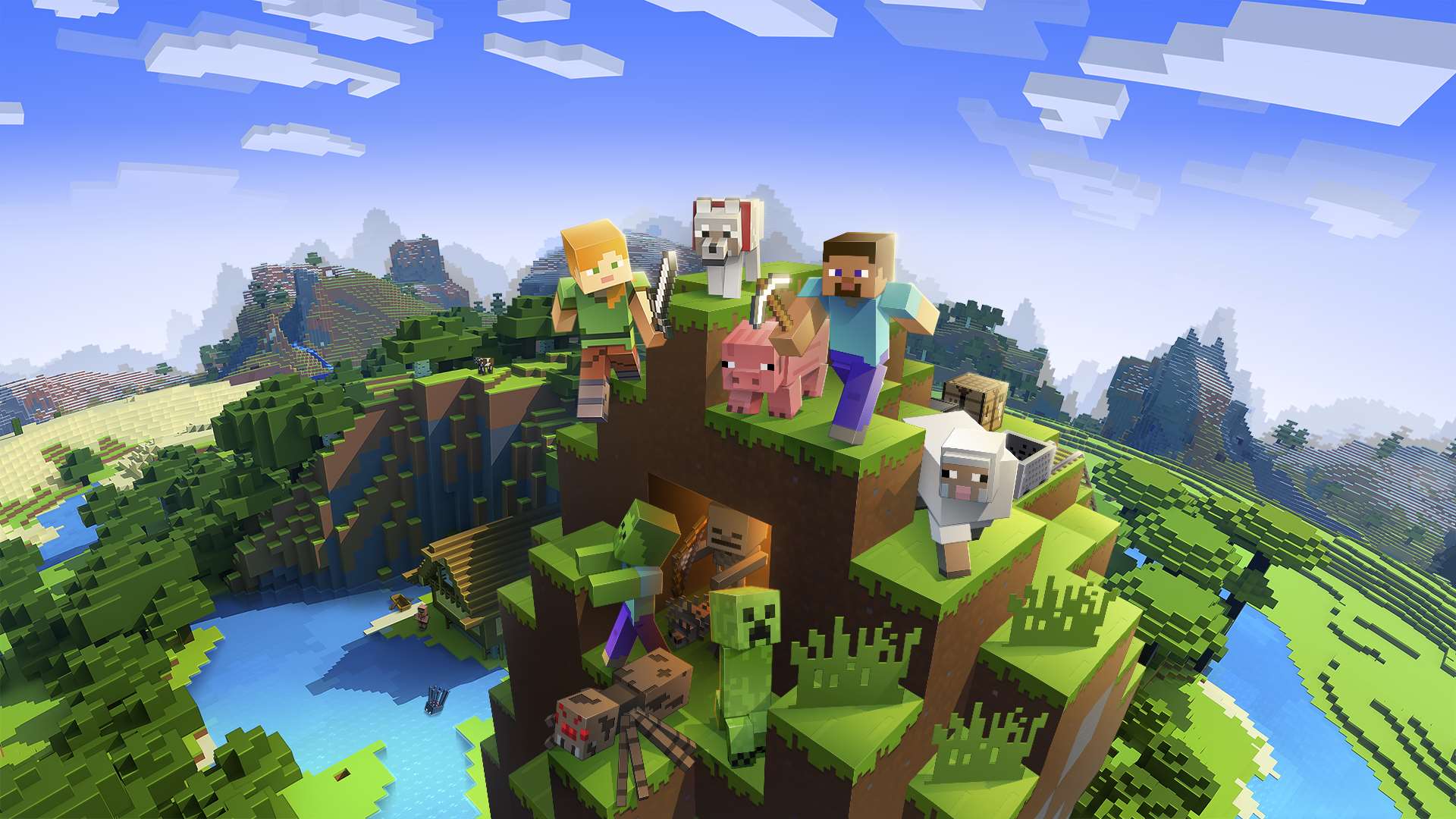
10. Minecraft
What began as an indie experiment became a global phenomenon, redefining creativity in games. Minecraft's blocky aesthetic belied its boundless potential, offering players a digital canvas to build anything imaginable. It democratized game development, turning players into creators, and fostered a generation of digital architects and explorers. Its emergent gameplay loop and emphasis on shared creation proved that simple mechanics could lead to infinite complexity and enduring appeal.