

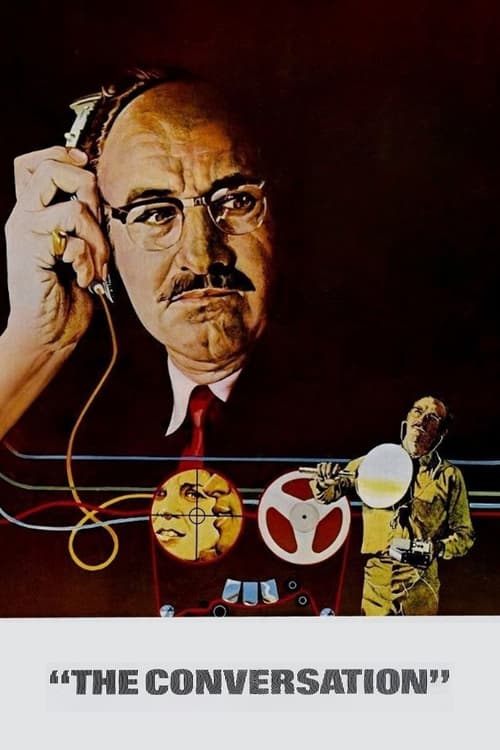
1. The Conversation
Francis Ford Coppola, between his two Godfather epics, crafted this chilling study of paranoia and surveillance. Gene Hackman delivers a career-defining performance as the reclusive wiretapper whose moral compass unravels amidst a seemingly innocuous recording. It is a profound reflection on guilt, privacy, and the unseen consequences of technology, a prescient work that resonates ever more powerfully today.
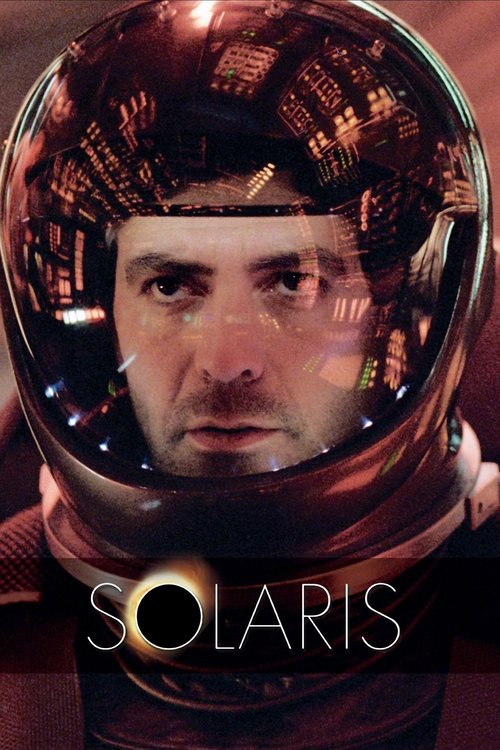
2. Solaris
Andrei Tarkovsky’s profound counterpoint to Western space epics, *Solaris* eschews spectacle for introspection. It delves into the human psyche, exploring memory, grief, and the elusive nature of reality through the mysterious ocean planet. This is not science fiction in the conventional sense, but a deeply philosophical meditation on human connection and the persistent echoes of our past.
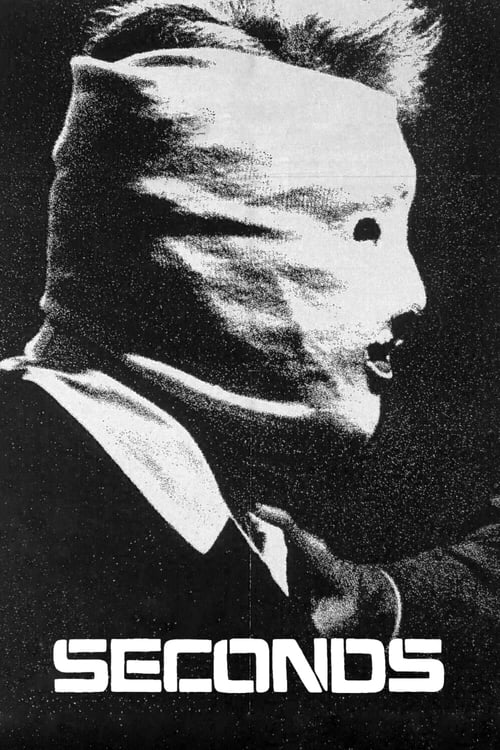
3. Seconds
John Frankenheimer’s disquieting 1966 thriller plunges into the terrifying implications of existential escape. Rock Hudson, transformed, grapples with a new identity, only to discover the futility of escaping oneself and the chilling costs of a manufactured fresh start. Its stark black-and-white cinematography and disorienting visual style create a visceral, unforgettable commentary on societal dissatisfaction and the illusion of reinvention.
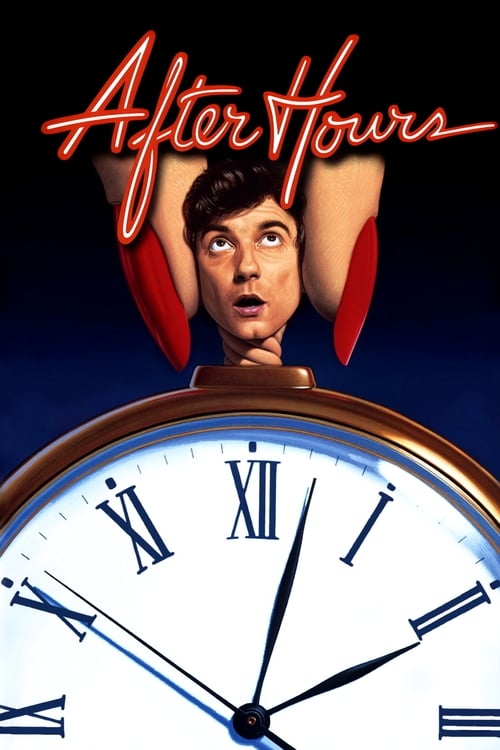
4. After Hours
Martin Scorsese, diverging from his usual epic narratives, delivers a darkly comedic nightmare of urban alienation. Paul Hackett's odyssey through a surreal, hostile SoHo night is a masterclass in escalating absurdity and claustrophobic anxiety. This film showcases Scorsese's remarkable versatility, proving his command over tone and his ability to transform mundane urban encounters into a frantic, often hilarious, descent into the bizarre.

5. Le Samouraï
Jean-Pierre Melville's minimalist, existential masterpiece, *Le Samouraï*, defines cool. Alain Delon embodies Jef Costello, the solitary hitman, a figure of detached professionalism and quiet stoicism. This film established the archetypal hitman, influencing generations of filmmakers with its austere elegance, precise choreography, and profound exploration of honor, fate, and the lonely code of a man living outside society's bounds.

6. Chicago Blow-Out
Brian De Palma’s *Blow Out* is a virtuoso exercise in cinematic paranoia, heavily influenced by Antonioni’s *Blowup* and Coppola’s *The Conversation*. John Travolta delivers a compelling performance as a sound engineer inadvertently entangled in a political assassination, showcasing De Palma's Hitchcockian flair for intricate suspense and moral ambiguity. It's a chilling examination of truth's malleability and the devastating, unheard cost of silence.
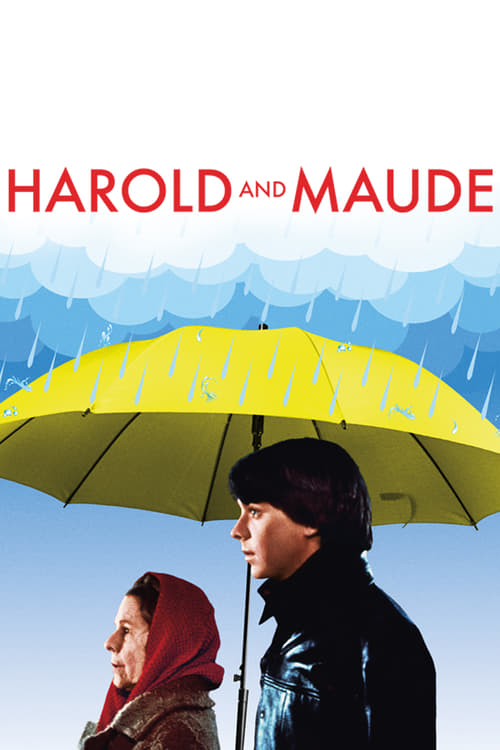
7. Harold and Maude
Hal Ashby’s unique black comedy is a poignant, often hilarious, exploration of life, death, and unconventional love. The unlikely romance between a death-obsessed young man and a spirited octogenarian challenges societal norms with gentle subversion and genuine warmth. It remains a beautiful, enduring piece of counter-culture cinema, celebrating individuality and finding joy in the most unexpected places.