

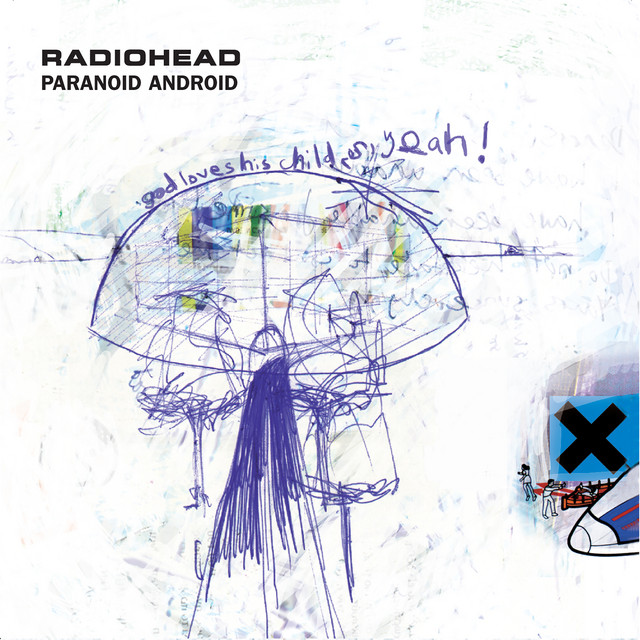
1. Paranoid Android
Okay, this track. It's a whole journey, isn't it? Radiohead just sliced through the noise with those three distinct movements, each guitar riff a statement. Jonny Greenwood wasn't just playing notes; he was crafting moods, from the melancholic strum to that raw, frantic solo. It proved guitars could be cerebral and still rip, pushing alternative rock into something entirely new. No wonder it felt like a generational anthem.

2. Teardrop
Massive Attack just owned the late 90s, and "Teardrop" is pure, dark magic. While Liz Fraser’s voice and that pulsing drum loop get the spotlight, listen closely to the guitar. It’s not flashy, but those sparse, almost ghostly lines and the deep, resonant bass create an atmosphere so thick you could swim in it. It showed how guitar could be an ambient texture, a vital part of the electronic tapestry.

3. Coffee & TV
Blur, man. "Coffee & TV" felt like sunshine breaking through a Britpop hangover. Graham Coxon's guitar here is just brilliant – melodic, understated, yet so distinctive. It’s not about shredding, but about weaving this melancholic, almost American indie-rock narrative. And with that video, it perfectly captured a kind of suburban ennui, proving guitar could be both catchy and profoundly expressive.
4. Stormbringer
Mogwai. Post-rock defined so much of the sonic landscape for a bit, and "Stormbringer" is a perfect example of why. There’s no big vocal, just these immense waves of sound, built layer by painstaking layer by guitars. It’s about texture, dynamics, and the sheer emotional weight of carefully constructed noise. They weren't just playing; they were building entire, sprawling, atmospheric sonic worlds that felt deeply immersive.
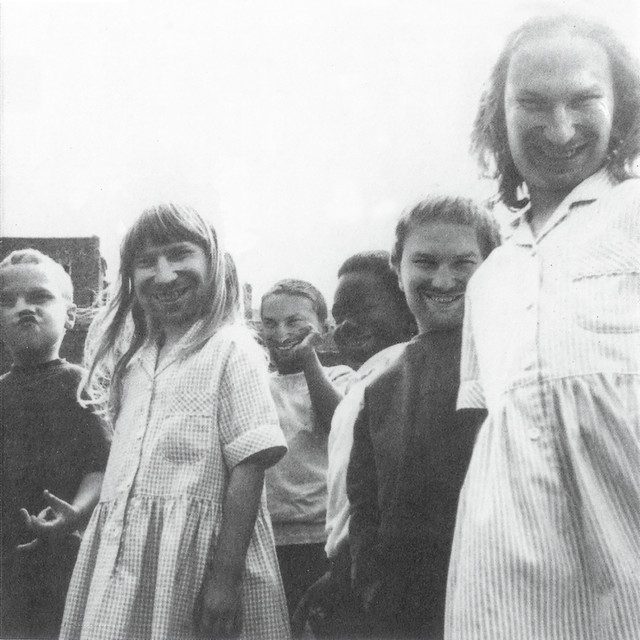
5. Come To Daddy
Aphex Twin, right? This track was a sonic gut punch. While clearly electronic, its sheer, terrifying aggression and distorted textures felt like the digital equivalent of a guitar amp stack melting down. It pushed the boundaries of what 'heavy' meant, forcing everyone, including guitarists, to reckon with new levels of sonic brutality and glitchy chaos that felt both alien and strangely familiar.

6. Woke Up
Fugazi always stood apart. "Woke Up" isn't about virtuosity in the classic sense; it's about precision and impact. Ian MacKaye and Guy Picciotto's guitars intertwine with a rhythmic, almost mathematical complexity, creating these angular, propulsive grooves. It's raw, uncompromising post-hardcore that highlighted the guitar's power to drive intellectual, yet viscerally engaging, musical structures without any excess.

7. Cut Your Hair
Pavement, the kings of slacker cool. "Cut Your Hair" is a masterclass in how guitars didn't need to be polished or technically perfect to be unforgettable. Stephen Malkmus's off-kilter riffs and slightly out-of-tune jangle just *worked*. It was about attitude, melody, and a kind of charming nonchalance that perfectly encapsulated indie rock's appeal. The guitar sounded effortlessly cool, and utterly unique.