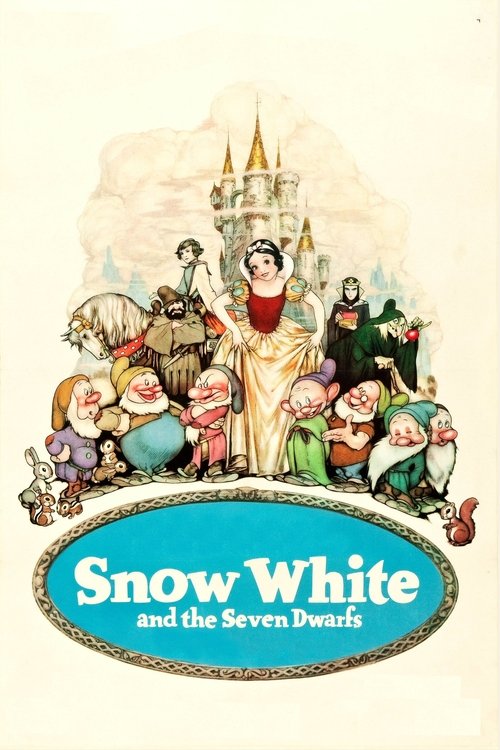
1. Snow White and the Seven Dwarfs
This film didn't just break new ground; it *created* the ground for feature-length animation, a gamble many deemed folly. Walt Disney’s audacious vision, marrying meticulous hand-drawn artistry with emotional depth, proved animation could tell complex stories that resonated universally, not merely as shorts. It established narrative conventions, character archetypes, and a benchmark for musical integration, influencing countless fairy tale adaptations and cementing animation's place in mainstream cinematic history. Its impact is immeasurable.
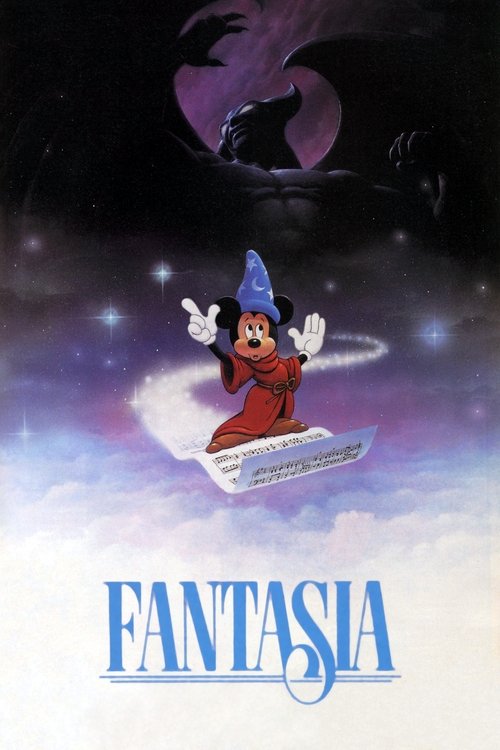
2. Fantasia
More than a film, *Fantasia* was an experimental artistic statement, a bold attempt to elevate animation to high art, blending classical music with abstract and narrative visuals. Disney, ever the innovator, saw animation as a flexible medium capable of profound sensory experiences. Its segment-based structure and daring aesthetic choices pushed the boundaries of what animation could be, challenging audiences to perceive it beyond mere child's play, a true symphonic journey.
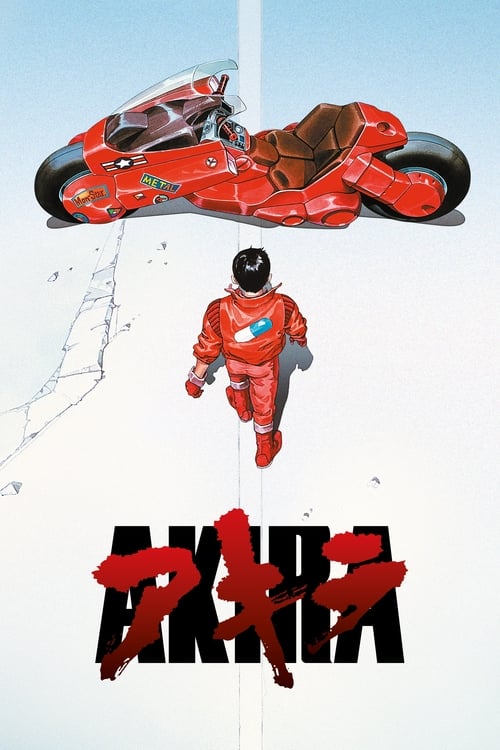
3. Akira
Katsuhiro Otomo’s *Akira* wasn't merely an anime; it was a cyberpunk revelation that shattered Western perceptions of the medium. Its intricate world-building, mature themes of corruption, existential dread, and burgeoning psychic powers, coupled with groundbreaking animation fluidity, showcased anime's capacity for sophisticated, adult storytelling. This film undeniably propelled anime onto the global stage, demonstrating its unique narrative and aesthetic prowess, forever changing the landscape of animated science fiction.
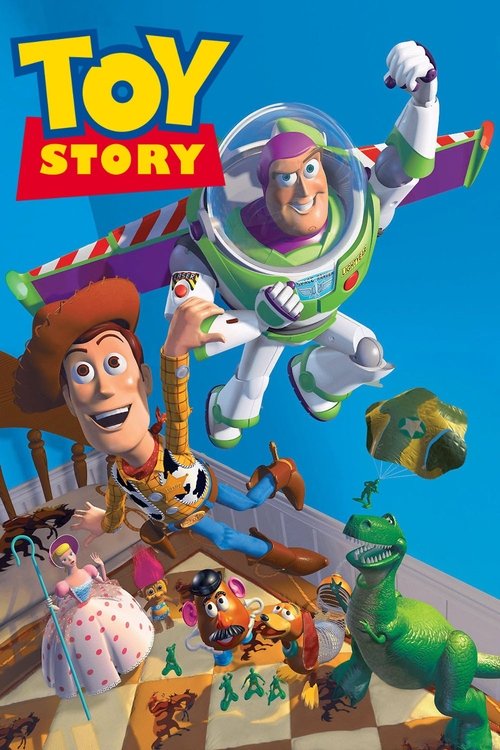
4. Toy Story
Pixar’s debut wasn't just a technological marvel; it was a masterclass in character-driven storytelling, proving that computer animation could deliver emotional resonance previously reserved for traditional methods. John Lasseter and his team crafted a narrative rich with themes of friendship, jealousy, and belonging, all while pioneering an entirely new visual language. It ushered in the era of CGI dominance, setting an incredibly high bar for both technical innovation and narrative sophistication in animated features.
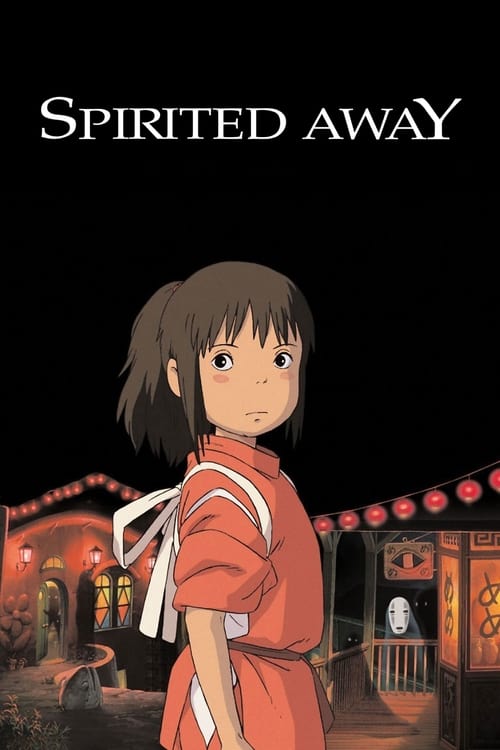
5. Spirited Away
Hayao Miyazaki’s *Spirited Away* transcends cultural boundaries, a testament to Studio Ghibli's unique blend of the fantastical and the deeply human. It's a whimsical, yet profound, journey into a spirit world, reflecting on themes of identity, environmentalism, and the loss of innocence. Miyazaki’s auteurist touch is evident in every frame, creating a rich, immersive experience that solidified Ghibli's reputation as a global animation powerhouse, crafting narratives of timeless universal appeal.
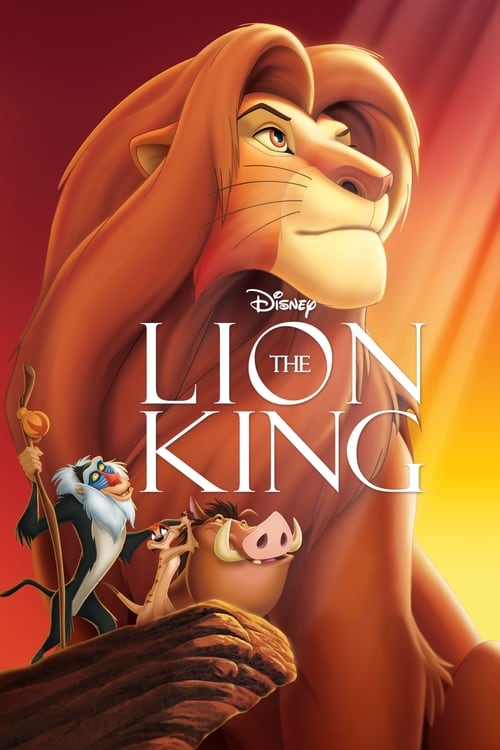
6. The Lion King
A monumental achievement for Disney's renaissance era, *The Lion King* married Shakespearean drama with stunning visual artistry and an unforgettable musical score. Its epic scope, compelling character arcs, and profound themes of responsibility, grief, and destiny resonated deeply with audiences worldwide. Roger Allers and Rob Minkoff’s direction delivered a powerful, emotionally charged narrative that demonstrated the enduring power of traditional animation to tell stories of grand, mythic proportions.
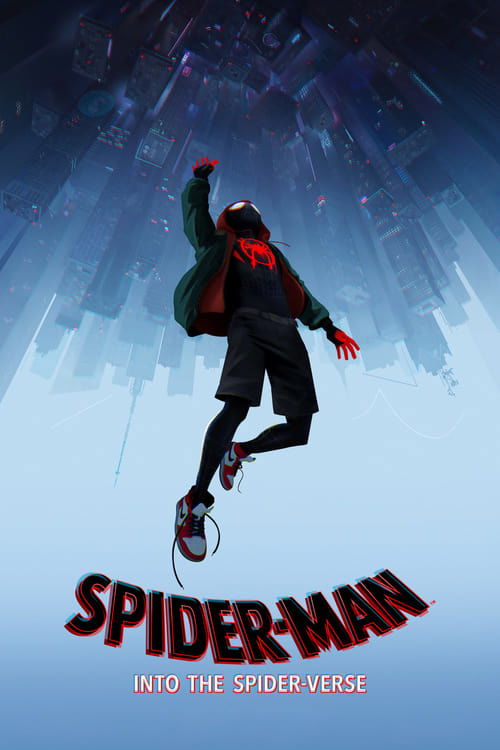
7. Spider-Man: Into the Spider-Verse
This film wasn't just a superhero story; it was a meta-textual explosion of artistic innovation, redefining the aesthetic possibilities of mainstream animation. Its bold, comic-book-inspired visual style, blending various animation techniques, created a dynamic, kinetic experience previously unseen. Phil Lord and Christopher Miller, as producers, championed a vision that embraced diverse storytelling and visual experimentation, proving animation's continuous capacity for reinvention and breaking traditional molds.