
1 / 12

1. Pong (1972)
Pong wasn't just a game; it was a phenomenon, distilling digital competition to its purest form. Two paddles, a ball, and a screen. This minimalist setup introduced millions to interactive entertainment, fundamentally shifting leisure time. It laid the groundwork for the entire arcade industry, proving that simple digital interaction could captivate, creating the blueprint for competitive play and immediate feedback loops that still define games today.
2 / 12
2. Space Invaders (1978)
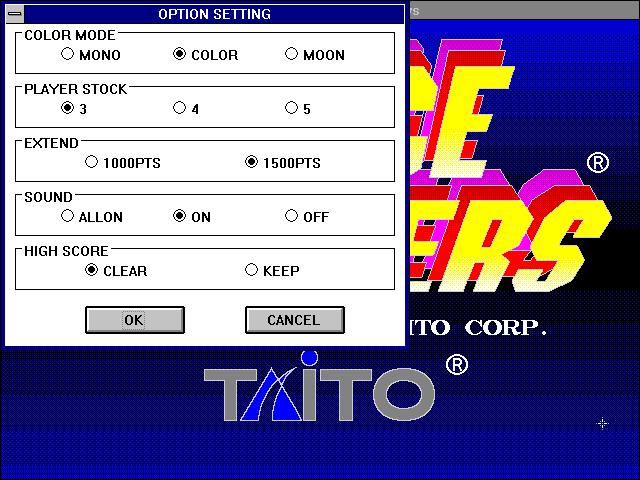
The relentless descent of pixelated aliens taught us about threat, pattern recognition, and the thrill of escalating difficulty. It perfected the arcade loop: coin-in, high score chase, swift demise, repeat. This game cemented the idea of an ongoing challenge, fostering both individual skill and community competition on leaderboards. It became a cultural touchstone, demonstrating the addictive power of simple, yet perfectly executed, gameplay.
3 / 12
3. Pac-Man
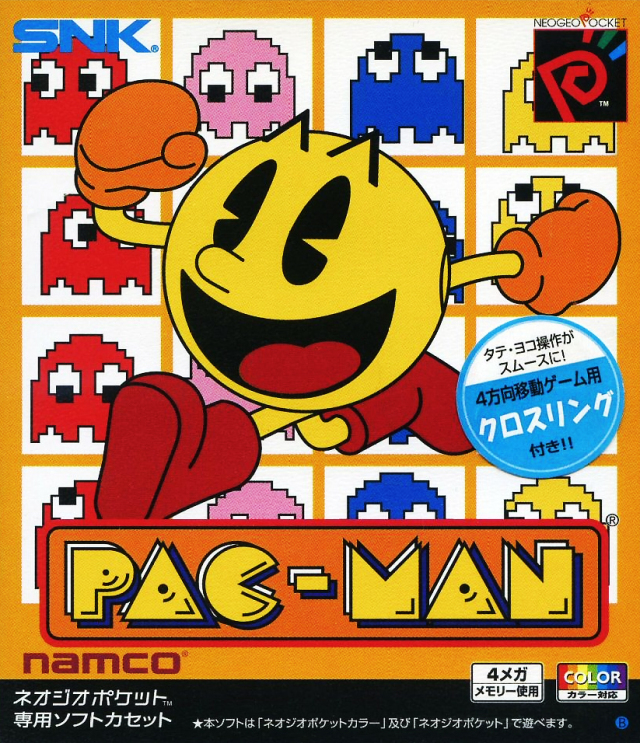
More than just dots and ghosts, Pac-Man introduced character, personality, and a nascent narrative to the arcade. It inverted the shooter dynamic, making evasion and clever navigation paramount. This cheerful, iconic yellow circle became a global cultural ambassador for gaming, proving that games could be accessible and beloved by everyone, not just enthusiasts. Its maze-chasing mechanics remain instantly recognizable.
4 / 12
4. Super Mario Bros.
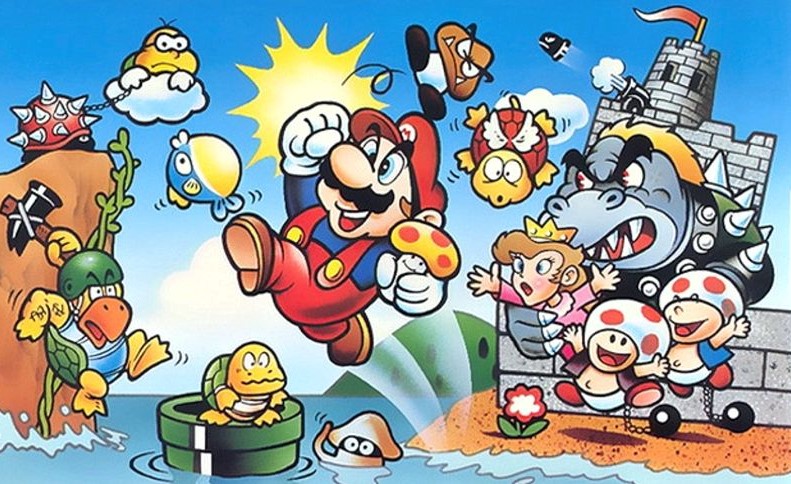
This game didn't just define the side-scrolling platformer; it rescued the home console market. Mario's fluid movement, ingenious level design, and hidden secrets established a new benchmark for player agency and exploration within a linear structure. It proved that home gaming could offer depth, challenge, and pure, unadulterated joy, solidifying Nintendo's place as an industry titan and shaping countless future titles.
5 / 12

5. Tetris (1984)
From behind the Iron Curtain came a puzzle game of perfect geometric elegance. Tetris transcended language and culture, its falling blocks demanding spatial reasoning and quick decisions. It proved that abstract concepts could be endlessly compelling, becoming a ubiquitous phenomenon on every platform imaginable, shaping our understanding of casual and intellectual play with its deceptively simple, yet endlessly complex, design.
6 / 12
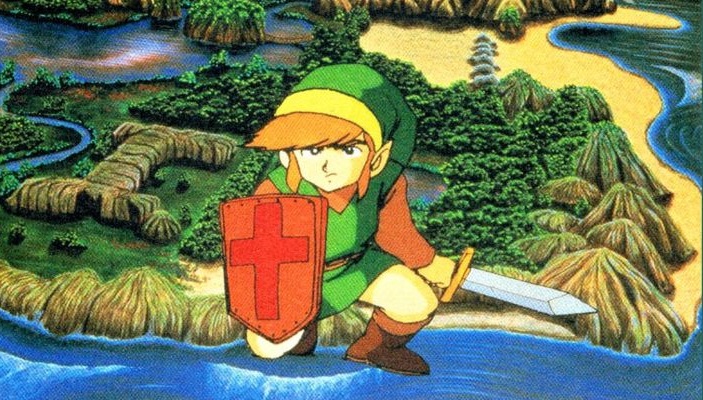
6. The Legend of Zelda
Link’s inaugural adventure cracked open the definition of console gaming. It wasn't just about high scores; it was about exploration, discovery, and a grand journey. Zelda introduced non-linear progression, inventory management, and a sense of persistent world-building, inviting players to genuinely get lost in a fantastical realm and uncover its secrets, pioneering the action-adventure genre's emphasis on player agency.
7 / 12

7. DOOM (2016)
While the original DOOM pioneered the FPS, the 2016 iteration redefined modern visceral combat. It rejected cover mechanics for aggressive, momentum-based glory kills, pushing players into the fray. This game proved that a classic formula, when meticulously re-evaluated and amplified, could deliver an unparalleled power fantasy and a pure, unadulterated adrenaline rush, influencing a new generation of fast-paced shooters.
8 / 12
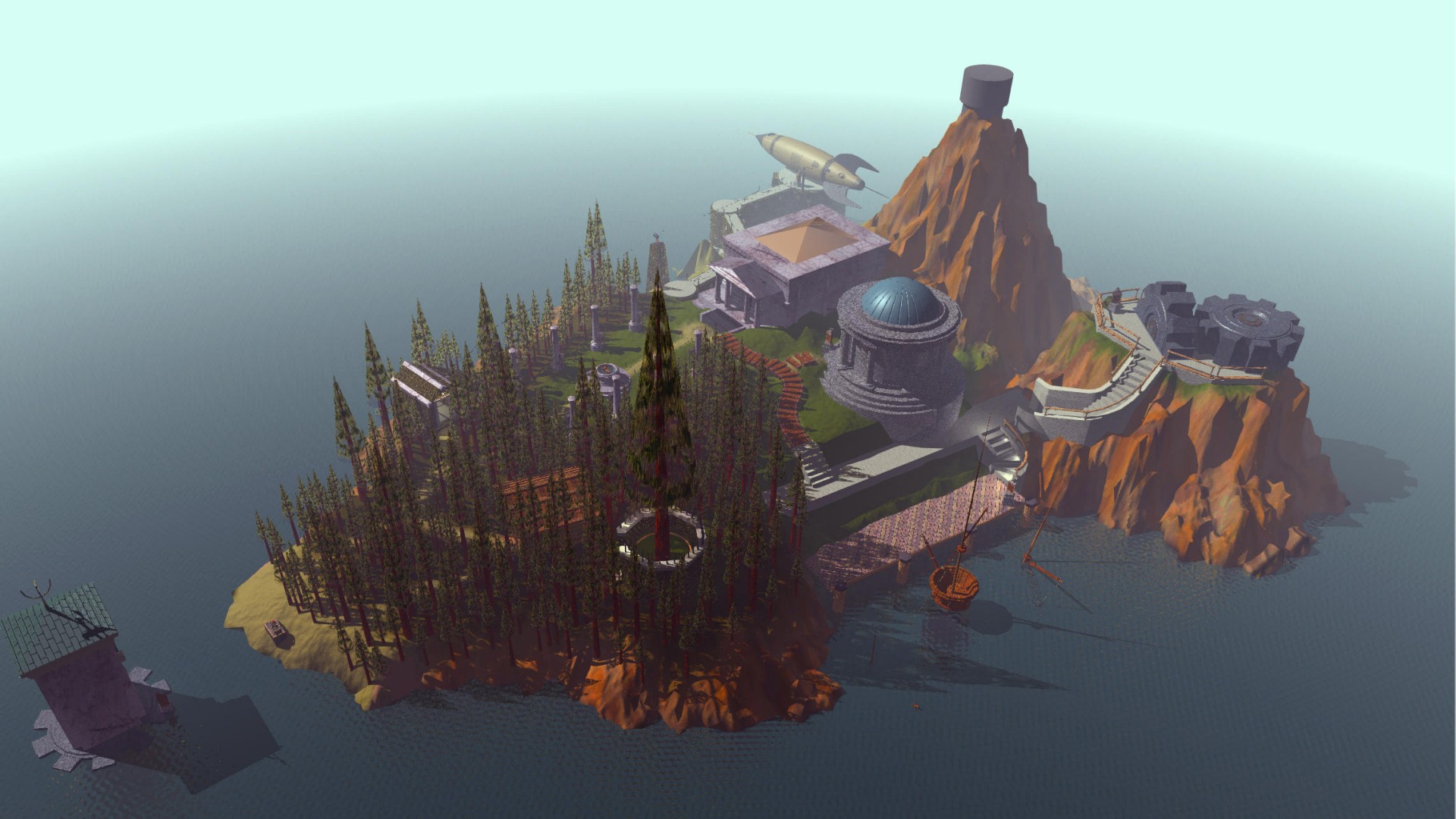
8. Myst
This game was a revelation, pushing the boundaries of CD-ROM technology and challenging players with intricate, atmospheric puzzles. Myst eschewed combat for cerebral exploration, immersing players in a haunting, beautiful world built on logical conundrums. It demonstrated gaming's capacity for quiet contemplation and rich, environmental storytelling, redefining interactive narrative away from traditional action or arcade loops.
9 / 12
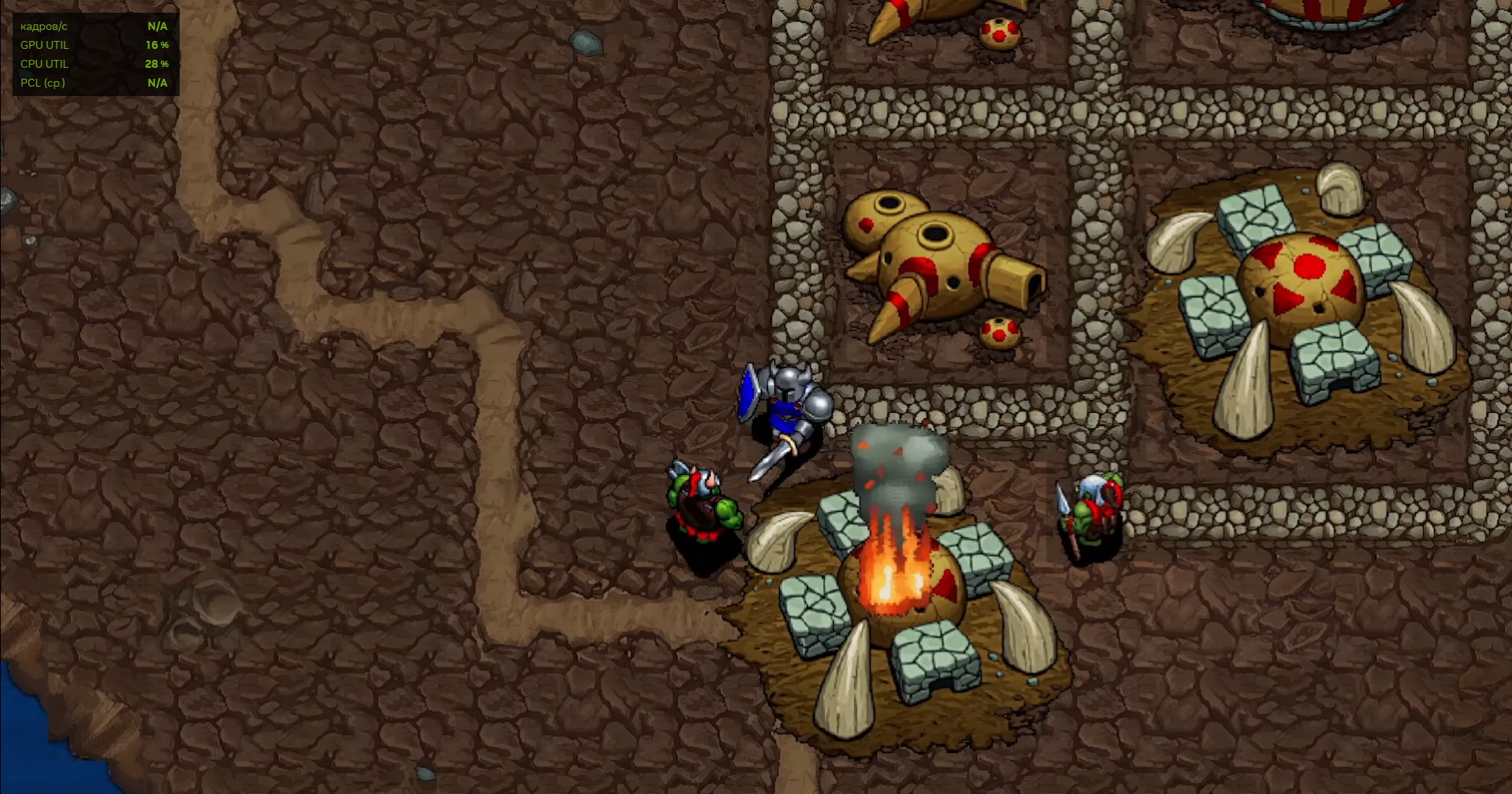
9. Warcraft: Remastered
While the original Warcraft series pioneered real-time strategy, the existence of "Remastered" underscores the enduring power of its foundational design. It reminds us how these games meticulously crafted resource management, base building, and tactical combat, influencing countless strategy titles and, notably, spawning entire genres like the MOBA, proving lasting design trumps novelty and can resonate decades later.
10 / 12
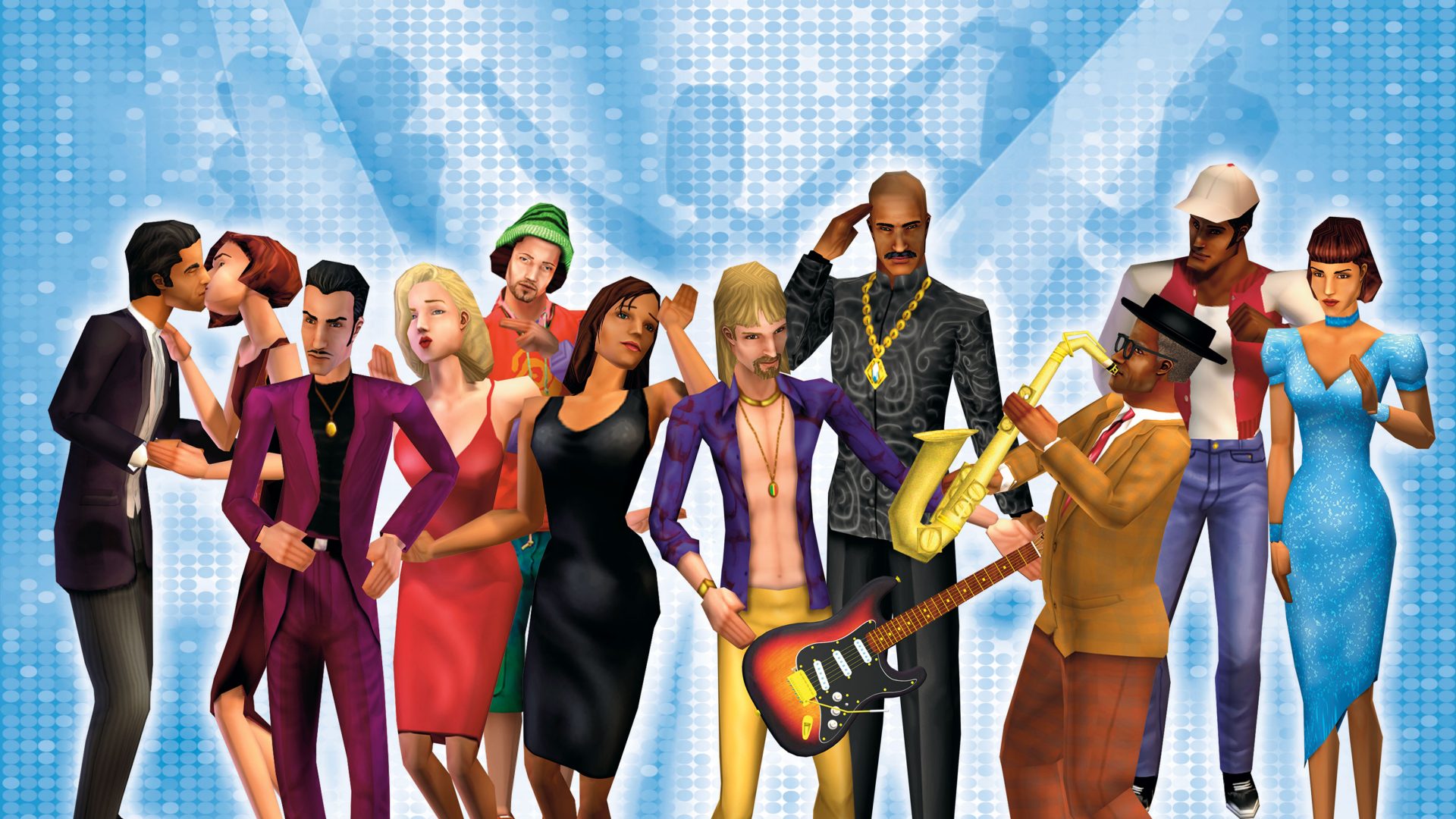
10. The Sims
Who knew simulating mundane daily life could be so captivating? The Sims broke barriers, attracting a massive, diverse audience by offering unparalleled creative freedom and emergent storytelling. It wasn't about winning; it was about building lives, fostering relationships, and watching digital narratives unfold, fundamentally shifting our understanding of simulation and player agency beyond traditional goal-oriented gameplay.
11 / 12
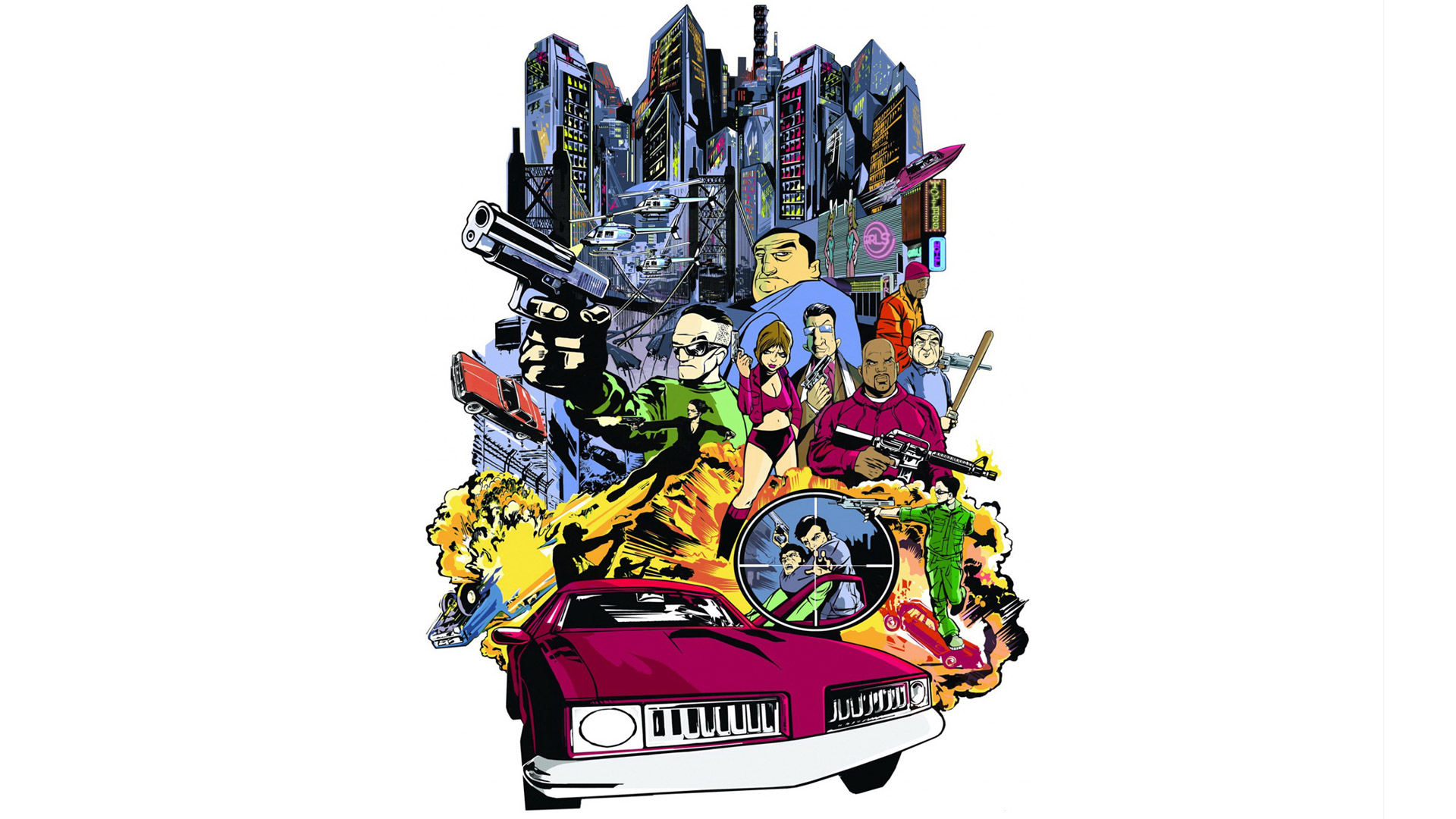
11. Grand Theft Auto III
This was a watershed moment for open-world design. GTA III delivered an unprecedented sense of freedom and scale, dropping players into a sprawling 3D city rife with possibilities and mature themes. It proved that emergent gameplay, driven by player choice and urban chaos, could create compelling, dynamic narratives far beyond linear storytelling, setting the standard for sandbox crime epics.
12 / 12
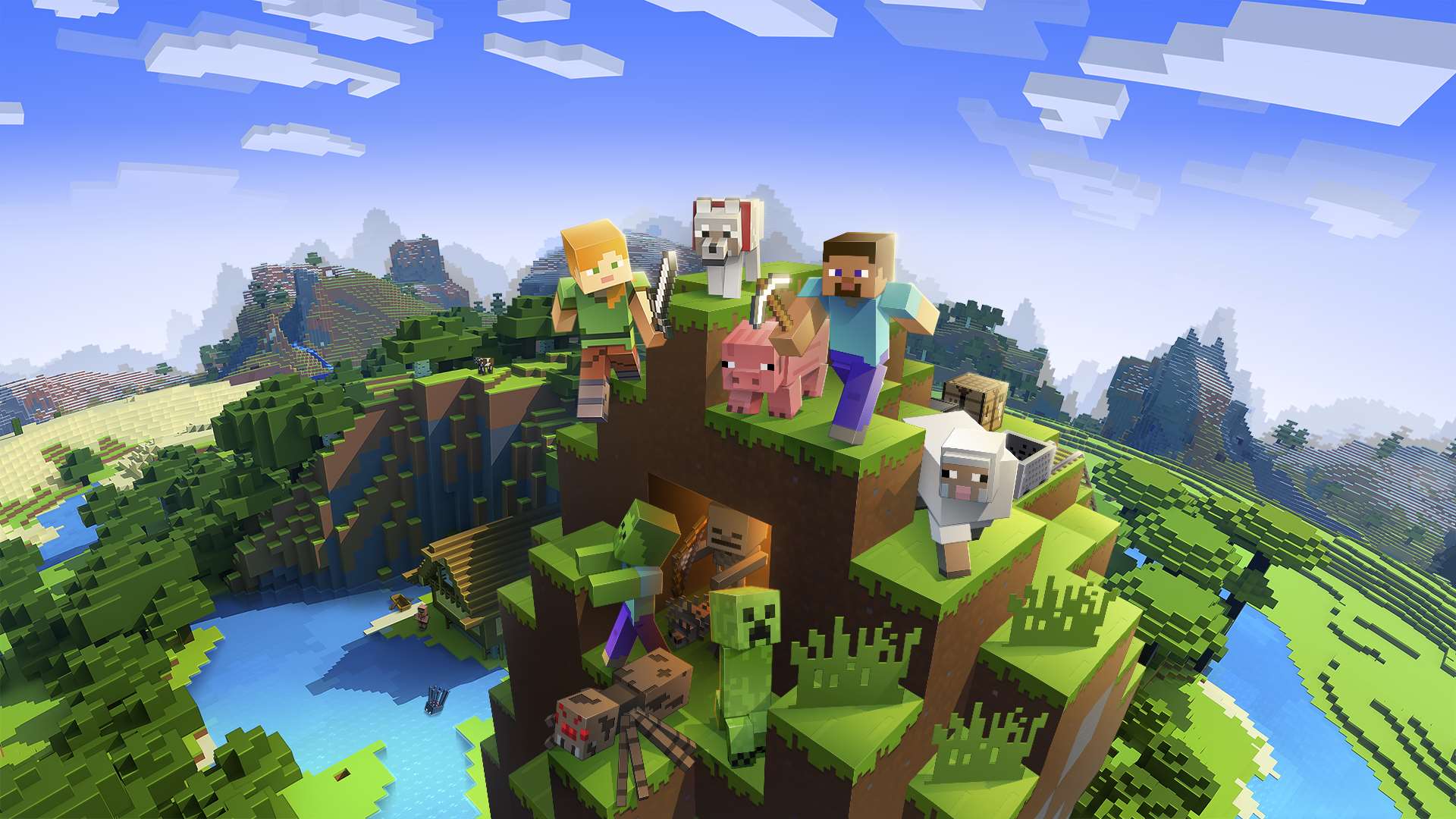
12. Minecraft
More than a game, Minecraft is a digital canvas. Its blocky, procedural worlds unleashed boundless creativity, turning millions into architects, engineers, and adventurers. It democratized game creation, fostering a massive community around shared building and exploration, fundamentally redefining the sandbox genre and demonstrating the power of player-driven content and emergent systems to create enduring cultural phenomena.