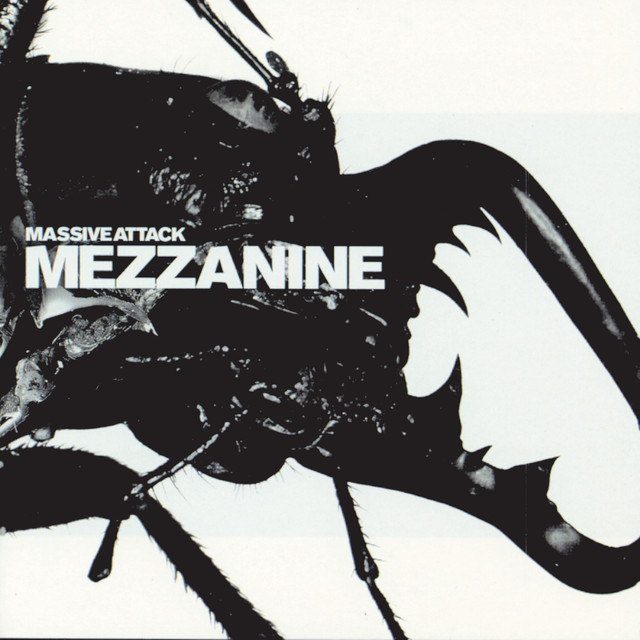
1. Mezzanine
Man, Kid A dropped like a digital bomb. After OK Computer, everyone expected another guitar epic, but instead, they gave us this fractured, unsettling electronic landscape. It felt like the soundtrack to the Y2K bug, if it had actually happened. We were all trying to make sense of the internet, and Radiohead just amplified that sense of technological alienation and wonder, pushing past rock's boundaries into something genuinely new, something cold but strangely human.
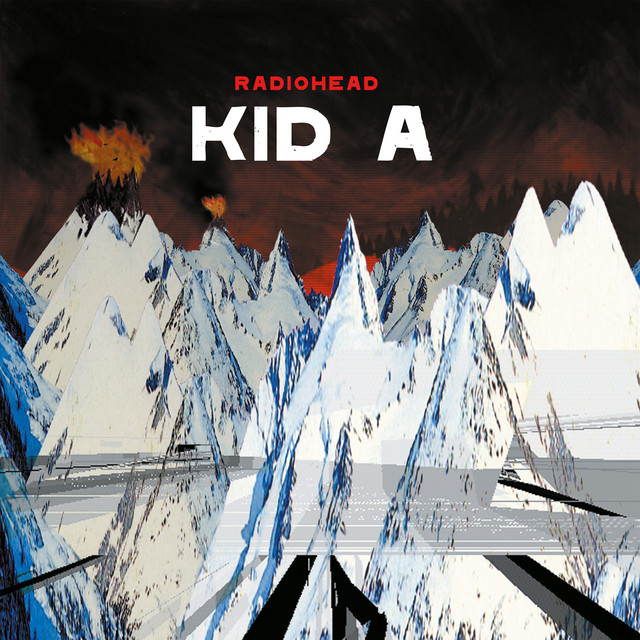
2. Kid A
This one felt like digging up forgotten data from an old hard drive, but it was pure gold. Boards of Canada crafted these warm, hazy electronic tapestries that hummed with analogue nostalgia and whispered digital secrets. It was ambient, but so much more evocative; it painted pictures of faded VHS tapes and childhood memories warped by time. When you found this online, it felt like discovering a secret, sacred corner of the early web.
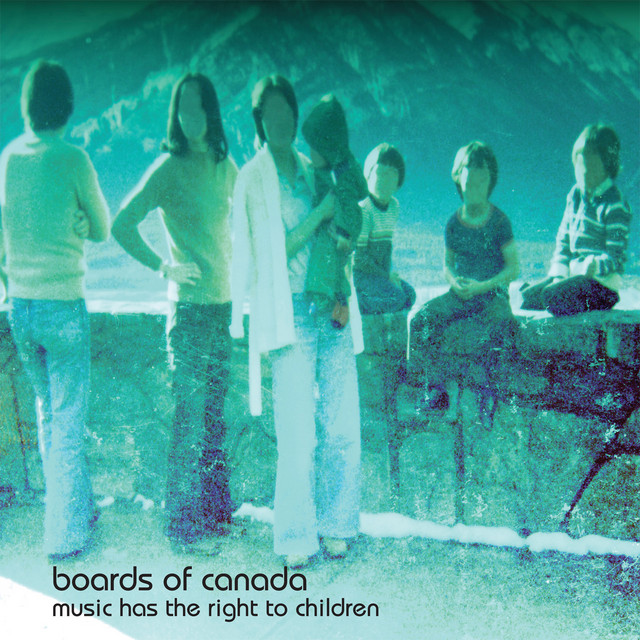
3. Music Has The Right To Children
Mogwai just stripped everything back here, didn't they? After the initial post-rock explosion, this album arrived with a raw, almost desolate beauty. It wasn't about stadium-filling anthems but about the quiet, aching build-ups and devastating crescendos that felt deeply personal. This was the sound of navigating early message boards, finding solace in shared melancholy, a kind of communal vulnerability online that felt profound when the world was still figuring out digital intimacy.

4. Come On Die Young
Richard D. James just unleashed Drukqs in 2001, and it was a glorious, chaotic mess of IDM and prepared piano. It sounded like the internet itself: fragmented, brilliant, sometimes infuriatingly complex, but always pushing boundaries. It was the sound of a genius playing with digital noise and delicate melody, often within the same track. This album didn't just challenge you; it actively rewired your brain, a true digital-era masterpiece that felt utterly uncompromised.
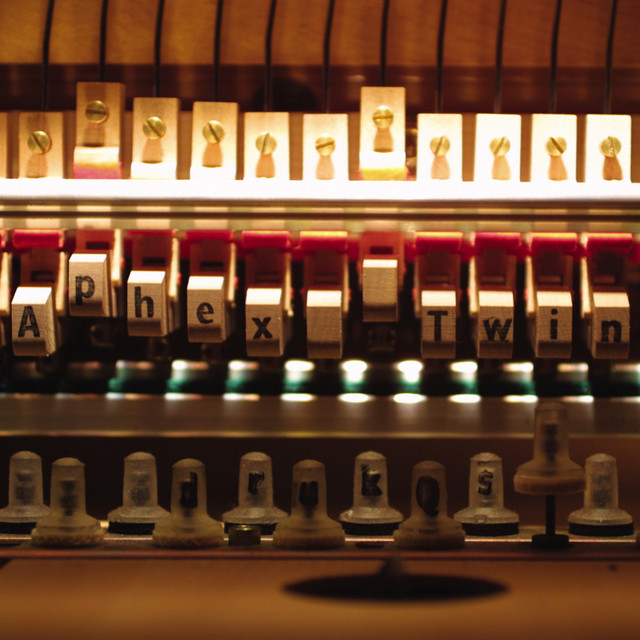
5. Drukqs
Pulp's Different Class was pure Britpop brilliance, a sharp, witty snapshot of class and aspiration in 90s Britain. But beyond the anthems, it resonated with anyone feeling a bit out of place, even across oceans, thanks to fledgling internet communities. Jarvis Cocker’s lyrical observational skills were just unmatched, making you feel seen, whether you were navigating school cliques or early chat rooms. It was smart, sassy, and had hooks for days.
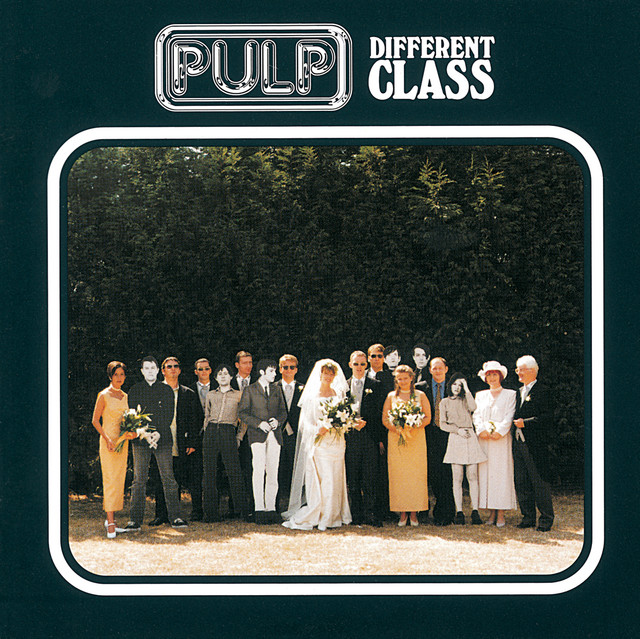
6. Different Class
White Pony just hit differently. It wasn't just a nu-metal album; it was a dark, atmospheric beast that blended heavy riffs with haunting electronics and Chino Moreno's incredible vocal range. This felt like the soundtrack to late-night gaming sessions and discovering darker corners of the web. It had this intense, almost sensual aggression that was balanced by moments of profound beauty. It showed how heavy music could evolve, become more nuanced, more artful.