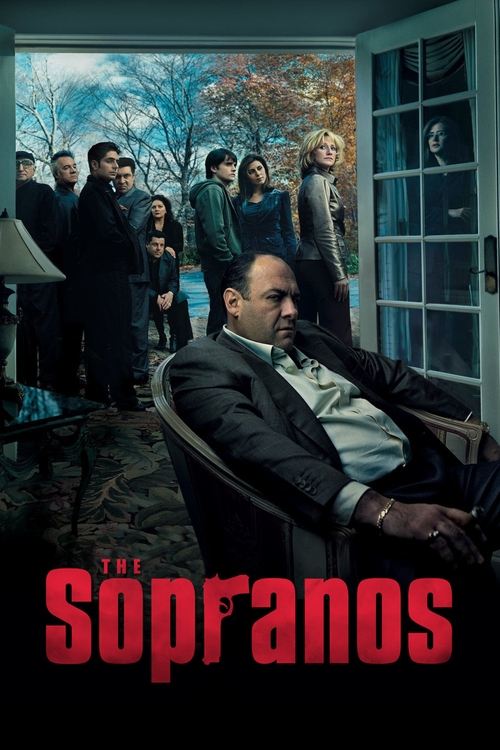
1. The Sopranos
Before Tony Soprano, TV anti-heroes were a different breed. This show wasn't just good; it redefined what a TV drama could be. HBO let them tell a serialized story about a mob boss in therapy, delving into his psyche, his family, and the brutal realities of his world without pulling punches. It felt like a novel, dense and character-driven, proving that television could be as complex and cinematic as anything on the big screen. It truly kicked off the "golden age" and set the bar for serialized cable storytelling.
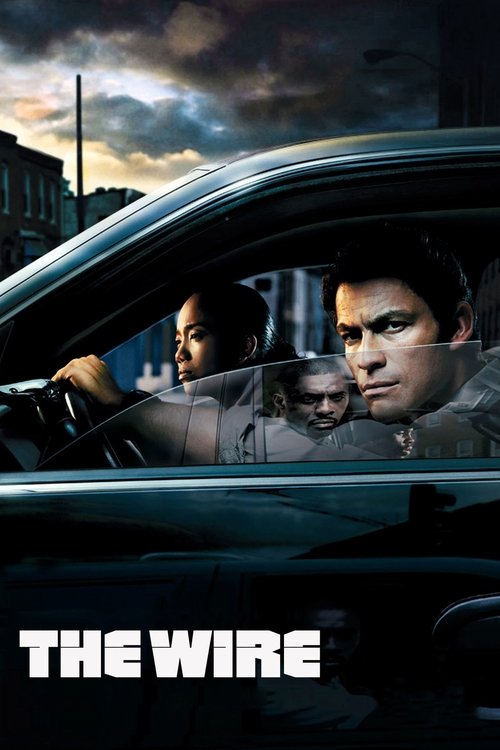
2. The Wire
Forget everything you thought about procedural dramas. "The Wire" wasn't about solving cases; it was about dissecting a city, piece by piece. Each season tackled a different institution – drugs, port, politics, schools – with an expansive ensemble cast and a novelistic approach. It had the patience of a great book, letting narratives unfold slowly, revealing systemic failures and human resilience. This was TV as social commentary, proving serialized storytelling could handle immense scale and depth, demanding attention and rewarding it tenfold.
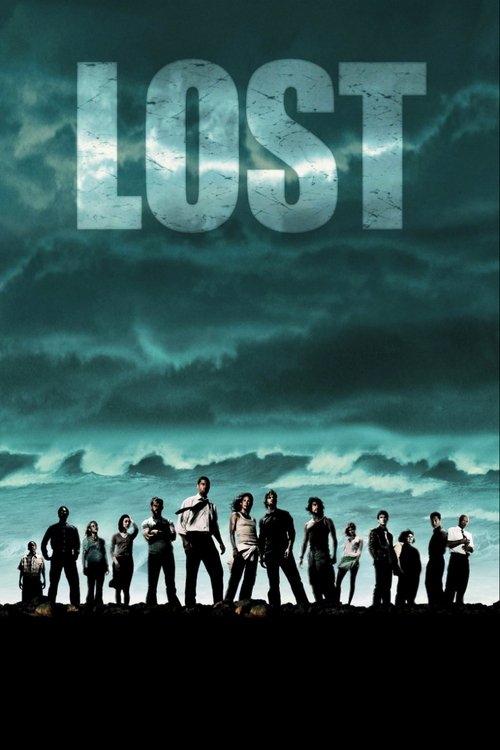
3. Lost
"Lost" was a phenomenon. It grabbed you with a plane crash on a mysterious island, then kept you hooked with an intricate, serialized mythology and a constantly shifting narrative structure. Flashbacks, flashforwards, and a huge ensemble cast made every episode a puzzle piece, sparking weeks of online theories. It blurred the lines between network TV and cinematic ambition, showing how a serialized mystery could dominate pop culture and pioneer the kind of deep engagement we now expect from complex narratives.

4. Six Feet Under
This show stared death in the face every week, literally. Following the dysfunctional Fisher family running a funeral home, "Six Feet Under" wasn't afraid to explore grief, existential dread, and complicated human relationships with unflinching honesty. It was a masterclass in character development, showcasing how cable could delve into deeply personal, often uncomfortable themes that network TV shied away from. Each episode began with a death, setting a poignant, sometimes darkly humorous tone for the serialized emotional journey that followed.
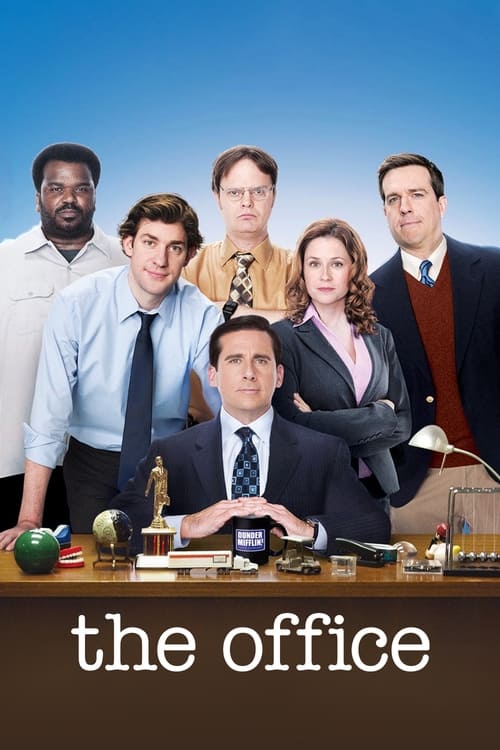
5. The Office
When "The Office" hit, it felt fresh, even as a remake. Its mockumentary style wasn't just a gimmick; it heightened the cringe comedy and made you feel like a fly on the wall in Dunder Mifflin. It proved that an ensemble cast, built on relatable workplace absurdity, could carry a show for years. This was also a prime example of a show that thrived in the early days of on-demand, with people rewatching episodes to catch every awkward glance and subtle joke, turning it into a comfort watch.
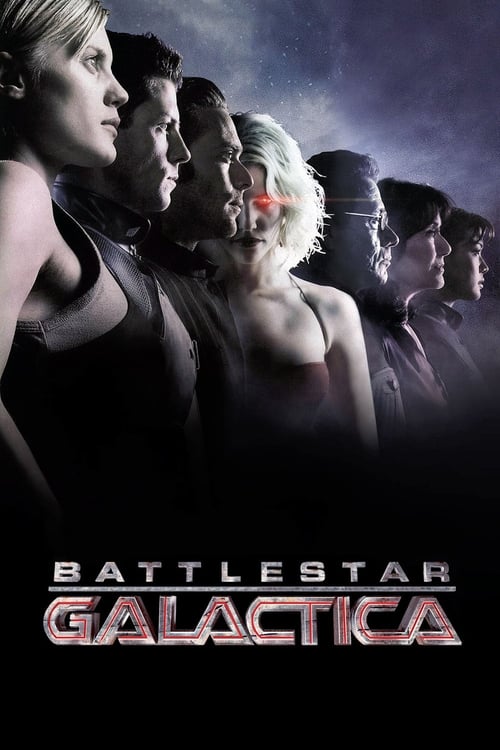
6. Battlestar Galactica
This wasn't your dad's "Battlestar Galactica." The 2004 reimagining took a pulpy sci-fi premise and turned it into a gritty, complex, and deeply philosophical serialized drama. It explored themes of war, religion, and humanity's survival with a post-9/11 lens, delivering intense character arcs and moral ambiguities. Its cinematic scope and willingness to take risks with its narrative pushed the boundaries of what sci-fi television could achieve, earning critical acclaim far beyond genre fans. It felt like a movie every week.
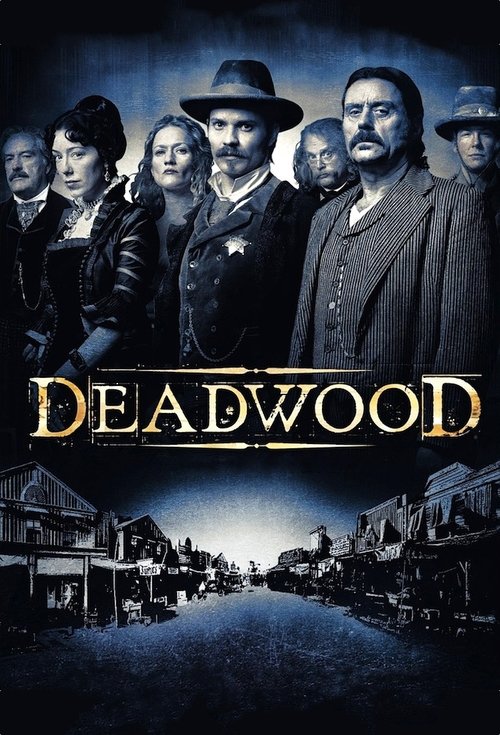
7. Deadwood
"Deadwood" was a punch to the gut, a period piece that rejected romanticized Western tropes for something far more brutal and authentic. The language was Shakespearean in its profanity, the characters morally grey, and the setting a mud-caked, lawless frontier town. HBO let David Milch craft a deeply serialized, character-driven narrative that felt like living history, pushing the envelope with its raw dialogue and unflinching depiction of human nature. It was audacious, cinematic, and unlike anything else on television at the time.
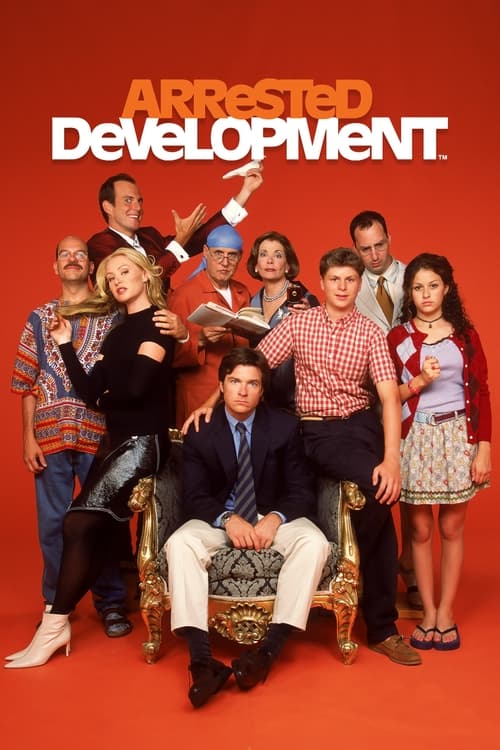
8. Arrested Development
"Arrested Development" wasn't just a sitcom; it was a comedy masterclass built for rewatching. Its dense, layered jokes, running gags, and callbacks were revolutionary, rewarding viewers who paid close attention. It defied traditional sitcom structures, opting for a serialized narrative that built on itself, demanding more from its audience. Its innovative style and rapid-fire humor, while initially challenging for network TV, found a passionate audience in the early days of on-demand, proving that smart, complex comedy had a home beyond the traditional broadcast model.
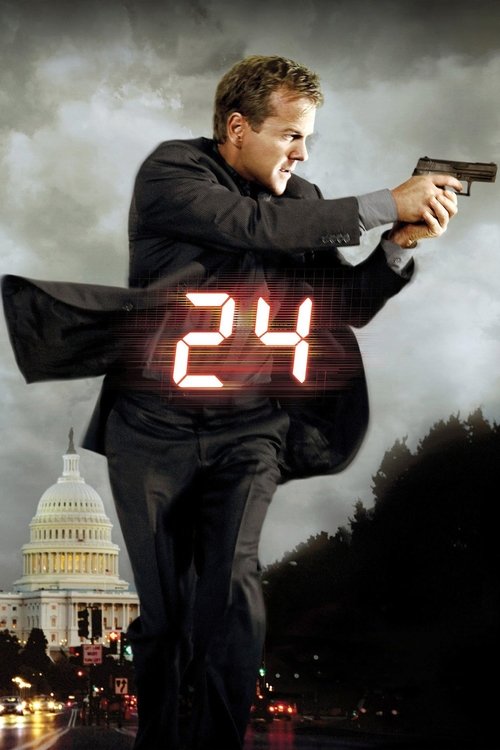
9. 24
"24" reinvented the action thriller for television with its real-time format. Every episode was an hour in Jack Bauer's day, creating an unprecedented sense of urgency and intensity. This serialized format, with its ticking clock and constant cliffhangers, kept audiences on the edge of their seats, pioneering binge-watching before the term existed. It brought cinematic-level action and suspense to the small screen, proving that network television could deliver high-stakes, serialized drama that felt incredibly immediate and gripping, changing expectations for thrillers.