


1. Black Monk Presents Time Capsule
Monk's angularity, his dissonant genius, redefined the piano as a percussive instrument, not just melodic. This isn't just about notes; it's about the space between them, the deliberate awkwardness that makes it swing harder. Your old man, if he ever dug into Basie or Duke, he’d find the same deep roots, just viewed through a cracked, beautiful lens. Challenging, yeah, but ultimately, it’s pure, unadulterated groove.
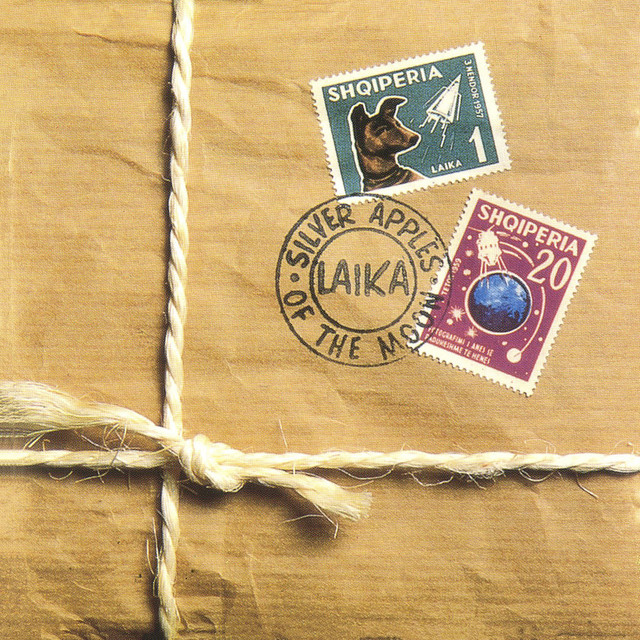
2. Silver Apples of the Moon
Morton Subotnick’s 1967 electronic odyssey. This wasn't some gentle synth wash; it was a goddamn Buchla synthesizer unleashed, singing with a primal, almost industrial hum. It's not melodic in the traditional sense, but the rhythmic pulses and alien textures are mesmerizing. A pure, unadulterated soundscape, pioneering electronic minimalism before anyone truly knew what it was. This is where the future began humming.
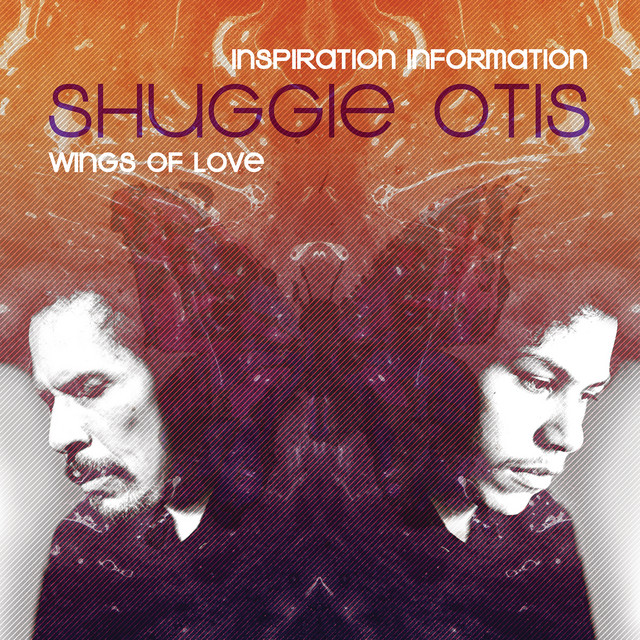
3. Inspiration Information/ Wings Of Love
Shuggie Otis, 1974. This cat was a proper enigma, blending deep soul, psychedelic rock, and a touch of blues into something entirely his own. That slinky, understated groove, those hazy vocals—it felt like the future of R&B but also deeply rooted in the past. It’s got a warm, late-night vibe, the kind of record that unfolds slowly, revealing its intricate layers. A genuine masterpiece that deserved far more attention.
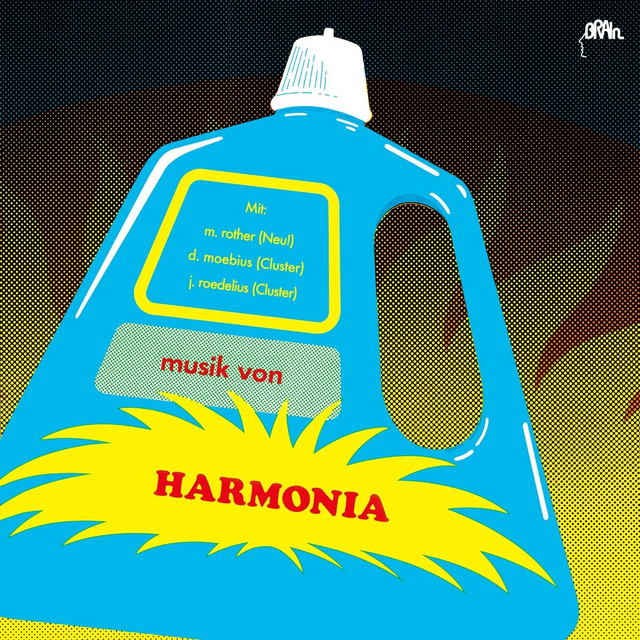
4. Musik von Harmonia
Harmonia, 1974. This is the sound of Krautrock's pastoral side, but with that unmistakable motorik beat humming underneath. Rother, Moebius, and Rodelius creating these repetitive, hypnotic soundscapes. It's not about big hooks; it's about the journey, the subtle shifts in texture and rhythm. Like a machine that’s been allowed to dream. It might sound simple, but the depth is immense. Pure, early electronic bliss with a rock backbone.
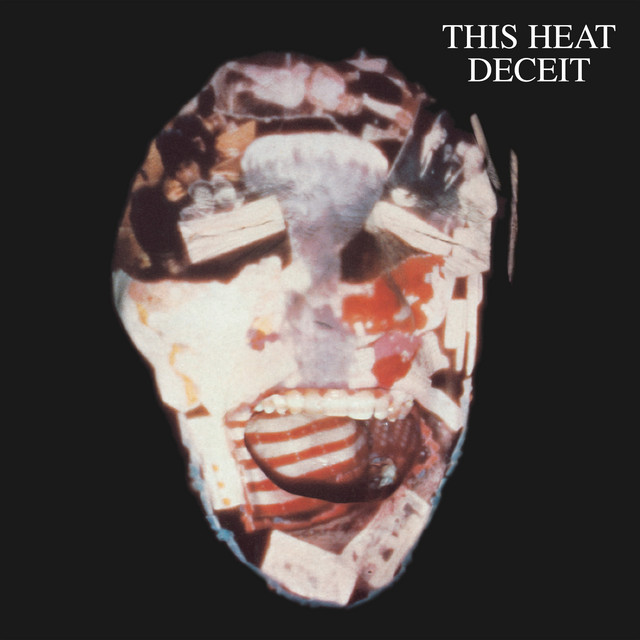
5. Deceit
This Heat's "Deceit" from '81. This was post-punk stripped to its bare, anxious bones, then rebuilt with industrial clang and rhythmic complexity. It's a challenging listen, full of tension and unease, like the whole world was about to collapse. The drums are central, primal, almost tribal, driving everything with a relentless, unsettling precision. Not for the faint of heart, but utterly vital for understanding where rock went after punk’s initial blast.
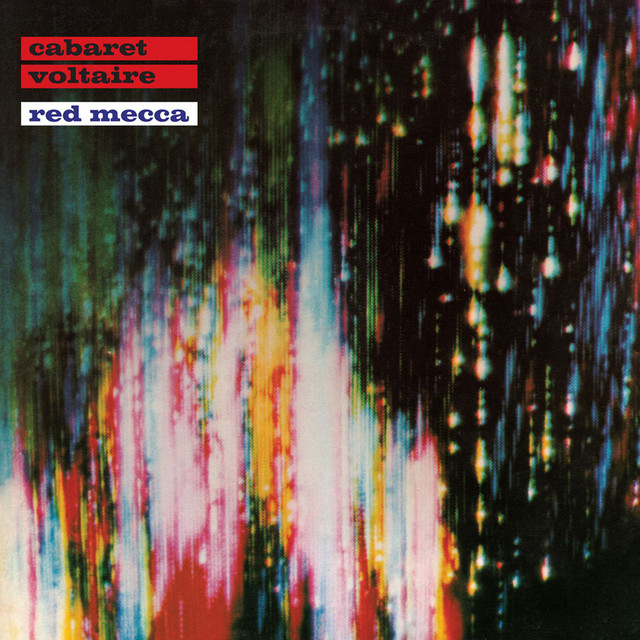
6. Red Mecca
The Sound’s "Red Mecca," also from '81. Where "Deceit" was jagged, "Red Mecca" was a brooding, atmospheric beast. Adrian Borland's vocals cut through the murky, almost gothic soundscapes. It’s got that urgent, melancholic post-punk drive, but with a cinematic scope. The guitars swirl, the bass pulsates, and there's a powerful sense of impending dread mixed with defiant beauty. A truly overlooked gem from an era brimming with dark brilliance.